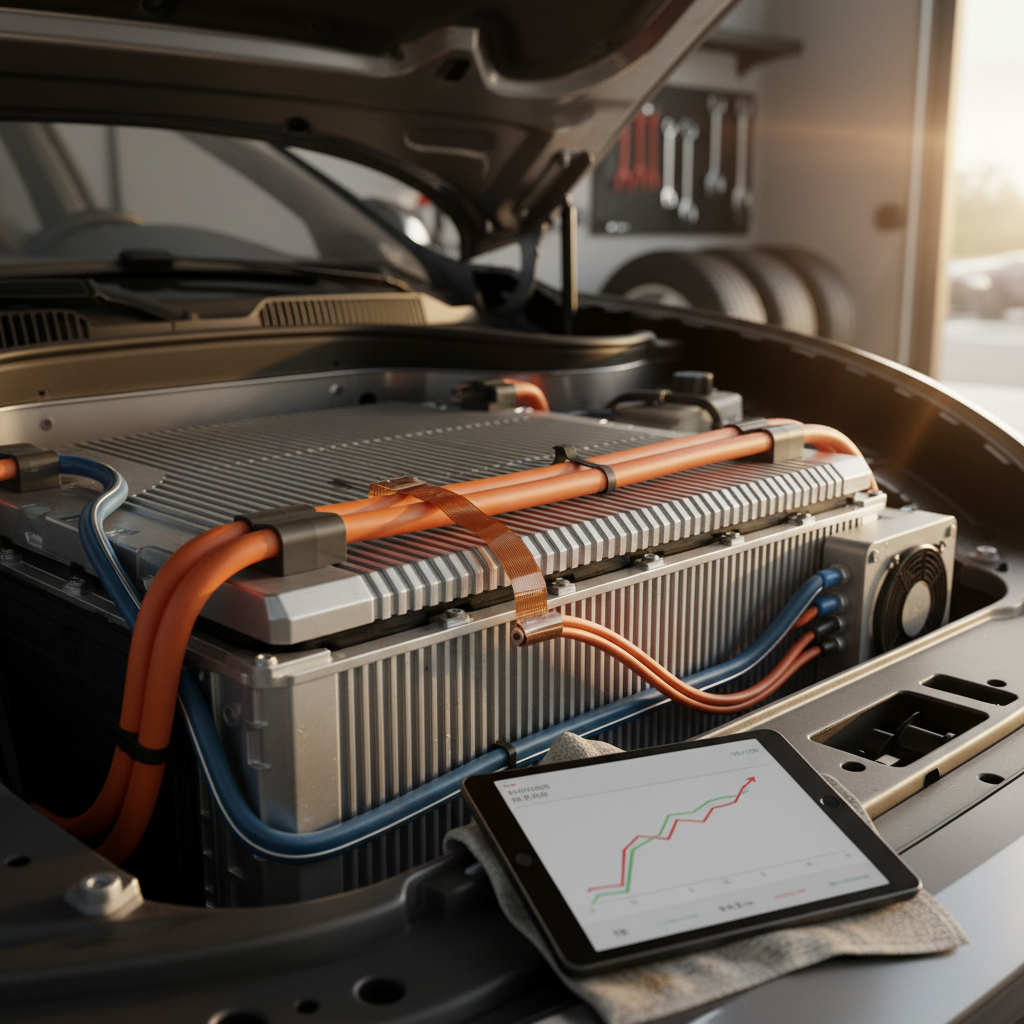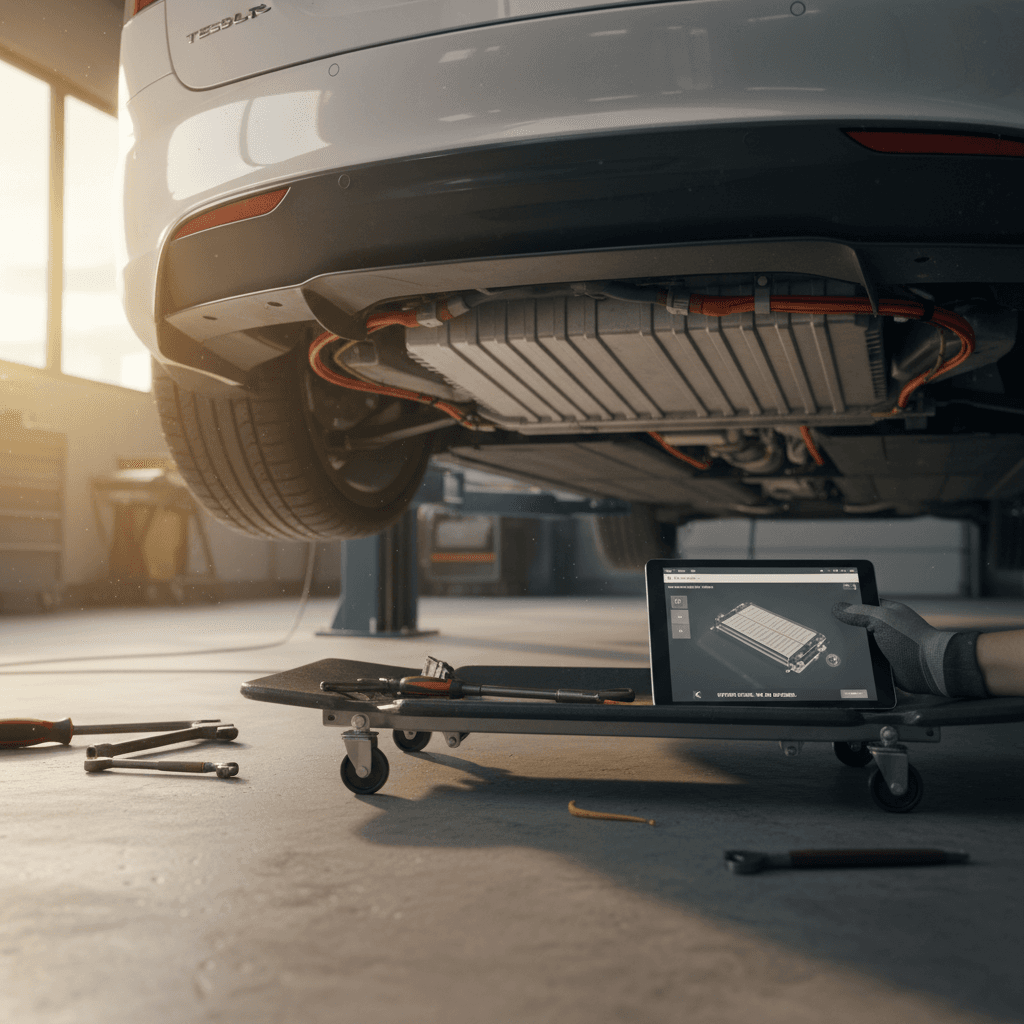
If you’re coming from a gas car, it’s natural to ask: do Teslas take oil? The short, reassuring answer is no, Teslas don’t use engine oil and never need traditional oil changes. But that doesn’t mean a Tesla is completely fluid‑free or maintenance‑free, and understanding the difference is key to budgeting and taking care of your EV.
Key takeaway
Short Answer: Do Teslas Take Oil?
- No engine oil: Tesla vehicles are fully electric, so there’s no internal combustion engine and no engine oil to change.
- No routine oil changes: Tesla’s own maintenance pages explicitly list “no traditional oil changes” as a benefit of their design.
- Some lubricants elsewhere: There is specialized oil or fluid sealed inside components like the drive unit and gearbox, but you don’t treat this like engine oil and you generally don’t change it on a schedule.
So if a quick‑lube shop tells you your Tesla is “due for an oil change,” you can politely decline. What your Tesla really needs on a routine basis is tire care, brake fluid checks, coolant checks, and cabin air filter replacement, plus software updates and inspections.
Why Gas Cars Need Oil But Teslas Don’t
Gas car (ICE) basics
- Has a complex internal combustion engine with hundreds of moving parts.
- Fuel is burned in cylinders; metal parts move at high speed and high temperature.
- Engine oil lubricates these parts, carries away heat and traps contaminants.
- Oil breaks down over time and must be changed every few thousand miles.
Tesla (EV) basics
- Uses an electric motor and a single‑speed reduction gearbox.
- No cylinders, pistons, valves or spark plugs, and no fuel combustion.
- The motor’s moving parts are few and are permanently lubricated in a sealed housing.
- There’s no combustion to contaminate oil, so no engine oil system at all.
Think of it this way
What Fluids a Tesla Actually Uses
“No oil changes” doesn’t mean “no fluids.” Teslas still rely on a small set of fluids that keep the car safe and comfortable. The big difference is that they’re changed far less often than engine oil in a gas car.
Common Tesla Fluids and How They’re Serviced
These are the main fluids you’ll deal with on a Tesla Model 3/Y/S/X as of 2025. Always double‑check your specific owner’s manual for intervals and details.
| Fluid | What it does | Who usually services it | Typical owner interaction |
|---|---|---|---|
| Battery coolant | Manages temperature of the high‑voltage battery and power electronics | Tesla Service or qualified EV shop | Usually never touched by owners; only serviced if there’s a problem. |
| Gear oil / drive unit lubricant | Lubricates gears in the drive unit (motor + reduction gearbox) | Tesla Service or EV specialist | Sealed; may be inspected at very high mileage or if there’s a noise/failure concern. |
| Brake fluid (DOT 3/4) | Transfers force in the hydraulic brake system | Tesla Service or any competent brake shop familiar with EVs | Periodic fluid tests and occasional flushes; more important in salty, humid climates. |
| Windshield washer fluid | Cleans the windshield | You | Top up as needed, this is the one fluid you’ll handle regularly. |
| Cabin HVAC coolant / refrigerant | Enables cabin A/C and, in heat‑pump cars, helps manage battery heat | Tesla Service or A/C specialist | Checked if A/C performance declines or during major service. |
Most Tesla fluid service is measured in years, not months.
Don’t DIY high‑voltage systems
Do Any Tesla Parts Use Lubricating Oil?
The confusion usually comes from the fact that components like Tesla’s drive unit and gear reduction box do use a specialized lubricant that looks and behaves like oil. The key point is that this is not engine oil and it’s sealed inside the component.
- Drive unit / gearbox oil: This lubricant bathes gears and bearings inside the drive unit. It’s designed for long life and is not part of a regular “oil change” schedule for most owners.
- “Lifetime” fluids: Automakers often describe these lubricants as lifetime fluids. In practice, some owners choose to have them inspected or changed around very high mileages (100,000+ miles) or if there’s a specific issue.
- Vintage or edge cases: Earlier Teslas and some performance variants can have their own fluid recommendations, but none of them use engine oil the way a gas car does. It’s always a good idea to scan the maintenance section of your specific model’s manual.
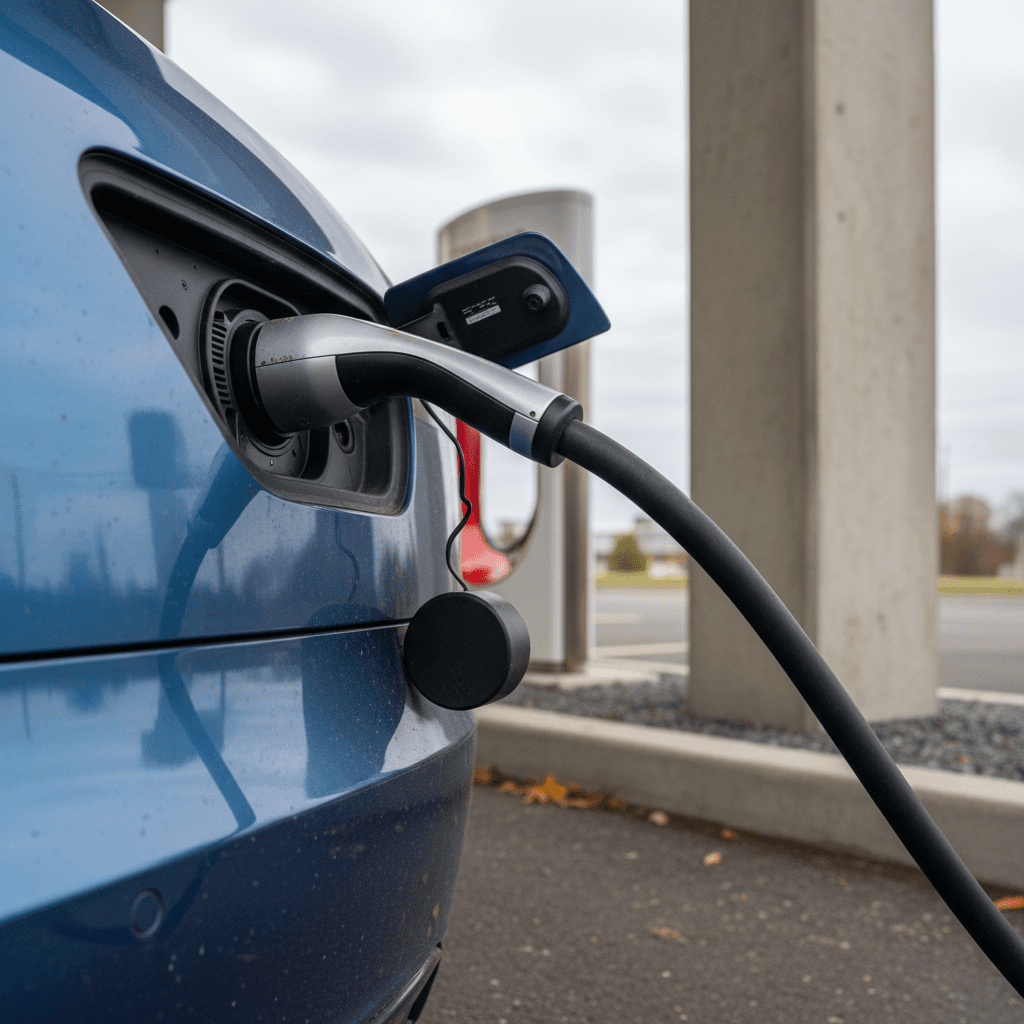
What about the 12‑volt system?
Tesla Maintenance vs Gas Car Maintenance
Tesla’s own maintenance documentation emphasizes what owners don’t have to worry about anymore: no traditional oil changes, no fuel system maintenance, no spark plugs, and no emission checks. That reduction in complexity is one of the biggest financial and time‑saving upsides of owning an EV.
Why Tesla Maintenance Feels So Different
Tesla vs Gas Car: Maintenance at a Glance
Same basic wear items, far fewer recurring service visits.
Gas car (ICE)
- Oil & filter changes every 5,000–7,500 miles.
- Transmission fluid and coolant services.
- Spark plugs, timing belts/chains, fuel filters.
- Emissions‑related repairs as the car ages.
Tesla / EV
- No engine oil, spark plugs or fuel system.
- Focus on tires, brake fluid, cabin filters.
- Battery coolant and gear oil checked infrequently.
- Over‑the‑air updates instead of many shop visits.
Real‑world effect
How This Affects Buying a Used Tesla
If you’re shopping used, the lack of oil changes changes how you evaluate service history. With a gas car, you obsess over whether every 5,000‑mile oil change was done on time. With a Tesla, you’re far more interested in battery health, tire wear, and how the car was charged and driven.
What you don’t worry about
- No missing oil‑change records to track down.
- No timing belt or spark plug service history.
- No clogged fuel injectors or emission‑system repairs.
What you should check instead
- Battery health: How much usable capacity remains compared to new.
- Charging habits: Lots of DC fast charging vs mostly home Level 2.
- Tires & brakes: EV torque can wear tires faster; brake fluid should still be tested periodically.
Where Recharged fits in
Simple Tesla Maintenance Checklist
Owner‑Friendly Tesla Maintenance Checklist
1. Watch tire wear and rotate regularly
Teslas are heavy and have instant torque, which can chew through tires faster than you’re used to. Plan on rotations roughly every 6,000–7,500 miles and budget for slightly more frequent replacements than a comparable gas sedan or SUV.
2. Test and service brake fluid periodically
Even though regenerative braking means pads last a long time, the brake fluid still absorbs moisture over time. Having it tested every few years (more often in salty or humid climates) is cheap insurance for safe braking performance.
3. Replace cabin air filters on schedule
Tesla recommends periodic replacement of cabin filters to keep HVAC performance strong and reduce odors. This is an easy, low‑cost job that pays off in everyday comfort.
4. Keep software up to date
Your Tesla receives over‑the‑air updates that can improve efficiency, range estimation, and even add features. Installing updates promptly is like getting a free tune‑up, no shop visit required.
5. Top up washer fluid and check wipers
The most common fluid you’ll touch is washer fluid. Keep it topped up and replace wiper blades when streaks appear, especially important given how quietly EVs cruise in bad weather.
6. Schedule inspections before long road trips
Before a big trip, it’s smart to have tires, brakes, and key fluids inspected, especially on a higher‑mileage or older Tesla. This is where a good EV‑savvy shop or Tesla Service Center is worth its weight in gold.
FAQ: Do Teslas Take Oil and Other Questions
Frequently Asked Questions About Teslas and Oil
Bottom Line: Oil and Tesla Ownership
To bring it all the way back: no, Teslas don’t take engine oil and they don’t need oil changes. That’s one of the clearest, most tangible differences between living with an EV and a gas car. Instead of budgeting for oil every few months, you’re thinking in terms of tires, brake fluid checks, cabin filters, and keeping the battery healthy.
If you’re considering a used Tesla, this simplified maintenance picture is a genuine advantage, as long as you replace the old “oil change mindset” with an EV‑appropriate one focused on battery health and smart charging. That’s exactly what Recharged is built around: verified battery diagnostics, transparent pricing, EV‑specialist advice, and a buying process designed for the realities of electric vehicles, not gas cars.