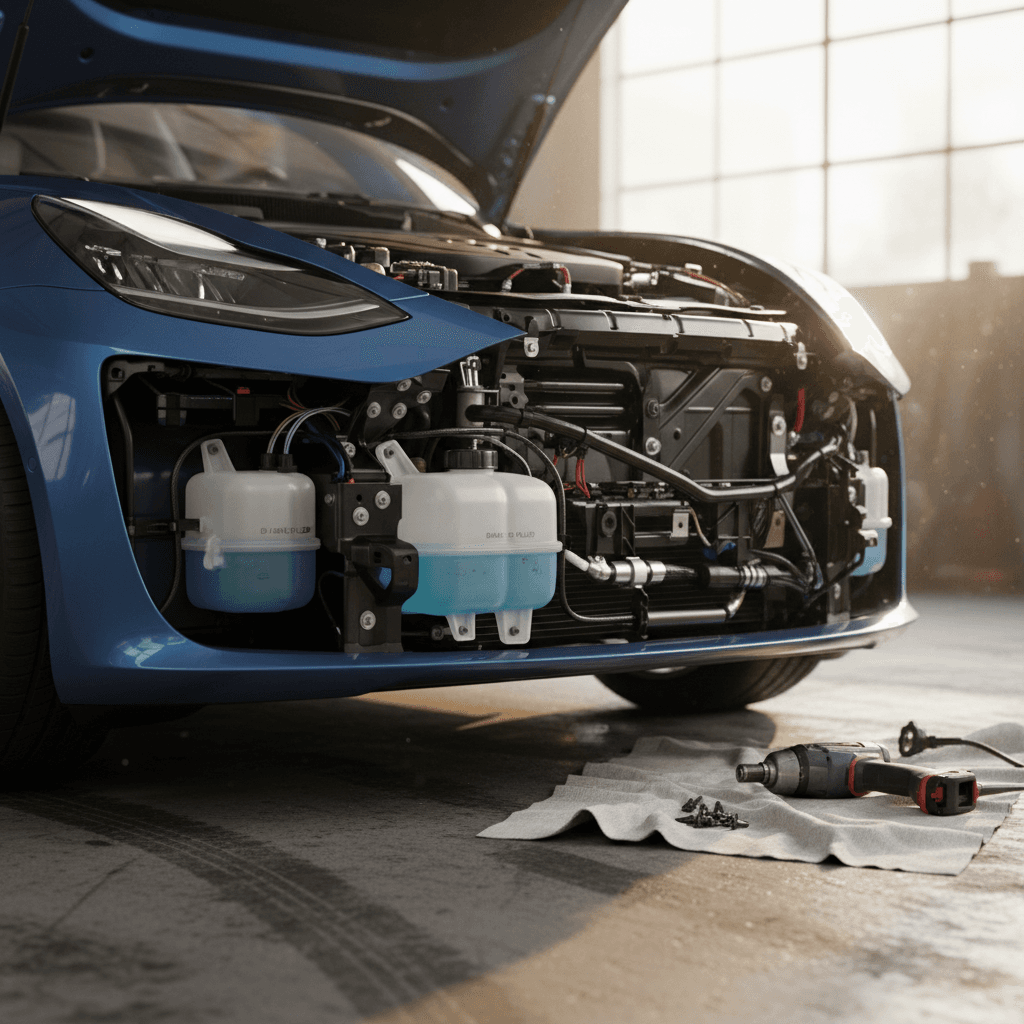
Yes, most modern electric cars absolutely use coolant, just not in the same way a gasoline car does. Instead of keeping an engine block from overheating, an EV’s coolant is busy managing the temperature of the battery pack, drive motor, power electronics, and sometimes even the cabin. Understanding how that works will help you protect range, performance, and long‑term battery health.
Key takeaway
Do electric cars use coolant? The short answer
- Yes – Nearly all current, high‑range EVs (Tesla, Hyundai Ioniq 5/6, Kia EV6, Ford Mustang Mach‑E, VW ID.4, Rivian, etc.) use liquid coolant in closed loops.
- Sometimes – A few older or low‑cost EVs (early Nissan Leaf, some city cars) rely mainly on air cooling and have little or no liquid coolant on the high‑voltage side.
- Different purpose – EV coolant is primarily there for the battery and power electronics, not a combustion engine. It also often supports cabin heating and cooling.
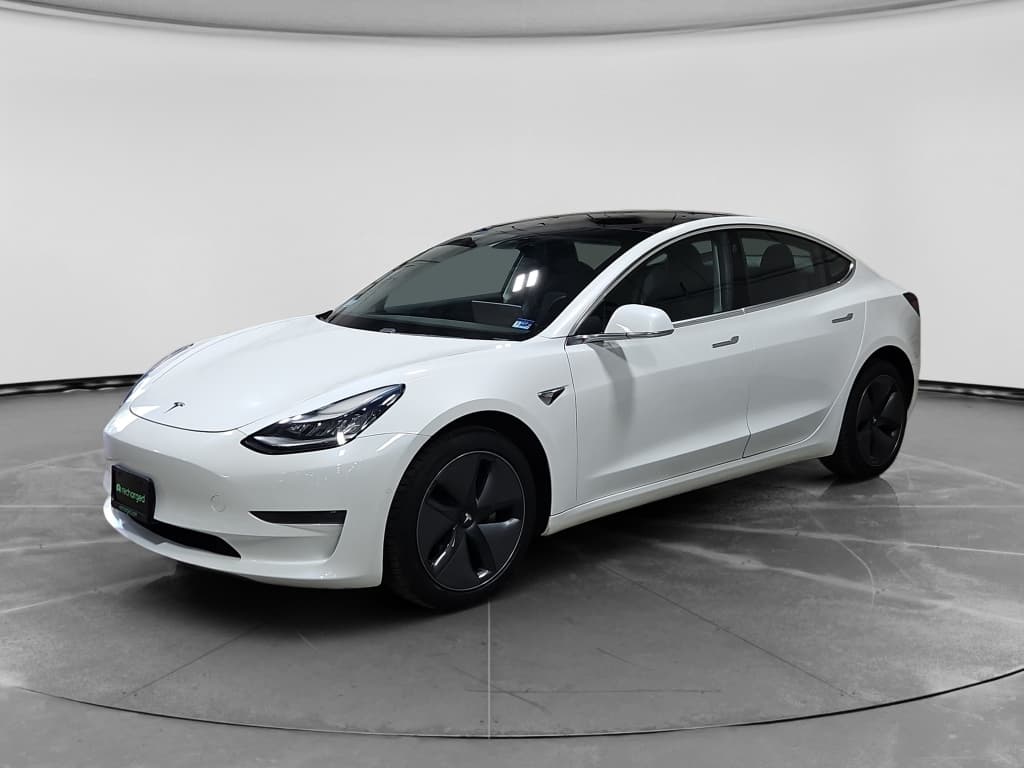
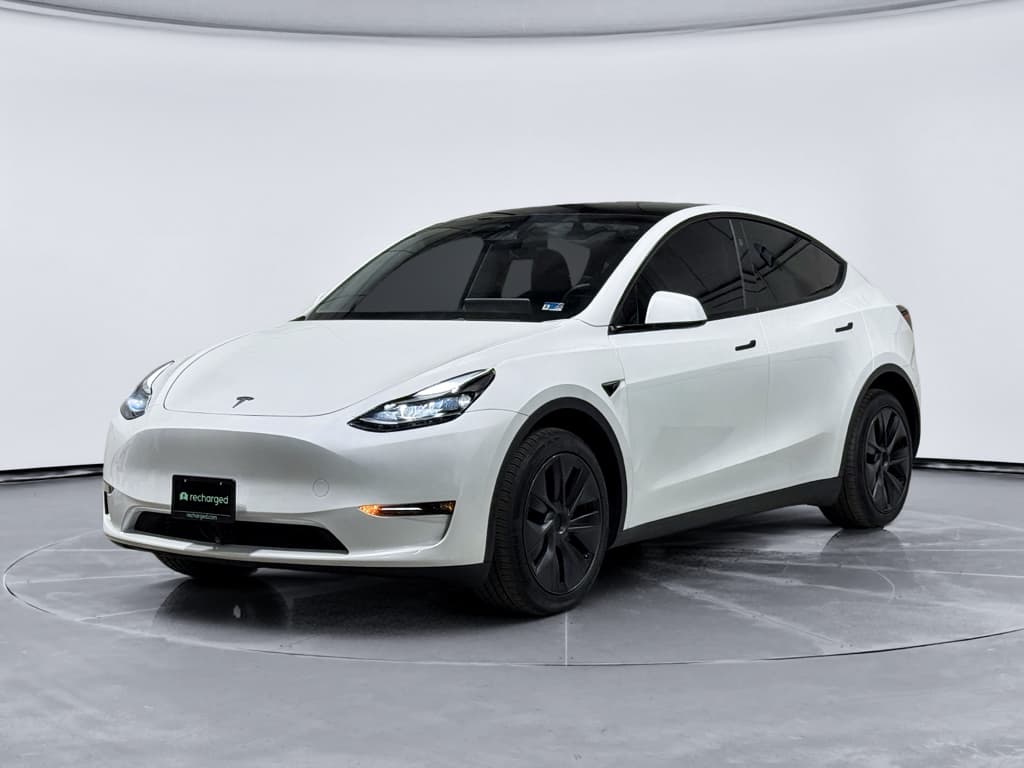
If you pop the hood on a Tesla Model 3 or a Hyundai Ioniq 5, you’ll see familiar things like a coolant reservoir, hoses, and radiators. Underneath, a network of coolant channels and plates pulls heat out of the battery, inverter, and motor, then rejects it through a radiator, very similar in principle to a gas car, but applied to totally different components.
Why it matters for you
What EV coolant actually does
Think of EV coolant as the highway that moves heat to wherever it’s easiest to get rid of it, or sometimes where it’s useful. Modern EVs use closed coolant loops that circulate a water‑glycol mixture through modules and heat exchangers, all controlled by a battery thermal management system (BTMS). That system is constantly deciding whether to heat, cool, or simply equalize temperatures.
Four main jobs of coolant in an EV
More than just "keep it from overheating"
Protect the battery
Enable fast charging
Cool electronics & motor
Share heat with the cabin
On high‑end packs, coolant channels are integrated directly under or between cells using so‑called cold plates. Some newer designs even immerse cells in non‑conductive coolant, bathing them completely to eliminate hot spots and improve safety during abuse.
Liquid vs. air cooling in electric cars
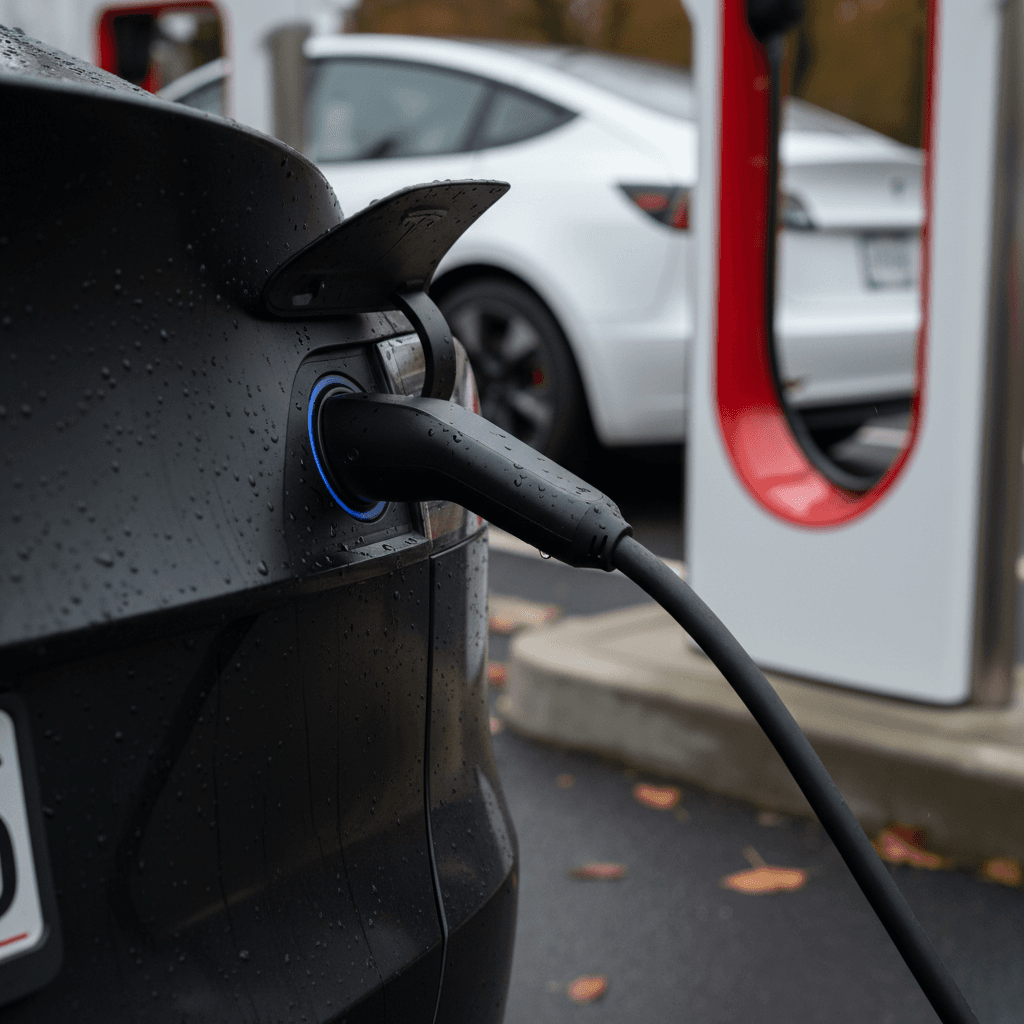
From an engineering perspective, the shift from air‑cooled batteries to liquid‑cooled ones is one of the biggest changes in EV design over the past decade. Early EVs like the first‑generation Nissan Leaf relied on passive or fan‑assisted air cooling. Today, as battery packs have grown larger and DC fast charging has become normal, liquid cooling is the dominant approach in new EVs.
Air‑cooled vs. liquid‑cooled EV batteries
How the two main battery cooling approaches compare in practice
| Feature | Air‑cooled battery | Liquid‑cooled battery |
|---|---|---|
| Typical use | Smaller, older, or city‑focused EVs | Most modern long‑range EVs |
| Cooling medium | Ambient or cabin air | Water‑glycol coolant (sometimes refrigerant) |
| Fast‑charge capability | Limited: pack heats up quickly | High: supports frequent high‑power fast charging |
| Temperature uniformity | Less even, more hot spots | Much more uniform across cells |
| Battery lifespan | More sensitive to hot climates & fast charging | Better long‑term capacity retention |
| Complexity & cost | Simpler, cheaper | More parts, higher cost, more capability |
Liquid‑cooled systems add complexity but unlock faster charging, better longevity, and more consistent performance.
A note on older air‑cooled EVs
What’s in an EV cooling system? Key components
Under the skin, an EV’s cooling system looks like a mash‑up of a conventional car’s radiator system and a home HVAC unit. The exact layout varies by manufacturer, but most liquid‑cooled EVs share the same core building blocks.
Core pieces of a typical liquid‑cooled EV
- Battery cold plates or channels – Thin aluminum plates or extrusions with internal coolant passages directly under or between cells.
- Coolant – Usually a water–ethylene glycol mix similar to engine antifreeze, formulated for corrosion protection and electrical safety.
- Pumps and valves – Electric pumps circulate fluid; electronically controlled valves route coolant between battery, power electronics, radiators, and heaters.
- Heat exchangers – Radiators and sometimes liquid‑to‑refrigerant chillers move heat from coolant to outside air or into the A/C circuit.
- Battery Thermal Management System (BTMS) – Software and controllers that decide when to cool, when to heat, and at what rate.
Tesla’s packs, for example, circulate coolant through intricate channels snaking past every cell, while brands like Audi and BMW often share coolant loops between the battery, motor, and inverter to simplify plumbing and improve efficiency. The principles are the same even if the details differ.
How coolant affects range and DC fast charging
If you’ve ever noticed your EV fast‑charge slower than the marketing numbers suggest, or range drop in very hot or very cold weather, you were experiencing the consequences of thermal management. Coolant is at the center of that story.
Hot weather & repeated fast charging
During DC fast charging, a lot of energy is being pushed into the pack very quickly, and most of what your battery doesn’t store turns into heat. Liquid coolant has to carry that heat out faster than it’s generated.
- If the pack gets too warm, the BTMS will throttle charging power to protect the cells.
- In well‑cooled EVs, you’ll see more stable high‑power charging curves, even when you fast‑charge multiple times on a road trip.
- In vehicles with marginal cooling, charge speeds can fall off sharply on the second or third session of the day.
Cold weather & preconditioning
In winter, the challenge flips: coolant is used to warm the pack up into its ideal temperature window before or during charging.
- Below freezing, most packs will limit charge speed to avoid plating lithium onto the anode.
- Preconditioning uses the car’s heater, pumps, and sometimes a heat pump to warm coolant and the battery before you arrive at a fast charger.
- If your car supports it, setting a charger as a destination in the nav is effectively a way to tell the BTMS: “Get the coolant and battery ready for high‑power charging.”
Road‑trip tip
Heat pumps, resistive heaters, and coolant
Cabin comfort is where EV thermal management feels the most different from gasoline. Instead of harvesting abundant waste heat from an engine, EVs have to decide whether to use battery energy directly in a resistive heater, or to move heat around more efficiently using a heat pump, often connected to the same coolant loops that serve the battery.
Two main ways EVs heat the cabin
Both rely on the broader thermal system, but efficiency differs
Heat pump + coolant
Resistive heater
Cold‑weather reality
Owner checklist: EV coolant maintenance
Because EVs don’t have oil changes, people sometimes assume they’re maintenance‑free. The reality is kinder than a gasoline car, but coolant still ages. Additives deplete, corrosion protection wanes, and contamination can creep in, especially as miles and years accumulate.
Simple coolant care for EV owners
1. Read the coolant interval in the manual
Most EVs specify a <strong>year or mileage interval</strong> for coolant inspection and replacement, often much longer than gas cars, but not infinite. Put that interval on your calendar.
2. Visually check the reservoir once or twice a year
With the car cold and parked on a level surface, look at the coolant level and color in the reservoir. You’re checking for: low level, cloudiness, or rust‑like discoloration.
3. Never just top off with random antifreeze
EV coolant chemistry and corrosion protection are tuned for specific metals and seals. If the level is low, <strong>use only the OEM‑specified coolant</strong> and respect any mixing rules, or let a qualified EV shop handle it.
4. Pay attention to thermal‑system warnings
If the car throws a <strong>"drive system hot," "reduced power," or "coolant level low"</strong> warning, don’t ignore it. These are signs the cooling loop needs immediate attention.
5. Service the system at EV‑savvy shops
Air in the lines, improper bleed procedures, or contamination can affect cooling performance. When coolant service is due, choose a shop that understands EV thermal systems, or work with a retailer like <strong>Recharged</strong> that verifies this before you buy.
Signs your EV cooling system needs attention
EV cooling systems are robust, but they’re not magic. Like any system with pumps, hoses, and seals, they can develop issues over time. Catching them early protects your battery and avoids inconvenient breakdowns.
- Frequent power‑limited or "reduced performance" warnings, especially during hard acceleration or uphill driving.
- Noticeably slower DC fast‑charging than the car used to deliver at the same state of charge and temperature.
- Warning lights related to coolant level, drive system temperature, or battery temperature.
- Visible coolant leaks under the vehicle or dampness around hoses, pumps, or radiators.
- Fans that seem to run on high constantly, even after mild drives in moderate weather.
Don’t keep driving through thermal warnings
Buying a used EV: why coolant and thermal history matter
Thermal management is one of the biggest invisible factors that separates a great used EV from a disappointing one. Two cars with the same odometer reading can have very different battery health depending on how effectively their cooling systems protected the pack, and how they were driven and charged.
Questions to ask about coolant and thermal history
- Has the coolant ever been changed? If so, when and where?
- Were OEM‑approved coolants and procedures used?
- Any history of overheating, power‑limit warnings, or reduced charging speeds?
- Has the car lived in an especially hot climate or done lots of DC fast charging?
How Recharged helps de‑risk this
Every EV sold through Recharged comes with a Recharged Score Report that includes verified battery health and charging behavior history, so you’re not guessing how the cooling system has been used over the years.
Our EV specialists can also walk you through what to expect for coolant service on a specific model, and we factor thermal history into pricing so you pay a fair market value for the battery you’re actually getting.
Why this matters for resale value
Ready to find your next EV?
Browse VehiclesFAQ: common questions about EV coolant
Frequently asked questions about EV coolant
Bottom line: coolant is central to modern EVs
So, do electric cars use coolant? In almost every modern, long‑range EV on the market, the answer is yes, and that coolant is doing far more sophisticated work than simply preventing overheating. It’s the backbone of the thermal system that allows today’s EVs to fast‑charge repeatedly, maintain range across seasons, and keep batteries healthy for hundreds of thousands of miles.
As a driver, you don’t need to obsess over pump maps or coolant channel geometry. But understanding the basics, liquid vs. air cooling, how thermal management affects fast charging, and why coolant service still matters, will make you a more confident EV owner and a savvier used‑EV shopper. And if you’d rather have experts sweat those details, buying through Recharged means every car comes with verified battery health and a clear picture of how its thermal systems have been used over time.