If you’ve just bought an electric car, or you’re thinking about a used EV, you’ll quickly run into the question: do electric cars need special tyres, or can you just fit any set that matches the size? The short answer is that most EVs can physically use regular tyres, but there are good reasons why tyre makers now sell EV‑specific models.
In a nutshell
Do EVs actually need special tyres?
From a legal and basic fitment standpoint, electric cars do not have to use EV‑branded tyres. As long as the tyre meets your car’s size, speed rating, and load index, it can be fitted. That said, EVs ask more of their tyres than most gas cars, so what is merely “good enough” on a petrol hatchback can feel noisy, wear quickly, or even reduce range on an electric car.
- You’re allowed to use non‑EV tyres if they meet the correct size, load, and speed ratings.
- Many new EVs ship from the factory on tyres tuned for low rolling resistance and low noise.
- Using a cheaper, non‑EV tyre may save money up front but often costs you in faster wear, more noise, and shorter range.
- For performance EVs and heavier SUVs, EV‑specific tyres are strongly recommended for safety and longevity.
Don’t ignore the load index
Why electric cars are harder on tyres than gas cars
How EVs stress their tyres
Those factors add up to one thing: tyres on electric cars tend to work harder all the time. Owners often report that their EVs wear through tyres noticeably faster than an equivalent gas car, especially if they drive enthusiastically or run a lot of highway miles.
1. Extra weight
EV battery packs can add hundreds of pounds compared with similar gas models. That weight sits on the same four contact patches, so each tyre carries more load. Heavier vehicles flex the tyre more, which builds heat and accelerates wear.
2. Instant torque
Even mainstream EVs deliver maximum torque from a standstill. That makes them feel quick, but it also means the front (or rear) tyres are constantly being twisted against the road surface. Over time, that can lead to greater wear on the driven axle and more pronounced cupping or feathering if alignment isn’t perfect.
3. Range sensitivity
Rolling resistance, the energy it takes to keep the tyre rolling, has a direct impact on driving range. A tyre with high rolling resistance can easily shave a noticeable amount off your per‑charge mileage, especially at highway speeds.
4. Cabin noise
With no engine vibration and very little drivetrain noise, the main sounds left in an EV cabin are wind and tyre noise. A tread pattern or compound that felt fine on a gas car can sound surprisingly coarse in a quiet electric interior.
Think of your tyres as part of the battery system
What makes an EV-specific tyre different?
Tyre manufacturers have responded to these demands with EV‑specific tyres, sometimes labelled “EV”, “ElectricDrive”, “e.Primacy”, or “Elect”. You’ll often see them fitted from the factory on popular models like Tesla, Hyundai IONIQ 5, and others.
Typical features of EV‑specific tyres
What you get beyond a standard tyre with the same size and rating
Higher load capacity
Lower rolling resistance
Noise reduction
More ways EV tyres are tuned
Stronger sidewalls
Torque-ready compounds
Efficiency & sustainability
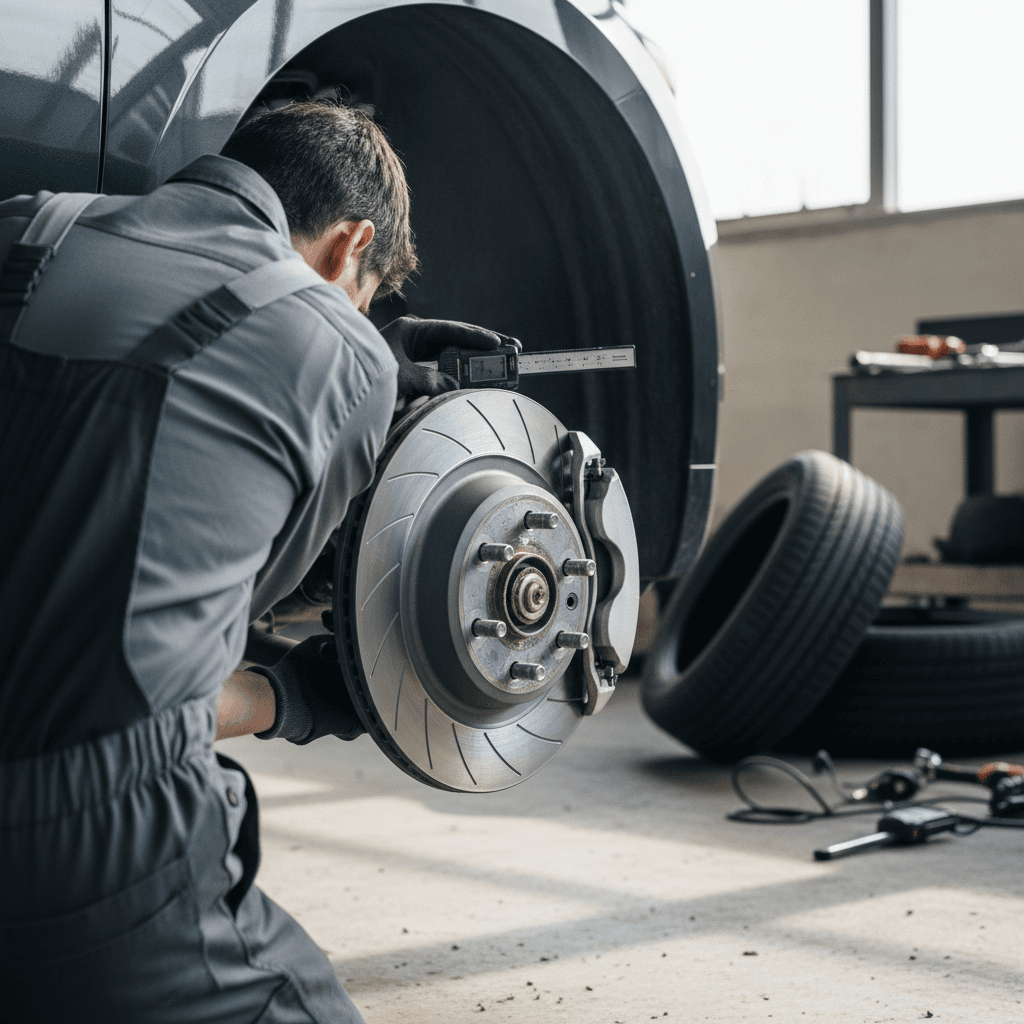
EV-specific tyres: pros, cons, and trade-offs
EV‑specific tyres vs. conventional tyres
How EV‑tuned tyres compare with good quality conventional tyres of the same size.
| Feature | EV-specific tyre | Conventional tyre |
|---|---|---|
| Rolling resistance | Usually lower (better range) | Varies widely; efficiency often secondary |
| Noise levels | Quieter, especially on smooth roads | Can be fine, but aggressive patterns can drone in an EV |
| Load capability | Often higher load index for EV weight | Adequate if you choose the correct load rating |
| Tread life | Designed to cope with EV weight/torque; real‑world life varies | Can wear faster on EVs if not designed for extra stresses |
| Price | Typically higher | More choice at lower price points |
| Availability | Growing, but fewer niche sizes | Very wide selection in most sizes |
You don’t always <em>need</em> EV‑specific tyres, but it’s smart to understand what you trade when you choose a regular tyre instead.
Watch wet‑grip compromises
When you really should choose EV-specific tyres
There are plenty of situations where spending a bit more for EV‑tuned tyres is money well spent. The key is to match the tyre to your vehicle and how you actually drive.
Situations where EV-specific tyres make strong sense
1. You drive a heavy EV SUV or crossover
If you own something like a large electric SUV or three‑row crossover, its weight and higher center of gravity make the tyre’s load rating and construction critical. EV‑specific options are often built with this in mind.
2. You value maximum range on road trips
If you regularly run your battery down to low state‑of‑charge, a low‑rolling‑resistance EV tyre can be the difference between making the next fast charger comfortably or arriving on fumes.
3. You bought a performance EV
High‑output EVs can overwhelm ordinary touring tyres. EV performance tyres are tuned to handle repeated hard launches and high‑speed stability without rapid wear.
4. Your EV came with EV-optimised tyres from the factory
Sticking with the same spec, or an equivalent EV tyre, will preserve the range, braking, and noise balance the engineers tuned into the vehicle.
5. You drive mostly in the city
Start‑stop traffic and frequent acceleration put a lot of stress on tyres. EV‑tuned mixtures can better manage that abuse, potentially improving tread life.
6. You’re sensitive to noise and comfort
If your cabin is your rolling office, spending extra for a quiet, foam‑lined EV tyre can make a long commute noticeably more relaxing.
EV tyre buying checklist: how to choose the right set
When you’re actually staring at tyre options on a retailer’s site or in a shop, it’s easy to get lost in marketing speak. Use this simple checklist to narrow things down for your electric car.
Step-by-step EV tyre selection
1. Start with your owner’s manual and door sticker
Note the exact size, load index, and speed rating. On an EV, <strong>do not downgrade the load index</strong>, even if a tyre shop suggests it to save money.
2. Decide your priorities: range, grip, or comfort
No tyre can maximise everything. Be honest: do you care most about range and efficiency, quiet comfort, or sharp handling? That priority should drive your choice.
3. Look for EV or ‘low rolling resistance’ labels
Tyres marketed for EVs or efficiency often include phrases like “EV”, “ElectricDrive”, “e.Primacy”, or “low rolling resistance.” Use that as a filter, but still read reviews.
4. Check independent tests and owner reviews
Magazine tests and online reviews reveal trade‑offs in wet grip, snow performance, and real‑world wear, especially important on heavier electric vehicles.
5. Consider your climate and seasons
In colder or snowy regions, you may want a dedicated winter tyre and a separate summer or all‑season set. EV‑specific options exist in both categories.
6. Get a proper alignment when tyres are fitted
EVs can be hard on suspension bushings and alignment. A fresh set of tyres without a fresh alignment is a recipe for rapid, uneven wear.
How this ties into buying a used EV
Ready to find your next EV?
Browse VehiclesTyre care tips to protect range, safety, and your wallet
Whether you run EV‑specific tyres or high‑quality conventional ones, simple maintenance habits make a huge difference to safety, range, and cost per mile.
- Check pressures at least once a month and before long trips. Underinflation is the enemy of both range and tread life.
- Rotate tyres on schedule, typically every 5,000–7,500 miles, or at each service visit.
- Have the alignment checked if you notice pulling, vibration, or uneven wear.
- Avoid full‑throttle launches and hard cornering if you want your tyres to last.
- Inspect tread depth and sidewalls regularly for cuts, bulges, or embedded objects.
Use in-car tools
What EV tyres tell you about a used electric car
Tyres are one of the fastest ways to read a used EV’s history. They’re like a disposable notepad of the previous owner’s habits.
Reading a used EV’s tyres like a pro
What you can infer from a quick walk‑around
Even, quality tyres
Mismatched or cheap tyres
Severe edge wear or cupping
When you buy through Recharged, you get more than a quick glance. Our Recharged Score Report pairs tyre condition with verified battery health, so you can see how the previous owner treated both their tyres and their state‑of‑charge habits, two strong clues to how the entire vehicle has been cared for.
FAQ: Common questions about electric car tyres
Electric car tyre FAQs
Key takeaways: Do electric cars need special tyres?
So, do electric cars need special tyres? They can run on any correctly rated tyre, but the right set makes a much bigger difference than it did on your last gas car. EV‑specific tyres are built to carry more weight, handle instant torque, protect driving range, and keep noise under control in a quiet cabin.
If you drive a heavier or more powerful EV, care about long‑distance efficiency, or simply want a calm, quiet ride, EV‑tuned tyres are usually worth the premium. If you’re on a tighter budget, a high‑quality conventional tyre with the proper load rating and good independent test results can still serve you well, just pay attention to pressures, rotations, and alignment.
And if you’re considering a used electric vehicle, don’t overlook the story the tyres are telling. At Recharged, every car includes a Recharged Score Report with verified battery health, pricing transparency, and a clear view of wear‑items like tyres. That way, you’re not guessing about the next big bill, you’re making a confident decision about the EV that fits your life.