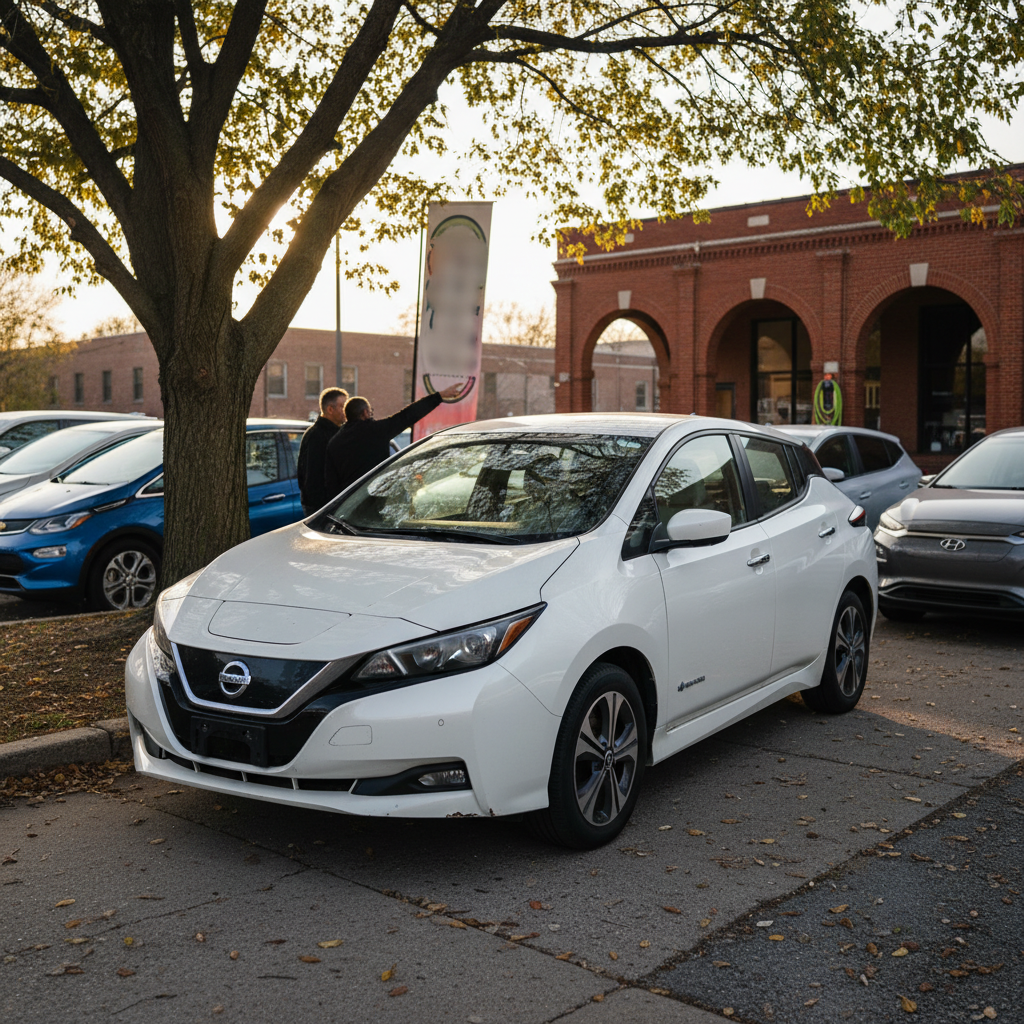
If you drive an electric car in Delaware, the inspection rules can feel a little murky. You may have heard that EVs skip emissions tests, that new cars are exempt, or that you now owe an extra registration fee. All true, up to a point. This guide breaks down Delaware electric car inspection requirements in plain English so you know exactly when your EV has to visit the DMV, what gets checked, and how to sail through the lane without surprises.
Quick answer
Overview: How Delaware treats EV inspections
Delaware is one of the states that still requires regular vehicle inspections. For most passenger vehicles, including electric cars, inspections are biennial, meaning you’ll visit a state inspection lane roughly once every two years when you renew registration. Newer vehicles get a longer emissions exemption window, but they’re still subject to safety checks when their first registration cycle comes due.
- All passenger vehicles in Delaware must meet safety standards to stay registered.
- Emissions testing applies only to gasoline and diesel vehicles; EVs are exempt from emissions.
- Most inspections are required every other year, tied to registration renewal.
- Inspections are performed at Delaware DMV inspection facilities at no charge to the vehicle owner.
Where inspections happen
Do electric cars need emissions tests in Delaware?
This is the number-one question from new EV owners. The short version: no, your battery-electric car does not need an emissions test in Delaware. The state’s emissions program only covers gasoline and diesel vehicles up to certain weight limits. EVs are considered zero‑tailpipe‑emission vehicles, so there’s nothing to measure at the tailpipe.
Emissions rules
- Applies to gasoline and diesel vehicles up to 8,500 lbs GVWR.
- First seven model years are exempt from emissions testing.
- Older vehicles get an OBD check or older-style idle test.
- Electric vehicles and many hybrids are exempt from tailpipe testing.
What this means for EVs
- No tailpipe or OBD emissions test for fully electric vehicles.
- You still go through the lane for visual safety checks.
- Your inspection visit is shorter and usually simpler than a gas car’s.
- Hybrids and plug‑in hybrids may still have emissions tests, depending on type and model year.
Don’t skip inspection just because you own an EV
Safety inspection rules for electric vehicles
Delaware law treats EVs as regular passenger vehicles for safety inspection purposes. The state wants to know that the car you’re driving, battery‑powered or otherwise, can steer, stop, signal, and see at night. So when your EV is due, it goes through a safety checklist just like a gas car.
What’s covered in a Delaware safety inspection
Same fundamentals for electric and gasoline vehicles
Basic roadworthiness
- Body condition (no sharp edges)
- Doors latch and open properly
- Windshield and mirrors in good condition
Control & stopping
- Steering system free of play
- Brake pedal feel and stopping ability
- Parking brake holds the vehicle
Visibility & lighting
- Headlights (high/low beam)
- Turn signals & brake lights
- Windshield wipers, defroster
On most newer EVs, the inspection is very straightforward. There’s no engine bay noise test, no tailpipe probe, and no concern about oil leaks. But the technician is still required to fail the vehicle if, say, your brake lights don’t work or your tires are worn to the cords.
High-voltage system checks
When your EV must be inspected: new, used, and new residents
The timing rules can be confusing because Delaware combines inspection requirements with different registration options and model‑year exemptions. Here’s the practical way to think about it if you own, or are about to own, an electric car.
When a Delaware EV typically needs inspection
General guidance for passenger EVs under 10,000 lbs GVWR. Always confirm exact dates on your registration card or renewal notice.
| Situation | When inspection is required | Notes |
|---|---|---|
| Brand‑new EV purchased from a Delaware dealer | At or before first registration renewal (usually year 2) | Dealer handles initial title/registration; you’ll bring it for safety inspection when your first registration term expires. |
| Used EV bought from a private seller in Delaware | Usually right before you retitle and register in your name | Plan on a DMV visit that includes VIN verification, safety inspection, and registration paperwork in one trip. |
| Used EV brought in from out of state | At first Delaware title/registration | Out‑of‑state vehicles generally need a VIN check and full inspection before receiving Delaware plates. |
| Existing Delaware‑titled EV, routine renewal | Every 2 years (biennial) | Your renewal notice will list the inspection window. Don’t wait until the last week. |
Inspection timing is tied to registration, not to how many miles you drive.
Watch that inspection window
What Delaware inspectors actually check on an EV
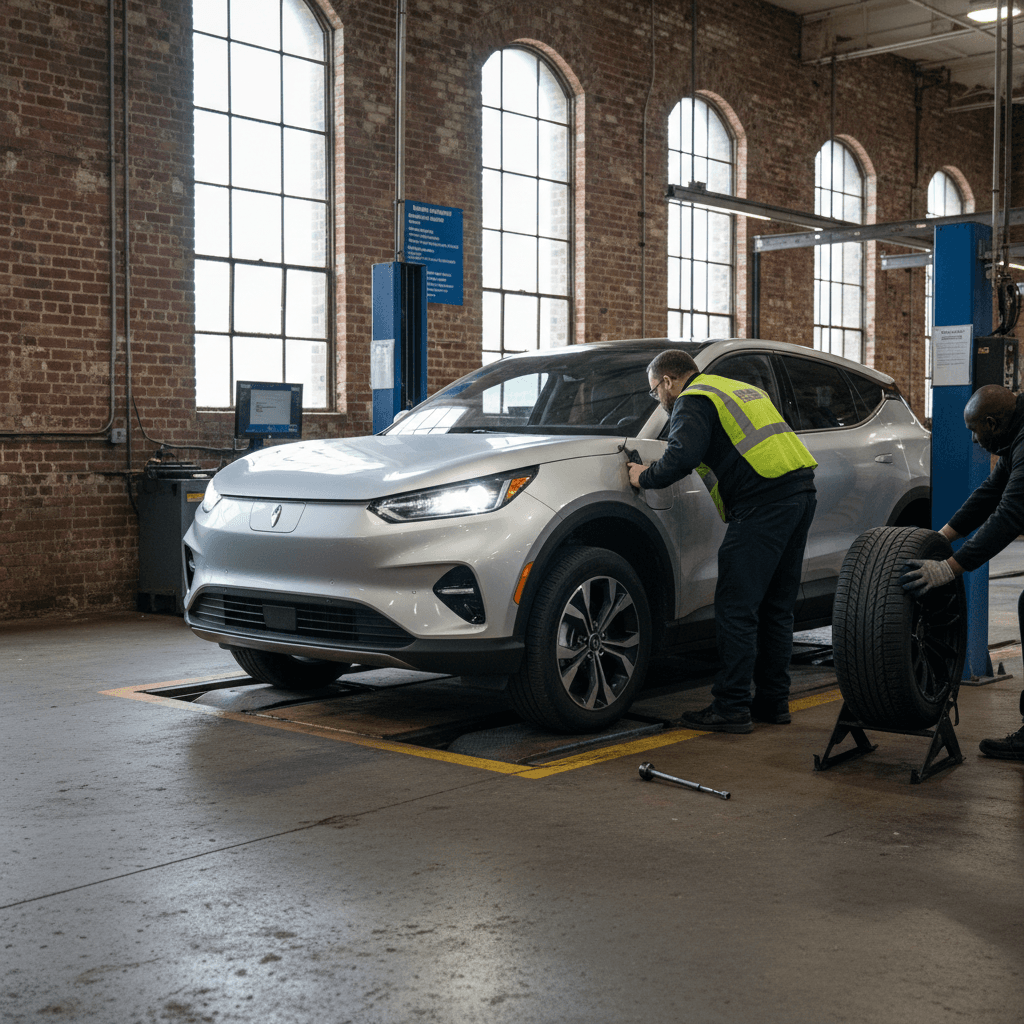
Knowing what happens in the lane takes some of the anxiety out of inspection day, especially if this is your first electric vehicle. A typical Delaware safety inspection on an EV looks like this:
Step-by-step: A typical EV safety inspection in Delaware
1. Queue up and present documents
You’ll line up in the inspection lane, then hand over your registration card, proof of insurance, and driver’s license when asked. For out‑of‑state vehicles, be ready for VIN verification paperwork too.
2. Exterior and VIN walk‑around
The inspector confirms your VIN, checks plates, and walks around the car looking for obvious hazards like broken glass, missing mirrors, or sharp body damage.
3. Lights, wipers, and horn test
You’ll be asked to use the turn signals, step on the brakes, flash the high beams, and sound the horn while the inspector watches from outside. They’ll also check wipers and sometimes washer fluid.
4. Steering and brakes check
The vehicle may be driven onto a roller or brake tester, or the inspector may perform a low‑speed brake and steering test to verify the car tracks straight and stops properly.
5. Tire and suspension look‑over
They’ll eyeball tread depth and look for cords, bulges, or sidewall damage. If something looks marginal, expect questions or a fail sheet listing what needs correction.
6. Results: pass, advisory, or fail
If you pass, you’re clear to complete registration. If you fail, you’ll get a printout explaining what to fix and will need to return for a re‑inspection once repairs are done.
Fees for Delaware EV owners: inspections and new AFV charge
Inspection itself is the one part of this process that won’t hit your wallet. Delaware’s DMV performs safety and emissions inspections at no charge. Where EV owners do feel a difference in 2026 is at registration time, thanks to the state’s new alternative fuel vehicle (AFV) fee.
What Delaware EV owners pay in 2026
Why the extra EV fee?
How to pass your Delaware EV inspection on the first try
Electric cars tend to be mechanically simple, which means most inspection failures come down to small, preventable issues: a burned‑out bulb, a cracked windshield, tires that are more racing slick than family‑hauler. A 15‑minute pre‑trip check in your driveway can save you a second visit.
DIY checklist before you head to the DMV lane
Check every exterior light
Turn on headlights, high beams, hazards, and brake lights. Have a friend stand behind the car, or use a wall reflection, to confirm they all work. Replace bulbs now, not at the lane.
Inspect your tires closely
Look for even tread across the width of each tire and no exposed cords or sidewall bubbles. If you’re near the wear bars, it’s time to budget for new rubber before inspection day.
Clean up your glass and mirrors
A small chip may pass, but long cracks in the driver’s line of sight are trouble. Make sure mirrors are intact and properly attached.
Test wipers and washer function
It’s an easy fail if your wipers smear instead of sweep. Blades are cheap; replace them if they chatter, skip, or leave streaks.
Verify horn and parking brake
Give the horn a quick tap and confirm the parking brake will hold the vehicle on a gentle slope. Both are basic safety items inspectors care about.
Bring the right documents
Have your driver’s license, proof of Delaware insurance, and current registration or out‑of‑state title ready. Paperwork problems can hold up your day even if the car is flawless.
Good news for EV owners
EV inspections and buying a used electric car in Delaware
If you’re shopping for a used EV, especially from a private seller or coming in from another state, inspection and registration rules become part of the buying decision. A clean title and a recent inspection sticker are nice, but they don’t tell you everything you need to know about a battery‑powered car.
What Delaware’s inspection tells you
- The car meets minimum state safety standards today.
- Tires, brakes, lights, and structural items passed a basic visual check.
- There are no obvious hazards like broken glass or severe rust.
- Paperwork (VIN, title details) passes a quick reality check.
What it doesn’t tell you
- Battery health or remaining capacity.
- Fast‑charging performance or thermal management issues.
- Subtle accident damage repaired just well enough to pass a glance.
- Whether the price reflects true EV market value in today’s market.
Layer in a battery‑focused inspection
FAQ: Delaware electric car inspection requirements
Frequently asked questions about Delaware EV inspections
Bottom line for Delaware EV drivers
Delaware’s rules for electric cars are stricter than some states that have dropped inspections altogether, but they’re also straightforward once you separate safety checks from emissions testing. Your EV skips the smog test, yet it still has to prove it can stop, steer, and signal safely every couple of years.
If you’re already driving an electric car, mark your inspection window on the calendar, run through a quick driveway check beforehand, and keep your paperwork handy, there’s no reason inspection day has to be stressful. And if you’re thinking about buying a used EV in Delaware, remember that a fresh inspection sticker is only part of the story. A detailed battery and pricing report, like the Recharged Score included with every vehicle on Recharged, fills in the blanks the DMV doesn’t cover, so you can enjoy the instant torque and low running costs of an EV with real peace of mind.