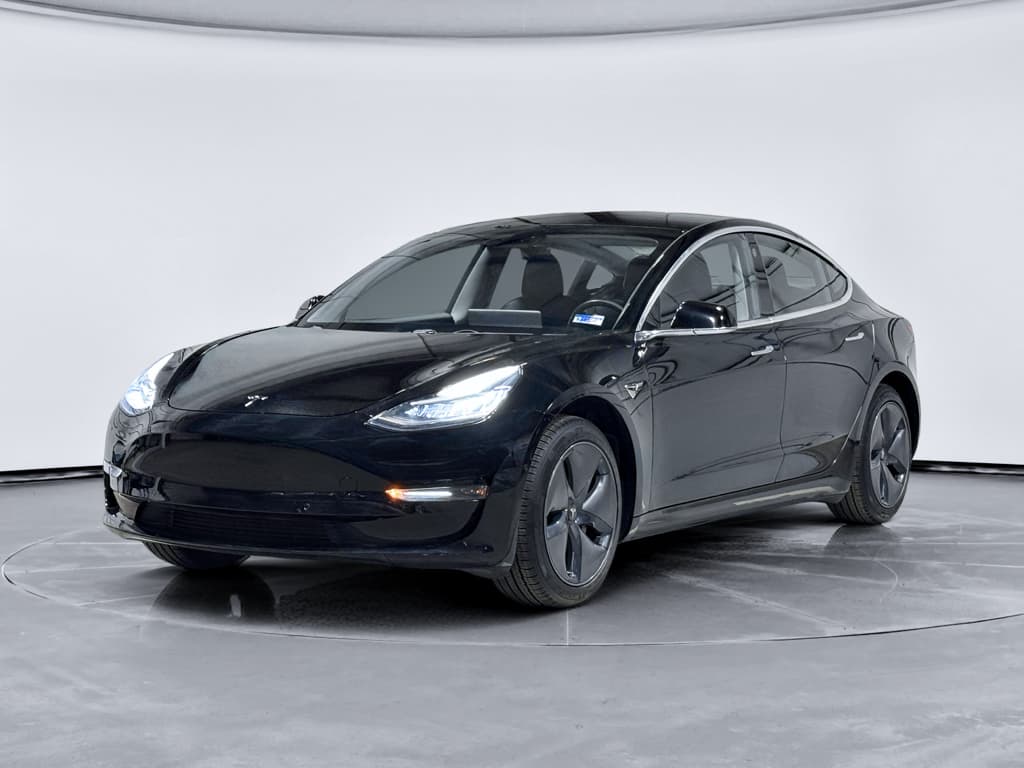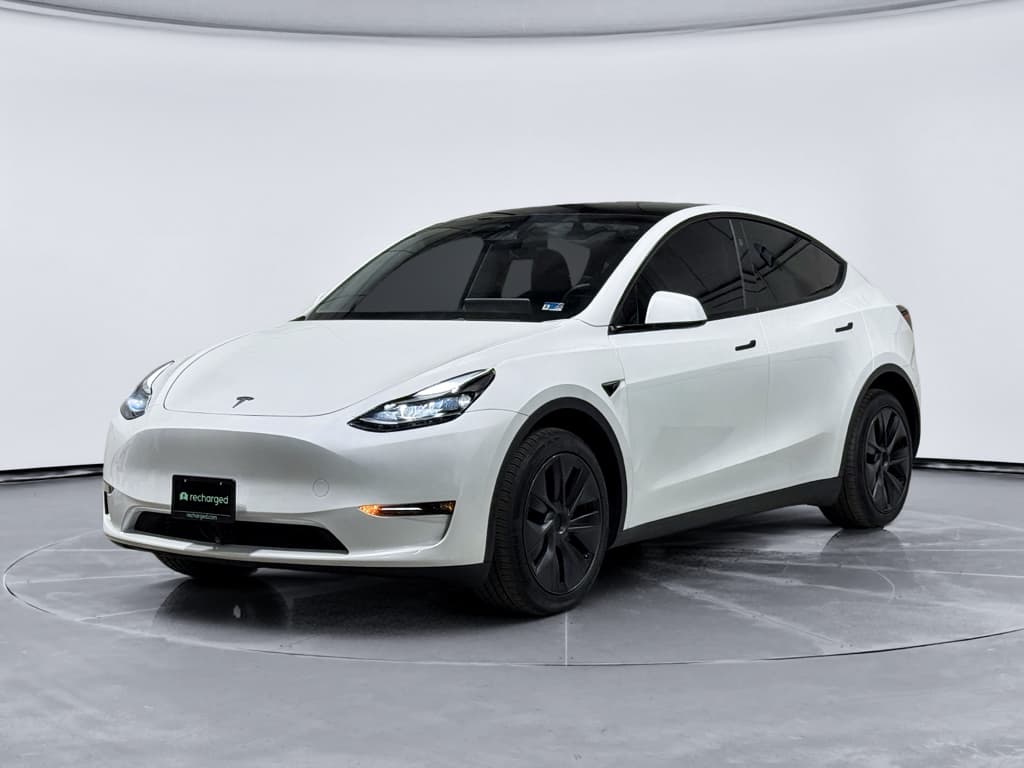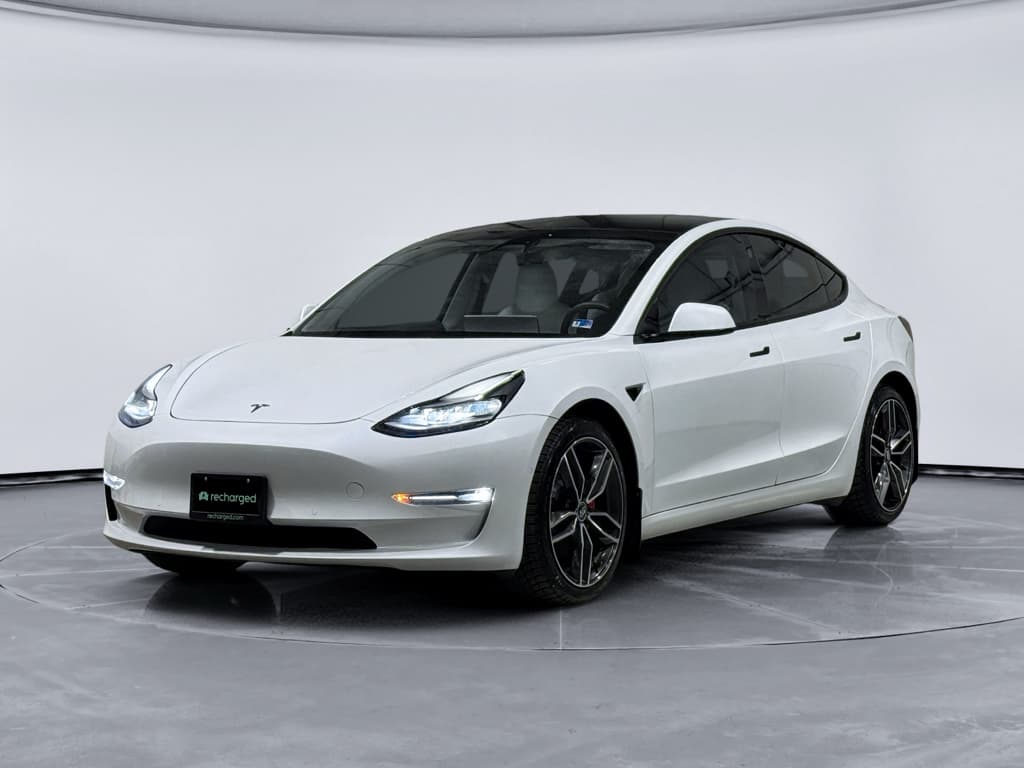
You’re not limited to airport counters and neon-lit rental lots anymore. A growing number of dealerships that rent vehicles will hand you the keys to the exact model you’re curious about, sometimes for days at a time, sometimes as part of a service visit, and increasingly as a way to sell you your next car or EV.
The big idea
Why some dealerships rent vehicles at all
Traditional rental companies make money on daily rates and add-ons. Dealerships rent vehicles for three slightly different reasons: to support service customers, to generate sales leads, and to keep inventory moving. Understanding that motive helps you negotiate and choose the right option.
What’s driving dealer-based rentals in 2025
Think like a dealer
Four ways dealers put you in a car: rentals, loaners, demos, subscriptions
1. True dealer rentals
Some brands and local dealers run a bona fide rental operation: daily rates, insurance options, and a choice of models. Programs like Rent a Toyota, for example, let participating dealers rent out current-model Toyotas for business travel, weekend trips, or “try before you buy” sessions. You’ll typically see clear daily pricing, mileage limits, and insurance requirements, very similar to a traditional rental counter, just inside a dealership.
2. Service loaners & courtesy cars
Loaners aren’t technically rentals, but they feel like one from your perspective: the dealer gives you a car while yours sits in the service bay. Luxury brands do this routinely; mainstream brands offer it selectively or only when a repair is warranty-related. You usually don’t pay a daily fee, but you may be responsible for fuel, tolls, and any damage. These vehicles are often lightly used and later sold as “service loaner” or “courtesy” vehicles on the lot.
3. Demo cars & extended test drives
Demo vehicles are used for test drives and events. Increasingly, dealers will let you take one home for a full day or weekend if you’re a serious prospect, especially for high-consideration purchases like EVs. Sometimes it’s free, sometimes they’ll structure it as a low-cost rental so insurance and liability are crystal clear.
4. Dealer-linked subscriptions & long-term rentals
In a few markets, you’ll see subscription-style programs and long-term rentals tied to dealerships or brand partners: think a month-to-month Tesla or other EV through a specialist provider. These blur the line between leasing and renting, higher flexibility than a lease, more structure than a weekend rental. They’re especially popular with urban drivers and temporary residents who want an EV without a multi-year commitment.
Rental or just a favor?
Major brands and dealerships that rent vehicles
Dealer-based rentals used to be a niche play. Now, as EV incentives shift and inventories fluctuate, more manufacturers and dealer groups are experimenting with letting you live with the car before you buy it.
Examples of dealerships that rent vehicles
Programs change quickly, so always confirm details with your local store.
Toyota & Nissan dealer rentals
Brands like Toyota and Nissan have long offered dealer-based rental programs through participating dealerships. Toyota’s “Rent a Toyota” program, for example, uses only current-model cars and pitches rentals as business travel solutions, service backups, and try-before-you-buy test drives. You book directly through a local dealer, not an airport counter.
Tesla store rentals & extended drives
To fight softening EV demand, Tesla has begun offering short-term rentals and extended test drives through select stores, starting in California and expanding from there. The idea is simple: get you into a Model 3, Model Y, or even a Cybertruck for several days, often with Supercharging included, and then credit part of your rental if you decide to buy.
EV-focused partners & local dealers
Independent EV rental and subscription companies often partner with local dealers or use dealer trade-ins as inventory. You’ll see this with Tesla-heavy fleets in major U.S. cities and with smaller regional outfits that station EVs at or near dealer lots. The line between “dealer rental” and “EV rental company” can be blurry; what matters is who’s responsible for service, insurance, and support while you have the car.
Expect regional quirks
Dealer rentals vs traditional rental companies vs peer-to-peer
So why bother with a dealership that rents vehicles when the airport is full of compact sedans with removable key tags? Because you might care more about the specific vehicle than the generic category. That’s where dealers shine, and sometimes where they stumble.
How different rental options stack up
Use this to decide whether a dealer rental, traditional rental, or peer-to-peer platform actually makes sense for your situation.
| Factor | Dealership rental | Traditional rental company | Peer-to-peer platforms |
|---|---|---|---|
| Model you get | High chance of exact make/model you want, especially with brand programs | You reserve a class, not a specific car; EV selection may be limited | Can search by exact model, trim, even color |
| Pricing | Can be competitive; sometimes cheaper mid-week, but varies wildly by dealer | Highly optimized pricing; often cheapest at airports off-peak, higher during holidays | Wide range; hosts set prices; cleaning/usage fees can add up |
| Insurance | May rely heavily on your personal policy; add-on coverage varies | Well-trodden insurance options at the counter or online | Platform sells its own coverage; your insurer may have specific rules |
| Mileage limits | Often generous or unlimited locally, but may restrict out-of-state travel | Common to have unlimited mileage on standard rentals | Strict mileage caps are common; overage fees can be steep |
| Vehicle age | Usually current-model-year or lightly used service loaners | Fleet can range from new to several years old | Varies from very new to quite old, depending on host |
| Primary purpose | Sell you a car or keep you mobile during service | Make money purely on rentals | Side income for private owners; some semi-pro hosts |
Dealer rentals tend to win when you want a specific model or a long, realistic test drive.
Match the tool to the job

Using a rental as a real-world test drive (especially for EVs)
A standard 10‑minute test loop around the block tells you almost nothing about how a car fits your life. A weekend in the same vehicle, or a week in an EV, can answer questions no salesperson can touch: how it charges in your neighborhood, how your kids climb into the back seat, whether the driver’s seat leaves your back aching on hour three of I‑95.
- Treat a dealer rental like a dress rehearsal for ownership: park it where you normally park, run your real commute, do the Costco run.
- For EVs, test your local charging reality, not the ideal one on a slide deck. Can you charge at home? How crowded are nearby fast chargers on Friday night?
- Try the tech at full blast: adaptive cruise, lane centering, phone-as-key apps, all the gizmos you’ll either love or resent over the next five years.
Smart move for used-EV shoppers
Costs, requirements, and fine print to watch for
Dealer rentals look friendly on the surface, familiar showroom, fresh coffee, big smiles, but the contract underneath can be just as strict as an airport rental, sometimes more so. This is where you slow down and put your lawyer hat on for five minutes.
Key details to nail down before you drive away
1. Daily rate and total estimate
Ask for the base daily rate, taxes, and all fees up front. Some dealer rentals are genuinely cheaper than big-brand counters; others quietly tack on “facility” or “documentation” fees because, well, they can.
2. Mileage limits and geography
Clarify whether mileage is unlimited and where you can go. Many dealer-based programs allow generous mileage but limit you to in-state travel. Crossing a state line without permission can void coverage.
3. Insurance coverage
Confirm whether your existing auto policy covers a dealer rental the same way it covers a standard rental car, and what the deductible is. If you don’t have your own policy, you may need to buy the dealer’s coverage or walk away.
4. Fuel or charging expectations
Gas cars usually must return full. EVs are more varied: some dealers require a minimum charge level, others will bill a flat “charging fee,” and a few don’t care as long as you’re on time.
5. Damage, wear, and cleaning
Dealers can be particular about wheel scuffs, windshield chips, and interior mess, especially on new models and EVs they plan to sell as “like new.” Get a clear walk-around report and take your own photos before and after.
6. Credits if you decide to buy
If this is a try-before-you-buy situation, ask whether any part of your rental can be credited toward the purchase or lease. Some dealers will happily apply a day or two of rental fees to close a deal.
Don’t assume you’re covered
Where EVs fit in, and how Recharged helps if you fall in love with the car
EVs complicate and enrich the whole conversation around dealerships that rent vehicles. On one hand, an electric car is easier to live with than many people expect: quiet, quick, and cheap to “fuel.” On the other, it’s unforgiving if you misjudge charging access. That’s why more dealers and EV-focused rental services are using rentals and subscriptions as a kind of extended reality check.
How to use an EV rental wisely
- Spend a full day running your normal routine: commute, school runs, errands, evening plans. Watch how often you actually think about the battery.
- Try home charging if you can, even on a regular 120V outlet. The experience of plugging in at night and leaving with a “full tank” in the morning is the EV hook no spec sheet can explain.
- Hit at least one fast charger so you know how payment, cables, and charge speeds feel in real life, not just in marketing photos.
Where Recharged comes in
If the rental convinces you that an EV belongs in your driveway, you don’t have to buy the very car you rented, or pay new-car prices. Recharged specializes in used EVs, each with a Recharged Score Report that verifies battery health, fair pricing, and history. You can:
- Compare multiple used EVs online without haggling in a showroom.
- Trade in your current vehicle or get an instant offer.
- Finance your purchase and arrange nationwide delivery.
- Lean on EV specialists who live and breathe this stuff, instead of a generalist sales desk.
The net effect: use dealer or third-party rentals to test the EV idea, then buy the right used electric car with transparent data instead of guesswork.
Checklist: When a dealership rental actually makes sense
You don’t need a dealer rental for every business trip or beach weekend. But there are moments when it’s exactly the right tool.
Use this quick gut-check before you book
You care about the exact model, not just “a midsize car.”
If you’re evaluating a Toyota RAV4 Hybrid, a Tesla Model Y, or a specific EV, renting that model from a dealer beats gambling on an “or similar” at a traditional counter.
You’re seriously considering buying within the next few months.
Dealers are far more flexible with rentals, extended test drives, and purchase credits if they see a real sale on the horizon.
You want to understand EV life before you commit.
Living with an EV for a week will answer more questions about charging, noise, ride quality, and family fit than hours of online research.
You need a service backup and like-for-like replacement.
If your own car is in the shop, renting the same model or something very close from the dealer keeps your routine unchanged.
You prefer familiar local support over an anonymous rental counter.
A dealership you already service with will often go the extra mile on explanations, minor issues, and scheduling compared with a distant call center.
You’re flexible on price in exchange for the right car.
Dealer rentals are sometimes a bit pricier; the trade-off is specificity and the possibility of applying some cost toward a future purchase.
Frequently asked questions about dealerships that rent vehicles
Your questions about dealership rentals, answered
Dealerships that rent vehicles sit at an interesting intersection of service, sales, and experimentation. They’re not replacing traditional rental agencies, and they’re not meant to. What they offer is something narrower but more valuable: the chance to live with a specific car, or a whole new propulsion technology like an EV, on your own terms. Use them strategically, ask hard questions about insurance and costs, and if the experience wins you over, let a data-driven used marketplace like Recharged help you find the right car to keep long after you’ve returned the keys.