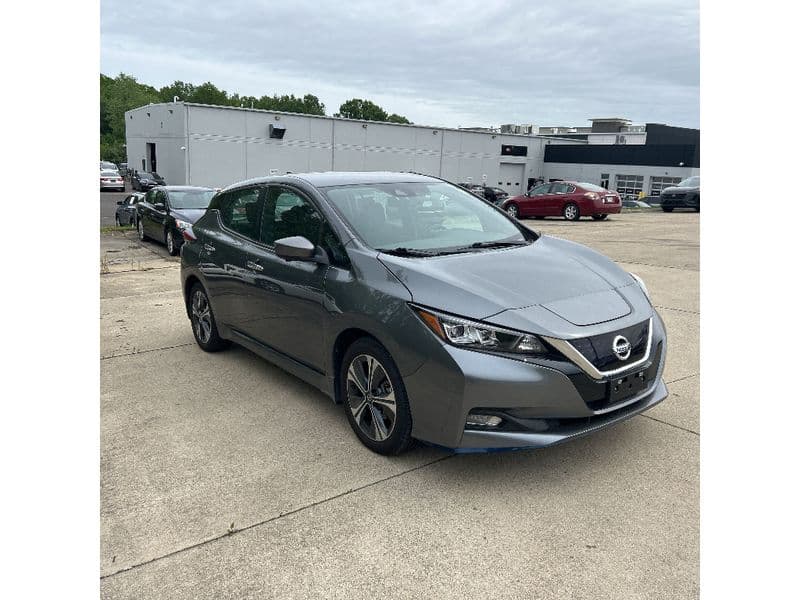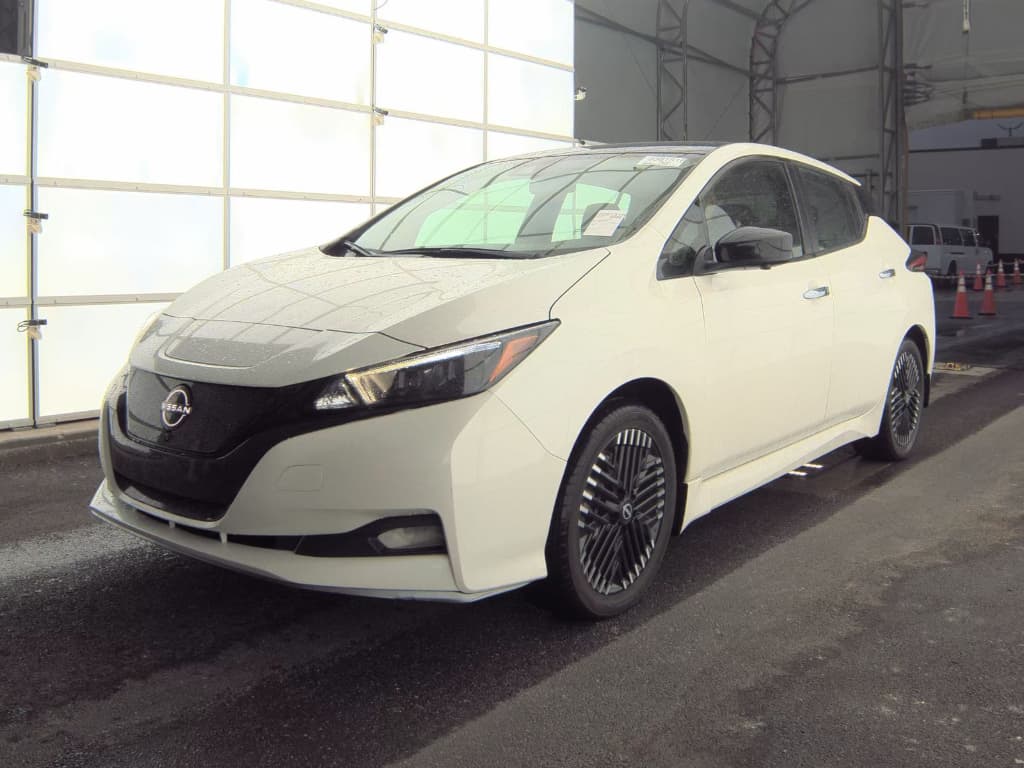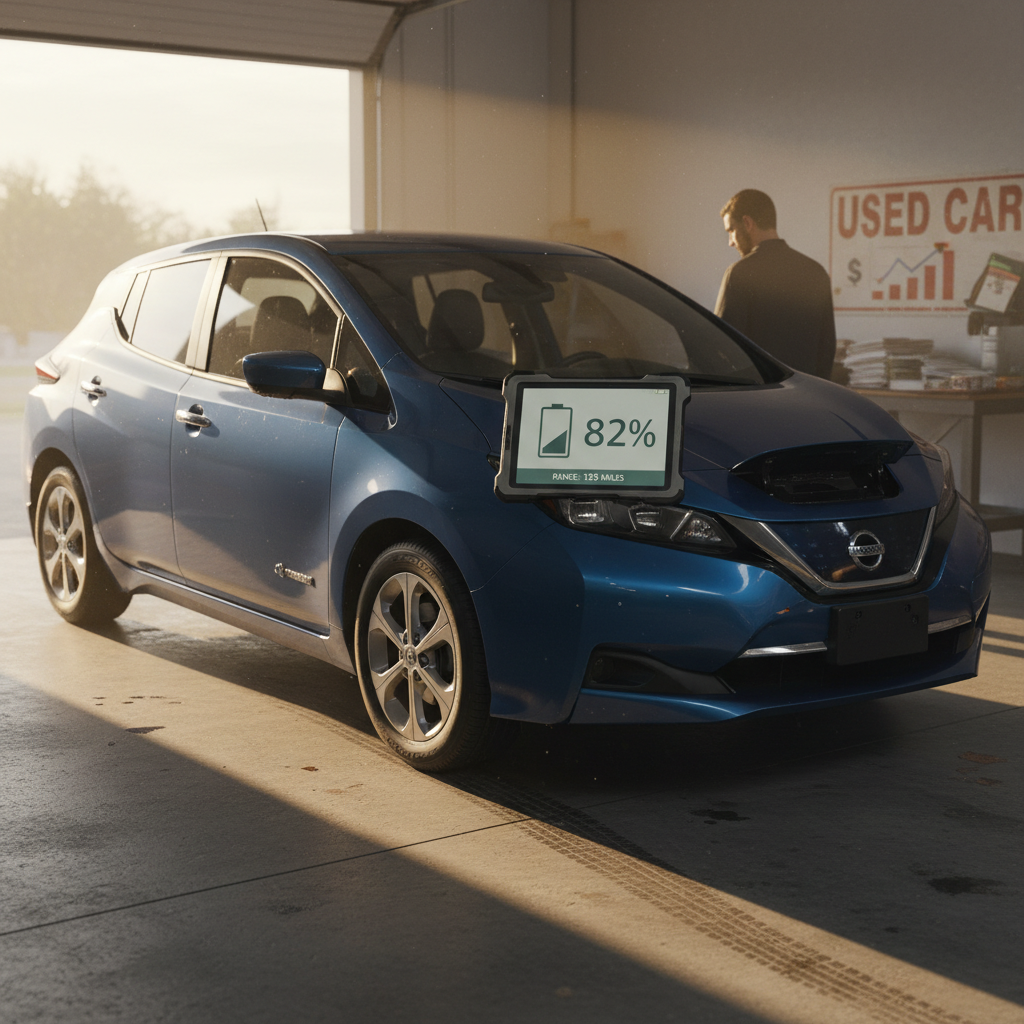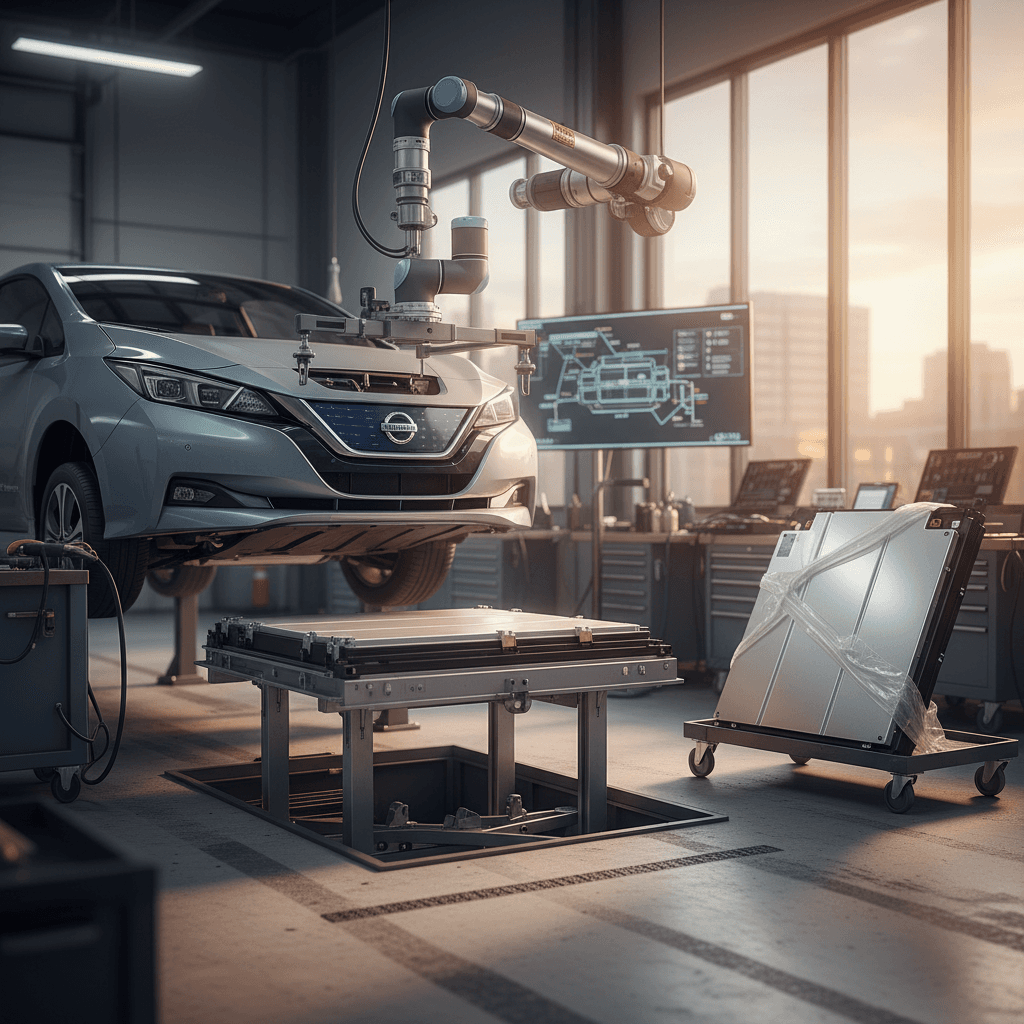
If you own a Nissan Leaf, sooner or later you’ll wonder about the cost to replace the Leaf battery, or you might be staring at a reduced range right now and trying to decide if it’s worth the money. In 2025, replacement battery jobs can run anywhere from around $3,000 to well over $15,000, depending on the pack size, whether it’s new or used, and who does the work. This guide walks you through real‑world price ranges, what drives the cost, and how to decide whether to replace the battery or move into a different EV.
Quick answer: what most owners actually pay
Leaf battery replacement cost overview (2025)
Typical 2025 Leaf battery replacement cost ranges
Nissan has used several battery sizes in the Leaf over the years, 24 kWh, 30 kWh, 40 kWh, 60/62 kWh, and larger packs in the new generation. As of late 2025, most replacement pack prices for common U.S. models fall into these buckets:
- Budget used 24 kWh pack (early Leafs): roughly $2,000–$5,000 installed when you can find healthy salvage units.
- Used or refurbished 30–40 kWh packs: commonly in the $3,500–$9,000 installed range, depending on health and warranty.
- High‑capacity 60/62 kWh packs or new aftermarket upgrades: frequently $10,000–$18,000+ installed, especially with multi‑year warranties.
- Dealer‑installed new OEM packs (when available): typically $8,000–$15,000+ out of warranty once parts, labor, and fees are included.
Sticker shock is normal
Typical price ranges by Leaf battery type
Exact pricing always depends on parts availability and who’s doing the work, but you can use these pack‑size ranges as a starting point when budgeting the cost to replace a Leaf battery. These figures assume U.S. pricing in late 2025 and are meant as ballparks, not quotes.
Estimated 2025 Leaf battery replacement cost by pack size (U.S.)
Approximate all‑in price ranges for common Nissan Leaf battery sizes, including parts and labor, using typical independent‑shop and third‑party pricing.
| Leaf battery size & model years (typical) | Common replacement solution | Approx. parts cost | Approx. labor cost | Typical installed total |
|---|---|---|---|---|
| 24 kWh (2011–2015, some 2016–2017) | Used or refurbished 24 kWh pack | $1,500–$4,000 | $500–$1,000 | $2,000–$5,000 |
| 30 kWh (2016–2017) | Used/refurb 30 kWh, sometimes 40 kWh upgrade | $3,000–$7,000 | $500–$1,000 | $3,500–$8,000 |
| 40 kWh (2018–present base) | Used 40 kWh or new/aftermarket 40 kWh | $4,000–$9,000+ | $500–$1,500 | $4,500–$10,500+ |
| 60/62 kWh (Leaf Plus) | Used 62 kWh, high‑capacity aftermarket, or OEM | $7,000–$15,000+ | $700–$1,500 | $8,000–$16,000+ |
| Custom upgrades (e.g., 54 kWh or 62 kWh into older Leaf) | Aftermarket pack + integration hardware | $4,500–$12,000+ | $800–$1,800 | $6,000–$18,000+ |
Early 24 kWh cars are cheapest to keep on the road; larger packs deliver more range but cost more to replace.
How to use these numbers
Parts vs. labor: what makes up the bill
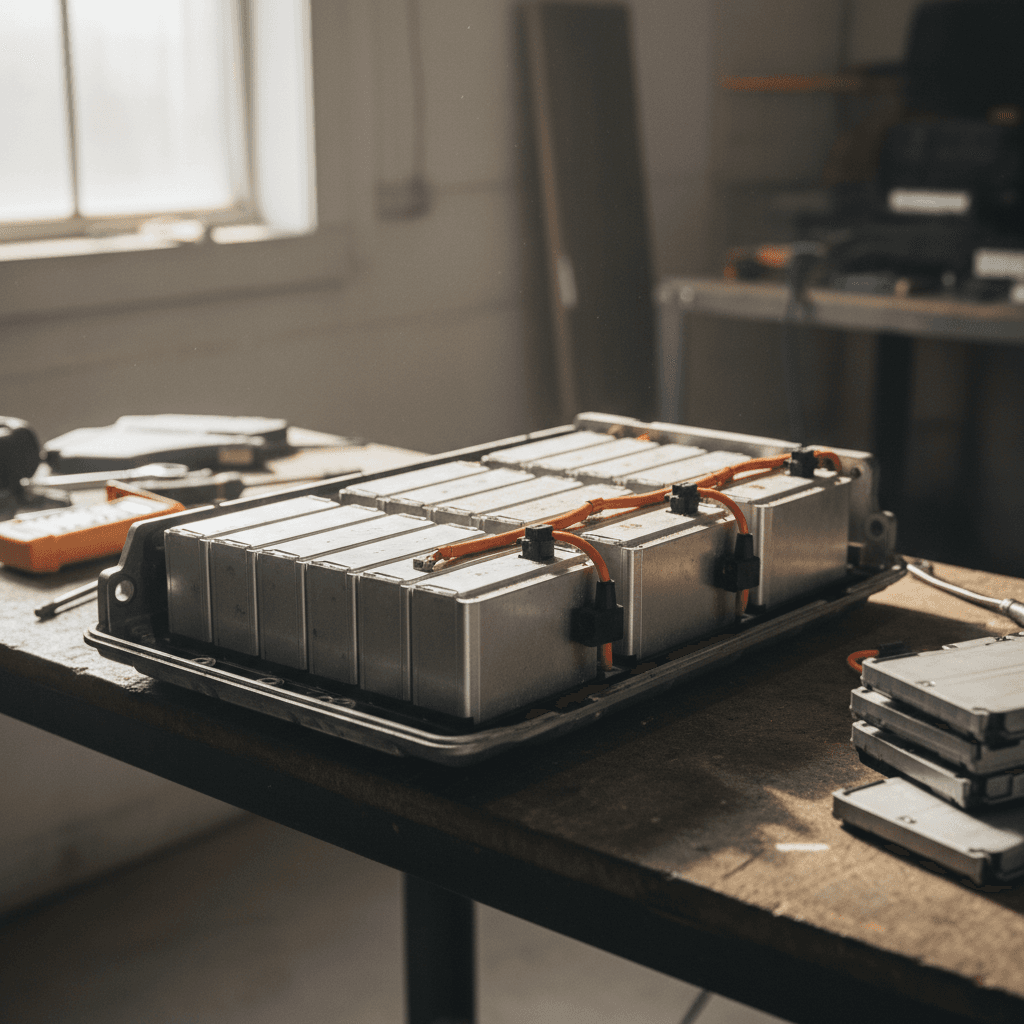
With Leaf battery work, parts dominate the cost. The pack is essentially the car’s fuel tank and engine rolled into one, and it’s packed with expensive lithium‑ion cells and control electronics. Labor still matters, though, and you’ll see meaningful differences between a Nissan dealer and an independent EV specialist.
What you’re really paying for
Breaking down a typical Nissan Leaf battery replacement invoice.
1. Battery pack & electronics
This is almost always the biggest line item.
- New OEM pack: usually the most expensive, but with the best warranty.
- Used or refurbished pack: lower price, but quality and warranty vary.
- Aftermarket pack: can offer more range or capacity than stock.
2. Labor, shop supplies, & programming
Most Leaf pack swaps run about 5–7 hours of labor.
- Typical shop rate: $100–$150 per hour.
- Lift time, safety procedures, and high‑voltage handling are built in.
- Software updates, module pairing, and test drives are often extra.
On a basic 24 kWh swap, it’s not unusual for 80–85% of your total bill to be the battery itself. On higher‑capacity conversions, the pack and integration hardware (like CAN bridges and harness adapters) can account for 90% or more of the cost.
High‑voltage safety is non‑negotiable
OEM, used, refurbished and aftermarket options
When you start calling around, you’ll quickly learn there isn’t just one "Leaf battery." You’ll likely be choosing between new OEM, used, refurbished, or aftermarket upgrade packs. Each approach has a different cost profile and risk level.
New OEM Nissan pack
- Usually sourced through a Nissan dealer.
- Best fit and finish, and often the cleanest integration.
- Pairs well with remaining factory warranty coverage.
- Downside: typically the most expensive route, often $8,000–$14,000+ installed, depending on capacity and availability.
Used or refurbished pack
- Sourced from salvage Leafs or specialty rebuilders.
- Can cut the parts bill dramatically, especially on older 24 kWh cars.
- Expect shorter warranties, anywhere from 30–90 days to 1–3 years.
- Key variable: State of Health (SOH). A cheaper battery with poor SOH is no bargain.
Aftermarket & upgrade packs
- Some independent shops offer 40+ kWh or 54+ kWh upgrade packs for older Leafs.
- These can double your real‑world range versus the original 24 kWh pack.
- Typical installed cost can run $10,000–$18,000+, but you end up with a uniquely useful car.
- Warranty terms vary widely; look for at least 3 years of coverage on new‑cell packs.
Module‑level repairs
- In a few cases, shops can replace individual weak modules instead of the whole pack.
- Costs are lower, but this approach is uncommon and may only buy you a few extra years.
- Best for isolated defects, not general age‑related degradation.
- Always ask whether module work will void any remaining pack warranty.
Match the solution to the car
When your Leaf battery is covered under warranty
Before you spend a penny on a new pack, you’ll want to understand what Nissan’s battery warranty does, and doesn’t, cover. For most Leafs sold in the U.S. over the last decade, the lithium‑ion battery has an 8‑year / 100,000‑mile limited warranty (whichever comes first). Coverage details vary slightly by model year, but two concepts matter most:
- Defect coverage: protects against manufacturing defects that cause the pack to fail outright or create safety issues. If your Leaf is recalled for a battery issue or a pack fails prematurely, this is the coverage Nissan leans on.
- Capacity warranty: on many model years, Nissan covers the pack if it drops below a certain number of capacity bars (often 9 out of 12) on the dash within the warranty period. That’s Nissan’s way of defining "excessive" degradation.
Steps to check your warranty status
If your Leaf is within 8 years and 100,000 miles and shows significant capacity loss, a dealer inspection is the first stop. In some cases, owners have had full or partial pack replacements covered under warranty or recall campaigns, especially on newer 40 kWh and 60/62 kWh packs tied to thermal or charging issues.
Warranty fine print matters
Replace the Leaf battery or buy a different EV?
This is the hard question. From a pure dollars‑and‑cents standpoint, spending $8,000–$15,000 on a battery for a car that might only be worth $6,000–$10,000 on the open market is tough to justify. But that doesn’t automatically mean replacing the battery is a bad idea. It depends on your use case, budget, and what else you could drive for the same money.
When replacing the Leaf battery can make sense
- Your Leaf is otherwise in excellent condition (no rust, clean history, low miles).
- You love the car and it fits your daily driving pattern perfectly.
- You can get a high‑quality pack with a meaningful warranty.
- Even after the repair, your total cost is lower than buying a comparable newer EV.
When it’s smarter to move into another EV
- The car has other expensive issues (air‑conditioning, crash history, electronics).
- You’d like more range, faster charging, or more modern safety tech.
- The repair quote approaches the price of a newer used EV with a healthy pack.
- You can finance a replacement EV on favorable terms rather than paying cash for a big repair.
Run the numbers like a dealer would
If your current Leaf no longer fits your needs, it’s worth considering a used EV with documented battery health instead of pouring money into a car you’ve outgrown. Through Recharged, you can trade in or sell your Leaf, then step into a later‑model EV, Leaf or otherwise, with a verified pack and simple, transparent financing.
How long Leaf batteries last, and what shortens their life
In general, Leaf batteries from the last decade tend to offer 8–10 years of usable life before owners start seriously thinking about replacement. Some packs go longer, others shorter. The biggest variables are climate, charging habits, and how much the car is driven.
Key factors that affect Leaf battery life
Some you can control, some you can’t, but all affect replacement timing.
Heat
Leaf packs don’t have active liquid cooling. Living in a hot climate and parking outside accelerates degradation. A Leaf in Phoenix will almost always lose capacity faster than one in Seattle.
Fast charging
Frequent DC fast charging (Level 3) adds heat and chemical stress. Occasional road‑trip use is fine; relying on it daily can shorten battery life.
Mileage & cycles
Every full charge–discharge cycle adds wear. The more miles you drive and the deeper you run the pack down, the more capacity you’ll lose over time.
- Keeping the pack between roughly 20% and 80% charge day‑to‑day (when practical) tends to be easier on the cells.
- Charging mostly at Level 1 or Level 2 for commuting, and saving DC fast charging for trips, reduces heat stress.
- Parking in a garage or shade helps more than most people realize, especially in hot climates.
Newer Leafs are getting better
Key questions to ask before approving a battery job
Ask these questions before you sign
1. What is the battery’s State of Health (SOH)?
If the pack is used or refurbished, ask for a documented SOH percentage and how it was measured. A "cheap" pack at 75% SOH may not be a good value.
2. Is this pack new, used, refurbished, or aftermarket?
Get clear language on exactly what you’re buying and whether the cells are new, repackaged, or salvaged.
3. What warranty comes with the battery and the labor?
Look for written terms on years, mileage, and what’s covered. Ask how warranty claims are handled if the shop or vendor closes or moves.
4. How long will the car be down, and is a loaner available?
Some shops can complete a swap in a day; others may need to order parts or ship packs in from out of state.
5. Will this repair affect my existing Nissan warranty or recalls?
If your car is still within the factory battery warranty window, ask the dealer to document whether third‑party work would affect future coverage.
6. What is my car worth today, and with a new battery?
Get trade‑in or cash‑offer numbers both ways. At <strong>Recharged</strong>, we help shoppers compare repairing their current EV versus trading into a vetted used EV with a strong battery report.
FAQ: Nissan Leaf battery replacement cost
Frequently asked questions about Leaf battery costs
Bottom line: making a smart Leaf battery decision
By 2025, the cost to replace a Leaf battery has settled into a wide but predictable range: several thousand dollars for a modest used pack, all the way up to five figures for new or high‑capacity upgrades. Whether that spend makes sense depends on your Leaf’s age, condition, and how much you like the car. For some owners, a fresh pack turns an aging Leaf into a fantastic low‑cost commuter for years to come; for others, it’s a sign that it’s time to move on.
If you’re wrestling with the decision, start by collecting real quotes from reputable shops and a realistic valuation of your current car. Then compare that to the cost of stepping into a used EV with verified battery health. At Recharged, we make that comparison straightforward: you can get an instant offer or trade‑in value for your Leaf, review detailed battery reports on every vehicle we sell, and even line up financing before you decide. Whichever route you take, new battery or new‑to‑you EV, you’ll be doing it with eyes wide open.