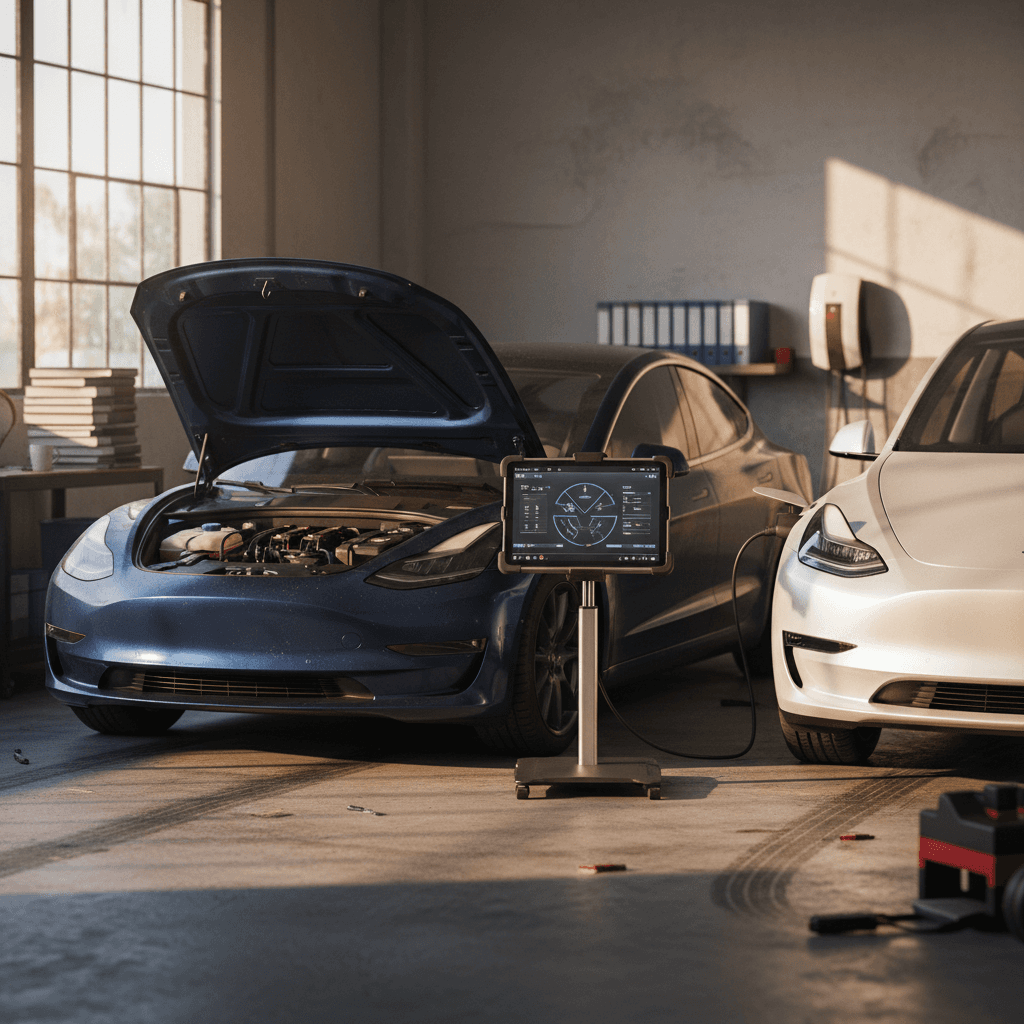
When people ask about the cost to maintain a Tesla, what they really want to know is simple: “Is this going to be cheaper to live with than a gas car, or more expensive?” The short answer: routine maintenance is usually lower, surprise repairs can be higher, and whether you buy new or used matters a lot.
Key takeaway up front
Why Tesla Maintenance Costs Look So Different
Let’s start with why Teslas don’t behave like the cars you grew up with. Electric vehicles have far fewer moving parts than an internal combustion car. There’s no engine oil, spark plugs, timing belt, exhaust system, or multi‑gear transmission to service. Instead, you’re caring for a battery pack, an electric motor, software, and the same wear‑items every car has: tires, brakes, suspension, fluid for the brakes and windshield washers.
Tesla Maintenance at a Glance (2025)
The flip side
Typical Tesla Maintenance Costs by Model
Nobody drives in laboratory conditions, so your actual numbers will vary. But Tesla and independent cost‑of‑ownership studies give us a useful ballpark for what different models cost to maintain each year.
Estimated Annual Tesla Maintenance Costs (U.S., 2025)
Approximate yearly maintenance spend for newer Teslas under warranty, excluding insurance, charging, and depreciation.
| Model | Typical annual maintenance | Notes |
|---|---|---|
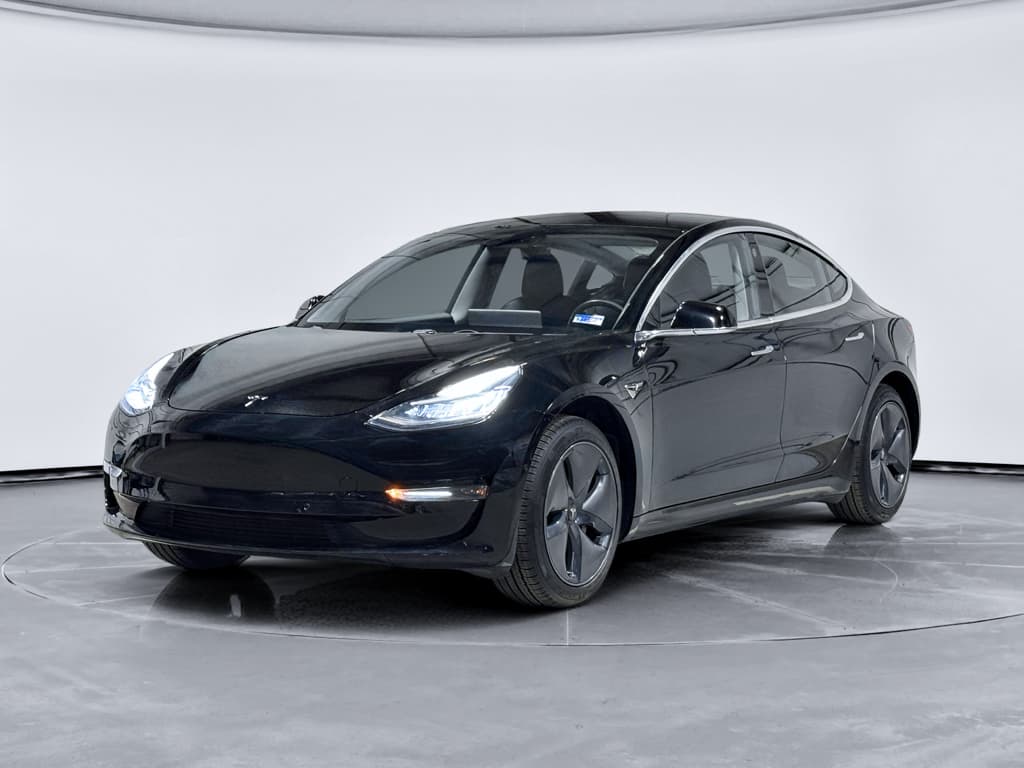
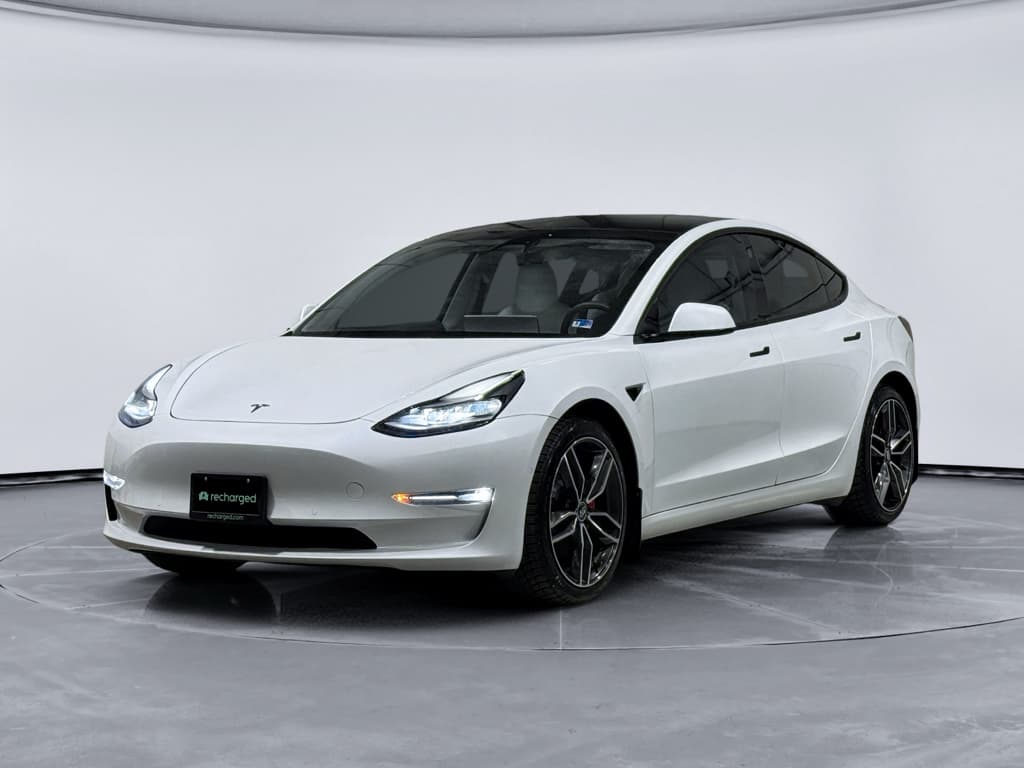
| Model 3 | $250 – $500 | Least expensive to maintain; smaller, lighter car with common tire sizes. |
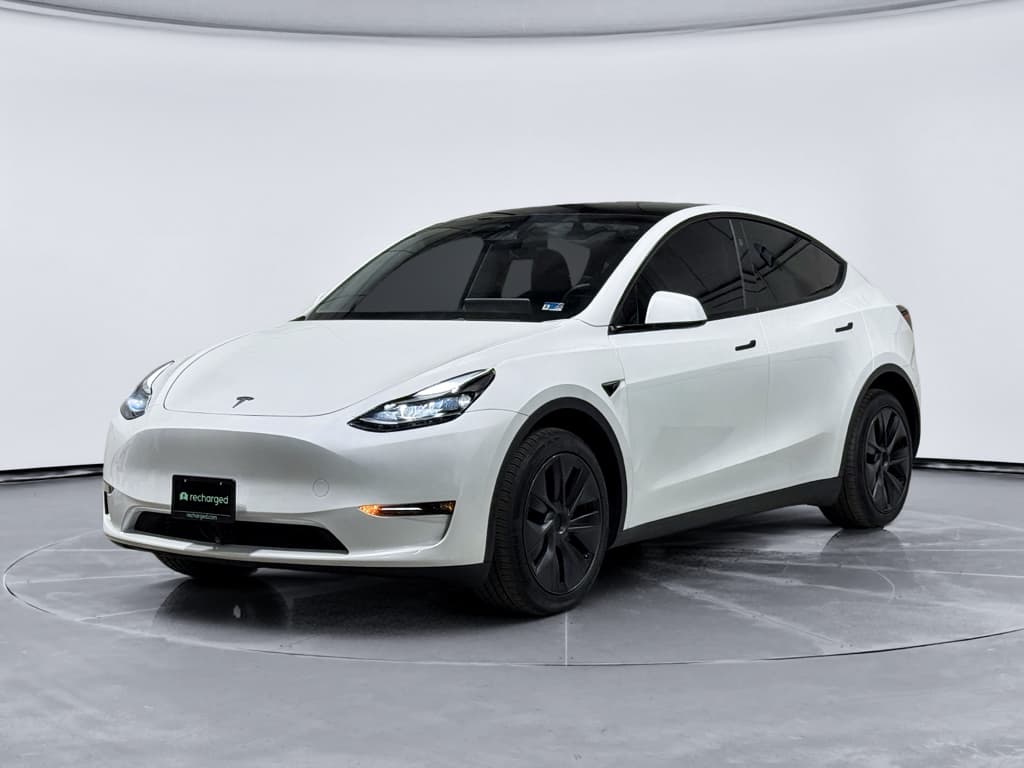
| Model Y | $300 – $650 | SUV stance and weight mean more tire wear; otherwise similar to Model 3. |
| Model S | $350 – $600 | Larger wheels and more complex suspension can inch costs upward. |
| Model X | $400 – $700 | Heaviest in the lineup; doors, air suspension and large tires can add cost. |
These are broad averages, not quotes, your driving style, climate, and tire choices will move you up or down the range.
What’s included in these estimates?
What Maintenance Does a Tesla Actually Need?
Open a Tesla owner’s manual and you won’t see a long checklist of 30‑, 60‑, and 90‑thousand‑mile services. Tesla recommends a handful of recurring items, plus “as‑needed” inspections. For most owners, that means an annual or semi‑annual visit, often just for tires.
- Tire rotation and balancing: roughly every 6,250 miles on many models, or based on tread wear. Budget $60–$150 per rotation if you’re not using a bundle or doing it yourself.
- New tires: sportier 19–21" wheel packages and the instant torque of an EV chew through rubber faster than you may be used to. A full set can run $800–$1,600+ depending on size and brand.
- Brake service: regenerative braking means pads and rotors last a long time, but Tesla recommends cleaning and lubricating calipers annually in regions where roads are heavily salted in winter.
- Brake fluid check: Tesla typically recommends a brake fluid health check about every 4 years, with replacement only if needed.
- Cabin air filters: every ~2 years on Model 3 and Y, about every 3 years on S and X. Expect $75–$200 at a service center, less if you DIY.
- Wiper blades and washer fluid: roughly yearly, more often in harsh climates.
- A/C desiccant bag (on some older cars): Tesla calls for replacement on certain early Model 3 and other vehicles after several years to protect the air‑conditioning system.
Use the car to tell you what it needs
Big-Ticket Repairs and How Warranties Help
Routine maintenance keeps you in the low‑hundreds‑per‑year camp. The bigger financial question is what happens if something major fails, or you buy a Tesla that’s already out of warranty.
How Tesla Warranties Protect You
Understanding coverage is crucial to predicting your long‑term maintenance risk.
Basic vehicle warranty
New Teslas come with a 4‑year / 50,000‑mile basic warranty that covers most non‑wear components inside and out.
Battery & drive unit
Coverage is typically 8 years with a mileage cap (100,000–150,000 miles depending on model) and a guarantee that the battery will retain at least 70% of its original capacity during that period.
Pre‑owned coverage
Teslas bought pre‑owned from Tesla may carry a shorter additional warranty on top of whatever’s left of the original battery and drive unit coverage.
Why this matters for costs
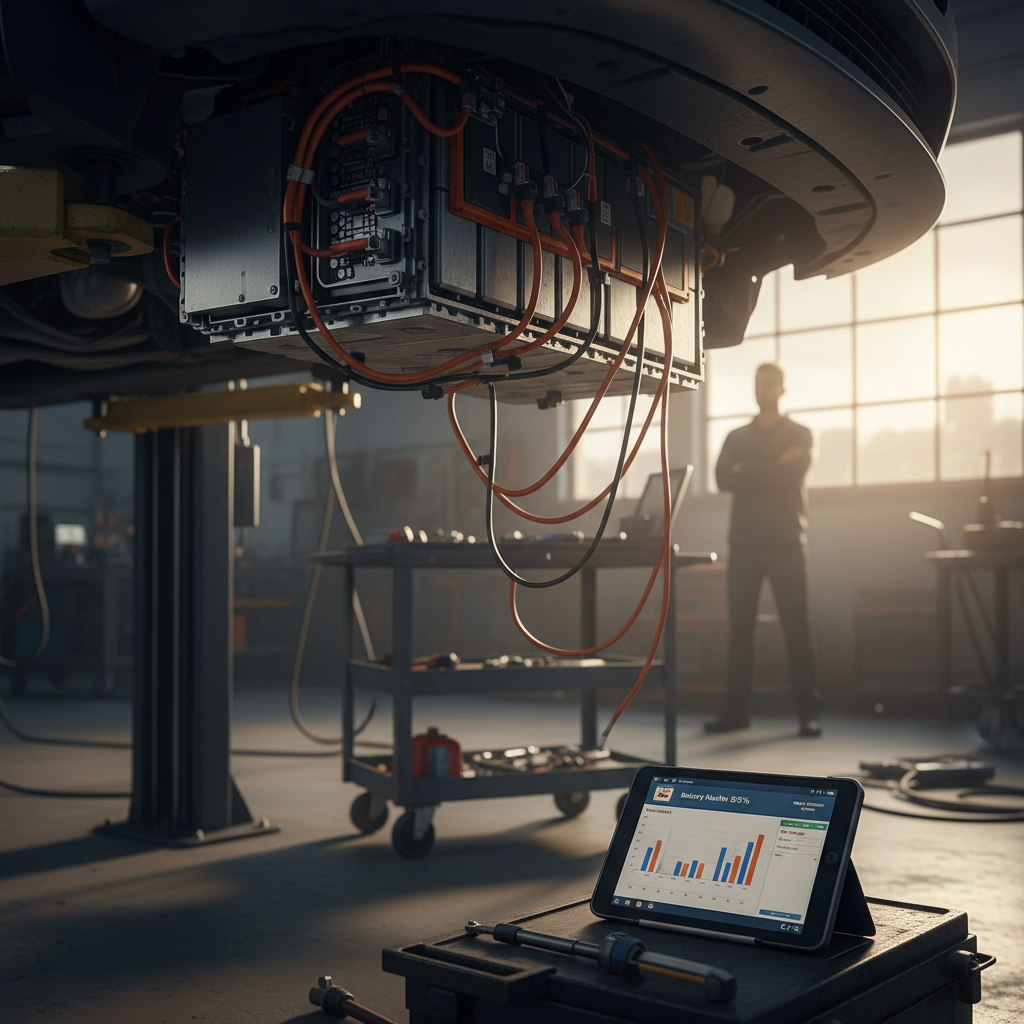
This is where a marketplace like Recharged changes the conversation. Every used EV on the platform comes with a Recharged Score battery health report, so you can see how the pack has actually aged before you buy, rather than crossing your fingers that the gauge cluster is telling the whole story.
Tesla vs Gas Car: Maintenance Cost Comparison
Even in 2025, the old myth persists that electric cars are more expensive to own. The truth is more nuanced: Teslas often have higher insurance and faster depreciation, but lower fuel and maintenance costs. Let’s isolate the maintenance piece.
Tesla (EV)
- No oil changes, spark plugs, or timing belts.
- Fewer fluids and moving parts to service.
- Regenerative braking stretches pad and rotor life.
- Software updates fix many issues without a shop visit.
- Higher parts and labor costs at specialized body shops after a crash.
Comparable gas car
- Oil and filter changes every 5,000–10,000 miles.
- Transmission service, coolant flushes, plugs and coils over time.
- More frequent brake jobs with no regenerative assist.
- More independent shops competing on price.
- Major engine or transmission repair possible as the car ages.
Where Teslas win clearly
How Mileage and Driving Style Change Your Costs
Mileage and driving style are the quiet villains in any maintenance budget. A Model 3 that shuttles kids to school at 25 mph lives a very different life from a Model Y that hammers along the interstate at 80 in all‑weather tires.
How Your Habits Affect Tesla Maintenance
1. Highway vs city driving
High highway mileage piles on tire wear but is easy on brakes. Stop‑and‑go driving uses regenerative braking heavily, which can actually extend pad life as long as you’re not constantly panic‑stopping.
2. Wheel size and tire choice
Those gorgeous 20–21" wheels usually come with softer, low‑profile tires that wear faster and cost more to replace. Smaller wheels with touring tires can significantly reduce annual tire spend.
3. Climate and road salt
If you live where roads are salted, annual cleaning and lubrication of brake calipers is important to prevent sticking components and premature wear.
4. Driving style
Frequent full‑throttle launches are fun, and they’re not kind to tires or suspension bushings. Gentle acceleration and anticipating traffic lights will keep tread and components alive longer.
5. Mileage per year
At 7,000 miles per year, you might buy tires every 4–5 years. At 20,000 miles per year, expect tire replacement much more often and more frequent alignments.
How a Used Tesla Changes the Cost to Maintain
If you’re looking at total cost of ownership, the most interesting place in the Tesla world right now is the used market. New EVs can depreciate quickly in the first few years, but that curve flattens as they age, while the underlying maintenance story stays relatively gentle if the battery and drivetrain are healthy.
Used Tesla: Maintenance Pros and Cons
Why buying used can actually make the cost to maintain a Tesla more attractive.
Pros of a used Tesla
- Lower purchase price means you’re not paying for the steepest part of depreciation.
- Many 3–5‑year‑old cars still have years of battery warranty left.
- Real‑world reliability issues tend to have been addressed by software updates or prior repairs.
Cons & what to watch for
- Shorter remaining basic warranty coverage, or none at all.
- Unknown battery and charging history if it’s not documented.
- Possibility of past collision damage affecting future repair costs.
This is exactly why Recharged was built around transparency. Every vehicle listed includes a Recharged Score Report that verifies battery health, checks pricing against the market, and gives you EV‑specialist guidance from shortlisting a car to getting it delivered. You’re not just buying a used Tesla, you’re buying one whose long‑term maintenance profile you actually understand.
A Realistic Annual Budget (Plus 5‑Year Example)
Let’s put numbers on the page. Say you’re considering a Tesla Model 3 or Model Y as your primary car, driving about 12,000 miles a year. What should you budget strictly for maintenance, not insurance, charging, or loan payments?
Sample 5‑Year Tesla Maintenance Budget
Illustrative example for a newer Model 3 or Model Y driven ~12,000 miles per year in a typical U.S. climate.
| Item | Frequency | Estimated cost | 5‑year total |
|---|---|---|---|
| Tire rotations | Once a year | $100 | $500 |
| New tires (set of 4) | Every ~3 years | $1,000 | $2,000 |
| Cabin air filters | Every 2 years | $150 | $300 |
| Brake fluid check / service | Once in 5 years | $150 | $150 |
| Wiper blades & misc. | Yearly | $75 | $375 |
| Unexpected minor repairs | As needed | $150 / year | $750 |
| Alignment (if needed) | Every ~2–3 years | $150 | $300 |
These are conservative planning numbers; you may spend less if you baby your tires and avoid potholes.
Add it up and you’re looking at roughly $4,375 over five years, or about $875 per year, with a healthy chunk of that tied up in tires. Many owners will beat that number; some with aggressive driving or expensive wheel packages will exceed it.
How this compares to a gas car
Tips to Keep Your Tesla Maintenance Costs Low
Practical Ways to Spend Less on Tesla Maintenance
1. Choose wheels and tires wisely
If you’re ordering or shopping used, think hard about giant wheel options. Smaller wheels with touring‑style tires are cheaper to buy, last longer, and ride better.
2. Rotate tires on schedule
It’s not glamorous, but it’s the easiest way to extend tire life. Set a reminder around every 6,000–7,000 miles.
3. Use regen, not brakes
Dial in strong regenerative braking and drive smoothly. You’ll save brake pads and keep more energy in the battery instead of turning it into heat.
4. Protect the underbody
Avoid deep standing water and construction debris that can damage the battery pack enclosure. A little caution goes a long way toward avoiding big‑ticket repairs.
5. Mind your software alerts
Don’t ignore warnings on the touchscreen. Many issues are minor, and cheaper, when addressed early.
6. Buy with data, not hope
When you shop used, prioritize vehicles with documented service histories and independent battery health verification, like the Recharged Score, instead of guessing how the car was treated.
When you’re ready to run the numbers
Ready to find your next EV?
Browse VehiclesFAQ: Tesla Maintenance Costs
Frequently Asked Questions About Tesla Maintenance
When you strip away the hype, the cost to maintain a Tesla looks refreshingly ordinary: tires, brakes, filters, the occasional alignment or minor repair. For most owners, those bills come in lower than they’d see with a similar gas car. The real magic, and risk, sits in the battery, the warranty coverage behind it, and the honesty of the seller. Get those right, and owning a Tesla can be not just a cleaner way to drive, but a calmer way to budget.