If you’re considering an electric vehicle, you’ve probably asked the same question everyone else does: what is the real cost of battery replacement and will it blow up the whole savings story? The pack is the most expensive component in an EV, and you’ll see scary screenshots online. But when you look at current 2025 data, warranty rules, and how long packs actually last, a much calmer picture emerges, especially if you’re shopping used with verified battery health.
Key takeaway
Why the cost of battery replacement matters less than you think
The phrase “cost of battery replacement” tends to dominate EV discussions in a way that “engine replacement” never does for gas cars. The difference is visibility: EV batteries are a single line item with a big number, while engines and transmissions are a bunch of smaller risks spread over time. What actually matters is total cost of ownership over 8–15 years, not the theoretical worst‑case repair.
- EV batteries typically last 150,000–300,000 miles, often outliving the first owner.
- New EVs sold in the US must carry long battery warranties (commonly 8 years / 100,000–150,000 miles).
- Many replacements, when they do happen early, are handled under warranty at little or no cost to the driver.
- As the used EV market matures, you can see real battery health data before you buy, rather than guessing.
Think like an investor, not a gambler
Typical EV battery replacement cost in 2025
EV battery replacement cost ranges in 2025
Across reports and invoices collected through 2023–2025, most full EV battery replacements land somewhere between $5,000 and $18,000, with compact EVs at the lower end and large luxury models at the top. In extreme cases, such as heavy trucks or very large luxury packs, costs can exceed $20,000, but those are outliers rather than the norm.
Sticker shock vs. real risk
Cost of battery replacement by vehicle type (with examples)
To make the cost of battery replacement more concrete, let’s group examples by vehicle segment. These are typical 2025 ranges drawn from repair invoices, industry analyses, and shop quotes, not official fixed prices.
Approximate EV battery replacement cost by vehicle type (2025)
Typical out‑of‑warranty replacement ranges, including parts and labor, for common EV segments in 2025. Actual pricing varies by brand, dealer vs. independent shops, and whether parts are new or refurbished.
| Segment / Example | Typical Pack Size | Approx. Replacement Cost | Notes |
|---|---|---|---|
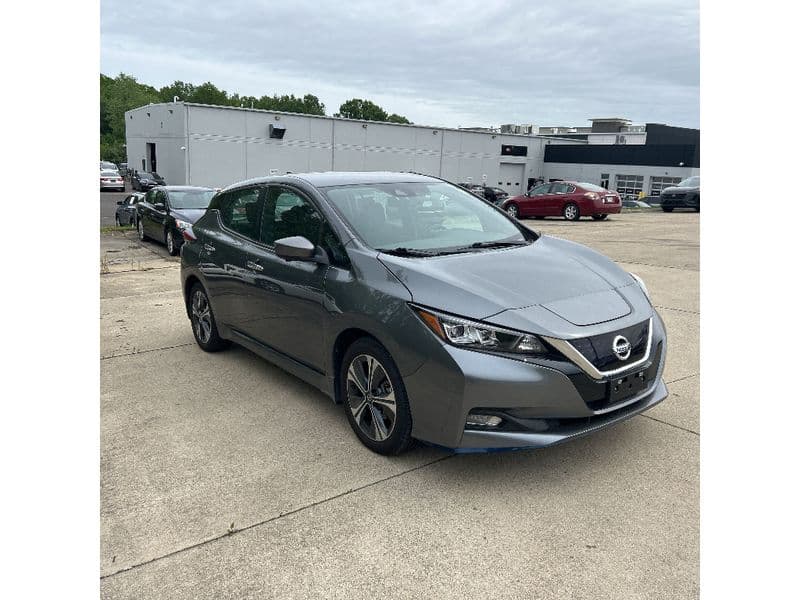
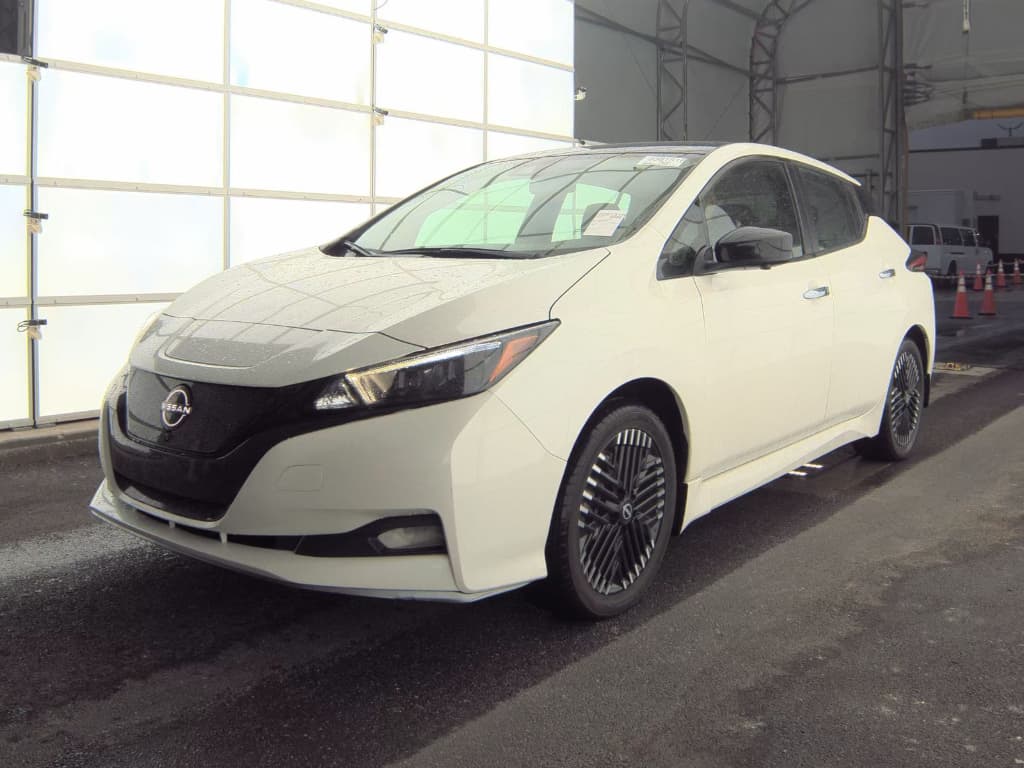
| Compact EV (Nissan Leaf, Chevy Bolt) | 30–60 kWh | $3,000–$8,000 | Smaller packs; older Leafs may use refurbished packs or salvage units. |
| Mid‑range crossover/sedan (Hyundai Kona Electric, Mustang Mach‑E) | 60–80 kWh | $8,000–$12,000 | Larger packs and more labor; prices trending down slowly. |
| Premium sedan/SUV (Tesla Model S/X, Lucid Air) | 90–120+ kWh | $12,000–$20,000+ | Large, high‑range packs with complex cooling and packaging. |
| Popular Tesla models (Model 3/Y) | 55–82 kWh | ~$12,000–$16,000 | Real‑world invoices in this ballpark for full pack replacement. |
| Electric pickup (F‑150 Lightning, Silverado EV) | 98–130+ kWh | $20,000–$30,000+ | Very large packs; replacement is rare and economics are case‑by‑case. |
These are directional ranges, not quotes, always verify with a service center for your specific VIN.
Why estimates vary so much
What actually drives EV battery replacement cost
If two drivers both pay $12,000 for a battery, the underlying economics can still be very different. It helps to understand the ingredients that go into the cost of battery replacement in the first place.
Four main drivers of battery replacement cost
Once you see these levers, the price ranges start to make sense.
1. Battery size (kWh)
The bigger the battery, the more it costs. A 30 kWh pack in an early Leaf is simply cheaper to build (and replace) than a 100 kWh pack in a luxury sedan.
2. Chemistry & packaging
Newer chemistries (like LFP) and more integrated pack designs can be cheaper at scale but sometimes more complex to service early on.
3. Labor & diagnostics
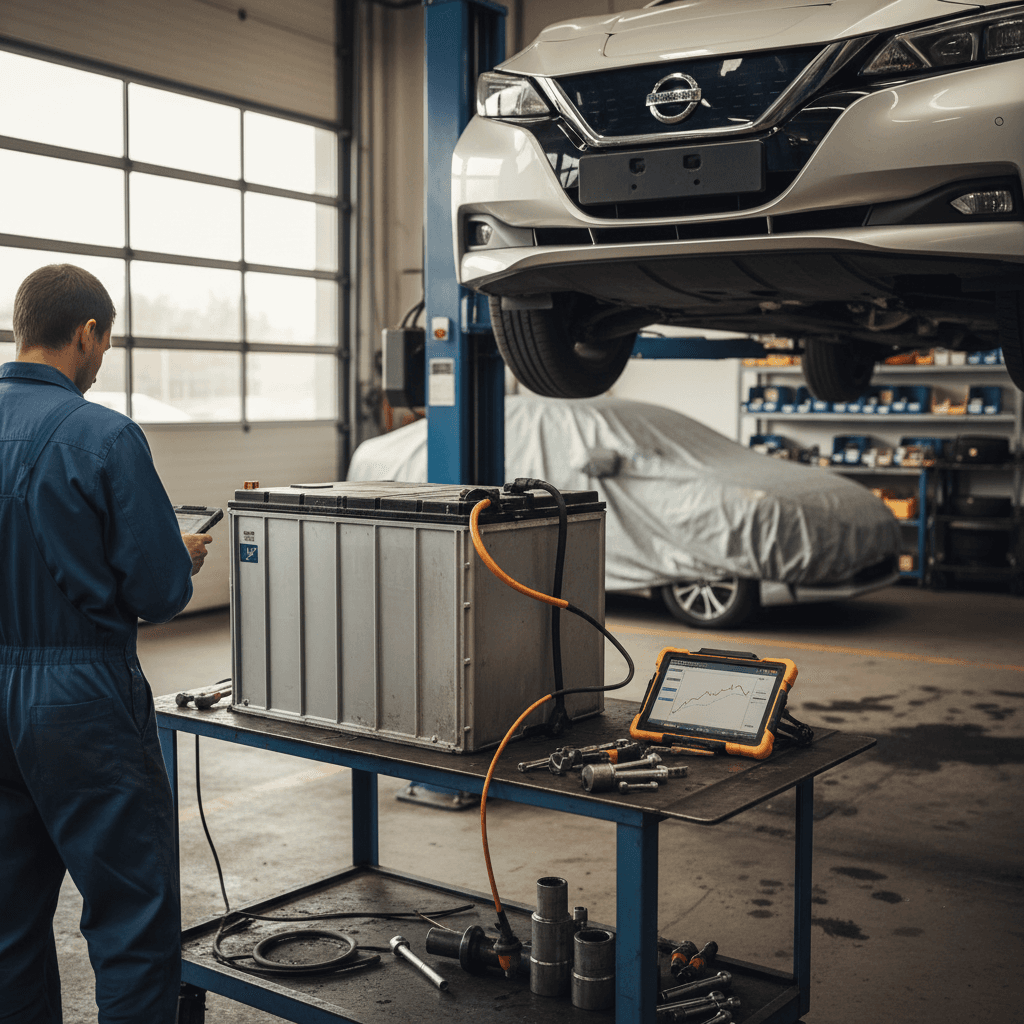
High‑voltage work requires specialized tools and training. Labor rates of $150–$250/hour add up on multi‑hour jobs.
4. Parts sourcing
OEM new pack, remanufactured pack, or salvage? Availability and regional supply chains can swing the final bill by thousands.
Ask for the breakdown
How long EV batteries last before you ever face replacement
The other half of the equation is lifetime. A $10,000 pack that lasts 250,000 miles is a very different proposition from a $10,000 pack that dies at 80,000 miles, and for modern EVs, the good news is that longevity looks much closer to the first scenario.
- Real‑world fleet data suggests many modern EV packs hold 70–80% of original capacity even after 150,000–200,000 miles of use.
- Battery management systems aggressively protect cells from over‑charging, deep discharging, and overheating.
- Newer chemistries (especially LFP packs in some Teslas and Chinese‑built models) are optimized for long cycle life, not just range headlines.
Most owners never see a replacement
Warranty coverage: when battery replacement is free
In the US, federal rules require EV batteries to be covered for at least 8 years or 100,000 miles. Many manufacturers exceed that, especially for larger packs. That means early failures, the ones you actually worry about, are usually handled by the manufacturer.
What to look for in an EV battery warranty
1. Duration and mileage
Most mainstream EVs offer 8 years / 100,000–150,000 miles on the high‑voltage battery. Some brands push higher mileage on specific models.
2. Capacity guarantee
Some warranties promise replacement or repair if the battery falls below a certain capacity threshold (commonly 60–70% of original). Others only cover outright failures. Read the fine print.
3. Transferability
If you buy used, make sure the remaining warranty transfers to you. Most battery warranties transfer automatically, but some require paperwork or have limits for second owners.
4. Exclusions and abuse clauses
Frequent DC fast charging, commercial use, or modifications may affect coverage. Make sure your usage pattern matches what the warranty allows.
Don’t assume all warranties are equal
Repair vs. full replacement (and refurbished packs)
When people ask about the cost of battery replacement, they usually imagine a full pack swap. In reality, service options in 2025 fall along a spectrum from simple module repair to complete pack replacement with brand‑new hardware.
Module or component repair
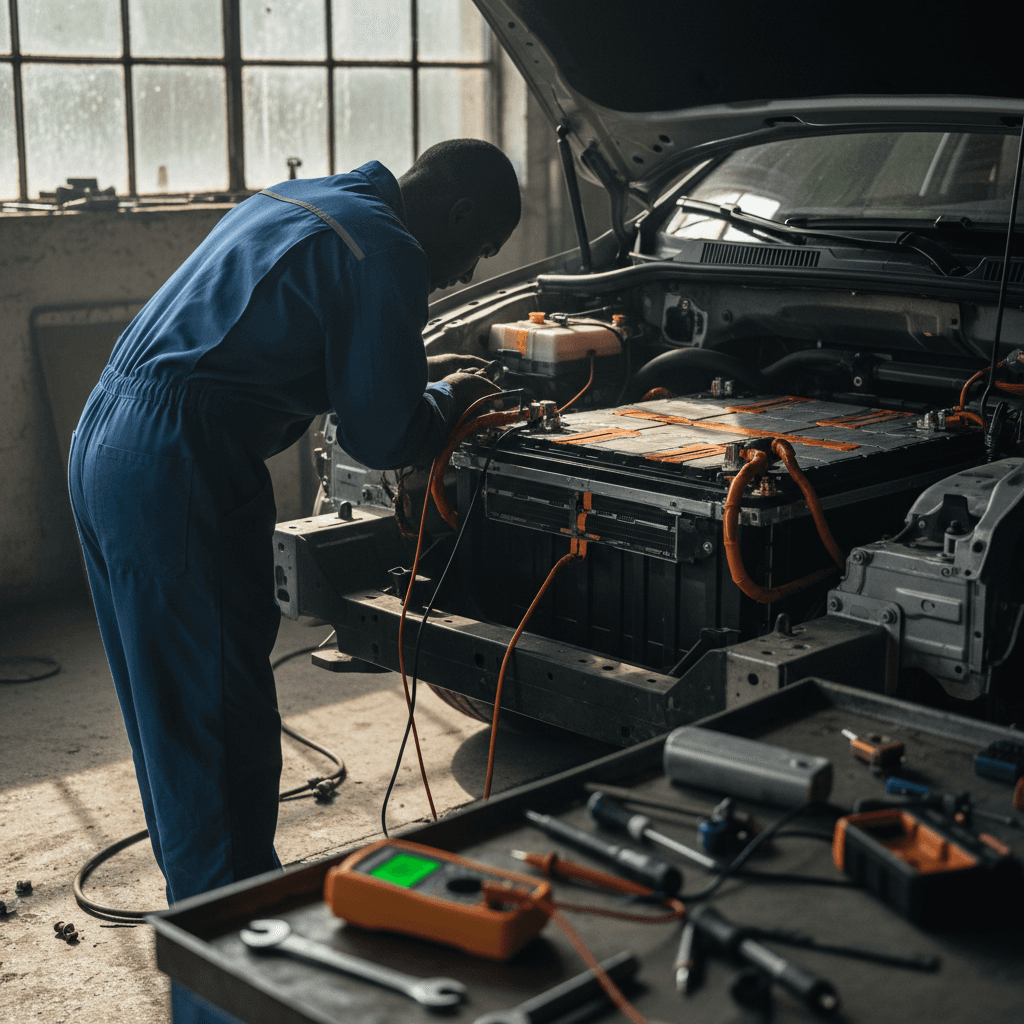
- In some cases, a failing module, contactor, or cooling component can be replaced without changing the whole pack.
- This can cost in the low thousands instead of five figures, depending on labor and parts.
- More common on older or simpler packs; some manufacturers prefer full pack swaps for consistency.
Full pack replacement
- Entire pack is swapped for a new or remanufactured unit, often with its own warranty.
- Typical cost ranges from around $5,000 on small packs to $20,000+ on large, premium models.
- In‑warranty replacements usually use remanufactured packs to keep costs and resource use down.
New vs. remanufactured vs. salvage packs
Not every replacement has to mean a brand‑new battery from the factory.
New OEM pack
Factory‑fresh, highest cost, often longest warranty. Best if you plan to keep the car for many more years and need maximum peace of mind.
Remanufactured pack
OEM or third‑party pack built from inspected and refurbished modules. Typically significantly cheaper, with a shorter (but still meaningful) warranty.
Salvage pack
Battery sourced from a totaled EV. Pricing can be attractive, but quality varies; choose reputable installers who stand behind their work.
High‑voltage = professional only
How to avoid surprise battery bills when buying a used EV
If you’re shopping used, you don’t control how the previous owner drove or charged the car, but you can control how much information you get about the pack before you wire any money. The goal is simple: minimize the chance that a big battery replacement cost lands in your lap in the first few years of ownership.
Used EV battery due‑diligence checklist
1. Get a quantified battery health report
Don’t settle for guesses like “range seems fine.” Ask for a report based on data, not vibes. At Recharged, every car includes a <strong>Recharged Score Report</strong> with verified battery health and remaining estimated capacity.
2. Confirm remaining battery warranty
Use the in‑service date and mileage to calculate how much factory battery coverage is left. A used EV with 3–4 years of battery warranty remaining dramatically reduces your risk.
3. Review charging history where possible
Frequent DC fast charging, extreme climates, and high‑mileage ride‑hailing use can accelerate degradation. Some vehicles and services can show a charging/usage profile.
4. Compare real‑world range to original EPA rating
On a test drive, note the state of charge and estimated range; compare it to the original EPA figure. Large gaps may warrant a deeper diagnostic before you buy.
5. Check for open recalls or service campaigns
Manufacturers sometimes address battery issues via recalls or software updates. Make sure any open items are completed so you don’t inherit avoidable problems.
How Recharged de‑risks used EV batteries
Ready to find your next EV?
Browse VehiclesWhen does battery replacement make financial sense?
Sometimes replacing the pack is absolutely the right move. Other times, it’s lighting money on fire. The trick is to look beyond the big headline cost and evaluate the whole vehicle.
Good candidates for replacement
- The car is structurally sound, with no major accident history or corrosion.
- Interior and exterior are in good shape, with years of usable life left.
- Key safety and ADAS tech are still up to date for your needs.
- The replacement battery meaningfully increases range and resale value.
- You plan to keep the car long enough to amortize the replacement cost.
Better to repair or move on
- The car has significant body or structural issues, or a salvage title.
- Other big‑ticket repairs (e.g., AC, suspension) are looming at the same time.
- The model is obsolete enough that resale remains weak even with a fresh pack.
- Replacement cost approaches or exceeds the value of a similar used EV with a healthy battery.
Do a simple value comparison
Frequently asked questions about the cost of battery replacement
EV battery replacement cost: common questions
The bottom line on EV battery replacement cost
The headline cost of battery replacement, $3,000, $10,000, even $20,000, can be intimidating out of context. But when you zoom out, you see three truths: modern EV batteries last a very long time; strong warranties handle most early failures; and the used EV market now gives you real visibility into battery health before you buy.
If you already own an EV, the smartest move is to keep an eye on battery health, follow sane charging habits, and understand your warranty. If you’re shopping used, prioritize vehicles with transparent battery data and pricing that reflects it. That’s exactly why Recharged exists: to make EV ownership simple, transparent, and free of battery guesswork, so you can enjoy the quiet, efficient part of electric driving without losing sleep over the pack underneath.