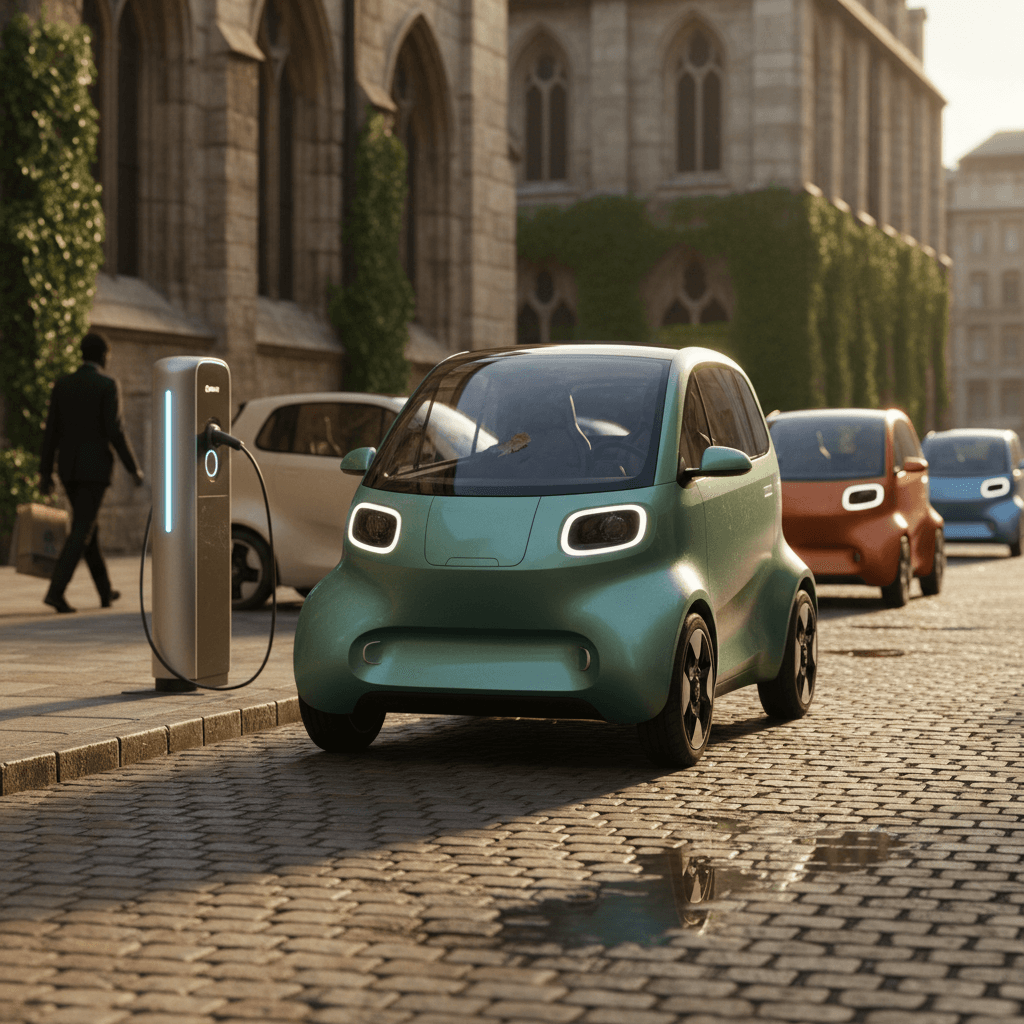
If you spend most of your time in the city or suburbs, a compact electric vehicle can be the sweet spot: easy to park, cheaper to run than gas, and now offering enough range for everyday life. But “compact electric vehicles” covers everything from tiny city cars to small SUVs, and the right choice depends heavily on how you drive.
Who this guide is for
Why compact electric vehicles are hot right now
Compact EVs in today’s market
Automakers have discovered that compact crossovers and small hatchbacks are the ideal format for mainstream EVs. They’re efficient, easier to package batteries into, and they align with how a lot of Americans live: short daily drives with the occasional longer trip.
Think "right-sized," not "small"
What actually counts as a compact EV?
There’s no single global definition, but in practice compact electric vehicles fall into two broad buckets in the U.S. market:
- Small electric cars and hatchbacks – Think city-focused EVs and compact hatchbacks that prioritize efficiency and easy parking over cargo space.
- Compact electric SUVs and crossovers – Slightly taller, more versatile vehicles that still have a small footprint but offer more cargo room and a higher seating position.
Typical compact car EV
- Overall length: roughly 155–175 inches
- Great for tight city parking
- Best if you rarely carry more than 2–3 people
- Often the lowest-priced EVs in a lineup
Typical compact crossover EV
- Overall length: roughly 170–190 inches
- Higher driving position and easier entry/exit
- More cargo flexibility for strollers, pets, and gear
- Slightly higher price, often better range
Watch how brands use "compact"
Pros and cons of compact electric vehicles
What you’ll love (and what you might not)
Compact EVs shine in daily driving, but they’re not perfect for everyone.
Advantages of compact EVs
- Easier to park and maneuver in crowded cities and tight garages.
- Generally more efficient, so you get more miles per kWh.
- Often the least expensive EVs in a brand’s lineup.
- Plenty of range for commuting and daily errands.
- Simpler to live with in urban environments than large SUVs or trucks.
Potential downsides
- Less cargo space than midsize SUVs, especially for bulky strollers or sports gear.
- Rear seat can be tight for tall passengers.
- Smaller battery packs can mean shorter range in entry trims.
- Some budget-friendly models skimp on features or cabin materials.
- Not ideal if you regularly tow or carry five adults and luggage.
Types of compact EVs: city cars, hatchbacks, and small SUVs
When you start shopping, you’ll see very different shapes all thrown into the "compact electric vehicles" bucket. It helps to group them by how they’ll actually be used.
Three main flavors of compact EVs
Match the body style to how you really drive and park.
City runabout
These are the smallest EVs – tight turning radius, easy parallel parking, optimized for short trips.
- Best for: dense city living
- Priorities: easy parking, low cost
- Trade-offs: less space, smaller batteries
Compact hatchback
Low, car-like driving position with a practical hatch. Think of them as modern compact cars with electric power.
- Best for: commuting, small families
- Priorities: efficiency, value
- Trade-offs: ride height, rear-seat space
Small crossover/SUV
A bit taller and longer, but still compact on the outside. The sweet spot for many U.S. households.
- Best for: mixed city/suburban life
- Priorities: cargo flexibility, comfort
- Trade-offs: price, slightly lower efficiency
Range and battery size: how much do you really need?
Range anxiety drives a lot of EV decisions, but with compact EVs the key is to match the battery to your actual driving, not your worst-case fantasy road trip.
Urban and close-in suburban drivers
- Daily mileage: 20–50 miles.
- A compact EV with 180–230 miles of rated range is usually more than enough.
- You’ll likely charge at home 1–3 times per week, not every night.
- Smaller battery = lower cost and quicker charging.
Suburban commuters and weekend travelers
- Daily mileage: 40–80 miles plus occasional weekend trips.
- Target 230–300+ miles of range for flexibility.
- Look for DC fast-charging speeds of at least 100–150 kW.
- Consider dual-motor versions only if you really need AWD or extra power.
Don’t overpay for unused range
Typical range bands for compact EVs
Approximate rated ranges you’ll see across small EVs and compact crossovers in today’s market.
| Category | City-focused compact | Mainstream compact hatchback | Compact SUV/crossover |
|---|---|---|---|
| Smaller battery option | 140–180 miles | 180–220 miles | 200–240 miles |
| Larger battery option | 180–220 miles | 230–280 miles | 260–320 miles |
Always check EPA or WLTP figures for the specific trim you’re considering; wheel size and options can change range.
Cold weather cuts range
Charging compact EVs: home, public, and road trips
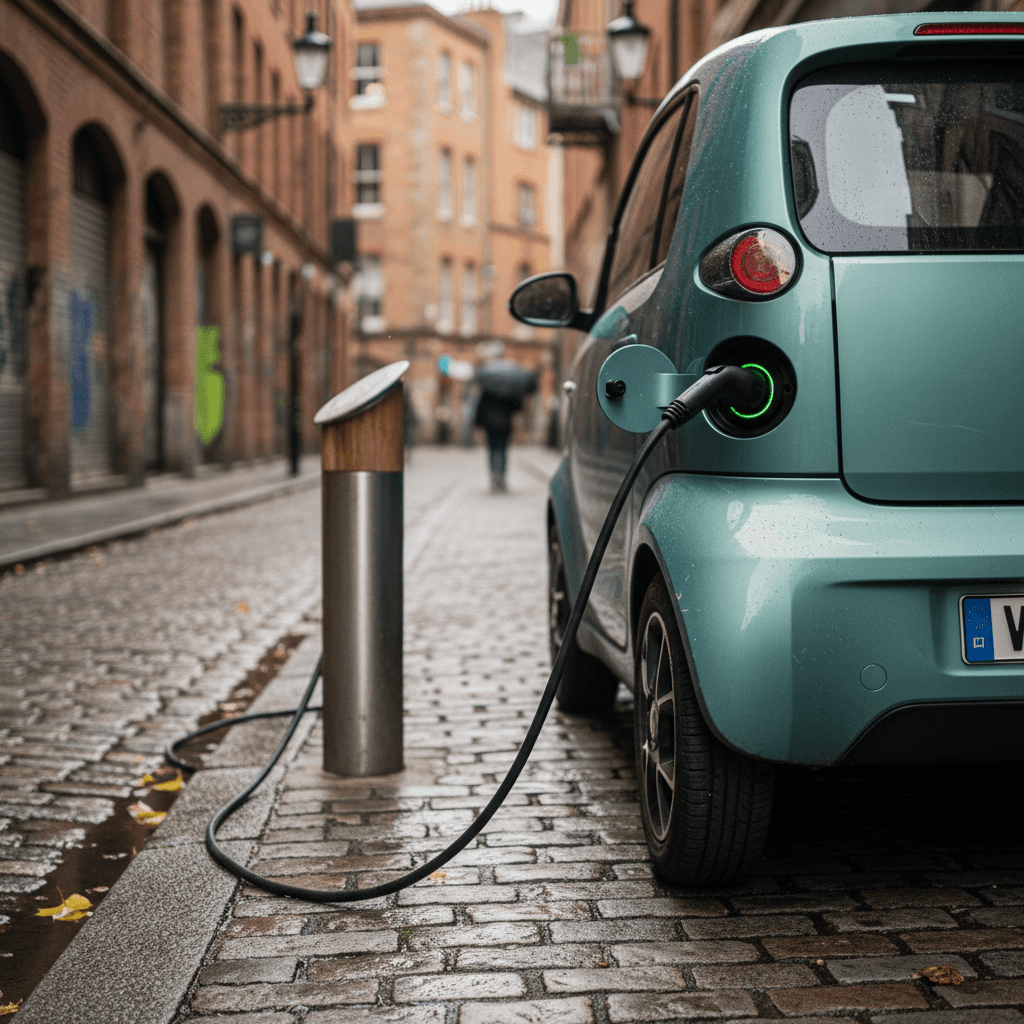
Charging is where compact electric vehicles can feel almost invisible in daily life, if you set things up correctly. The smaller batteries most compact EVs use are quicker to fill, which is an advantage at home and at public chargers.
How charging feels day to day
Pair the right charging setup with your compact EV and you’ll rarely think about it.
Home Level 2
- Uses a 240V outlet or hardwired charger.
- Commonly adds 25–40 miles of range per hour.
- Most compact EVs go from near-empty to full overnight.
Public Level 2
- Found at workplaces, parking garages, shopping centers.
- Good for "top-ups" while you’re parked anyway.
- Ideal if you can’t install home charging.
DC fast charging
- Best for road trips or emergency top-ups.
- Look for compact EVs that can add 150+ miles in ~30 minutes.
- Plan stops along major corridors using apps like PlugShare or the built-in nav.
Safety note on home charging
New vs used compact EVs: where the value is in 2025
By late 2025, the compact EV landscape is split between increasingly capable new models and a growing pool of used small EVs at attractive prices. Deciding between them comes down to budget, tax incentives, and how much range and tech you want.
Why consider a new compact EV
- Latest battery tech with longer range and faster charging.
- Freshest driver-assistance and infotainment systems.
- Full factory warranty and, in many cases, separate battery coverage.
- Sometimes eligible for federal or state incentives depending on model and assembly location.
Why a used compact EV can be smart
- Significant up‑front price savings versus new.
- For short commutes, an older 150–200 mile EV may be plenty.
- Depreciation hits the first owner; you benefit.
- On Recharged, every car comes with a Recharged Score battery health report, so you see how the pack has aged before you buy.
Battery health is the heart of used EV shopping
Standout compact EVs to know (new and used)
Model availability and incentives change quickly, but a few compact electric vehicles consistently stand out in reviews and owner feedback. Think of the list below as a short-hand map, not a full comparison chart.
Representative compact EVs across the spectrum
Examples of compact EVs you’re likely to encounter, new and used. Always verify exact specs and incentives for your region and model year.
| Model (example) | Type | Approx. range (mi) | What it’s best at |
|---|---|---|---|
| Nissan Leaf (earlier generations) | Compact hatchback | ~150–215 | Affordable used entry into EVs for short commutes. |
| Newer Nissan Leaf / redesigned model | Compact hatchback | ~250–300 | More modern range and features while still compact and budget-friendly. |
| Hyundai Kona Electric | Small crossover | ~200–250 | City-friendly footprint with decent real-world range. |
| Kia Niro EV | Small crossover | ~250–280 | Efficient, practical, and sized between small and midsize SUVs. |
| Chevrolet Equinox EV | Compact crossover | ~300+ (selected trims) | Roomy but still compact, with strongly competitive range for the price. |
| Mini and other city-focused EVs | City car / hatchback | ~140–200 | Fun, small-footprint cars for pure urban use. |
Range figures are approximate rated values; real-world results will vary with speed, temperature, and terrain.
The small EV that fits your life best is the one that matches how you actually drive, not how you <em>wish</em> you drove twice a year on vacation.
How to choose the right compact EV for your life
Compact EV buying checklist
1. Map your real driving
Track a typical week of driving, including your longest single day, before you shop. This will tell you what minimum range you truly need instead of guessing.
2. Decide where you’ll charge
Confirm whether you can install a Level 2 charger at home or rely on workplace/public charging. This will influence battery size and charging-speed priorities.
3. Choose body style first, not badge
Decide whether a city car, hatchback, or compact SUV fits your family, cargo, and parking situation. Once you know the shape you need, comparing brands is much easier.
4. Set a realistic budget
Look at your total cost of ownership, not just sticker price. Factor in fuel savings, reduced maintenance, insurance, and possible incentives on certain new EVs.
5. Compare battery health on used EVs
On a used compact EV, review independent battery-health data, not just age and mileage. Recharged’s <strong>Recharged Score Report</strong> gives you that data upfront.
6. Test drive in your real world
Try to drive routes similar to your commute or regular errands. Pay attention to ride comfort, visibility, cargo loading, and how easy it is to park.
A simple rule of thumb
How Recharged helps you shop compact EVs smarter
Compact electric vehicles are supposed to simplify your life, not add guesswork. That’s why every EV on Recharged comes with clear, data-backed information you can actually use to compare options.
Shopping compact EVs with Recharged
Tools and services designed for used EV buyers, not just generic used-car shoppers.
Recharged Score battery report
Fair, market-based pricing
Financing, trade-in, and delivery
Ready to find your next EV?
Browse VehiclesTalk to an EV specialist, not a generic salesperson
Compact electric vehicle FAQ
Frequently asked questions about compact EVs
Bottom line: is a compact electric vehicle right for you?
If your life is built around city and suburban driving, a well-chosen compact electric vehicle can make car ownership simpler, cheaper to run, and noticeably less stressful. The trick is to ignore one-size-fits-all advice and focus on how far you actually drive, where you’ll charge, and how much space you truly use day to day.
Start by picking the right body style, city car, hatchback, or compact SUV, then choose the battery that comfortably covers your real-world driving with room to spare. From there, you can compare features, pricing, and, on the used market, battery health. That’s where a Recharged listing, with its Recharged Score battery report, transparent pricing, financing options, and nationwide delivery, can give you the confidence to move from research to ownership.
If a compact EV fits your life on paper, the next step is the fun one: drive a few, load in your family or gear, and see which one actually feels like it belongs in your driveway.