If you’re looking at a Chevy Silverado EV, you’re not just buying a truck, you’re buying into a very young, very volatile market. The Chevy Silverado EV depreciation rate is already writing its own plot twist: big early discounts, jittery demand for full‑size electric pickups, and a used market that’s still figuring out what these things are worth.
Context: the electric truck whiplash
Why Silverado EV depreciation matters right now
Depreciation is the single biggest ownership cost on almost any new vehicle, and the Silverado EV is no exception. But unlike a gas Silverado, the EV’s future value is tangled up with battery technology, charging standards, and the broader mood swings of the electric‑truck market.
- New Silverado EV MSRPs have been high, and incentives are patchy depending on trim and timing.
- Electric trucks in general are losing value faster than gas pickups in their first few years.
- Battery health and real‑world range, especially while towing, matter more to used buyers than chrome packages and wheel options.
If you’re shopping new, depreciation tells you how much of that sticker price will simply evaporate. If you’re shopping used, it tells you when the value curve finally bends in your favor, and how to avoid a cheap truck with an expensive battery story.
Quick take: Silverado EV depreciation rate in numbers
Chevy Silverado EV depreciation at a glance
Projections, not promises
How fast does a Chevy Silverado EV depreciate?
Because the Silverado EV is still new, we’re mostly working from a mix of early sales data and cost‑to‑own models. But even that is enough to sketch the curve.
Year‑by‑year: the early drop
What typical depreciation could look like for a Silverado EV bought new today
Years 1–2: the cliff
Like almost any new vehicle, the Silverado EV takes its biggest hit early. Some examples of 2024 trucks are already showing around a 40–45% loss in just a couple of years, depending on mileage and trim.
Factor in incentives or discounts you got at purchase: your personal depreciation may be gentler than the MSRP‑based math suggests.
Years 3–5: the slide
Beyond year 3, the drop slows but doesn’t stop. Forecasts based on Silverado EV pricing and comparable electric trucks suggest:
- Roughly 50–55% depreciation after 3 years.
- About 60–65% depreciation by year 5.
By this point, what matters most to buyers is battery health, usable range, and how the truck’s been used, especially towing.
After five years, the Silverado EV starts behaving more like a normal depreciating asset. The first owner has eaten the worst of it; the second and third owners are shopping for value and reliability, not technology bragging rights.
3‑ vs 5‑ vs 10‑year Silverado EV value forecast
Chevy Silverado EV depreciation forecast (typical use)
Illustrative forecast based on current MSRPs, early market data, and comparable full‑size electric truck trends. Real‑world values vary by trim, mileage, incentives and condition.
| Years Since New | Estimated Depreciation | Estimated Residual Value % | Estimated Resale Value* |
|---|---|---|---|
| 1 year | ~53% | ~47% | ≈$38,000–$44,000 |
| 3 years | ~55% | ~45% | ≈$35,000–$40,000 |
| 5 years | ~61% | ~39% | ≈$30,000–$35,000 |
| 10 years | ~74% | ~26% | ≈$20,000–$25,000 |
Assumes a notional $82,832 average MSRP across trims for simplicity. Percentages matter more than the exact dollars.
About those numbers
How Silverado EV depreciation compares to other trucks
Versus other electric pickups
- Ford F‑150 Lightning: Early data suggests similar or slightly better 3‑year retention than Silverado EV, but it’s also been hammered by price cuts and slowing demand.
- Rivian R1T: The belle of the EV truck ball so far, with noticeably stronger value retention in its first couple of years compared with Detroit’s full‑size entries.
- Tesla Cybertruck: Wildly speculative at launch, but early trade‑ins show steep real‑world depreciation for some owners as hype cools.
Versus gas full‑size pickups
- A typical gas F‑150 can still hold 60%+ of its value after two years; a Tundra can take a decade to lose half its value.
- By contrast, forecasts for electric trucks, including the Silverado EV, show them losing around half their value in roughly three years.
- That gap reflects both technology risk (batteries, charging standards) and demand risk (truck buyers still wary of EV range when towing or in cold climates).
Where the Silverado EV can shine
7 key factors that drive Silverado EV depreciation
What most affects your Silverado EV’s future value
1. Battery health & usable range
For used buyers, the Silverado EV is first and foremost a giant rolling battery. A pack that still delivers strong range, especially under load, props up resale value. A tired pack or a truck that’s been fast‑charged hard and towed heavy will invite discounts.
2. Trim, options, and MSRP inflation
Early RST‑style, high‑MSRP trucks tend to lose more in absolute dollars than workhorse WT or LT trims. Fancy options (huge wheels, sunroofs) don’t hold value like range and towing capability do.
3. Market demand for big EV trucks
We’re in a moment where several makers are rethinking big EV pickups altogether. If demand softens further, resale values can sag even if the truck itself is objectively good.
4. Incentives and price cuts on new models
Every time Chevy cuts MSRP or offers juicy financing on new Silverado EVs, it pushes used prices down. That’s not personal; it’s just the market re‑pricing the metal.
5. Charging convenience in your region
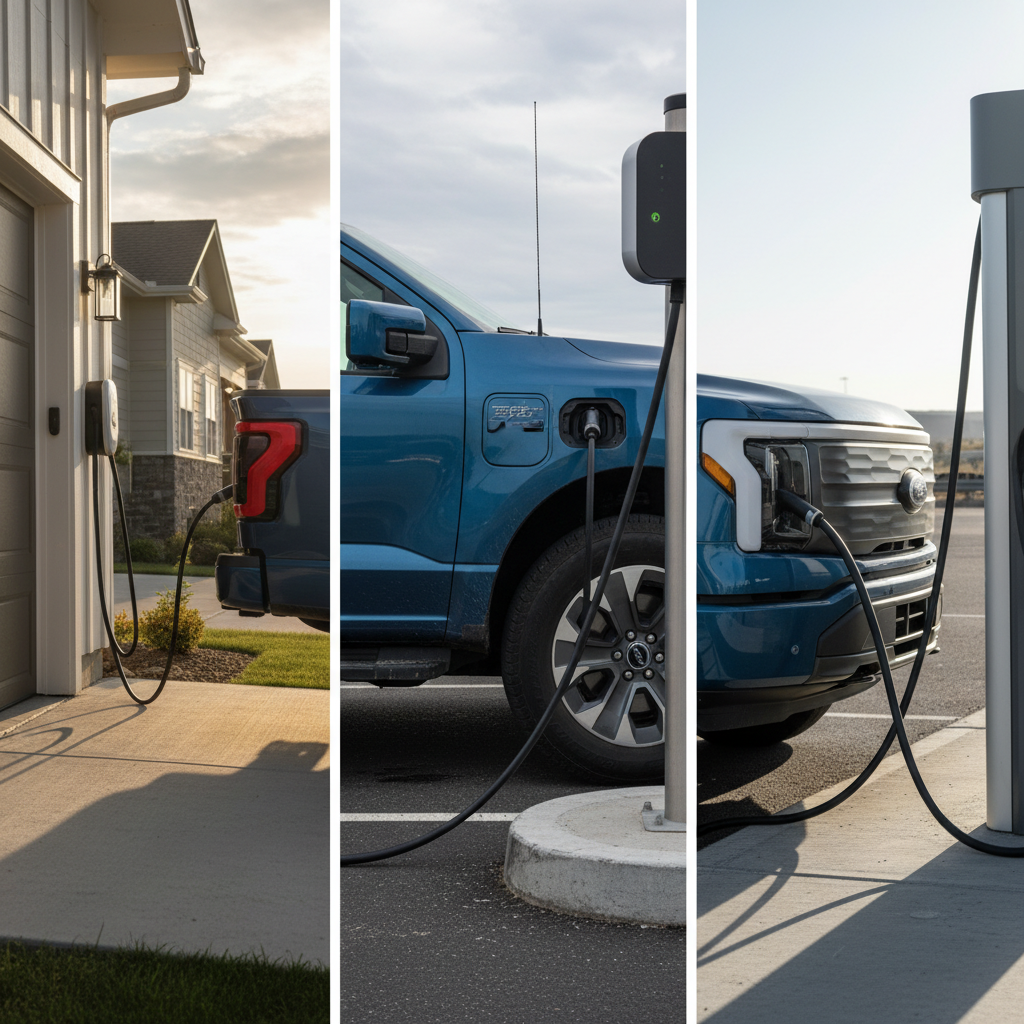
A Silverado EV in a suburb with robust fast‑charging and cheap off‑peak home rates is easier to sell than the same truck in a rural area with spotty infrastructure. Convenience is part of the resale value story.
6. Mileage, duty cycle, and towing history
A lightly used truck that’s mostly commuted will age better than one that’s spent its life max‑towing at highway speeds. Buyers instinctively discount vehicles that look like they’ve been used as intended.
7. Battery warranty coverage window
GM’s battery warranty is measured in years and miles. A truck still well inside that window looks safer to used buyers; one that’s just aged out will feel riskier and may need a price haircut.
How battery health impacts Silverado EV resale value
In an electric pickup, the battery is the value. Everything else, the leather, the screens, the chrome, is a rounding error next to a six‑figure pack replacement. That’s why the Chevy Silverado EV depreciation rate is so tightly linked to how confident buyers feel about its Ultium battery over 8–12 years.
Battery condition vs. truck value
Why two identical‑looking Silverado EVs can be worth wildly different money
Healthy pack
A truck showing strong range relative to original EPA estimates, with normal DC‑fast‑charge use and no warning lights, will track close to the “average” depreciation curves.
Borderline pack
Noticeably reduced range, aggressive fast‑charge history, or frequent towing at high speeds can push a truck down a value band, especially once it’s out of warranty.
Problem pack
Any history of pack repair, module replacement, or repeated battery‑related warnings can spook buyers and lenders. Expect much steeper depreciation, or a tough time finding a buyer at all.
How Recharged helps on battery risk
Ready to find your next EV?
Browse VehiclesBuying a used Silverado EV: how to protect yourself
If you’re considering a used Silverado EV, the good news is that early depreciation is your friend. Someone else has already taken the hair‑raising first‑owner hit; you’re coming in at a saner price. But you have to buy the right truck.
Used Silverado EV buyer checklist
1. Focus on battery and range first
Ask for recent full‑charge range numbers, how the truck is typically charged, and how often it tows. Compare the real‑world range to original EPA figures to spot unusual degradation.
2. Verify DC fast‑charging history
High‑mileage highway trucks that lived on DC fast charging age differently than home‑charged commuters. If you can, get a charging history printout or logged data, not just a shrug from the seller.
3. Check remaining battery warranty
Look at both the calendar years and mileage. A Silverado EV with several years of battery coverage left is worth paying more for than an identical truck sitting just past the warranty line.
4. Study total cost, not just price
Use a depreciation or cost‑to‑own tool along with insurance and electricity costs. Remember that an EV’s low running costs can offset some depreciation compared with a thirsty gas truck.
5. Get a third‑party EV inspection
A generic multipoint inspection isn’t enough. You want an EV‑literate tech checking pack health, cooling systems, high‑voltage components, and any warranty or recall work.
6. Buy where the data is transparent
Platforms like <strong>Recharged</strong> bake battery diagnostics and fair‑market pricing into every listing, and can arrange financing and trade‑ins around real battery health, not wishful thinking.
Used pricing sweet spots
Selling or trading your Silverado EV: smart timing
If you already own a Silverado EV, you’re probably wondering when to pull the ripcord. Do you get out before new price cuts hit? Ride it until the wheels (or the warranty) come off? The answer depends on how you use the truck and how nervous you are about future demand for big EV pickups.
Strategy A: Exit early
- Sell or trade within the first 2–3 years while the truck is still under full warranty and your mileage is modest.
- This minimizes absolute depreciation dollars, especially if you leased or bought with strong incentives.
- Best for owners who like to stay on the leading edge of tech and don’t mind switching into the next thing.
Strategy B: Drive it deep
- Plan to keep the truck through year 7–10, squeezing every kilowatt‑hour of value out of the battery and accepting that resale will eventually be low.
- Best for owners with predictable use, stable access to home charging, and no appetite for chasing the latest truck fad.
- Here, your goal is to win on total cost per mile, not on resale theatrics.
Watch for sudden market resets
If you’re thinking about a move, Recharged can give you data‑backed pricing on your current EV and help you roll that value into a different electric or plug‑in that better fits where the market is actually headed.
FAQ: Chevy Silverado EV depreciation rate
Frequently asked questions about Silverado EV depreciation
Bottom line: is the Silverado EV a depreciation disaster?
The Chevy Silverado EV is not a financial unicorn; it’s a truck. Trucks depreciate. Electric trucks depreciate faster, at least in this first generation, and the Silverado EV is riding that same roller coaster. If you buy early, pay close to MSRP, and bail out in two years, the numbers will sting. If you buy intelligently, ideally used, with strong battery documentation, and hold it long enough to let its low running costs work for you, the story looks much better.
The smart play is to treat depreciation as a known quantity, not a mystery. Use percentage‑based forecasts instead of fixating on a single dollar figure. Prioritize battery health and warranty coverage over cosmetic toys. And if you want help threading that needle, Recharged was built exactly for this moment in the EV market: transparent used pricing, verified battery health, financing and trade‑in options, and specialists who live and breathe electric trucks, not just whatever happens to be on the lot this month.