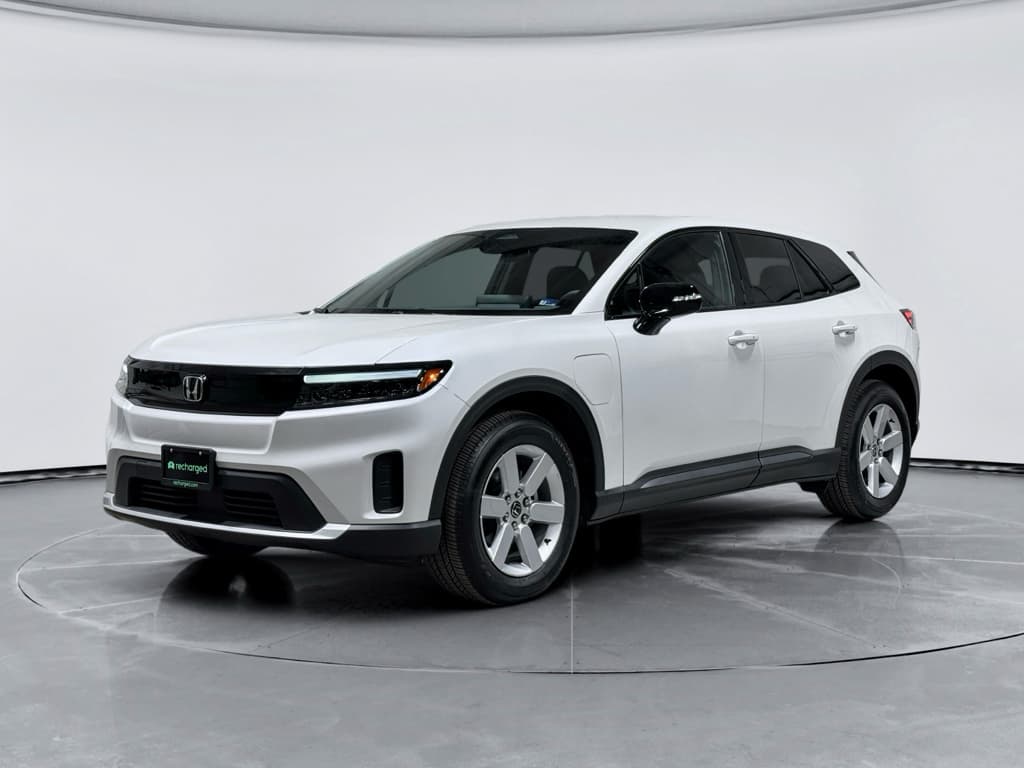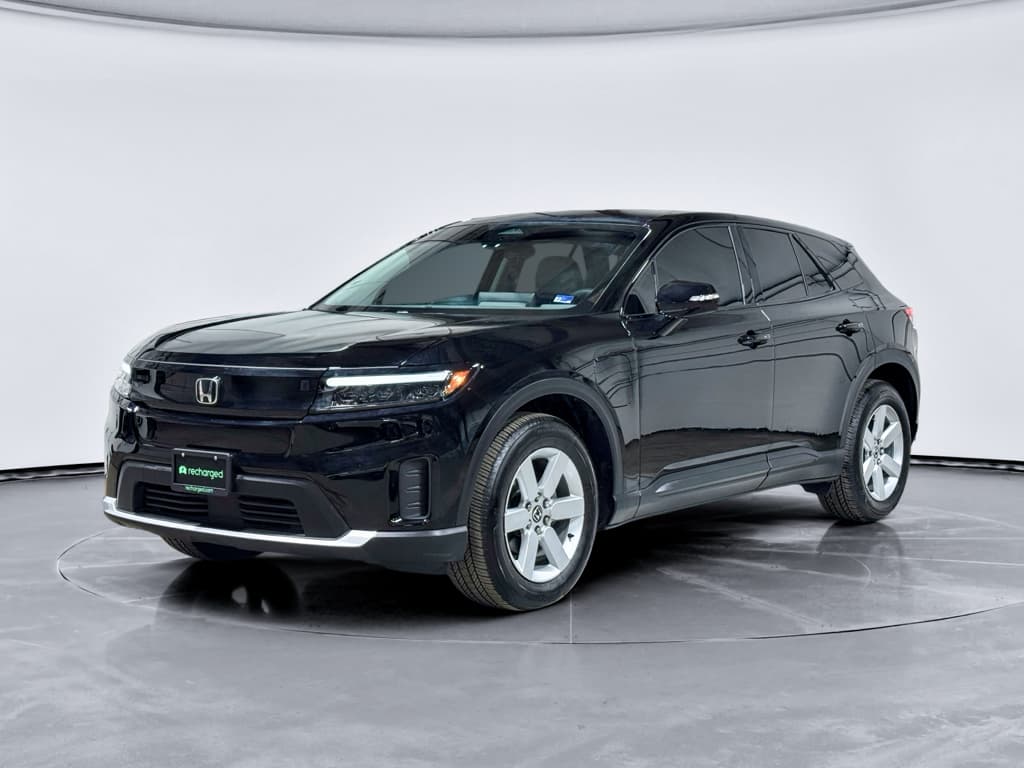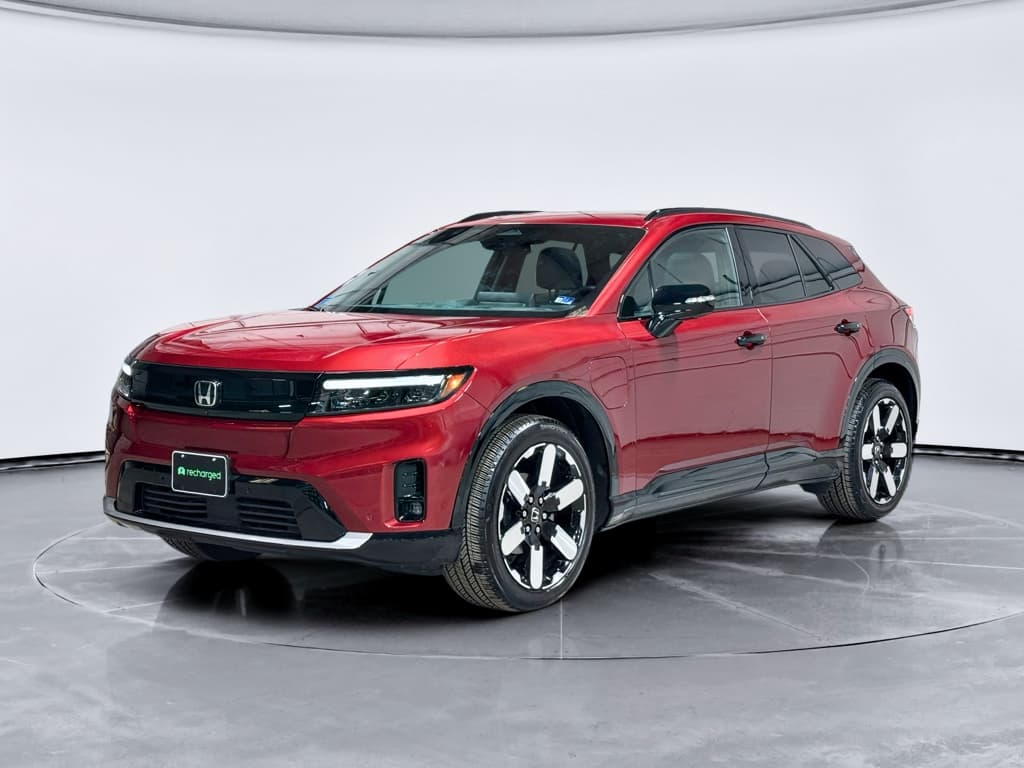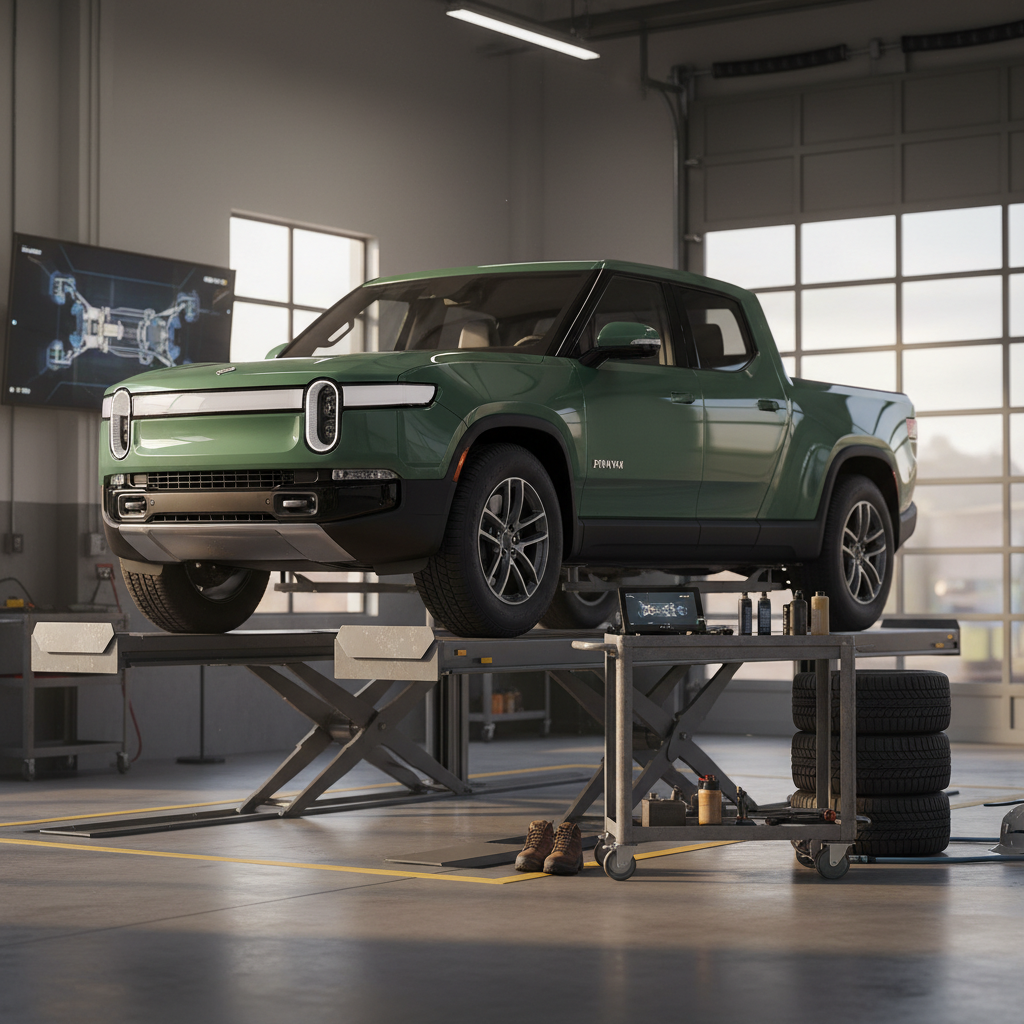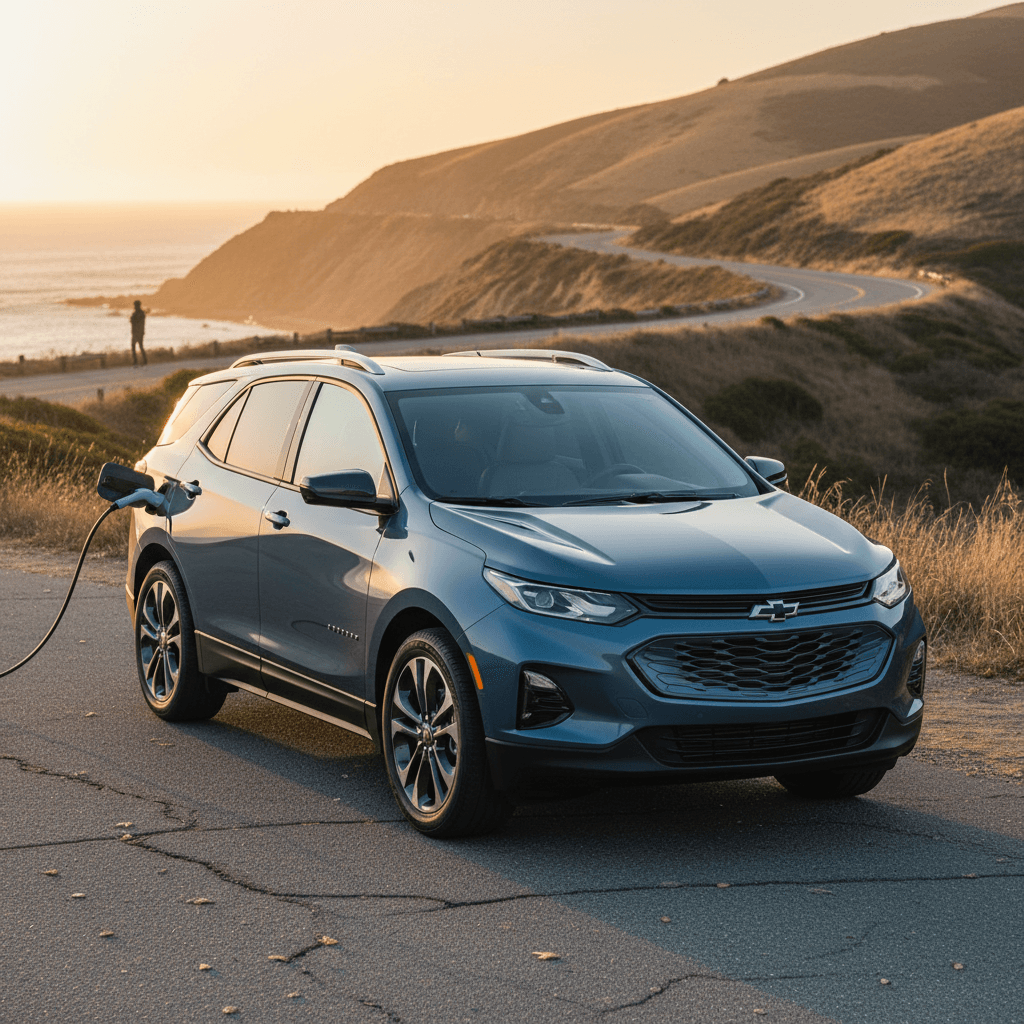
If you’re cross-shopping the Chevy Equinox EV vs Honda Prologue, you’ve already narrowed in on one of the most interesting corners of the EV market: practical, family-ready electric SUVs built on GM’s Ultium platform. On paper they share a lot of hardware, but the experience from the driver’s seat, and from your wallet, can be very different.
Same bones, different personalities
Chevy Equinox EV vs Honda Prologue: quick overview
Equinox EV vs Prologue: key specs at a glance
High-level look at the most important numbers when you’re comparing these two Ultium-based SUVs.
| Spec | 2025 Chevy Equinox EV | 2025 Honda Prologue |
|---|---|---|
| Starting MSRP (approx) | Around $34,000–$35,000 | Around $47,000 |
| Battery capacity | ~85 kWh Ultium | ~85 kWh Ultium |
| Drivetrain options | FWD or dual‑motor AWD | FWD or dual‑motor AWD |
| Horsepower | ~210–220 hp FWD / ~280–300 hp AWD | ~210–220 hp FWD / 288 hp AWD |
| EPA-est. max range | Up to ~319 miles (FWD) | Up to ~308 miles (FWD) |
| EPA-est. AWD range | ~307 miles | ~283–294 miles (by trim) |
| DC fast charge peak | Around 150 kW | Around 150 kW |
| Built‑in phone mirroring | No Apple CarPlay/Android Auto | Wireless Apple CarPlay & Android Auto |
| Charging standard | NACS (Tesla-style) or NACS-ready via adapter, depending on build date/region | CCS today, shifting toward NACS support depending on market timing |
EPA range figures are official estimates; real-world range will vary with temperature, speed, and driving style.
Specs are still shaking out
Price, trims, and value: budget vs premium
The first big fork in the road between the Equinox EV and Honda Prologue is price. Chevy clearly positions the Equinox EV as an attainable mass-market EV, while Honda leans more toward a near‑luxury feel and price tag.
How pricing and trims stack up
Same platform, very different sticker shock.
Chevy Equinox EV pricing & trims
The Equinox EV is one of the most affordable roomy EV SUVs on sale.
- Entry trims land in the mid‑$30,000s before incentives.
- Higher‑spec RS models climb into the low‑$40,000s.
- Front‑wheel drive is standard; AWD adds cost but not a huge hit to range.
For many buyers, this makes the Equinox EV the more budget‑friendly gateway into Ultium ownership.
Honda Prologue pricing & trims
The Prologue comes in EX, Touring, and Elite trims with a clear move upmarket.
- Base EX 2WD models start in the upper‑$40,000s.
- Touring and Elite AWD trims quickly cross into the mid‑$50,000s.
- Standard equipment and interior finish feel more premium out of the box.
If you’re coming from a well‑equipped CR‑V or Passport, the Prologue’s price and ambiance will feel more familiar.
Think total cost, not just MSRP
Range and performance: which goes farther, which feels quicker?
Because both SUVs share Ultium hardware and 85‑kWh packs, their specs are close, but not identical. If you care about squeezing the most highway miles from a charge, the Equinox EV usually has the edge. If you care more about a confident, refined feel, the Prologue’s tuning and feature mix may win you over.
Range highlights
On-paper performance
- Equinox EV is positioned as slightly lighter and, in some trims, slightly punchier. AWD versions can reach 60 mph in the mid‑5‑second range.
- Honda Prologue is no slouch. The AWD setup focuses more on smooth, confident acceleration than headline‑grabbing launch times.
In everyday traffic, both feel properly quick thanks to instant EV torque.
Real-world range feel
- Equinox’s range advantage on paper, especially in FWD form, can matter if you do lots of highway driving.
- Prologue drivers report solid efficiency, but its AWD trims do sacrifice some range for traction and performance.
- Either way, plan for 240–280 miles of usable highway range in typical conditions, less in winter or at high speeds.
Remember the seasonal swing
Charging experience: at home and on the road
Underneath the styling and branding, the Equinox EV and Prologue offer very similar charging stories. Both support DC fast charging at roughly 150 kW and Level 2 AC charging at home. Where they diverge is how each brand is navigating the shift from CCS to the NACS (Tesla-style) connector and what that means for public charging in the next few years.
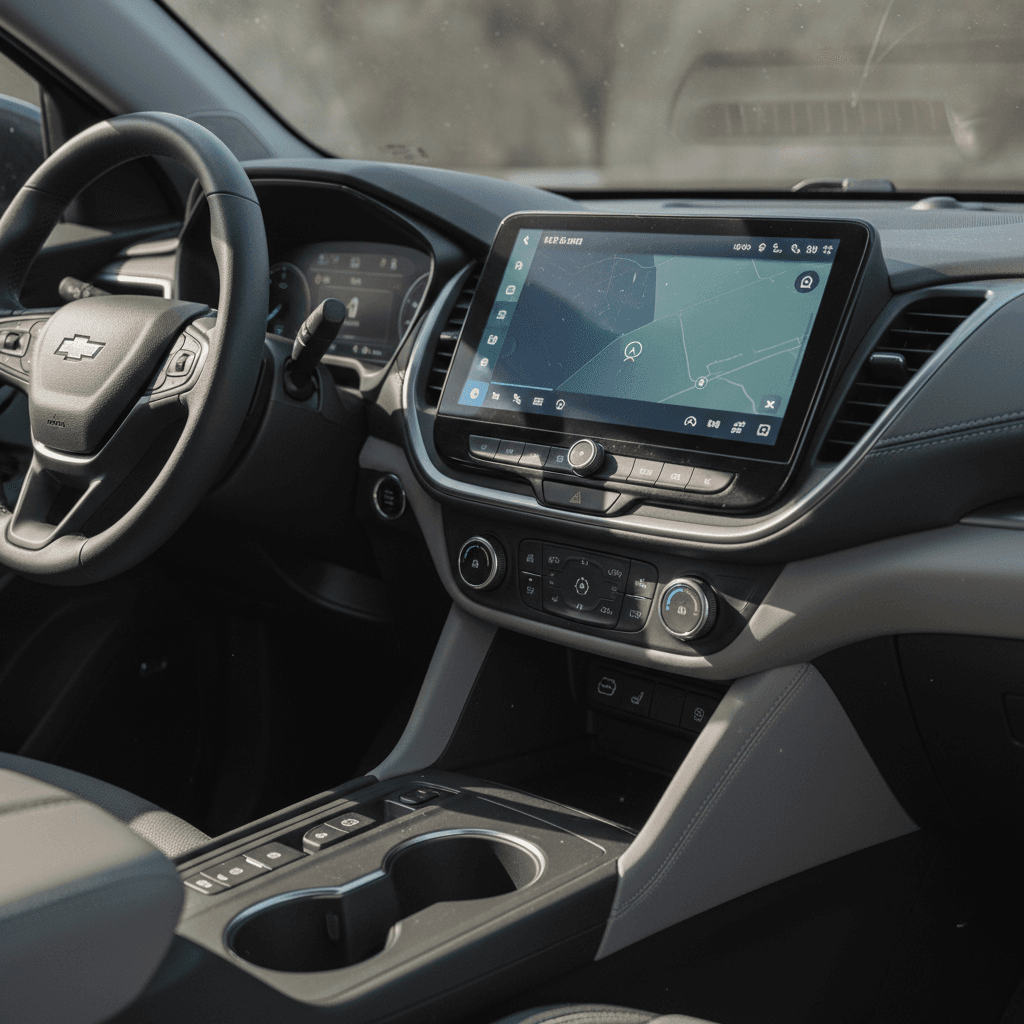
Charging: what it’s like to live with each
Same platform, slightly different ecosystems.
Home charging
- Both SUVs can use a typical Level 2 home charger (usually 32–48 amps on a 240‑volt circuit).
- Expect to add roughly 25–35 miles of range per hour, depending on the charger and trim.
- Honda highlights home‑charging bundles and incentives; Chevy leans on its dealer network and Ultium Charge 360 ecosystem.
If you’re new to EVs, read up on home EV charger installation basics before you commit.
Public DC fast charging
- Both SUVs support DC fast charging at around 150 kW peak.
- That translates to roughly 65–75 miles of range added in about 10 minutes under ideal conditions.
- Port type depends on build date and region: early models favor CCS; newer builds and future updates move toward NACS/Tesla compatibility.
If you road-trip often, it’s worth asking the dealer, or a used EV retailer like Recharged, exactly which connector and adapter setup your specific vehicle has.
Connector confusion is real
Tech & infotainment: Google built-in vs Google plus CarPlay
Here’s where these siblings turn into rivals. Both SUVs lean on Google software, but Chevy has taken a firm stand against phone mirroring, while Honda embraces it. For many shoppers, this is the single most emotional difference between the two.
Chevy Equinox EV: Google built-in, no CarPlay
- Large, crisp central touchscreen (around 17.7 inches in many trims) plus a digital instrument cluster.
- Google built‑in runs Maps, Assistant, and the Play Store without your phone.
- No Apple CarPlay or Android Auto, by design. You’re living fully inside GM’s software world.
- Over‑the‑air updates can add features and improve route planning over time.
If you’ve spent years building routines around CarPlay or Android Auto, this is a big mental shift.
Honda Prologue: best of both worlds
- Also features Google built-in for navigation and voice control.
- Wireless Apple CarPlay and Android Auto remain standard across trims.
- Drivers can bounce between native Google Maps and their preferred phone apps.
- Interface and steering‑wheel controls will feel familiar if you’ve driven recent Hondas.
For many shoppers, the Prologue wins on infotainment simply because it lets you keep using the apps you already like.
How to decide on tech
Space, comfort, and cargo: living with each SUV
On the road, both of these EVs feel like proper compact-to-midsize crossovers. The Prologue is a bit larger overall and offers more cabin volume, while the Equinox EV counters with a friendlier price and still‑usable family space.
Key dimensions and interior space
For families, the big questions are legroom, headroom, and cargo volume. Here’s how these two stack up.
| Measurement | 2025 Equinox EV | 2025 Prologue |
|---|---|---|
| Overall length | ≈190.6 in | ≈192 in |
| Wheelbase | ≈116.3 in | ≈121.8 in |
| Passenger volume | ≈102 cu ft | ≈108–112 cu ft (by trim) |
| Cargo behind 2nd row | ≈26 cu ft | ≈24–25 cu ft (by trim) |
| Max cargo volume | ≈57 cu ft | ≈55–58 cu ft (by trim) |
Figures can vary slightly by trim and wheel/tire package.
- Families who prioritize easy parking and city maneuverability may prefer the slightly smaller, nimbler Equinox EV.
- Those who want a more open cabin and a bit more people space will gravitate toward the Prologue.
- Both offer adult‑friendly rear seats and competitive cargo room for strollers, sports gear, and road‑trip luggage.
Bring the car seats and stroller
Safety, driver aids, and warranty
Ultium or not, it’s still an SUV carrying people you care about. Both the Equinox EV and Prologue arrive with deep rosters of standard safety tech and EV‑typical battery warranties designed to calm first‑time buyers.
Safety & peace of mind
Similar coverage, slightly different feel.
Active safety features
Both SUVs include:
- Automatic emergency braking
- Lane‑keeping assist
- Adaptive cruise control (trim‑dependent)
- Blind‑spot monitoring and rear cross‑traffic alerts
Higher trims add 360‑degree cameras, parking assists, and more.
Battery & EV component warranty
- Typical EV warranty of around 8 years/100,000 miles for high‑voltage components.
- Coverage includes defects and, in many cases, excessive degradation below a defined capacity threshold.
- Standard bumper‑to‑bumper and powertrain coverage runs in the 3‑year/36,000‑mile and 5‑year/60,000‑mile neighborhood.
Driver-assist extras
- Equinox EV can be optioned with GM’s Super Cruise hands‑free highway assist on some trims.
- Prologue focuses on Honda Sensing, with lane centering and advanced cruise control but no full hands‑free system (at least at launch).
- Both continue to improve through software updates over time.
Which SUV fits you? Scenarios to make the choice easy
If you line these two up spec sheet to spec sheet, they’re close enough that it’s easy to get lost in the weeds. Instead, think about how you actually drive and what bothers, or delights, you every day. Here are a few realistic buyer profiles.
Match your life to the right Ultium SUV
1. Value-focused commuter or young family
You want an EV SUV that doesn’t wreck your budget but still feels modern. Here the Equinox EV shines: lower pricing, competitive range, and plenty of space. As long as you’re OK living without CarPlay/Android Auto, it’s compelling everyday transportation.
2. Tech-lover who lives in Apple CarPlay
Your playlists, podcasts, messages, and maps all live in your phone’s ecosystem. Giving that up feels like a dealbreaker. The Prologue is the obvious pick: you keep wireless CarPlay/Android Auto while still getting Google built‑in as a backup.
3. Highway road-tripper
You regularly knock out long highway hauls and care more about range and charging than fancy interior trim. The Equinox EV’s slightly better range and GM’s lead in integrating with major fast‑charging networks may make it the smarter long‑leg choice.
4. Comfort-first driver moving up from a Honda SUV
You’re used to the way Hondas feel and age, and you want your first EV to feel like a natural step up. The Prologue’s interior materials, seat comfort, and familiar controls will make the transition much smoother.
Where a used EV retailer fits in
What to know if you’re considering a used Equinox EV or Prologue
Because these SUVs are new to the market, early used examples will mostly be lease returns, demos, or one‑owner vehicles. That’s good news, you’re likely to find low miles and lots of warranty life left, but it also means you need to pay close attention to software, charging hardware, and how the first owner treated the battery.
Used Equinox EV or Prologue: smart buyer checklist
1. Verify battery health, not just mileage
EV mileage doesn’t tell the whole story. You want to know how the pack has aged. At Recharged, every vehicle gets a <strong>Recharged Score Report</strong> with verified battery health, so you aren’t guessing about range years down the road.
2. Confirm charging port type and adapters
Ask which connector the vehicle has (CCS or NACS) and whether it includes a DC fast‑charging adapter for the other standard. This can dramatically change which public networks are practical for you.
3. Check software version and feature set
Updates can improve range estimates, charging behavior, and infotainment features. Make sure the SUV is on current software, and verify whether it includes features like Super Cruise (Equinox) or specific Honda Sensing advanced assists (Prologue).
4. Look for transparent pricing vs new
Compare used pricing against new‑vehicle incentives and financing offers. Sometimes a nearly new Equinox EV or Prologue with strong battery health and a lower monthly payment from a marketplace like Recharged will beat a new lease financially.
5. Test the real-world charging experience
On a test drive, plug into a local DC fast charger or Level 2 station if possible. Watch charge speed, how the software estimates time to full, and how easy the apps and payment systems are to live with.
How Recharged simplifies used Ultium SUVs
Ready to find your next EV?
Browse VehiclesChevy Equinox EV vs Honda Prologue: FAQ
Frequently asked questions
Bottom line: how to choose with confidence
When you strip away the marketing, the Chevy Equinox EV vs Honda Prologue decision comes down to three things: budget, tech preferences, and how you use your SUV. The Equinox EV delivers more range for less money and feels like a smart, pragmatic choice if you’re willing to live full‑time in GM’s Google‑based software. The Prologue costs more but wraps the same Ultium bones in a more upmarket cabin and lets you keep the Apple CarPlay or Android Auto habits you already love.
If you’re still on the fence, drive them back‑to‑back and pay attention to the details: how the seats feel after 45 minutes, how intuitive the screens are, and how confident you feel about charging on your usual routes. And if you’re exploring the used market, Recharged can help you compare real‑world battery health, ownership costs, and financing side‑by‑side, so the Ultium SUV you pick is the one that stays a good fit for years, not just on delivery day.