If you’re considering a Chevy Bolt EV, especially a used one, you’ve probably noticed the impressive EPA range numbers. But what you really care about is Chevy Bolt EV real-world range on the highway at 70–80 mph, with luggage in the back and the climate control on. That’s where expectations and reality often diverge.
Key takeaway up front
Chevy Bolt EV highway range at a glance
Real-world Chevy Bolt EV highway ballpark
Those numbers aren’t official lab results, they’re grounded in how owners actually use these cars: interstate road trips, 70–80 mph cruise, and normal use of heat or A/C. The Bolt can absolutely achieve its EPA range, but that usually happens at lower speeds, in warmer temperatures, and on mixed city/highway routes rather than long, fast highway stretches.
EPA range vs real-world Bolt EV highway numbers
To make sense of real-world highway range, it helps to start with the official ratings. Here’s how the Bolt EV and Bolt EUV are rated and how they tend to behave at speed.
Chevy Bolt EV & EUV: EPA vs typical highway range
Approximate real-world highway range assumes a healthy battery, 70–75 mph cruising, mild temps (around 70°F), and light climate control use. These are estimates, not guarantees.
| Model / years | EPA combined range | Typical highway range at 70–75 mph | Conservative winter highway estimate (freeway-focused) |
|---|---|---|---|
| Bolt EV (2017–2019) | 238 mi | ~180–200 mi | ~130–160 mi |
| Bolt EV (2020) | 259 mi | ~190–210 mi | ~140–170 mi |
| Bolt EV (2022–2023 refresh) | 259 mi | ~190–220 mi | ~150–175 mi |
| Bolt EUV (2022–2023) | 247 mi | ~180–210 mi | ~140–170 mi |
Use this as a planning tool, not a promise, conditions can swing results significantly.
Why EPA doesn’t equal interstate range
In my years analyzing vehicle tests, the same pattern repeats: city-heavy cycles flatter EVs, while steady high speeds expose aerodynamic drag. The Bolt’s upright hatchback shape isn’t a slipperiest-in-class aero champ, so once you’re cruising above about 65 mph, you’re asking more of the pack every mile you cover.
How speed, weather, and weight change your highway range
Three main factors explain why your Chevy Bolt EV real-world range on the highway can swing by 30% or more: speed, temperature, and how heavily you load the car.
The three biggest highway range killers
Understand these, and your Bolt becomes predictable on road trips.
1. Speed
Above about 65 mph, aerodynamic drag climbs quickly. Jumping from 65 to 75 mph can often cost you 10–15% of your range, and 80 mph can erode even more.
Set cruise control a few mph lower and you gain real miles without much extra travel time.
2. Temperature & climate control
EVs use energy to heat or cool both the cabin and, at times, the battery. At freezing temps, a Bolt highway trip can see 20–25% less range than in mild weather, especially with the heat cranked.
Heated seats and wheel draw far less energy than blasting cabin heat.
3. Weight & wind
Roof boxes, bike racks, and a full load of passengers & cargo increase both drag and rolling resistance. That can shave another 5–10% off your highway range, particularly at higher speeds.
If you’re road-tripping, try to keep tall accessories off the roof when you can.
Easy way to estimate range on the fly
Highway range: Bolt EV vs Bolt EUV
If you’re cross-shopping a used Bolt EV and used Bolt EUV, the good news is that their real-world highway ranges are quite similar. Both share essentially the same battery pack and similar drivetrains.
Bolt EV (hatchback)
- Lighter and a bit more aerodynamic.
- Tends to deliver slightly better efficiency, especially around town.
- On the highway, expect a modest edge, maybe 5–10 extra miles under identical conditions.
Bolt EUV (slightly larger crossover)
- More rear legroom and a more SUV-like feel.
- EPA rating is a touch lower (247 miles vs 259 for some Bolt EVs).
- In real-world highway use, you’ll typically see nearly the same range, within a few percent of a Bolt EV.
Bottom line on EV vs EUV
Used Bolt EVs and battery degradation: what to expect
Because every Bolt on the market today is a used vehicle, it’s natural to ask how much range you’ll lose from battery aging. Chevy’s pack chemistry in the Bolt has proven reasonably robust when properly managed, and GM’s recall-driven battery replacements mean many cars are running on newer packs than their model year suggests.
- A well-cared-for Bolt with an original pack often shows modest degradation after several years, many owners report losses in the 5–10% range.
- Recall-battery cars may have nearly fresh full capacity, since the replacement packs are newer than the chassis.
- Aggressive DC fast charging in hot climates and repeated 100% charging/parking full can accelerate wear, though the Bolt’s thermal management helps protect the pack.
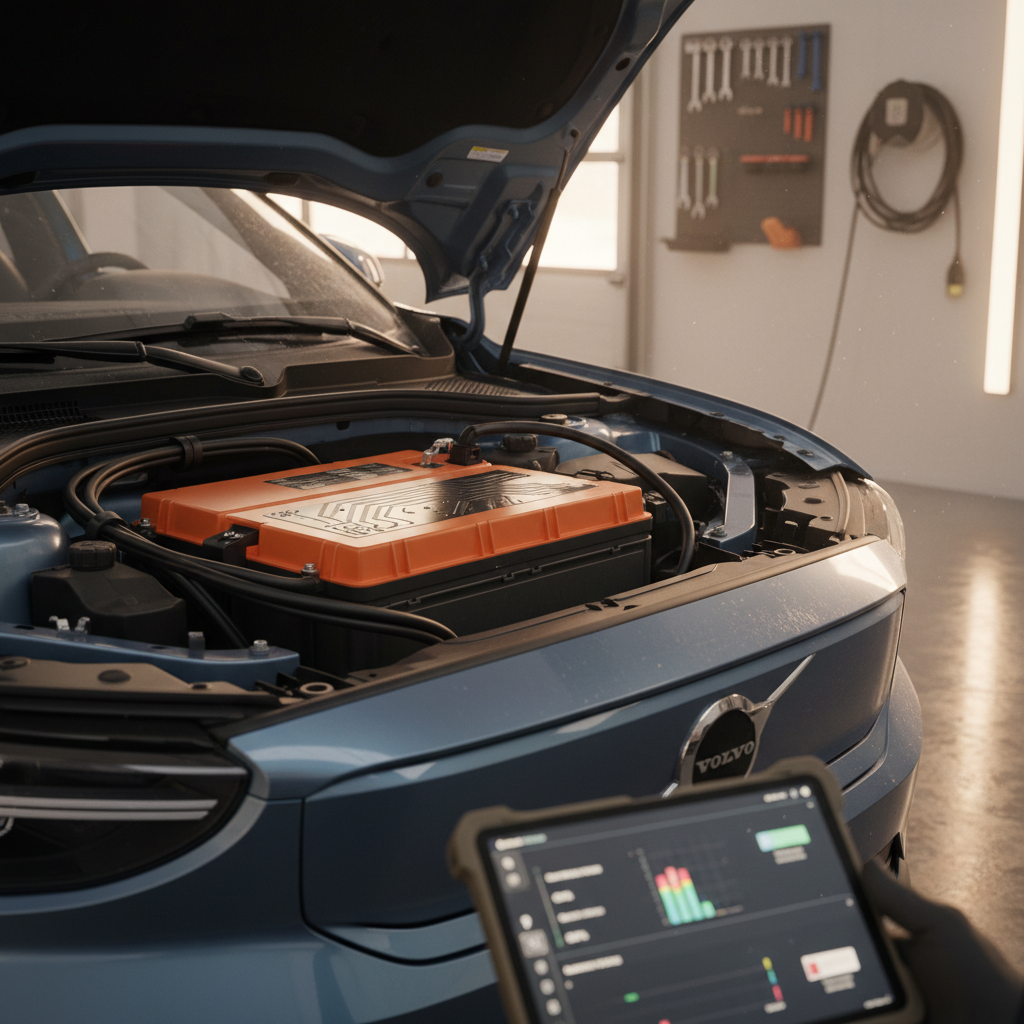
How Recharged verifies real range potential
From a shopper’s standpoint, the right question isn’t “Will I still get EPA range?” but rather “How far can this particular Bolt go at 70–75 mph between fast charges?” That’s what battery health plus real-world driving patterns determines, and it’s exactly where objective testing pays off.
How to stretch your Chevy Bolt’s highway range
You don’t have to baby the car to get respectable numbers, but a few smart habits will noticeably improve your Chevy Bolt EV real-world range on the highway.
Practical ways to go farther between fast charges
1. Set a realistic cruise speed
Dropping from 78 mph to 70 mph can save a surprising amount of energy. On longer legs, that can be the difference between arriving with 10–15% battery or needing an extra stop.
2. Precondition while plugged in
Use the myChevrolet app or cabin preconditioning while the car is still plugged in. That warms or cools the cabin and, in some cases, the battery without eating into your driving range.
3. Use seat and wheel heaters first
In cold weather, the resistive cabin heater is energy-hungry. Rely on heated seats and steering wheel as much as possible, and use lower temperature settings on the main climate system.
4. Pack smart, avoiding drag
If you don’t absolutely need a roof box or bike rack on a given trip, leave it off. Anything that sticks into the airstream costs range at 70–80 mph.
5. Watch the energy screen, not just the guess-o-meter
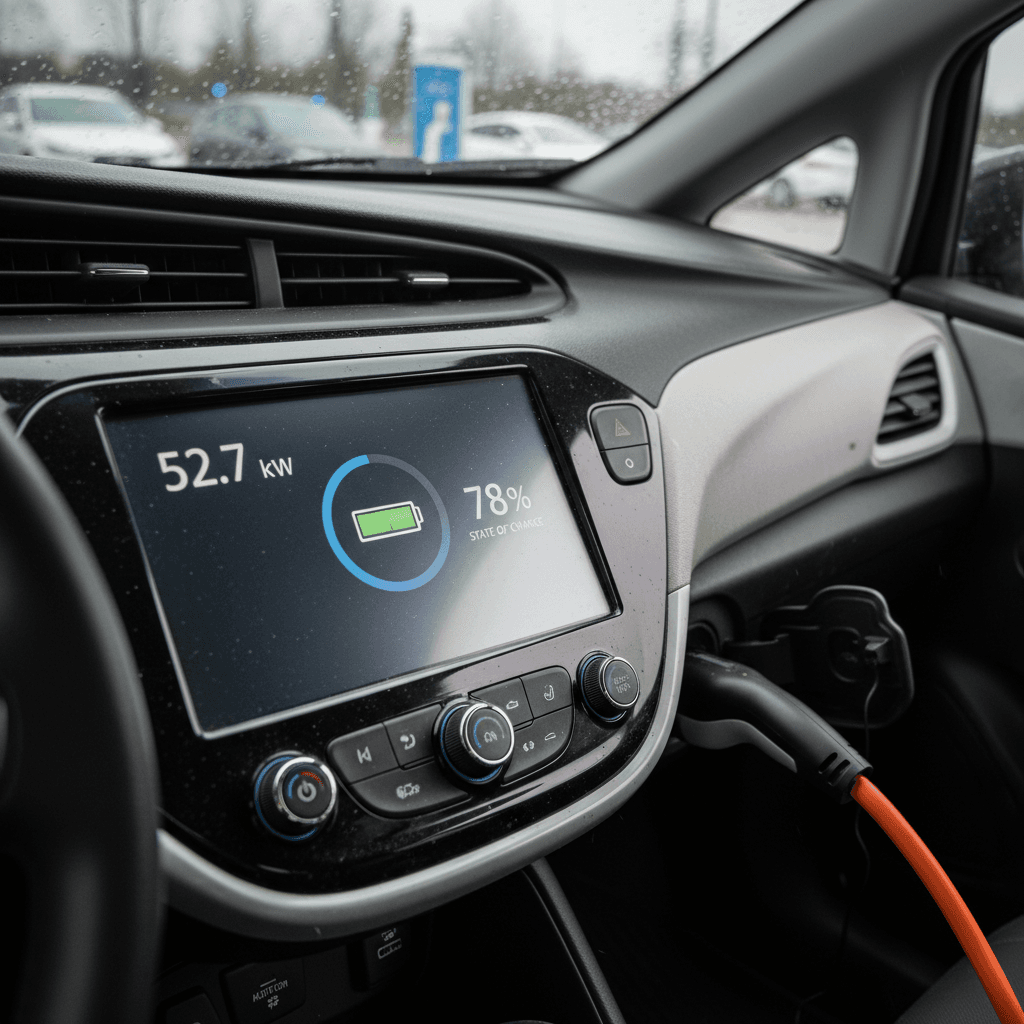
The range estimate on the dash is helpful, but the <strong>energy usage screen</strong> gives you mi/kWh and historical trends. That’s a better way to understand how current conditions are affecting range.
6. Plan for 10–20% arrival buffer
On longer legs, plan to arrive at the next DC fast charger with at least 10–20% state of charge. That buffer protects you against surprise headwinds, detours, or weather changes.
Don’t run the pack to empty on purpose
Planning road trips in a Bolt EV or EUV
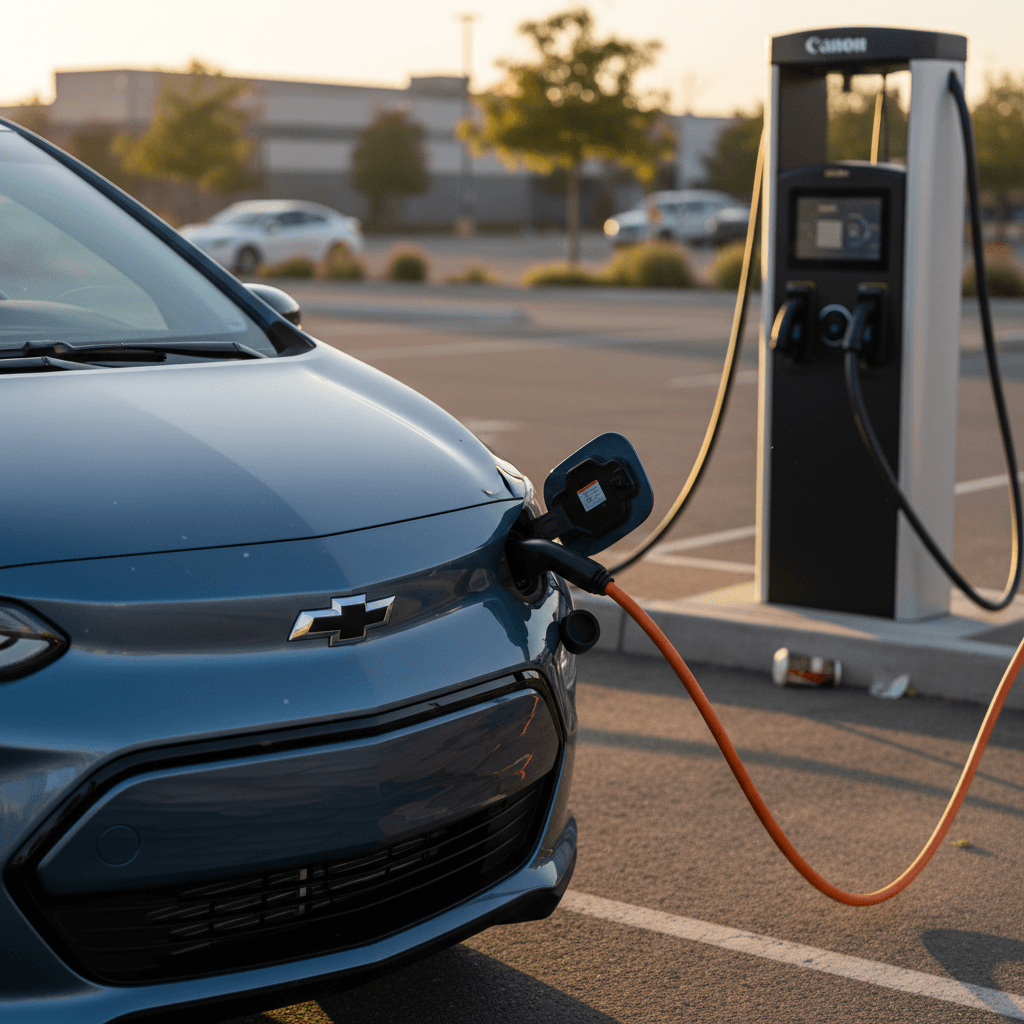
The other half of the real-world range story is how often you’ll need to stop and how those stops feel in practice. The Bolt’s DC fast-charging speeds aren’t as blistering as some newer EVs, but with realistic planning it can be a perfectly pleasant road-trip companion.
Bolt highway road-trip planning: what works well
Use these rules of thumb when planning your first long drive.
Plan around 110–125-mile legs
Given typical Bolt EV highway range of 180–220 miles, planning DC fast-charging stops about every 110–125 miles keeps you in the comfortable middle of the pack’s charge curve.
You’ll usually be charging from ~20–60%, where DC speeds are more favorable.
Expect 25–45 minute DC sessions
On many stations, going from roughly 20% to 70–80% state of charge will take around 25–45 minutes, depending on station power, temperature, and how busy the site is.
Treat those as built-in breaks for food, bathrooms, and stretching.
Use the right planning tools
- Apps like A Better Routeplanner, PlugShare, or charging-network apps let you plug in your Bolt’s efficiency and charge profile for more accurate plans.
- Set conservative assumptions for winter or higher speeds so your estimate matches your comfort level.
Test your own car locally first
- Before a long trip, do a 70–75 mph loop near home and note mi/kWh and the energy screen’s projections.
- Use that as your personal benchmark rather than just relying on other people’s numbers.
Quick reference: real-world Chevy Bolt EV highway range
To pull this together, here’s a simple cheat sheet tying weather and speed to approximate Chevy Bolt EV real-world range on the highway for a healthy-battery car.
Rule-of-thumb Chevy Bolt EV highway range by conditions
Assumes roughly 60 kWh usable battery and a pack in good condition. Numbers are ballpark and will vary by car and route.
| Conditions | Typical efficiency (mi/kWh) | Approximate usable range | Planning gap between DC chargers |
|---|---|---|---|
| 65 mph, ~70°F, light A/C | 3.6–4.0 | 215–240 mi | 130–150 mi |
| 70–75 mph, ~70°F, light A/C | 3.0–3.5 | 180–220 mi | 110–135 mi |
| 75–80 mph, ~70°F, light A/C | 2.6–3.0 | 155–190 mi | 95–120 mi |
| 70–75 mph, ~32°F, cabin heat on | 2.3–2.7 | 135–165 mi | 85–110 mi |
| 70–75 mph, <20°F, heavy heat, snow tires | 2.0–2.3 | 120–140 mi | 75–95 mi |
Treat these as planning starting points; your own testing should refine them.
How to tune this chart for your car
FAQ: Chevy Bolt EV real-world highway range
Frequently asked questions about Bolt highway range
Final thoughts: Is the Bolt’s highway range enough?
If your priority is affordable EV ownership with solid real-world range, the Chevy Bolt EV and EUV still make a compelling case. No, you won’t see the full EPA number cruising at 75–80 mph on a cold, windy day, but very few EVs do. What you can expect is roughly 180–220 miles of usable highway range in fair weather, predictable behavior once you understand your car’s mi/kWh, and road trips that feel more like planned breaks than forced delays.
Where shoppers get into trouble is assuming every used Bolt drives like a brand-new one. That’s why objective battery health data and realistic planning matter more than any single headline range number. If you’re looking at a used Bolt EV or EUV, starting with a thoroughly evaluated car, backed by diagnostics like the Recharged Score Report, and then applying the simple planning rules in this guide will give you confidence that the range you see on paper is the range you’ll actually live with on the highway.