When people talk about cheap electric driving, the Chevy Bolt EV is almost always in the conversation. But sticker price is only part of the story. To understand the real value, you need to look at Chevy Bolt EV long term ownership cost, charging, maintenance, insurance, depreciation, and, yes, battery health.
At a Glance
Why the Chevy Bolt EV is a Cost Leader
The Bolt launched as one of the first mainstream long‑range EVs you could buy without luxury-car money. Today, thanks to depreciation and federal incentives on some used EVs, it’s become one of the lowest total cost of ownership options on the market, new or used.
What Makes Bolt Ownership So Affordable?
Four structural advantages that show up in your long-term costs
Efficient Powertrain
Low Maintenance
Used Market Value
Flexible Charging
Those advantages don’t mean costs are zero. Electricity rates vary, some regions price insurance higher for EVs, and the Bolt’s battery recall history adds a layer of risk if you don’t know what you’re buying. Let’s unpack the major pieces so you can estimate your own long-term ownership cost with eyes wide open.
Key Cost Factors for Long-Term Bolt Ownership
- Purchase price or lease payment (new vs used, model year, LT vs Premier/EUV trims)
- Financing terms and interest rate
- Electricity cost and how much you fast charge
- Maintenance and repairs (including tires and brakes)
- Insurance, registration, and taxes
- Battery health and recall status
- Depreciation and eventual resale value
Think in Cost per Mile
5-Year Chevy Bolt EV Cost of Ownership Example
To make this concrete, let’s walk through an illustrative 5‑year scenario for a used Chevy Bolt EV. These are ballpark figures, not guarantees, but they’ll show you how the big pieces stack up.
Sample 5-Year Ownership Snapshot (Used Bolt EV)
Illustrative 5-Year Cost of Ownership: Used Chevy Bolt EV
Approximate numbers for a high‑mileage commuter, 18,000 miles per year, typical U.S. electricity rates, and average insurance. Your real numbers will differ by region and credit profile.
| Category | Assumption | 5-Year Total | Notes |
|---|---|---|---|
| Vehicle Price & Interest | $20,000 purchase, 10% down, 3.5% APR, 60 months | ≈$21,800 | Includes ~$1,800 in total interest |
| Electricity | Home charging at $0.14/kWh, 4 mi/kWh, 18,000 miles/year | ≈$12,600 | (18,000 / 4) × $0.14 × 5 years |
| Public DC Fast Charging | Occasional road trips, 10% of miles at higher rates | ≈$1,000 | Highly sensitive to how often you fast charge |
| Maintenance & Repairs | Tires, cabin filters, brake fluid, alignment, misc. | ≈$3,000 | Assumes no major out‑of‑warranty failures |
| Insurance | $1,400/year (mid‑market), varies widely | ≈$7,000 | Young drivers or high‑cost states may be higher |
| Registration & Taxes | State fees and EV surcharges where applicable | ≈$1,000 | Some states add EV road‑use fees |
| Total (5 Years) | All categories combined | ≈$46,400 | On 90,000 miles, that’s ≈$0.51 per mile |
This table assumes a $20,000 used purchase, 3.5% APR financing over 60 months, and mostly home charging.
Use This as a Framework, Not a Quote
Charging Costs: Home vs. Public Fast Charging
Energy is where EVs usually win big, and the Bolt is no exception. But the gap between cheap home charging and expensive public fast charging is wide enough that your habits really matter.
Home Charging Costs
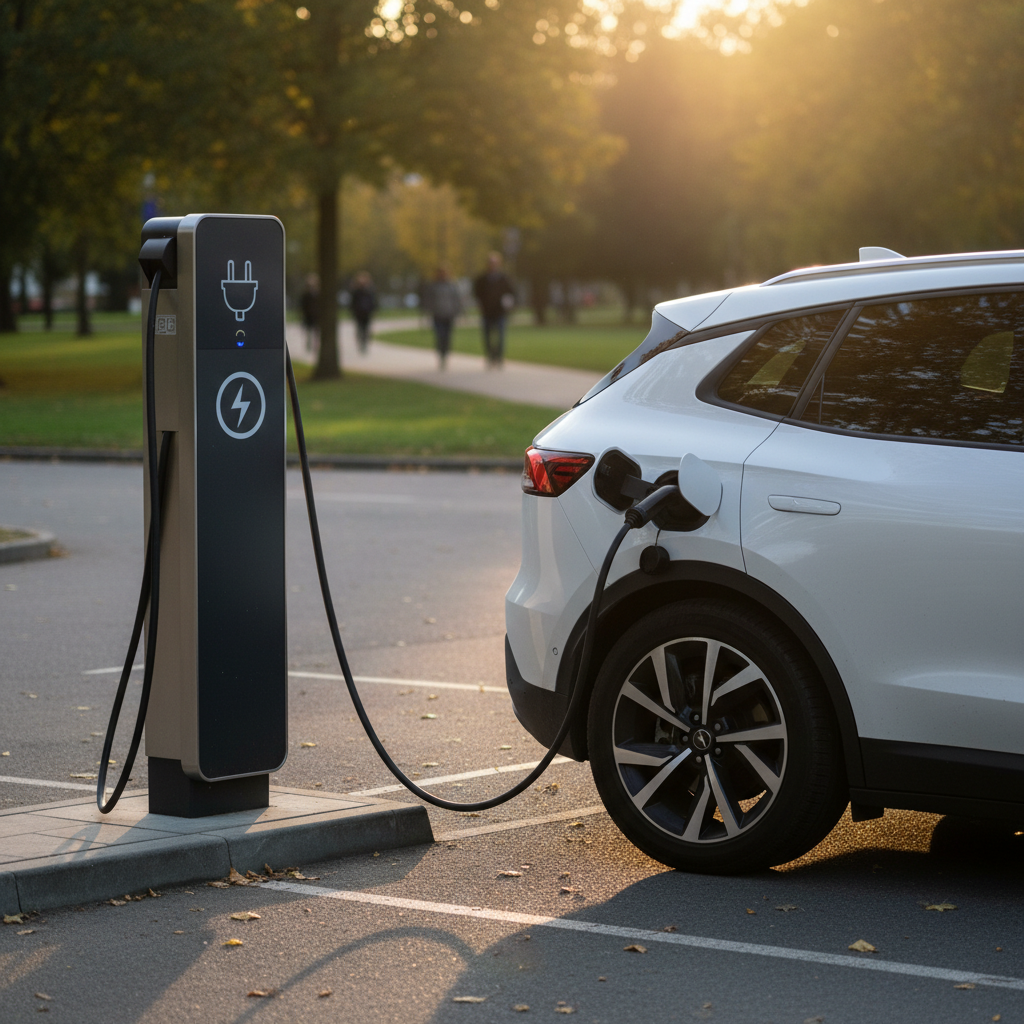
If you can plug in at home, you’ll almost always pay the lowest possible rate for energy, especially if your utility offers off‑peak pricing.
- Typical residential rate: $0.12–$0.20 per kWh in many U.S. markets
- Bolt efficiency: often around 3.5–4.0 miles per kWh in mixed driving
- Cost per mile: roughly $0.03–$0.06 per mile in many regions
At 15,000 miles per year, that’s only about $450–$900 in electricity for a year of driving.
Public DC Fast Charging Costs
Fast charging is convenient for road trips and apartment dwellers, but it’s noticeably more expensive.
- Typical rate: often $0.30–$0.50 per kWh at major networks
- Cost per mile: $0.09–$0.14 per mile for a Bolt
- Use case: great for road trips, bad as your main fuel source if you’re cost‑sensitive
If you rely heavily on DC fast charging, your long‑term Bolt ownership cost starts to look a lot more like a fuel‑efficient gas car.
Blend Home and Public Charging Strategically
Maintenance and Repair Costs
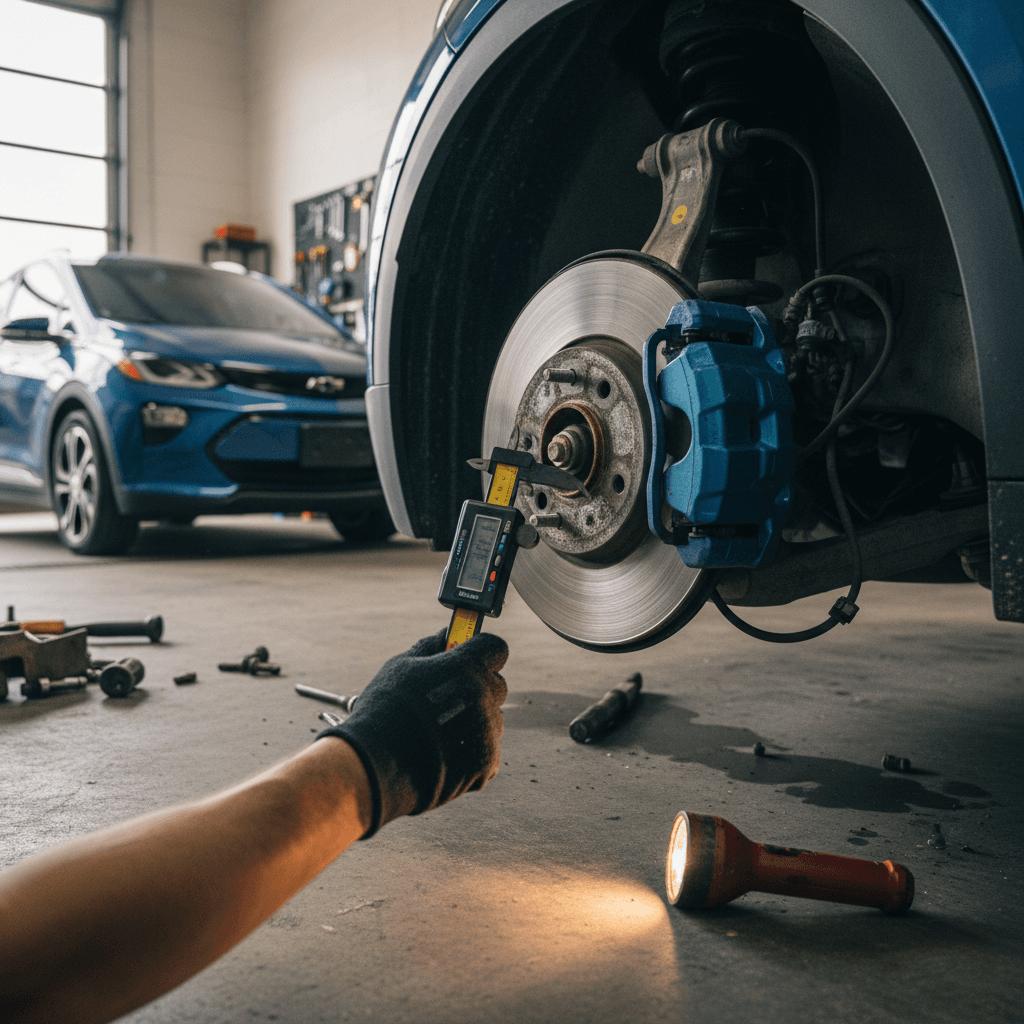
Compared with a conventional hatchback, the Bolt’s maintenance schedule is refreshingly boring. There’s no engine oil, no spark plugs, no timing belt, and the friction brakes work so lightly that pads can last well past 100,000 miles with mostly city driving.
Typical Long-Term Maintenance Items on a Bolt EV
What you’ll actually spend money on over 5–10 years
Tires
Cabin Air Filter & Fluids
Alignment, Suspension, Misc.
Where EVs Quietly Save You Money
Battery Health, Recalls, and Long-Term Risk
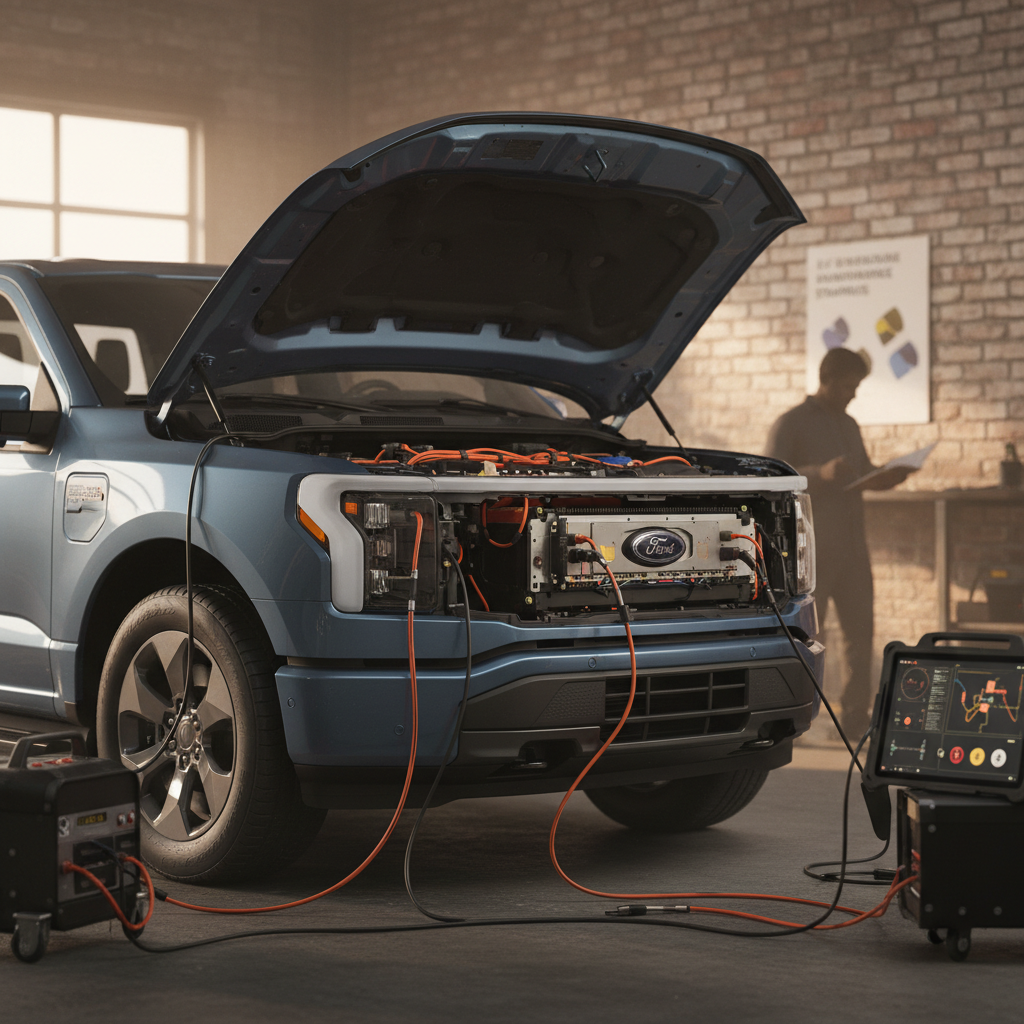
No long‑term Chevy Bolt EV cost conversation is honest without talking about battery health and the widely publicized LG Chem battery recall. Early‑build Bolt EVs had a defect that could, in rare cases, cause fires. GM ultimately replaced many packs under recall and updated software to add monitoring and limits.
- Many affected 2017–2022 Bolt EV and EUV models have already received full battery replacements under recall, effectively giving them a “new” pack with zero or very low mileage.
- Replaced packs often carry fresh warranty coverage, which can meaningfully reduce your long‑term risk compared with a non‑replaced pack.
- Unresolved recall units or cars with mixed documentation can introduce both safety concerns and resale challenges, buyers and lenders notice.
Don’t Ignore Recall Status
How to Protect Yourself on Battery Costs
1. Verify Recall Completion by VIN
Run the VIN through GM’s recall lookup and ask the seller for service records. You want explicit confirmation of whether the car received a new pack or only a software update.
2. Review Real-World Range
On a full or near‑full charge, compare indicated range to EPA estimates for that model year. Large unexplained gaps can hint at degradation or abnormal use patterns.
3. Check DC Fast-Charger Usage
Heavy fast‑charging isn’t a guaranteed problem, but consistent long‑term use at high states of charge can accelerate degradation. Ask the previous owner how they typically charged.
4. Get Independent Battery Health Data
Where possible, rely on <strong>third‑party diagnostics</strong> rather than just a dashboard guess. At Recharged, every vehicle includes a <strong>Recharged Score Report</strong> with verified battery health so you aren’t buying blind.
Depreciation and Resale Value
Depreciation is a double‑edged sword with the Bolt. Early buyers took a hit as EV incentives expanded and newer models launched. For current buyers, that pain has turned into opportunity, especially in the used market.
What Depreciation Means for You
- If you’re buying used: You’re catching the Bolt after its steepest drop, which often means a lower monthly cost per mile versus a new gas car.
- If you plan to own 8–10+ years: Depreciation becomes less important than reliability and battery health. A well‑maintained Bolt with a fresh pack can be a very cheap high‑mileage commuter.
- If you might sell in 3–5 years: Expect further price pressure as newer, longer‑range EVs enter the used market, but also remember that gas cars will be depreciating too.
How to Limit Depreciation Risk
- Buy used rather than new whenever possible, especially for 2020–2023 model years.
- Prioritize clean history reports and documented battery work; these cars are easier to resell.
- Keep your state of health strong by avoiding chronic 100% charging and storing the car at moderate charge levels when parked for long periods.
Insurance, Registration, and Taxes
Insurance on a Bolt can go either way depending on your profile. Some insurers still rate EVs a bit higher because of expensive components and limited repair networks, while others now treat mainstream EVs similarly to comparable gas models.
- If you’re coming from an older, fully depreciated car, expect your comprehensive and collision premiums to rise simply because the Bolt is newer and more valuable.
- In many states, registration fees are similar to gas cars, but some states add an annual EV fee in lieu of gas taxes.
- Local incentives can partially offset ownership costs, reduced registration fees, HOV access, or home charger rebates are worth checking before you buy.
Compare Insurance Quotes with VIN in Hand
Chevy Bolt EV vs. Gas Car: Long-Term Cost Comparison
To understand whether a Bolt actually saves you money, compare it against a realistic gas alternative, not an abstract idea of “a cheap car.” Think about what you’d buy instead: maybe a Corolla hatchback, Civic, or small crossover.
Illustrative 5-Year Cost: Used Chevy Bolt EV vs. Used Efficient Gas Hatchback
Approximate, simplified example assuming similar purchase price but different fuel and maintenance costs, 15,000 miles per year.
| Category | Used Chevy Bolt EV | Used Gas Hatchback | Notes |
|---|---|---|---|
| Purchase & Interest | ≈$21,800 | ≈$21,800 | Assuming similar price and financing |
| Energy/Fuel | ≈$3,750 (home charging) | ≈$9,000 (30 mpg, $3.60/gal) | EV advantage grows with mileage and fuel prices |
| Maintenance & Repairs | ≈$3,000 | ≈$5,000–$6,000 | Gas car adds oil, exhaust, transmission, etc. |
| Insurance | ≈$7,000 | ≈$6,500 | Can be slightly higher or lower depending on model |
| Registration & Taxes | ≈$1,000 | ≈$1,000 | Many states treat them similarly |
| Total (5 Years) | ≈$36,550 | ≈$43,300–$44,800 | EV saves ≈$6,700–$8,200 over 5 years in this scenario |
Your exact gap will depend heavily on fuel prices, electricity rates, and how much you drive.
Where the Bolt Usually Wins
Used Bolt EV Buying Checklist to Protect Your Wallet
If you’re buying a used Bolt EV or EUV, you’re already stacking the deck in your favor on depreciation. The next step is making sure you’re not inheriting someone else’s problems, especially on the battery and recall front.
Essential Used Bolt Ownership Cost Checklist
1. Confirm Recall & Warranty Status
Get the VIN and verify recall completion with GM. Ask for service records and confirm any battery replacement details and remaining high‑voltage warranty coverage.
2. Review a Battery Health Report
Don’t rely entirely on the dash range estimate. At Recharged, every Bolt listing includes a <strong>Recharged Score Report</strong> with third‑party battery diagnostics so you know the pack’s real condition before you buy.
3. Inspect Tires and Brakes
Tires and brakes can be your first big out‑of‑pocket expense. If they’re near end‑of‑life, factor replacement into your first‑year ownership cost.
4. Check Charging Hardware
Confirm that Level 2 and DC fast charging work properly and that all included charging cables are in good shape. Replacing EVSE hardware can cost hundreds of dollars.
5. Look at Previous Use Pattern
Ask how the previous owner used the car: lots of short‑trip city driving? High‑speed commuting? Frequent fast charging? None of these are deal breakers, but they help you interpret battery health data.
6. Run Your Own Cost Scenario
Use your actual mileage, local electricity and fuel prices, and real insurance quotes to build a 5‑year cost estimate. A marketplace like Recharged can help you compare several EVs side by side on total cost metrics, not just sticker price.
FAQ: Chevy Bolt EV Long-Term Ownership Costs
Frequently Asked Questions About Bolt EV Ownership Costs
Is a Chevy Bolt EV a Smart Long-Term Buy?
If your goal is to drive a lot of miles for as little money as possible, the Chevy Bolt EV and EUV are still among the most compelling tools for the job. Their combination of low energy costs, simple maintenance, and used‑market pricing turns them into quiet cost killers, as long as you take battery health and recall history seriously.
Run your own numbers using the framework in this guide, anchored in your real mileage, electricity rates, and insurance quotes. Then compare the Bolt against whatever gas or hybrid you’d realistically buy instead. In many scenarios, particularly with a well‑vetted used Bolt, the EV wins handily on long‑term ownership cost per mile.
If you want help finding the right car and quantifying its long‑term costs, a marketplace like Recharged can smooth out the process. Every vehicle includes a Recharged Score Report with verified battery health, fair market pricing, and EV‑specialist support, so you can focus on driving, and spending, more efficiently for years to come.