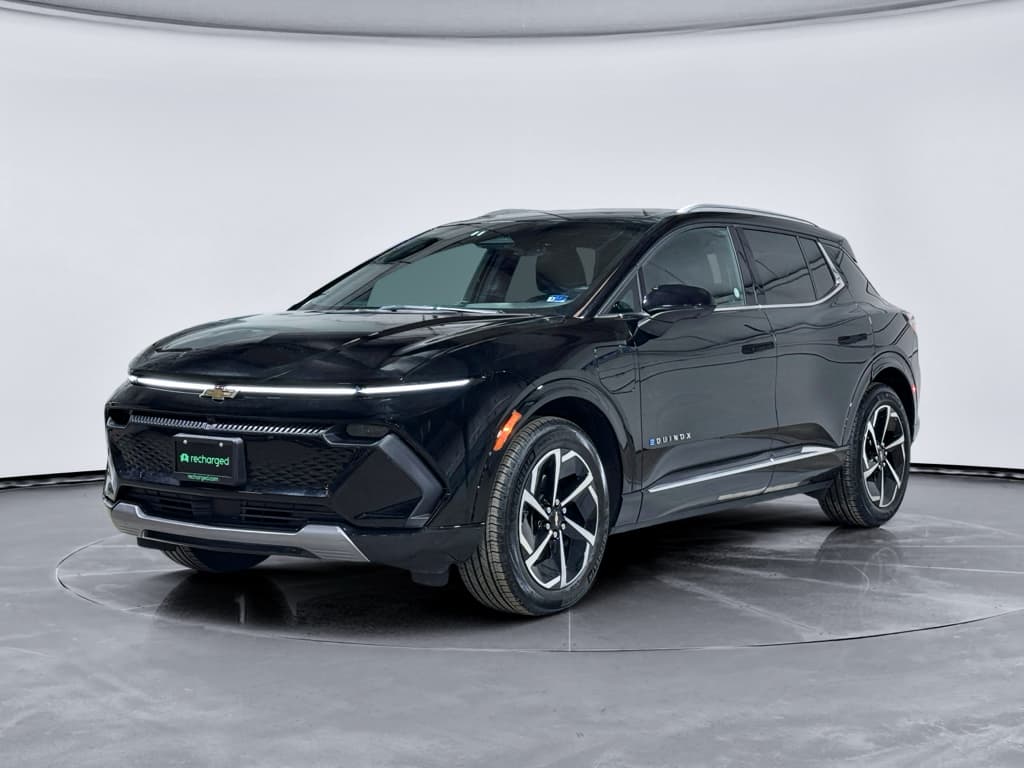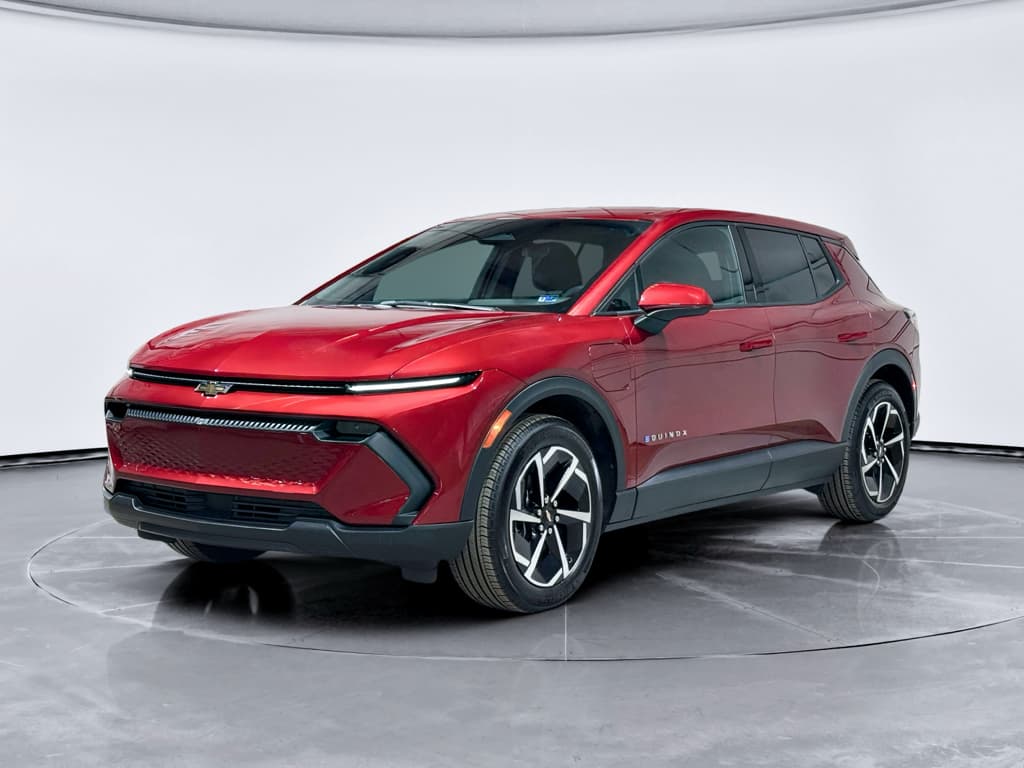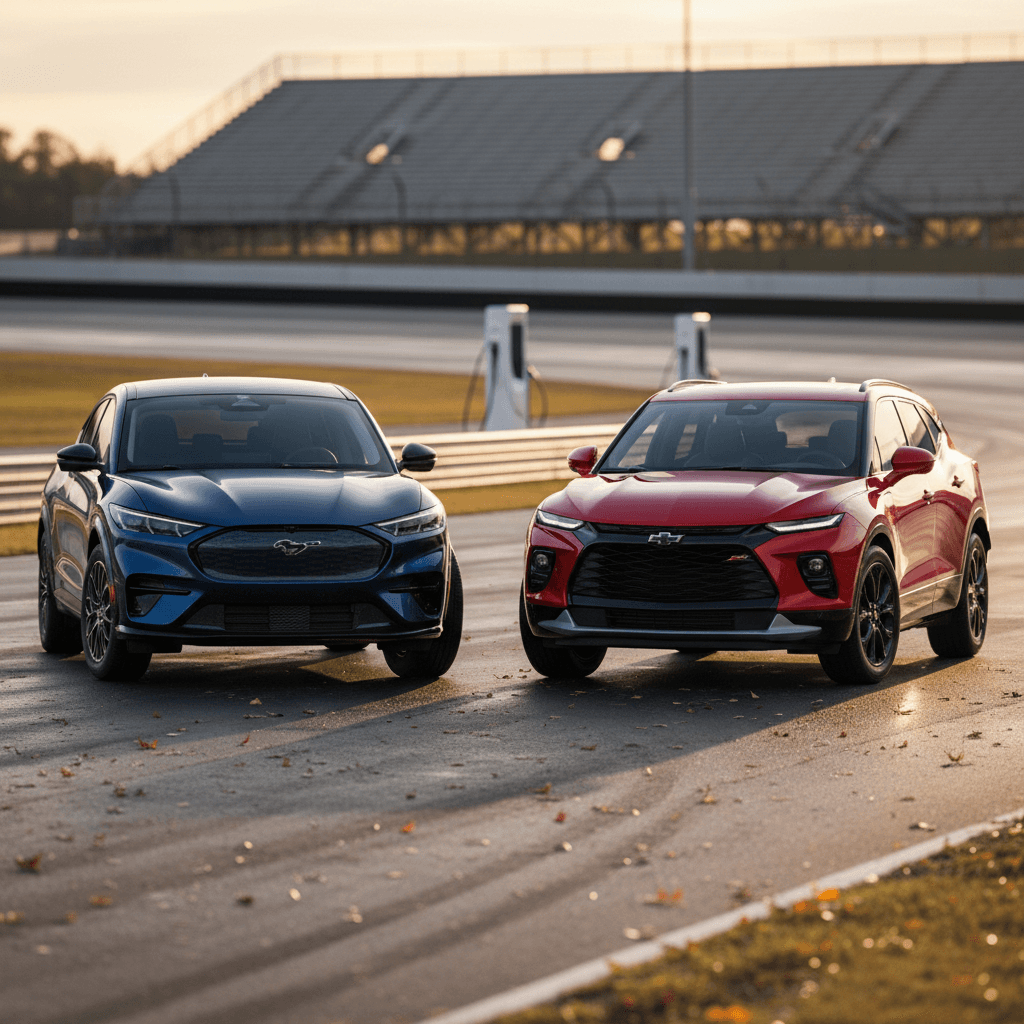
You don’t have to look far to see why shoppers are torn between the Chevy Blazer EV and the Chevy Equinox EV. They share the same Ultium platform, similar tech, and the same bowtie badge, but one is a bolder, midsize SUV and the other is a value-focused compact. If you’re trying to decide “Chevy Blazer EV vs Chevy Equinox EV, which is right for me?” this guide walks you through the differences like a test drive with a brutally honest friend riding shotgun.
Two EVs, Two Missions
Blazer EV vs. Equinox EV: Quick Overview
Chevy’s Electric SUV Siblings at a Glance
Same platform, different buyers in Chevy’s EV lineup
Chevy Equinox EV: The Value Play
Role: Compact two-row SUV that replaces the Bolt as Chevy’s affordable mainstream EV.
- Starting price around mid-$30,000s before incentives.
- Front-wheel drive (FWD) or all-wheel drive (eAWD).
- Up to about 319 miles of EPA range on FWD trims.
- Roomy but easy to park; great daily driver and family hauler.
Chevy Blazer EV: The Upscale Option
Role: Larger, sportier midsize SUV aimed at drivers who want style and punch.
- Starts roughly $10,000+ above an Equinox EV in similar trims.
- FWD and AWD options; earlier RWD versions have been phased out in some configurations.
- Max EPA range in the low- to mid-300-mile neighborhood depending on trim.
- More power, more presence, and more available performance.
Used EV Pro Tip
Price, Trims, and Who Each SUV Is For
GM’s strategy is pretty simple: the Equinox EV is meant to be the attainable, high-value electric SUV, while the Blazer EV covers the upscale and performance side of the market. That shows up loud and clear in the pricing and trim strategy.
Chevy Equinox EV vs Blazer EV: Approximate 2025 Pricing
MSRPs shown are ballpark figures for new models before destination charges, incentives, or dealer markups. Used pricing will vary by mileage, condition, and market.
| Model | Trim/Drivetrain | Role | Approx. Starting MSRP* |
|---|---|---|---|
| Equinox EV | LT FWD | Value leader, good range | Low-to mid-$30,000s |
| Equinox EV | RS FWD or eAWD | Sportier look, more features | Low-to high-$40,000s |
| Blazer EV | LT FWD / eAWD | Entry into midsize EV SUV | Mid-$40,000s and up |
| Blazer EV | RS eAWD | More style and power | Around $50,000–mid-$50,000s |
| Blazer EV | SS (AWD performance) | High-performance halo model | Around mid-$60,000s |
Expect the Equinox EV to undercut the Blazer EV by roughly a segment’s worth of price across similar trims.
Watch the Options
Who the Equinox EV Fits Best
- Budget-conscious buyers who still want modern tech and solid range.
- First-time EV owners stepping out of a compact crossover like a CR-V, RAV4, or gas Equinox.
- Families who prioritize practicality and lower monthly payments over performance.
- Commuters who want to maximize range per dollar and keep charging simple.
Who the Blazer EV Fits Best
- Drivers who care about style and want something that looks and feels more premium.
- Performance-minded owners who like strong acceleration and available SS-level punch.
- Families needing more cabin space for teens, car seats, or frequent road trips.
- Former V6 or sporty SUV drivers who don’t want their EV to feel like a downgrade.
Range, Battery Sizes, and Efficiency
On paper, the Chevy Blazer EV vs Chevy Equinox EV range story looks like a draw. In practice, it depends heavily on which drivetrain you pick and how you use the SUV.
Blazer EV vs Equinox EV: Key Range Numbers (Approximate EPA Estimates)
Both SUVs ride on GM’s Ultium platform, but the Equinox EV sticks with an 85 kWh battery across the lineup. The Blazer EV shares that pack on many trims but also offers a larger battery on certain models, which is how it nudges out a slight max-range advantage.
Range Comparison by Drivetrain (Approximate EPA Numbers)
Exact EPA ratings vary slightly by trim and wheel choice, but this snapshot shows how the two SUVs stack up.
| Model | Drivetrain | Approx. Max Range | What It Means |
|---|---|---|---|
| Equinox EV | FWD | Up to ~319 miles | Best range-per-dollar choice in Chevy’s EV SUV family. |
| Equinox EV | eAWD | Around 285–307 miles | Excellent all-weather range for an affordable dual-motor EV. |
| Blazer EV | FWD | Low 300s (~312 miles) | Similar to Equinox FWD range, with a larger, more upscale body. |
| Blazer EV | AWD | High 270s to low 280s | More power and weight slightly trim range vs Equinox eAWD. |
| Blazer EV | Select large-battery trims | Up to mid-330s | Best long-haul range in the lineup but at a premium price. |
Equinox EV wins on all-wheel-drive efficiency, while Blazer EV can edge ahead on overall max range in certain trims.
Real-World Range Reality Check
Performance: Comfort Cruiser or Sporty SUV?
The Equinox EV and Blazer EV share a lot of hardware, but they don’t feel identical from behind the wheel. One is tuned to be easygoing and confidence-inspiring; the other is happy to hustle.
How They Drive: Equinox EV vs Blazer EV
Same toolbox, different tuning and attitude
Equinox EV: Calm and Composed
- FWD models deliver smooth, quiet acceleration that feels quicker than most gas crossovers.
- eAWD versions bump output into the high-200-hp range with strong, secure traction.
- Ride tuning tilts toward comfort, making it an easy commuter or family shuttle.
- Low center of gravity from the battery helps it feel planted in corners.
Blazer EV: More Muscle, More Drama
- AWD and performance-oriented trims deliver noticeably stronger acceleration.
- Available SS performance version (depending on model year) is a genuine sport SUV, with 0–60 in the ~4-second range.
- Steering and chassis feel more eager, especially in sportier drive modes.
- Still quiet and refined, but with a bit more personality than the Equinox EV.
Driving Feel in Plain English
Space, Size, and Everyday Practicality
On the spec sheet, the Blazer EV is the larger SUV, and you feel that walking up to it. But Chevy has been clever with packaging, so the Equinox EV punches above its “compact” label in real-world usability.
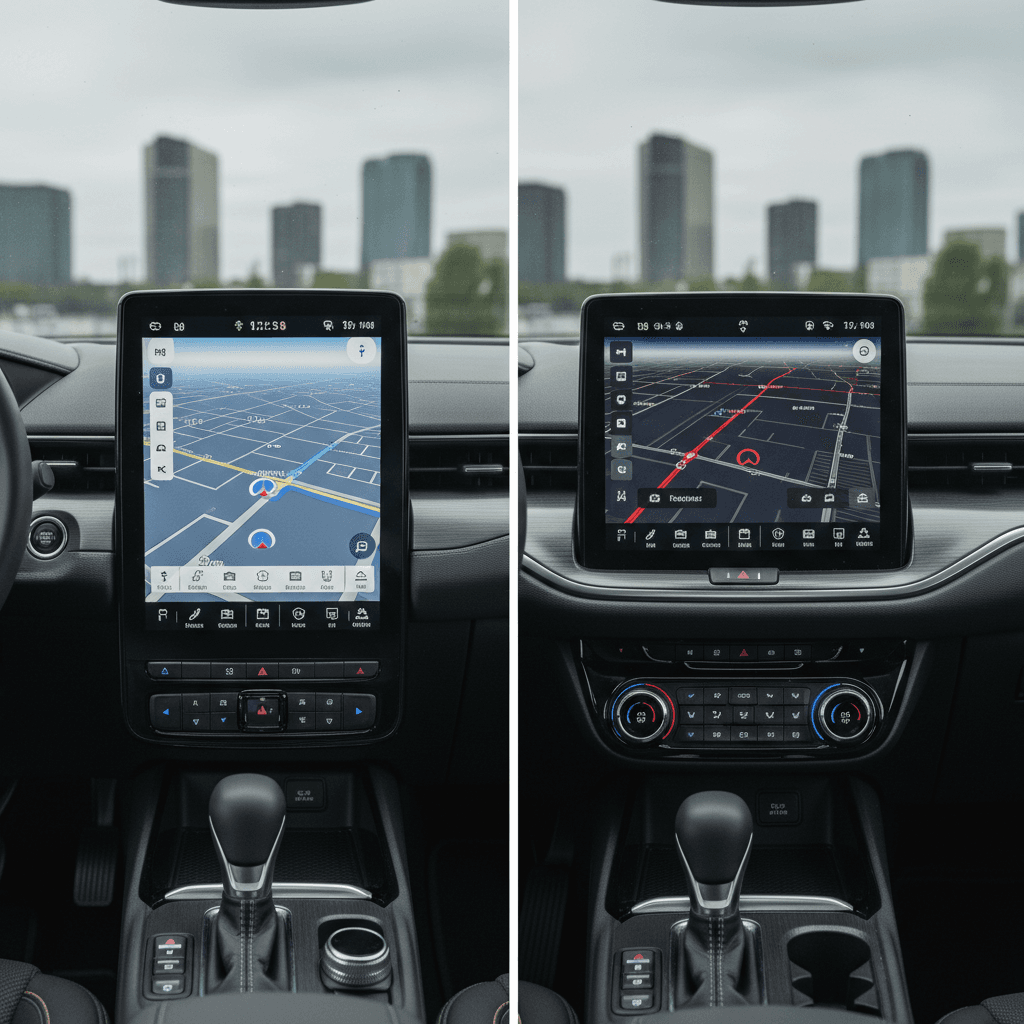
Interior Space and Cargo: Equinox EV vs Blazer EV
Dimensions vary a bit by trim and sunroof choice, but this comparison captures the overall story.
| Measurement | Equinox EV | Blazer EV | Why It Matters |
|---|---|---|---|
| Overall Size | Compact 2-row | Larger midsize 2-row | Blazer EV has more presence and a bit more stretch-out room. |
| Front Row Space | Plenty of head and leg room | Even more generous | Taller drivers may appreciate the Blazer EV’s extra legroom. |
| Second Row | Adult-friendly | More shoulder and hip room | Both work for kids and adults; Blazer EV is better with three across. |
| Cargo (Seats Up) | ≈26 cu ft | ≈25–26 cu ft | Equinox EV can actually edge ahead with the seats up in some configs. |
| Cargo (Seats Down) | ≈57 cu ft | ≈59 cu ft | Blazer EV offers the most total cargo room when you fold everything flat. |
Blazer EV is roomier overall, but the Equinox EV is surprisingly competitive on cargo space.
Family-Friendly Details
Charging Speed, Home Setup, and Road Trips
Here’s where the Chevy Blazer EV vs Chevy Equinox EV match up closely. Under the skin, they share similar charging hardware, so your day-to-day charging experience will feel nearly identical.
Charging: What Owners Can Expect
Same basic hardware, slightly different DC fast-charge ceilings
Level 2 Home Charging
- Both SUVs use an 11.5 kW onboard charger (about 48 amps).
- On a 240V Level 2 unit, expect roughly 30–35 miles of range added per hour.
- Overnight charging easily covers a full week’s commuting for many drivers.
DC Fast Charging on the Road
- Equinox EV peak DC rate: around 150 kW.
- Most Blazer EV trims also sit around 150 kW; some large-battery trims step up to roughly 190 kW.
- Think 70–80 miles of range added in around 10 minutes on a good fast charger.
Connector Types & Tesla Access
- Current Equinox EV and Blazer EV models use the CCS fast-charge port.
- Accessing many Tesla Superchargers requires a CCS-to-NACS adapter.
- Over time, Chevy is moving toward native NACS ports on future EVs; check the exact model year and charging port before you buy.
Safety First With Home Charging
Tech, Safety, and Everyday Features
Inside, the Blazer EV and Equinox EV look like they came out of the same design studio, and they did. If you’ve seen one, you’ll recognize the other: big screens, bold lines, and a whole lot of Google-powered tech.
Shared Tech Highlights
- 11-inch digital gauge cluster paired with a 17.7-inch central touchscreen on most trims.
- Google built-in for navigation, voice, and apps (note that wireless Apple CarPlay and Android Auto have been removed on newer software builds).
- Available Super Cruise hands-free driving on compatible roads.
- Standard Chevy Safety Assist suite with automatic emergency braking, lane keep assist, and more.
Where They Differ
- Cabin vibe: Blazer EV leans sporty with Camaro-inspired vents and bolder color choices. Equinox EV feels calmer and more traditional crossover.
- Seats and trim: Both offer cloth and Evotex (synthetic leather) options; Blazer EV’s higher trims skew more premium.
- Options packaging: Super Cruise, panoramic roof, and big wheels come in different packages and are more common on higher Blazer EV trims.
Living With the Infotainment
Ownership Costs, Incentives, and Resale
The purchase price is just one piece of the puzzle. Electricity vs gas, maintenance, tax credits, and resale all play into whether a Blazer EV or Equinox EV makes more sense for you.
Cost and Value: What to Expect
From incentives to long-term value, here’s how the numbers shake out
Tax Credits & Incentives
- New Equinox EV models are designed to hit key price and sourcing targets to qualify for federal tax credits in many configurations.
- Blazer EV eligibility has varied by trim, battery sourcing, and model year; check current rules before you buy.
- State and local incentives can further tilt the math in favor of the Equinox EV as the lower-priced model.
Maintenance and Repairs
- Both SUVs benefit from EV basics: no oil changes, fewer moving parts, and less brake wear thanks to regeneration.
- Tires may wear faster on heavier, high-torque EVs, especially on powerful Blazer EV trims.
- Out-of-warranty repairs on complex EVs can be pricey, so battery and high-voltage system health really matters on used examples.
Resale and Used Market
- Affordable, efficient EVs like the Equinox EV tend to hold steady demand in the used market.
- The Blazer EV’s higher trims and performance models may see steeper early depreciation, great news if you’re shopping used.
- Recharged’s Recharged Score includes a battery health diagnostic and fair-market pricing so you can compare used Blazer EV and Equinox EV options with hard data, not guesswork.
Chevy Blazer EV vs Chevy Equinox EV: Which One Fits You?
So where does all this leave you? In short, the Equinox EV is the smarter choice for most buyers who prioritize value and efficiency, while the Blazer EV is the emotional choice for drivers who want more room, more style, and more punch.
Choose the Equinox EV if you want…
- The lowest upfront cost and the highest chance of qualifying for full federal incentives.
- Excellent range for daily use in either FWD or eAWD form.
- Easy maneuverability in city parking and tight garages.
- Family practicality without paying midsize SUV money.
Choose the Blazer EV if you want…
- More presence and interior space for passengers and cargo.
- Stronger performance, especially in higher-output AWD or SS trims.
- Upscale styling inside and out that feels a step above typical compacts.
- Road-trip comfort and highway stability more like a traditional midsize SUV.
How Recharged Can Help You Decide
Ready to find your next EV?
Browse VehiclesChecklist: Decide Between Blazer EV and Equinox EV
7 Questions to Answer Before You Pick a Chevy EV SUV
1. What’s your realistic budget, out the door?
Run the numbers with taxes, fees, and (for new models) estimated incentives. If stretching to a Blazer EV means giving up home charging or an emergency fund, the Equinox EV is likely the smarter move.
2. How much space do you honestly need?
List your regular passengers and gear. If you’re hauling two kids and a weekly grocery run, the Equinox EV is plenty. If you regularly pack teens, bikes, or bulky sports gear, the Blazer EV’s extra size earns its keep.
3. Do you crave performance or just smooth, quiet power?
If you mainly care about a calm, quiet ride, the Equinox EV delivers. If you get a little thrill out of on-ramps and passing power, the Blazer EV, especially in its punchier trims, will feel more satisfying.
4. Where will you charge most of the time?
If you’ll mostly charge at home overnight, both SUVs are equal. If you rely on public DC fast charging, look closely at which networks are strongest in your area and what connectors they support.
5. How long are you planning to keep the vehicle?
If you tend to trade every few years, early depreciation on higher-end Blazer EV trims might actually work in your favor if you’re buying used. If you’re planning to keep the car long-term, efficiency and lower operating costs point toward the Equinox EV.
6. Is this your first EV?
First-time EV owners often appreciate the Equinox EV’s friendlier price and familiar compact-SUV feel. If it’s your second or third EV and you already know your charging routine, you may be ready to splurge on the Blazer EV experience.
7. Have you driven both?
Specs are helpful, but seat time is everything. If possible, test drive both back to back, or, when you shop used at Recharged, compare vehicles’ battery health and range estimates so your test drive impressions match real-world living.
FAQ: Chevy Blazer EV vs Chevy Equinox EV
Frequently Asked Questions
Chevy didn’t build one perfect electric SUV, it built two very good ones that serve different drivers. The Equinox EV is the rational choice: efficient, attainable, and easy to park. The Blazer EV is the emotional one: bigger, bolder, and more powerful. If you’re torn, take a step back and think about how you really drive, where you’ll charge, and how long you plan to keep the vehicle. Then compare real-world used options on Recharged, complete with battery health data. The right answer isn’t what looks best on a spec sheet, it’s the EV that quietly makes your life easier every single day.