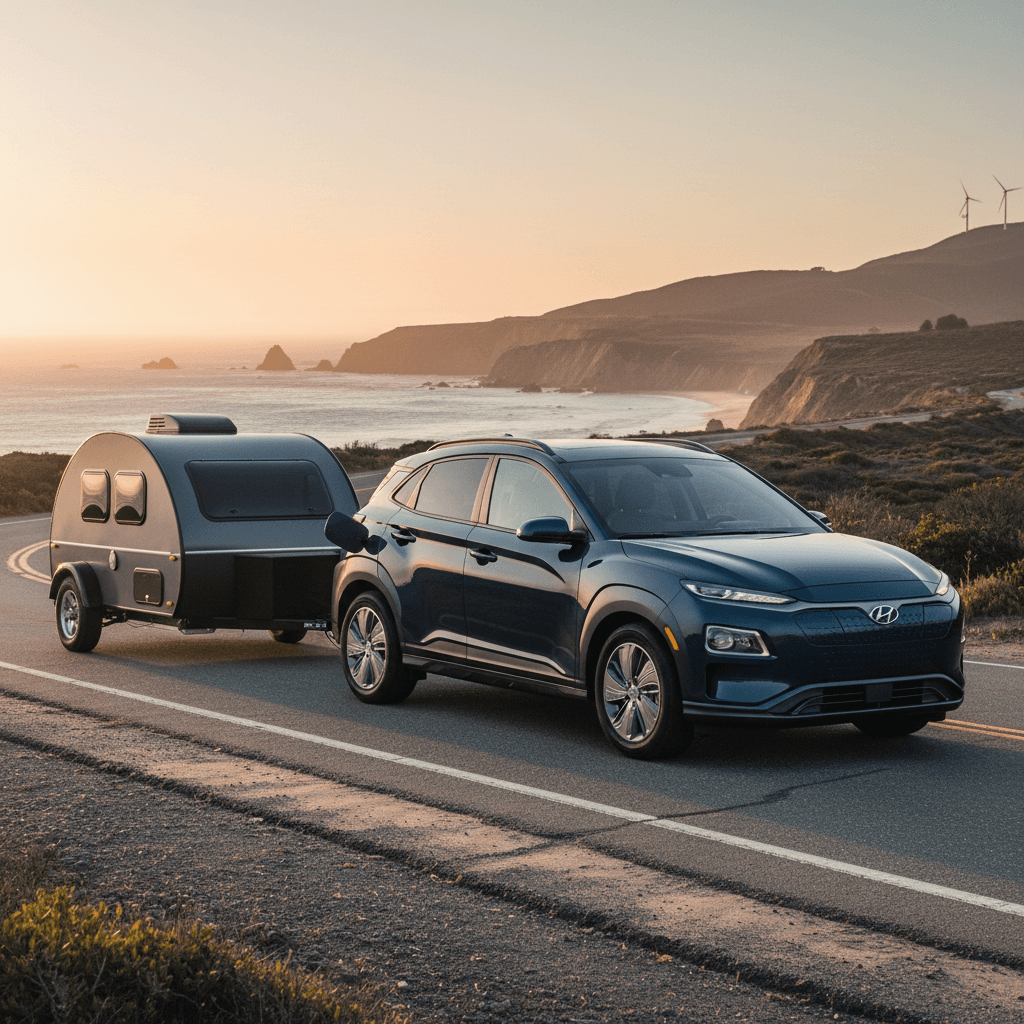
If you’re eyeing a Chevy Blazer EV for family duty, there’s a good chance you’re also picturing a small camper, jet skis, or a utility trailer tagging along. Understanding Chevy Blazer EV towing capacity and range isn’t just about one spec number, it’s about how far you can actually go, with what kind of load, and how often you’ll need to charge.
Quick answer
Chevy Blazer EV towing and range overview
The Blazer EV sits in that sweet‑spot "mid‑size SUV" category: big enough for the family, compact enough to park at the grocery store. On paper, it offers a mix of moderate tow capacity and competitive range that makes light‑duty towing realistic, if you understand the trade‑offs. Chevy splits the lineup into LT and RS trims with front‑wheel drive (FWD), all‑wheel drive (AWD), and, for a short time, a rear‑wheel‑drive (RWD) RS that could tow more and go farther per charge.
- Most Blazer EVs (LT & RS FWD/AWD): rated to tow up to 1,500 lbs.
- RS RWD (with the larger 102 kWh pack): rated to tow up to 3,500 lbs and offers the longest EPA range.
- EPA range: roughly 279 miles for common AWD trims and up to about 334 miles for the long‑range RS RWD.
Headline Chevy Blazer EV towing & range specs
Official towing capacity by Blazer EV trim
Chevy doesn’t give the Blazer EV the kind of big, headline tow number you’ll see on a pickup, but for a battery‑electric family SUV, its ratings are in line with the class. The key is knowing which trim you’re looking at, especially if you’re shopping used.
Chevy Blazer EV towing capacity by configuration
Approximate factory tow ratings for major Blazer EV configurations when properly equipped with the towing package. Always verify against the specific vehicle’s owner’s manual and door‑jamb sticker.
| Model year & trim | Drivetrain | Battery | Max towing capacity* | Notes |
|---|---|---|---|---|
| 2024–2026 Blazer EV LT FWD | Single‑motor FWD | 85 kWh | 1,500 lbs | Light‑duty towing only; best for small utility trailers and light cargo. |
| 2024–2026 Blazer EV LT AWD | Dual‑motor AWD | 85 kWh | 1,500 lbs | Added traction, same tow rating as FWD. |
| 2024–2026 Blazer EV RS FWD | Single‑motor FWD | 85 kWh | 1,500 lbs | Sportier trim, similar tow ceiling. |
| 2024–2026 Blazer EV RS AWD | Dual‑motor AWD | 85 kWh | 1,500 lbs | Popular configuration; balance of traction, performance, and range. |
| 2025 Blazer EV RS RWD | Single‑motor RWD | 102 kWh | 3,500 lbs | Higher tow rating and longest range; limited availability and later discontinued. |
| 2025–2026 Blazer EV SS AWD | Dual‑motor AWD | 102 kWh | TBD / check manual | High‑performance model; verify current tow rating if towing is a priority. |
Use this as a guide when comparing Blazer EV trims; individual vehicles may vary by model year and equipment.
Always verify your specific Blazer EV
- Most Blazer EVs you’ll see, especially early LT and RS AWD models, are 1,500‑lb tow vehicles.
- If you need to pull more than a small camper or pair of bikes, the RS RWD (or future equivalent high‑capacity variants) is the one to hunt for.
- Factory towing packages typically include hitch hardware, wiring, and tow‑specific software calibration like stability assist and camera guidance. Make sure these are present if you’re buying used.
Chevy Blazer EV range estimates by trim
Range is where the Blazer EV sharpens its elbows. Chevy’s Ultium platform lets them mix and match motors and batteries, so EPA estimates vary depending on how your Blazer is configured. For shoppers, the big split is between the 85 kWh pack used in most AWD trims and the 102 kWh pack used in long‑range and performance versions.
Approximate Chevy Blazer EV EPA range by trim
Representative EPA estimates and published figures for key Blazer EV configurations. Exact numbers can vary slightly by wheel size and options.
| Trim & model year | Drivetrain | Battery | EPA‑rated range (est.) | EPA MPGe (city/hwy/comb) | What it means for you |
|---|---|---|---|---|---|
| Blazer EV LT AWD (2024–2025) | Dual‑motor AWD | 85 kWh | ≈283 mi | ≈102 / 87 / 95 | Bread‑and‑butter configuration with solid all‑weather range. |
| Blazer EV RS AWD (2024–2026) | Dual‑motor AWD | 85 kWh | ≈279–283 mi | ≈103 / 88 / 96 | Sportier trim; similar range to LT AWD in the real world. |
| Blazer EV RS RWD (2025) | Single‑motor RWD | 102 kWh | ≈303–334 mi | ≈106 / 85 / 95 | Headline range champ with the big battery and less drivetrain drag. |
| Blazer EV SS AWD (2025–2026) | Dual‑motor AWD | 102 kWh | TBD; roughly 280–300 mi | ≈85–95 combined | Performance‑tuned; sacrifices some efficiency for power. |
Use these numbers as planning tools; your real‑world range will depend on temperature, speed, payload, and driving style.
EPA range vs. highway reality
How towing actually affects Blazer EV range
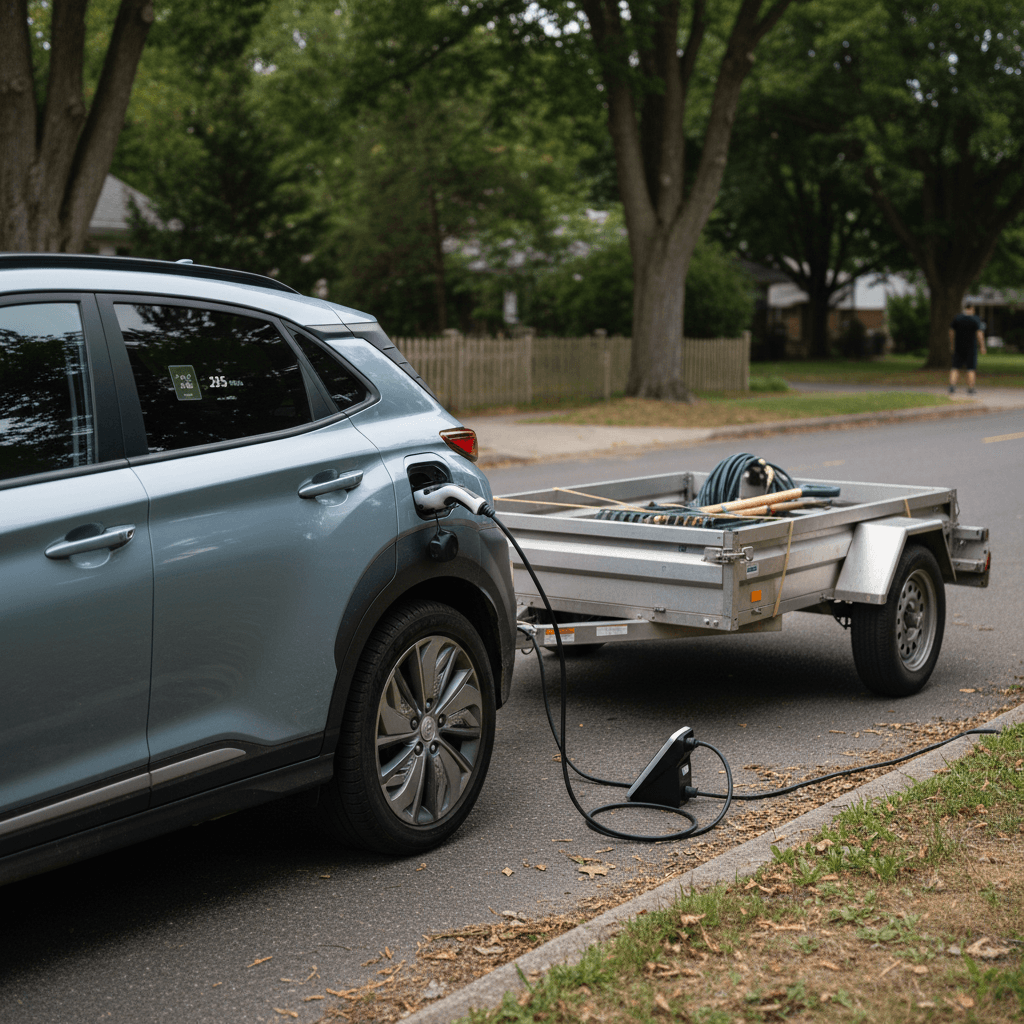
Every EV owner discovers this the first time they hitch a trailer: aero drag and weight are your real enemies, not just the number on the scale. The Blazer EV is no different. Pull a tall, boxy camper at 70 mph and you can watch the range estimate melt away faster than you’d like. Tow a low, narrow trailer with a couple of bikes at 60 mph and the hit is far more modest.
Typical range impact when towing with a Blazer EV
Ballpark expectations based on load and speed in good weather
Light load: 500–1,000 lbs
Examples: small utility trailer, single motorcycle, cargo box.
- Speed: 55–65 mph
- Range impact: roughly 10–25% reduction
- On a 280‑mile AWD model, plan for about 200–240 miles.
Moderate load: 1,000–1,500 lbs
Examples: small camper, two ATVs, pair of jet skis.
- Speed: 60–70 mph
- Range impact: typically 25–40% reduction
- That same 280‑mile Blazer EV may deliver 165–210 miles.
Heavy load: 2,000–3,500 lbs (RS RWD)
Examples: compact travel trailer, loaded utility trailer.
- Speed: 60–70 mph
- Range impact: often 35–50% reduction
- A 330‑mile RS RWD might see just 160–215 miles per full charge.
The two knobs you control: speed and shape
How to stretch Blazer EV range when towing
1. Dial back your cruising speed
Highway air resistance rises with the square of speed. Dropping from 75 to 65 mph can save a surprising amount of energy and may keep you to a single charging stop instead of two.
2. Use Tow/Haul or trailer mode
If your Blazer EV is equipped with a towing drive mode, use it. It can adjust power delivery, regeneration, and stability controls to keep things predictable with a trailer attached.
3. Pre‑plan DC fast‑charge stops
Before you head out, use an EV‑friendly route planner or built‑in navigation to line up compatible DC fast chargers along your route at 80–120 mile intervals when towing.
4. Keep tires properly inflated
Under‑inflated tires on the Blazer or the trailer increase rolling resistance and cut range. Check pressures (including the trailer) before every trip and during long hauls.
5. Pack lighter and smarter
Weight still matters, especially on hilly routes. Avoid turning your trailer into a rolling storage unit and distribute weight to maintain a stable tongue load.
6. Watch elevation and weather
Long climbs, headwinds, cold temperatures, and heavy rain can all stack on top of towing losses. Give yourself more buffer on your first few towing trips until you know your numbers.
Charging a Chevy Blazer EV while towing
The Blazer EV’s charging hardware is well‑suited to road‑trip duty. Most trims offer 11.5 kW Level 2 AC charging and DC fast‑charging up to around 150 kW (up to about 190 kW on some configurations with the larger battery). That means you can recover a big chunk of range over lunch, provided you can physically fit at the station with a trailer behind you.
Level 2 charging on the road
- Great for overnight stops at RV parks, campgrounds, or hotels that offer EV charging.
- At 11.5 kW, you can add roughly 25–30 miles of range per hour on many trims.
- If you arrive nearly empty, a full charge will usually take overnight, but for camping, that’s often ideal.
DC fast charging with a trailer
- Plan for 10–80% in 30–45 minutes in good conditions on most trims.
- Many DC fast chargers aren’t pull‑through, so you may need to unhitch or park awkwardly.
- Use apps that show station layout photos so you’re not stuck blocking traffic with a trailer.
Think about station layout before you arrive
At home, a Blazer EV pairs nicely with a 240‑volt Level 2 charger. If you’re pulling a trailer most weekends, a home charger means you can start every trip with a full battery without babysitting public stations. If you’re still getting familiar with EV charging in general, it’s worth brushing up on the basics before you commit to regular towing.
How Recharged can help with charging questions
Ready to find your next EV?
Browse VehiclesIs the Chevy Blazer EV a good tow vehicle?
Whether the Blazer EV is a good towing companion depends on what you want to pull and how you road‑trip. If you’re dreaming of a 30‑foot travel trailer barreling across three states in a day, this isn’t your rig. But for many families, the Blazer EV strikes a smart balance between daily‑driver comfort and weekend‑warrior capability.
Blazer EV towing: strengths and limitations
A quick reality check before you hitch up
Where the Blazer EV shines
- Perfect for light trailers: Small campers, cargo trailers, and powersports toys are its wheelhouse.
- Stable, quiet tow manners: Instant torque and low center of gravity make for relaxed towing around town.
- Respectable DC fast‑charge speeds: You can top up quickly enough to keep a long day moving.
- Family‑friendly SUV first: Comfortable, tech‑rich, and practical when you’re not hitched up.
Where it comes up short
- Limited tow rating: 1,500 lbs on most trims rules out larger travel trailers.
- Range penalty: Plan on roughly one‑third to half the rated range with a big trailer at highway speeds.
- Charging logistics: Non‑pull‑through stations can be awkward or require unhitching.
- Trim confusion: Only specific versions, like the RS RWD, offer higher tow ratings and range.
Compare to other electric SUVs
Shopping for a used Blazer EV for towing
If you’re looking at a used Blazer EV with towing in mind, you’re juggling more than paint color and wheel size. You’re deciding which combination of battery capacity, drivetrain, and tow rating matches how you actually travel. And because this is still a relatively new model, trim details matter.
Used Blazer EV towing checklist
1. Confirm the exact trim, battery, and drivetrain
An RS badge on the tailgate doesn’t tell you the whole story. Verify whether it’s FWD, AWD, or RWD and whether it carries the 85 kWh or 102 kWh pack, those details affect both range and tow capacity.
2. Check for the factory towing package
Look for a proper receiver hitch, 4‑ or 7‑pin wiring, and, ideally, features like hitch guidance, trailer sway control, and surround‑view cameras. A bolt‑on aftermarket hitch without wiring is a red flag if you plan to tow often.
3. Review battery health and fast‑charging history
For an EV that will tow, <strong>battery health is everything</strong>. On Recharged, every vehicle comes with a <strong>Recharged Score Report</strong> that includes verified battery diagnostics so you know the pack is still strong enough for road‑trip duty.
4. Inspect tires, brakes, and suspension
Towing puts extra stress on tires and brakes. Check for uneven tire wear, rotor lip or vibration, and any sagging or damage in the rear suspension. A pre‑purchase inspection is money well spent.
5. Test‑drive with weight if possible
If the seller is open to it and you have a suitable load, a short drive with a small trailer can tell you a lot about how the Blazer EV behaves under load, noise, stability, and braking feel all matter.
6. Run the numbers on your trips
Pick a typical weekend route and estimate distance, elevation, and available charging. Make sure the trim you’re considering offers enough <strong>real‑world range while towing</strong> to keep the day enjoyable, not stressful.
Where Recharged fits in
Chevy Blazer EV towing & range FAQ
Frequently asked questions about Blazer EV towing and range
Key takeaways on Blazer EV towing and range
If you think of the Chevy Blazer EV as a comfortable, modern family SUV that happens to tow a little rather than a tow rig that sometimes does school runs, you’ll have the right expectations. Most trims are happiest with light trailers up to 1,500 pounds and offer a useful 140–200 miles of real‑world towing range between fast‑charge stops. With the right trim and a bit of planning, it can handle weekend adventures without turning every trip into a science experiment.
If you’re weighing a Blazer EV against other used EVs for towing, it pays to look closely at tow ratings, battery health, and charging speeds across your shortlist. On Recharged, every used EV comes with a Recharged Score Report that pulls those threads together and pairs them with expert, human guidance. That way, when you do back up to the hitch, you can be confident your EV, and its battery, are ready for the miles and the memories ahead.