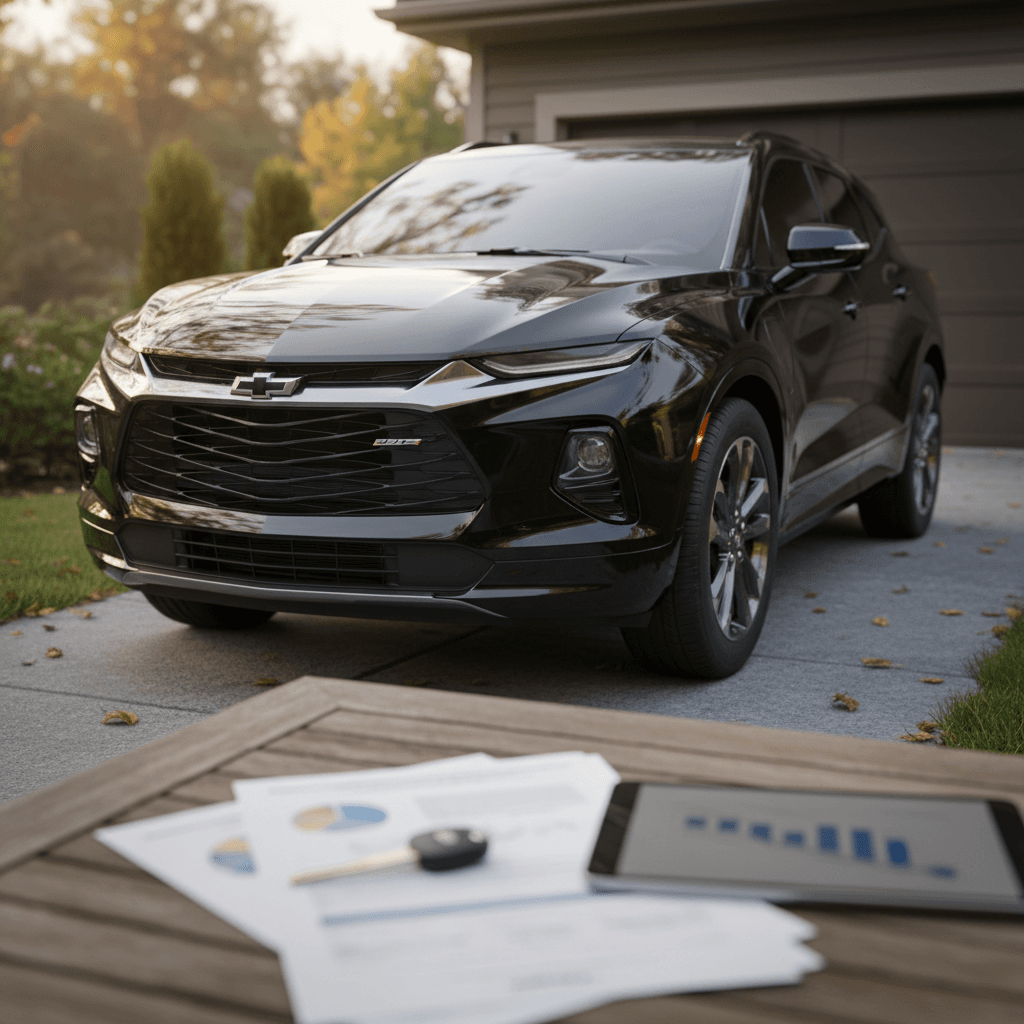
If you’re eyeing a Chevy Blazer EV in 2025, whether new or used, the big question isn’t just range or features. It’s resale value. Early data shows the Blazer EV is depreciating faster than many buyers expected, which is bad news if you bought early but potentially very good news if you’re shopping the used market now.
Key takeaway
Chevy Blazer EV resale value in 2025: the quick take
Snapshot: Blazer EV resale and cost-to-own
In plain English: the Blazer EV is not holding its value like a Toyota hybrid. For early buyers, especially of 2024 models, that stings. But if you’re coming in as a used buyer in 2025, you’re letting someone else eat the painful first‑owner depreciation while you pick up a relatively low‑mileage, high‑spec electric SUV at a steep discount.
2024 vs 2025 matters
What early data says about Blazer EV depreciation
We now have real depreciation data for the 2024 Blazer EV and modeled 5‑year projections for 2025 models, and the picture is clear: this is an aggressively depreciating SUV by mainstream standards.
Blazer EV resale snapshot: 2024 vs 2025 models
Approximate values based on publicly available KBB-style data and typical transaction prices. Real numbers vary by mileage, region, and condition.
| Model year | Original MSRP (typical trim) | Estimated value in 2025 | Estimated depreciation | Resale performance vs 2024 SUVs |
|---|---|---|---|---|
| 2024 Blazer EV | ≈$53,700 (AWD LT/RS) | ≈$22,300 | −$31,400 (≈58%) | Among the worst quartile for depreciation |
| 2025 Blazer EV | ≈$44,600–$60,600 (LT–SS) | Value still forming | ≈$27,700 over 5 yrs (projected) | Middle of the pack vs 2025 midsize EV SUVs |
Use this as a directional guide, not an exact quote for your individual vehicle.
The headline for 2024 owners is harsh: losing nearly 60% of value in roughly two years puts the Blazer EV squarely in the bottom tier for resale among 2024 SUVs. For 2025 buyers, the forward‑looking data is less alarming. A projected ~$27,700 in depreciation over 5 years is still heavy, but within a broad mid‑pack for EV crossovers that launched at relatively high MSRPs.
Why the data looks so extreme
Why the Blazer EV is depreciating faster than many rivals
Four big forces pushing Blazer EV resale down
These are the levers you should pay attention to as a buyer or seller.
1. 2024 software issues and stop‑sale
GM paused Blazer EV sales in early 2024 to address software problems. That kind of headline instantly dents consumer confidence and used values, even after fixes roll out.
2025 models benefit from those fixes, but the stigma lingers in search results and owner forums.
2. Rapid price shifts and new trims
For 2025 Chevy added a cheaper FWD base Blazer EV and lowered pricing on some AWD trims, with MSRPs starting around the mid‑$40Ks instead of about $50K+.
That’s good for new buyers, but any time an OEM cuts new‑car pricing, it pulls used values down behind it.
3. EV market correction
Across the U.S. EV market, we’re seeing a correction from 2021–2022 exuberance: more inventory, more competition, and buyers demanding discounts.
High‑MSRP EVs with less brand cachet than Tesla or Rivian are taking the brunt of that adjustment.
4. Brand and charging ecosystem
The Blazer EV rides on GM’s Ultium platform and uses CCS fast charging. In a world shifting to NACS (Tesla’s connector), buyers are asking harder questions about future‑proofing.
That uncertainty shows up as softer resale, even though CCS infrastructure is still widespread and adapters are emerging.
How to read bad resale headlines
How year, trim, and drivetrain affect Blazer EV resale
Resale value on the Blazer EV isn’t one number; it’s a spectrum. A discounted 2025 LT FWD with a tax credit behind it looks very different from a fully‑loaded early‑build 2024 RS that missed incentives and carried launch‑year bugs.
2024 vs 2025: which will age better?
- 2024 models carry more risk. They were caught up in the early stop‑sale, had fewer trim choices, and often sold closer to early MSRPs.
- 2025 models benefit from software fixes, lower starting prices, the addition of FWD variants, and clearer eligibility for the $7,500 federal EV tax credit for qualifying buyers.
- All else equal, shoppers in 2025 tend to value a 2025 VIN over a 2024, even at similar mileage.
LT vs RS vs SS: who holds value better?
- LT trims (especially FWD) have the widest shopper pool and lowest running costs, supporting steadier resale in the long run.
- RS trims offer more style and equipment. Their resale will hinge on how much buyers value design and features over pure value.
- SS performance models are niche. They may depreciate hard initially but could stabilize if enthusiasts decide they’re a future cult car.
How different Blazer EV configurations are likely to fare
High‑level outlook based on pricing, buyer demand, and typical used‑EV behavior.
| Configuration | New‑car pricing (2025) | Resale risk level | Who it suits best |
|---|---|---|---|
| LT FWD | ≈$44,600–$45,000 | Lower–medium | Value‑focused buyers who want reliable transportation and low running costs. |
| LT AWD | ≈$47,600+ | Medium | All‑weather households, especially in snowbelt regions. |
| RS FWD / AWD | ≈$49,900–$52,900 | Medium–higher | Shoppers prioritizing style and tech who still want an attainable payment. |
| RS RWD (2025 only) | ≈mid‑$50Ks | High | Enthusiasts; discontinued after a short run, so price behavior may be volatile. |
| SS AWD | ≈$60,600+ | High | Performance‑oriented buyers who typically accept heavier depreciation. |
Use this to gauge risk by configuration, not as a precise pricing guide.
Watch discontinued variants
Battery health, software, and warranty: the hidden value levers
With EVs, resale isn’t just about the badge on the grille. Battery health, software behavior, and warranty coverage can move the needle thousands of dollars in either direction on the used market.
Battery and software checks that affect Blazer EV resale
Confirm battery warranty status
The Blazer EV carries an 8‑year/100,000‑mile battery warranty. A 2025 example sold in 2027 will still have 6+ years of coverage left, something buyers will pay for if it’s clearly documented.
Get objective battery health data
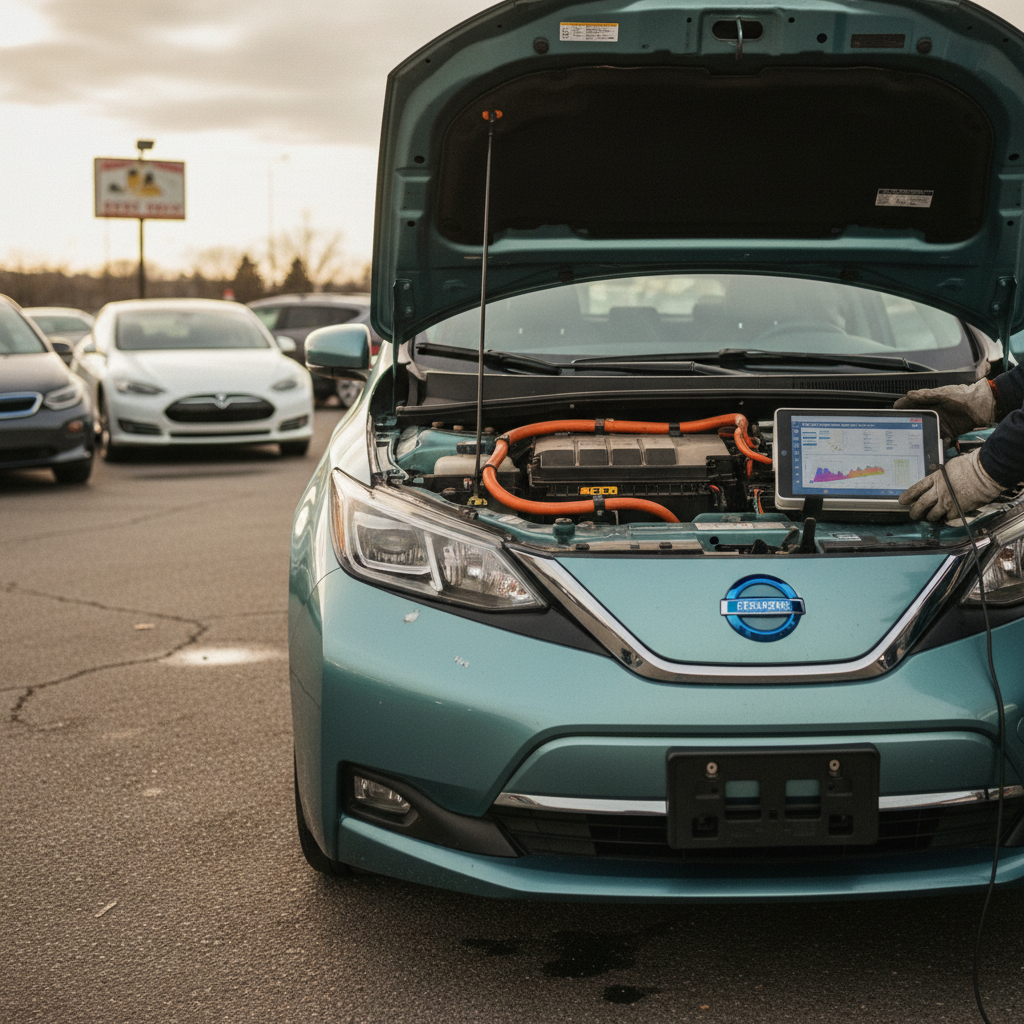
Range guesses and seat‑of‑the‑pants impressions won’t cut it. A <strong>battery health report</strong> showing usable capacity and degradation versus new is one of the strongest resale tools you can have.
Check for completed software updates
Early Blazer EVs had software issues serious enough to trigger a stop‑sale. Make sure all applicable updates and recalls are completed and documented. Clean history reassures buyers.
Document charging behavior
Frequent DC fast charging at 100% state of charge can accelerate wear on any pack. Records showing balanced home Level 2 charging and sane charge limits reinforce a story of gentle use.
Verify driver‑assist features
Features like Super Cruise matter to many used buyers. Confirm what’s active, what’s subscription‑based, and that hardware and software are functioning as advertised.
Where Recharged fits in
Cost to own vs resale value: does the math still work?
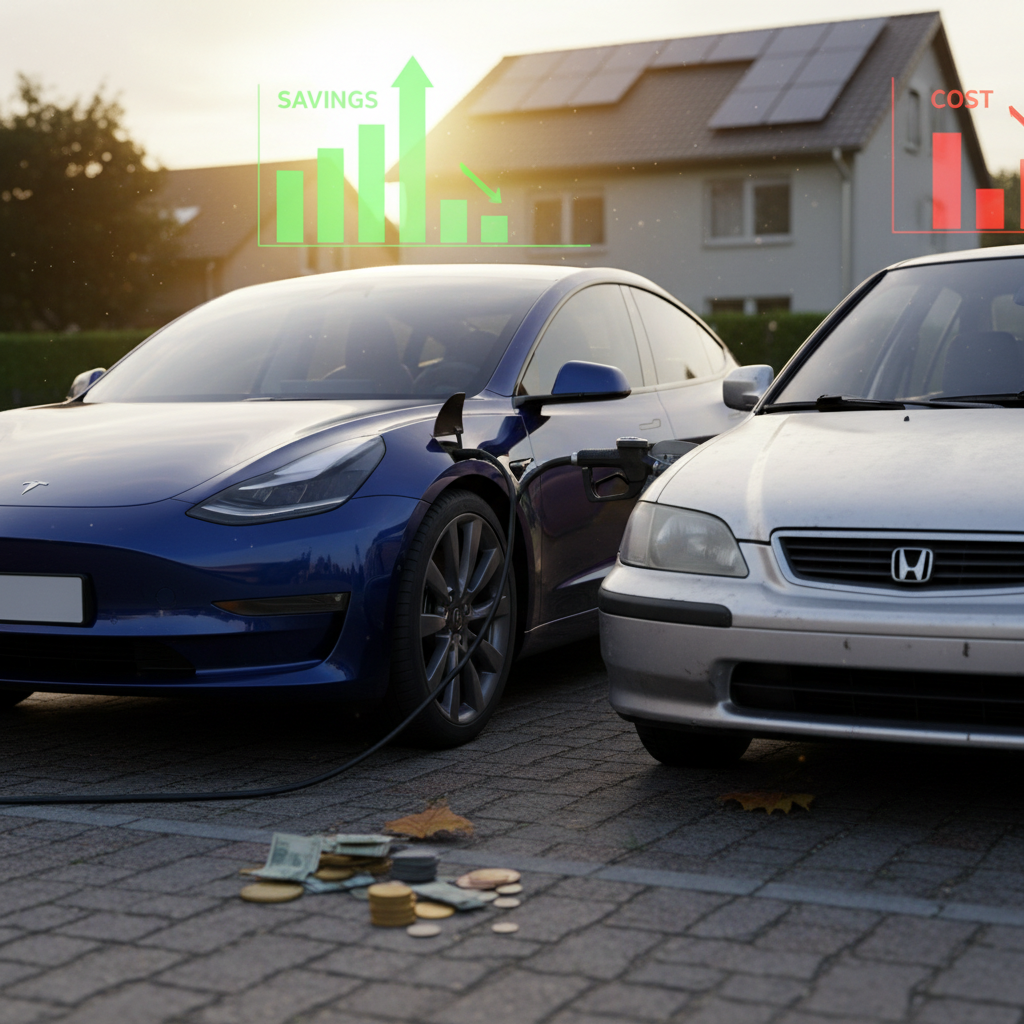
Even with soft resale, the Blazer EV can pencil out competitively once you factor in fuel and maintenance savings, especially if you buy correctly and keep it long enough.
What 5‑year cost‑to‑own data shows
- Independent cost‑to‑own models project about $27,700 in depreciation over 5 years for a typical 2025 Blazer EV.
- Out‑of‑pocket operating costs (electricity, insurance, maintenance, fees) are modeled around the high‑$20Ks over 5 years.
- That puts total 5‑year cost‑to‑own in the mid‑$50Ks, competitive with many similarly‑sized gas SUVs once you account for fuel savings.
Where owners get into trouble
- Paying near‑MSRP on an early 2024 build, then trading out within 2–3 years.
- Ignoring incentives and tax credits that could have reduced the real purchase price.
- Underestimating how much software history and battery documentation affect resale offers from dealers and private buyers.
How to make the numbers work
Is a used Chevy Blazer EV a smart buy in 2025?
For the right buyer, yes. A used Blazer EV in 2025 can be one of the better value plays in the midsize electric SUV space precisely because early depreciation has been so brutal.
Pros and cons of buying a used Blazer EV in 2025
How to think about this SUV versus other used EV options.
Why a used Blazer EV makes sense
- Big discounts vs new: Early owners have already eaten a huge chunk of depreciation.
- Roomy and practical: Family‑friendly space and cargo volume comparable to gas Blazers and other midsize SUVs.
- Strong performance: Especially in AWD and SS trims, acceleration is genuinely quick.
- Fresh design: Cabin technology and styling still feel current in 2025.
Where you should be cautious
- Software history: You want proof that early issues have been addressed.
- Charging standard risk: CCS remains viable, but the market is shifting toward NACS; you may eventually rely on adapters for some networks.
- Uncertain long‑term reputation: The Blazer EV is still relatively new, so long‑term reliability data is limited.
- Resale on top trims: If you buy a loaded SS or RS at too high a price, future resale could still be painful.
Due‑diligence checklist for used Blazer EV shoppers
1. Insist on a battery health report
Ask the seller, or choose a platform like Recharged, to provide a quantified battery health assessment, not just a “feels fine” statement. This is the heart of the vehicle’s value.
2. Confirm software and recall status
Request service records showing completed software updates and recalls, especially on 2024 builds. If something is outstanding, factor that into your offer.
3. Verify fast‑charging performance
On a test drive, stop at a DC fast charger and watch peak charge speeds. Chronic throttling or unstable charging sessions can be a red flag.
4. Check for uneven tire wear
Heavy EVs on powerful drivetrains can chew through tires. Uneven wear may hint at alignment issues or a hard‑driven life, which can shave resale later.
5. Run a full history report
Accident history, title status, and previous use (fleet vs personal) all matter. A clean, one‑owner history tends to command a resale premium on newer EVs.
6. Compare against other used EVs
Cross‑shop alternatives like the Mustang Mach‑E, Hyundai Ioniq 5, or Model Y. If the Blazer EV isn’t priced meaningfully lower for similar mileage and equipment, move on.
Selling or trading in a Blazer EV: how to maximize value
If you already own a Blazer EV and are thinking about exiting in 2025, you’re swimming against the depreciation current, but there are ways to soften the blow.
- Time your sale around software news, not just seasons. Listing shortly after a widely‑publicized software fix, feature update, or warranty enhancement can improve buyer sentiment.
- Lead with documentation in your listing. Upload battery reports, charging history summaries, and proof of completed updates. Most sellers don’t, which makes yours stand out.
- Price realistically versus KBB and live listings. Don’t anchor on what you paid. Anchor on what similar mileage Blazer EVs are actually transacting for today.
- Consider consignment or specialist platforms. Generalist dealers may low‑ball oddball EVs because they don’t know how to price them. An EV‑focused marketplace can often do better.
The most expensive mistake
How Recharged can help you shop and sell smarter
Traditional dealers were built around gas vehicles and monthly payment games, not explaining battery health curves or charging standards. That’s exactly the gap Recharged was created to fill.
What Recharged brings to Blazer EV buyers and sellers
Reduce uncertainty, improve transparency, and get more out of your EV budget.
Recharged Score battery diagnostics
Every EV on Recharged includes a Recharged Score Report with verified battery health and range estimates, so you can compare a used Blazer EV against other EVs with real data, not guesses.
Fair market pricing & financing
Our pricing tools benchmark each vehicle against the broader market. Pair that with financing and pre‑qualification support, and you can decide whether a Blazer EV or another model gives you the better long‑term value.
Trade‑in & nationwide delivery
You can request an instant offer or consignment for your current vehicle, then have your next EV delivered nationwide, or visit our Experience Center in Richmond, VA if you prefer to see it in person.
Ready to find your next EV?
Browse VehiclesShop your way
Chevy Blazer EV resale value 2025: FAQs
Frequently asked questions about Blazer EV resale in 2025
Bottom line: who the Blazer EV does and doesn’t make sense for
By 2025, the Chevy Blazer EV has a split personality in the resale market. For early buyers who paid near‑MSRP and want out quickly, it’s a painful reminder that EVs are technology products, they move fast, and yesterday’s hot new thing can age quickly on a spreadsheet. But for patient, value‑driven shoppers, that same depreciation turns the Blazer EV into a quietly compelling used buy: a modern, roomy electric SUV with strong performance and a long battery warranty at a price that finally fits the spec sheet.
If you’re considering one, focus less on the badge and more on how you buy and how long you’ll keep it. Target discounted or used examples, demand real battery and software transparency, and compare total cost of ownership against alternatives, not just monthly payment. And if you want help decoding the numbers, Recharged was built to make exactly these kinds of EV decisions simpler and more transparent.