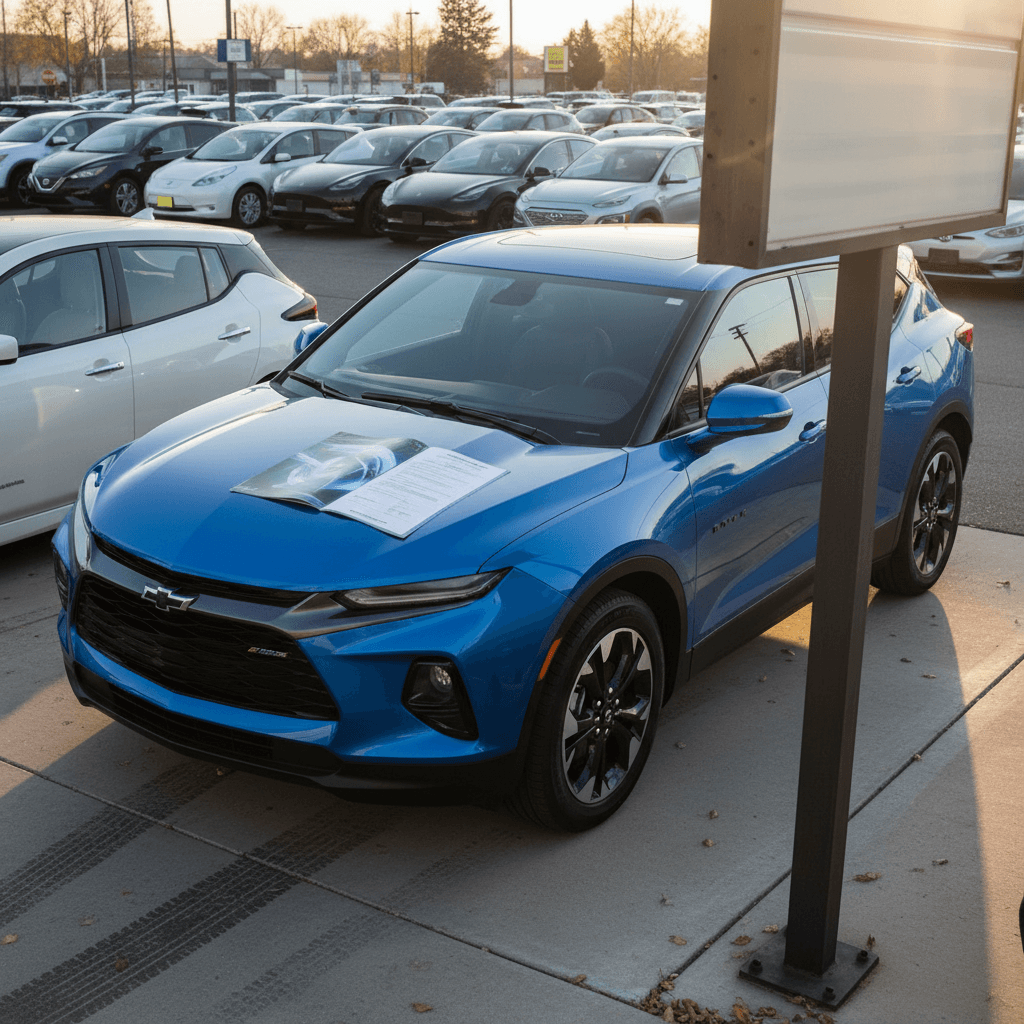
If you’re trying to understand the Chevy Blazer EV depreciation rate, you’re not alone. Chevy’s midsize electric SUV launched with big promises, glitchy software, and then a very public round of price cuts. That is exactly the recipe for eye‑watering early depreciation, but also for some of the most interesting deals in the used EV market right now.
Headline: the Blazer EV falls fast, at first
Chevy Blazer EV depreciation at a glance
Early Chevy Blazer EV depreciation snapshot
Those are blunt numbers, so let’s translate. In broad terms, the market is currently treating the Blazer EV like a high‑risk tech stock: exciting promise, unsteady rollout, and a lot of discounting to get buyers in the door. If you bought early at full MSRP, the pain is real. If you’re shopping used in 2026, you’re stepping into the story after the big drop has already happened.
Why is the Blazer EV depreciating so quickly?
Four forces pushing Blazer EV values down
All four land in the same direction: lower resale for early model years.
1. Software drama and a stop‑sale
Within months of launch, Chevy had to halt Blazer EV deliveries after reports of charging failures and buggy infotainment. Sales stopped while GM hunted down the software gremlins, then restarted with revised code.
Used buyers have long memories: any car associated with ‘won’t charge’ headlines is going to face extra skepticism and lower bids for a while.
2. Big price cuts on new models
When GM resumed sales, it didn’t just fix software, it slashed pricing. Some trims dropped by roughly $5,600–$6,500 compared with launch stickers, and the Blazer EV gained access to the full federal tax credit.
Whenever a manufacturer cuts the new‑car price that hard, it instantly drags down used values. Why pay yesterday’s money for last month’s software?
3. EV demand wobble
Across the industry, EV adoption is still growing, but slower than automakers forecast. GM has walked back parts of its EV investment and acknowledged softer demand at higher price points.
When there are more new EVs than eager buyers, resale values feel the pressure first, especially for models without a cult following.
4. Rapid tech turnover
The Blazer EV is built on GM’s Ultium platform. That platform is still evolving quickly, range, charging speeds, and software keep improving.
Early‑build Blazer EVs are competing against newer Ultium SUVs with better refinement and often better incentives. That makes yesterday’s version feel old faster than a comparable gas Blazer would.
Depreciation double‑whammy
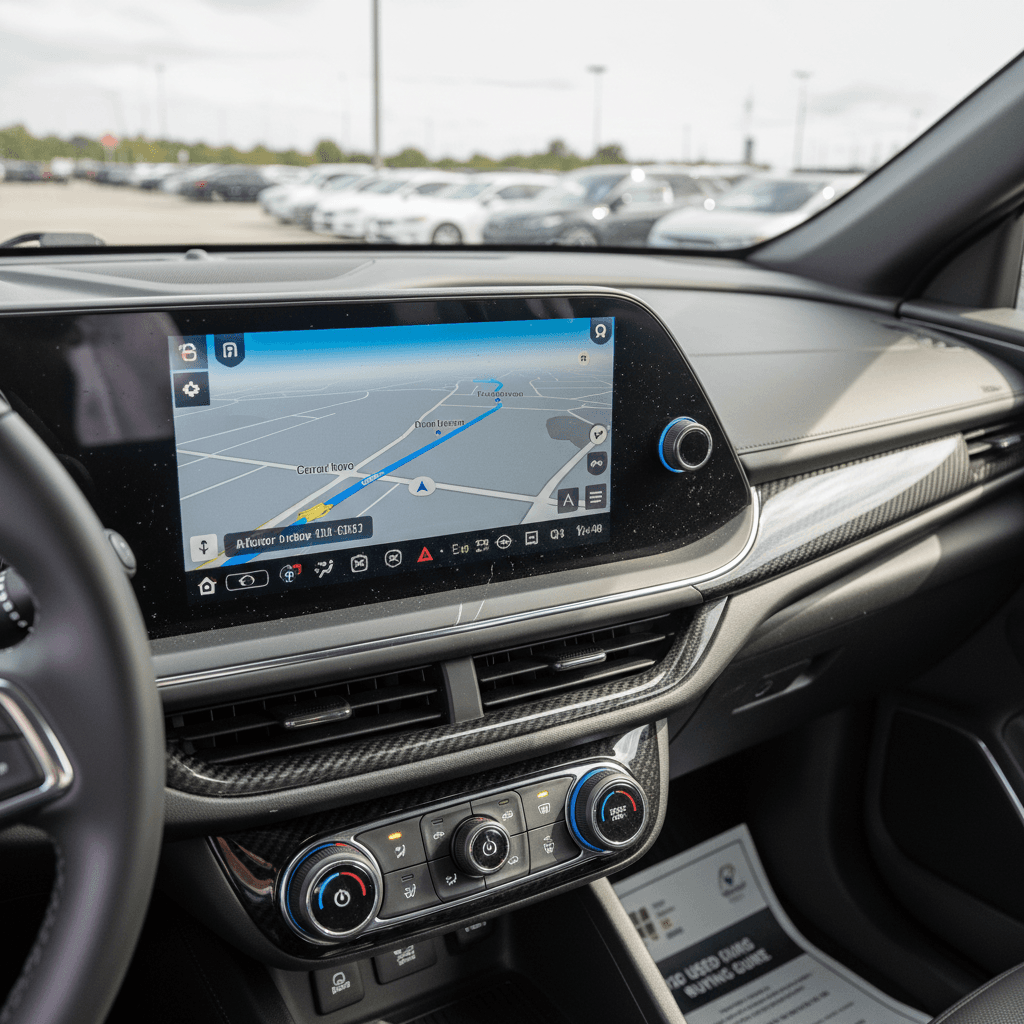
5-year Chevy Blazer EV depreciation forecast
Illustrative 5‑year Chevy Blazer EV depreciation curve
Using current guide data and cost‑to‑own projections, here’s how a typical Blazer EV’s value might move over five years. These are ballpark numbers for explanation, not a quote for any specific VIN.
| Year of ownership | Estimated value movement | Approx. remaining value vs. original price | What it feels like as an owner |
|---|---|---|---|
| New (purchase) | , | 100% | You drive home having paid full contemporary price, before later discounts. |
| Year 1 | −35% to −40% | 60–65% | The big gulp. Launch bugs and price cuts land; your SUV suddenly looks overpriced on paper. |
| Year 2 | Another −10–15% | 45–55% | Used prices catch up with incentives on new models and shifting EV demand. |
| Year 3 | Another −5–10% | 40–50% | Curve starts to flatten as the Blazer EV finds its place in the used market. |
| Years 4–5 | −5% or so per year | 30–40% | Depreciation slows; battery condition and mileage matter more than model‑year drama. |
Example assumes an original transaction price in the low‑to‑mid $50,000s and typical mileage and condition.
If you’re looking at a 2025 Blazer EV, cost‑to‑own tools currently pencil in roughly $27,000 of depreciation over five years. That’s still a substantial haircut, but the first owners of the troubled 2024s have likely absorbed the ugliest part of the curve.
Why model year matters so much
Chevy Blazer EV vs gas SUVs: depreciation comparison
Typical midsize gas SUV
- 1–3 years: Often loses 40–45% of value, depending on incentives and fleet sales.
- 5 years: Many mainstream SUVs settle around 50–60% depreciation.
- Ceiling on losses: Buyers understand the tech and repair costs, so the market is more predictable.
If you bought a well‑equipped gas Blazer for, say, $45,000, seeing it at $22,000 after five years would be disappointing but not scandalous.
Chevy Blazer EV so far
- 1–3 years: Early data points toward 50–60%+ depreciation in just a few years for 2024 examples.
- 5 years: Projection tools suggest roughly high‑40s to mid‑50s percent depreciation for 2025s, assuming demand stabilizes.
- Wild cards: Battery health, charging experience, and GM’s longer‑term EV strategy all feed into buyer confidence.
In other words, the Blazer EV is behaving like a premium gadget, not a conservative family appliance. Great if you’re buying used, less great if you paid launch‑day money.
EVs still win on fuel and maintenance
What actually moves your Blazer EV’s value up or down
- Battery health: The single biggest swing factor. A Blazer EV with verified strong battery health will command a clear premium over one with unknown or marginal results.
- Software status: Buyers will pay more for vehicles that have clearly received the latest factory software updates and have a clean service history.
- Trim and drivetrain: RS and higher‑spec trims can fall harder in percentage terms, but end up as the nicest used examples. FWD vs AWD also affects demand, especially in snow states.
- Range reality: Real‑world range, especially in cold climates, shapes word of mouth and resale. If owners report they reliably hit the rated miles, values hold better.
- Charging experience: A Blazer EV that plays nicely with home Level 2 and public fast charging, with no history of stranded‑by‑software stories, is worth more than one that’s been back to the dealer repeatedly.
- Macro EV sentiment: If the broader EV market swings back to red‑hot demand, or cools further, that rising or falling tide will move Blazer EV values with it.
What scares used buyers most
How used buyers can turn Blazer EV depreciation into a deal
If you’re shopping a used Chevy Blazer EV, you’re in a very different position from the original owner. The market has already repriced the story. Your job now is to avoid the problem children and capture the value of the reset.
Used Blazer EV buyer’s checklist
1. Focus on later build dates when possible
All else equal, a 2025 or clean‑history late‑2024 Blazer EV that’s already received major software updates is a safer bet than an early build that spent months in the shop. Ask for service records and recall documentation.
2. Demand objective battery health data
Don’t settle for “feels fine.” Look for a <strong>battery health report</strong> from a trusted diagnostic, showing current usable capacity and any concerning cell behavior. Every vehicle listed on Recharged includes a <strong>Recharged Score</strong> with verified battery health built in, so you’re not guessing.
3. Compare current used price to today’s effective new price
Because Chevy cut new‑vehicle MSRPs and many buyers qualify for federal or state incentives, compare the used asking price against the <em>net</em> cost of buying new. A used Blazer EV that’s only a few thousand under a heavily discounted new one isn’t a deal.
4. Test the charging behavior yourself
On a test drive, plug into a home‑style Level 2 and, if possible, a DC fast charger. Watch for communication errors, slow session starts, or warning lights. A Blazer EV that’s drama‑free at chargers is worth a real premium over one that’s twitchy.
5. Think like a future buyer
You will eventually sell or trade this vehicle. Would you feel confident buying this exact Blazer EV five years from now, with this service history and this battery report? If not, keep shopping.
This is where a curated used‑EV marketplace like Recharged can shift the calculus. Every Blazer EV we list comes with a Recharged Score battery report, transparent pricing, and expert EV guidance. You’re not just betting on a badge; you’re buying a piece of hardware whose condition has been independently verified.
Protecting your Blazer EV’s resale value
Six ways to slow down your Blazer EV’s depreciation
You can’t change Chevy’s launch history, but you can change your SUV’s story.
Drive fewer, gentler miles
Depreciation follows mileage. Keep annual miles reasonable and avoid chronic high‑speed fast‑charging road‑warrior duty if you want top‑tier resale.
Document every service visit
Keep a tidy folder, or digital record, of software updates, recalls, tire rotations, and any repairs. A thick, clean service file reassures buyers that you’ve cared for the car.
Treat the battery kindly
Whenever practical, avoid living at 100% or 0% state of charge. Daily charging to around 70–80% and only going full for trips is a reasonable rule of thumb for most EVs.
Invest in solid home charging
A properly installed, reliable Level 2 charger reduces charging mishaps and stress on connectors. That’s good for your day‑to‑day and for future inspection reports.
Keep the SUV presentable
Clean interiors, uncurbed wheels, and intact paint don’t just feel better to live with, they’re tangible line items in an appraiser’s mind. Cosmetic neglect accelerates depreciation.
Know your numbers before selling
Before you trade in or list privately, pull multiple value estimates and review battery diagnostics. If you sell through Recharged, we bundle this into your Recharged Score Report so buyers see exactly what they’re getting.
Where Recharged fits in
Ready to find your next EV?
Browse VehiclesWhen Blazer EV depreciation becomes an opportunity
Step back from the chart for a moment and the picture sharpens. The Blazer EV is an attractive, spacious, fast‑charging midsize SUV that stumbled out of the gate. The market punished it accordingly. That’s bad news for first owners but a rare opportunity for second or third owners who can buy with more information and much lower capital at risk.
You might be a good Blazer EV candidate if…
- You like the styling and interior space of the Blazer, but want EV torque.
- You’re shopping used, not new, and ready to let someone else eat the worst depreciation.
- You have access to home charging and can live with the current charging network in your area.
- You value a verified battery report and transparent history more than chasing the latest badge.
You might want to look elsewhere if…
- You’re extremely risk‑averse and want a model with a long, boring, bulletproof history.
- You plan to flip the vehicle again in 1–2 years and can’t stomach unpredictable resale.
- You live far from Chevy dealers and don’t want to depend on over‑the‑air fixes.
- You’re uninterested in reading a battery report or thinking about EV‑specific maintenance.
The Chevy Blazer EV depreciation rate is telling a very clear story: this is a stylish, capable EV whose bumpy launch and aggressive price cuts have dragged values down faster than conventional SUVs. For you, that can be either a caution flag or an invitation. If you buy carefully, insisting on verified battery health, clean software history, and pricing that reflects the new reality, you can end up with a lot of EV for the money. That’s exactly the kind of opportunity Recharged was built to surface, one inspected, transparently priced used EV at a time.