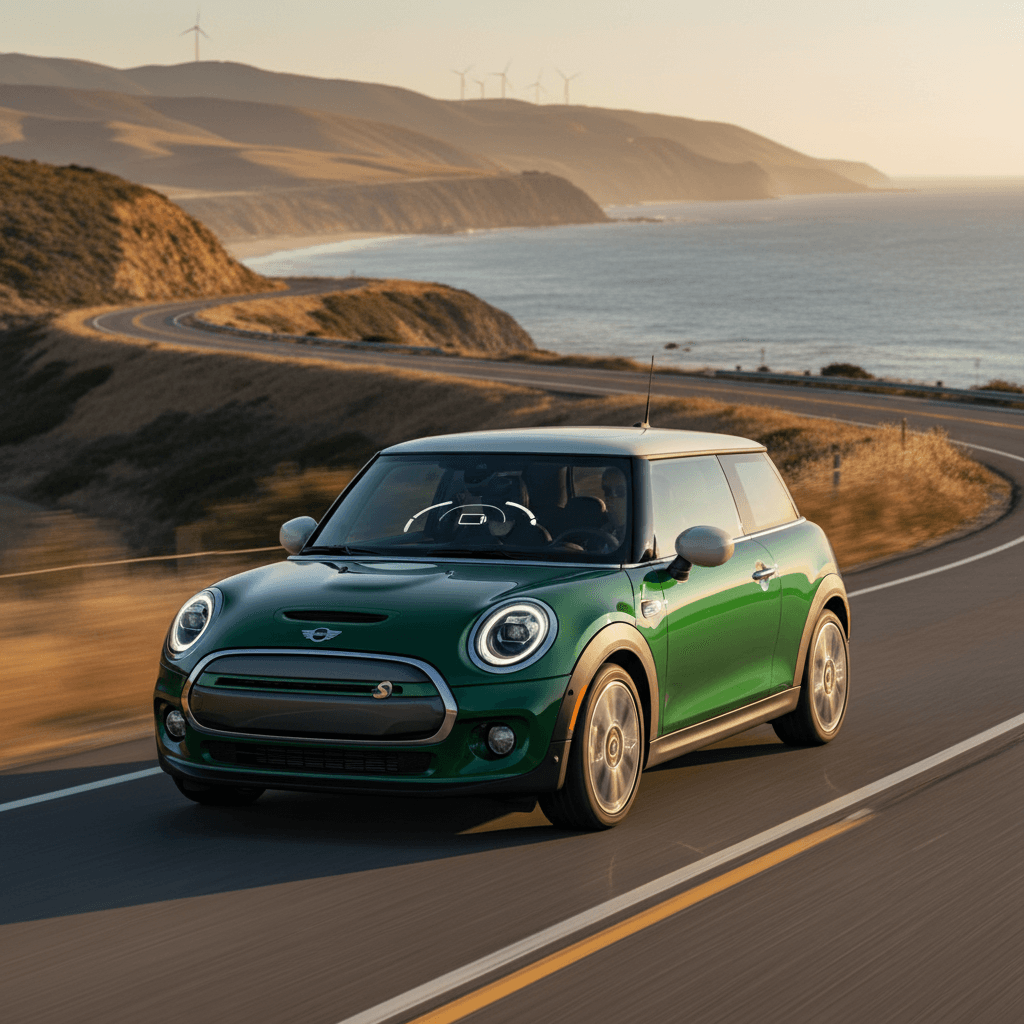
If you’re eyeing a 2025 Mini Cooper Electric, you’ve probably seen the glossy WLTP numbers and wondered what the real-world range actually looks like. Official figures promise up to around 300 km (190 miles) for the Cooper E and up to 400 km (250 miles) for the Cooper SE, but range tests paint a more nuanced picture once you leave the spec sheet and hit real roads.
Why this range test matters
2025 Mini Cooper Electric range at a glance
Official vs real-world Mini Cooper Electric range
On paper, the 2025 Mini Cooper Electric looks like a huge step up from the original SE. Independent reviews of early European cars suggest the Cooper E realistically lands in the low‑ to mid‑200 km range (about 130–150 miles), while the Cooper SE can deliver roughly 300–330 km (about 185–205 miles) in mixed driving. That’s a meaningful improvement, but it’s still not a long‑range road‑trip machine.
Battery, trims, and official range: Cooper E vs Cooper SE
2025 Mini Cooper Electric: key battery and range specs
How the Cooper E and Cooper SE differ on paper before you ever start a range test.
| Model | Usable battery | Official WLTP range | DC fast-charge peak | AC home charging |
|---|---|---|---|---|
| Cooper E | 36.6 kWh | ~300 km (190 mi) | Up to 75 kW | Up to 11 kW |
| Cooper SE | 49.2 kWh | ~400 km (250 mi) | Up to 95 kW | Up to 11 kW |
Figures based on European WLTP ratings and manufacturer data; U.S. EPA ratings will be lower once finalized.
Mini splits the 3‑door hatch into two main electric trims. The Cooper E is the lighter, lower‑cost version with a 36.6 kWh usable pack, aimed squarely at city drivers. The Cooper SE upgrades to a 49.2 kWh usable battery and more power, which matters less for 0–60 fanatics than for anyone who wants a more comfortable buffer between charges.
Don’t over-focus on peak charging speed
Who the Cooper E suits
- You drive mostly in the city at 25–45 mph.
- You typically cover under 60–70 miles a day.
- You can charge at home or at work several times a week.
- You care more about price and nimbleness than long trips.
Who the Cooper SE suits
- You mix city commuting with regular highway use.
- You want more buffer for winter, rain, or spirited driving.
- You occasionally do 150–200 mile day trips.
- You prefer fewer fast‑charge stops and slower degradation over time.
Real-world range test: what drivers are actually seeing
Range testing for the 2025 Mini Cooper Electric is still ramping up, but early independent tests and long drives in Europe draw a consistent picture: you should mentally discount 20–30% from the WLTP number to get a realistic everyday range estimate.
Typical real-world range scenarios
What you’re likely to see with a mostly new battery in mild weather (think 50–70°F).
Urban & suburban mix
Cooper E: ~210–240 km (130–150 mi)
Cooper SE: ~300–330 km (185–205 mi)
Stop‑and‑go plus lower speeds help the Mini shine. Regen braking keeps efficiency high, and you’re rarely fighting aerodynamic drag.
Mostly highway at 70–75 mph
Cooper E: ~160–190 km (100–120 mi)
Cooper SE: ~230–270 km (145–170 mi)
Higher speeds eat into range quickly; the short, upright Mini has more aerodynamic penalty than sleeker hatchbacks.
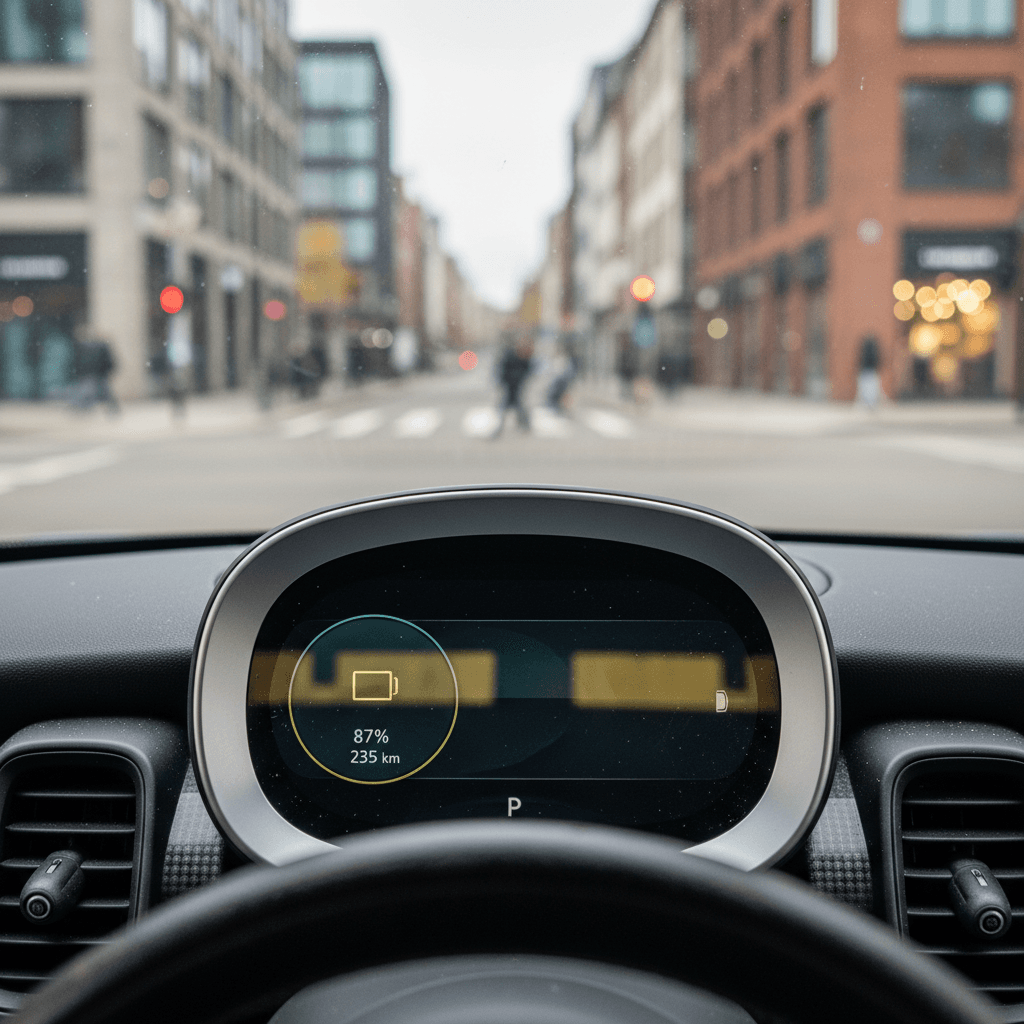
WLTP vs EPA: why U.S. numbers will look worse
City vs highway, weather, and driving style
With a compact pack, the 2025 Mini Cooper Electric is more sensitive to conditions than a 75–100 kWh long‑range EV. Speed, temperature, and your right foot can easily swing usable range by 25–40% either way.
- Speed: Above about 60 mph, aerodynamic drag rises sharply. At 70–75 mph, expect noticeably less range than the WLTP hint suggests.
- Temperature: Cold weather drains energy into battery conditioning and cabin heat. If you live in a northern climate, assume winter range that’s 20–30% lower than summer.
- Short trips: Many short, cold starts are less efficient than a single long trip at moderate speed.
- Driving style: The Mini eggs you on; frequent full‑throttle launches and heavy braking hurt efficiency. Smooth acceleration and anticipatory regen help enormously.
Cold‑weather reality check
How the 2025 Mini Cooper Electric compares to rivals
Mini hasn’t chased maximum range here; it’s betting you’ll trade some distance for style and driving fun. Compared with similarly priced compact EVs like the VW ID.3, MG4, or small crossovers, the 2025 Cooper SE typically offers slightly less range for a similar battery size, while the Cooper E is firmly in the short‑range city‑car camp.
Where Mini stands in the EV range landscape
Approximate real‑world mixed driving ranges for comparable small EVs.
Mini Cooper E
- Usable battery: 36.6 kWh
- Real‑world: ~130–150 mi
- Strength: City agility
- Weakness: Highway stamina
Mini Cooper SE
- Usable battery: 49.2 kWh
- Real‑world: ~185–205 mi
- Strength: Balance of fun & range
- Weakness: Still behind best‑in‑class
Typical rivals
- Usable battery: ~55–64 kWh
- Real‑world: ~210–250 mi
- Strength: Efficiency, space
- Weakness: Less character
When Mini’s lower range doesn’t matter
Living with the Mini’s range: who it suits best
To understand whether the 2025 Mini Cooper Electric’s range is “good enough,” you need to map it against your real life, not a test cycle. For many urban and inner‑suburban owners, the answer is an easy yes; for rural drivers or weekly road‑trippers, it gets more complicated.
Quick self‑check: Is the Mini’s range a fit?
1. How many miles do you really drive most days?
Look at your last month of driving. If you’re usually under 60–70 miles a day, either the Cooper E or SE will feel easy to live with, especially with home charging.
2. How often do you leave the city?
If you regularly drive 150–200 miles in a day, the Cooper SE is the only realistic choice, and even then you’ll want predictable fast‑charging along your route.
3. Where will you charge?
Home or workplace charging completely changes the math. With a reliable Level 2 charger, even a 36.6 kWh pack is more than enough for heavy city use.
4. Do you have another car?
In a two‑car household, the Mini can be the fun, short‑range EV while another vehicle handles long road trips.
5. How cold does it get?
If you routinely see sub‑freezing winters, factor in a 20–30% range hit and consider the SE’s bigger buffer a necessity rather than a luxury.
Thinking used? What range tests reveal over time
Mini’s 2025 electric hatch is still new, but we can already say one thing with confidence: range margins matter more as a car ages. Every EV battery loses some usable capacity over time. In a short‑range car, that loss shows up sooner in your day‑to‑day experience.
Why buffer matters in a used Mini
- A 10% loss on a Cooper E might turn a 140‑mile real‑world car into a 125‑mile car on good days, and much less in winter.
- The SE’s larger pack means the same percentage loss feels less dramatic in miles.
- If you buy used, focus on how that specific car’s range lines up with your routes, not just its original spec sheet.
How Recharged helps here
Every used EV on Recharged comes with a Recharged Score Report that includes verified battery health, pricing transparency, and expert review. That means you’re seeing how much real range you’re likely to get today, not just what the car could do when it left the factory.
If and when the 2025 Mini Cooper Electric begins showing up on the used market, that kind of visibility will be critical for shorter‑range city cars.
How to maximize range in a Mini Cooper Electric
You can’t change physics, but you can stack the deck in your favor. With a few smart habits, the 2025 Mini Cooper Electric can feel like “enough car” more often, especially if you’re on the edge between the Cooper E and SE.
Practical ways to stretch your Mini’s range
Use Eco/Green modes in the city
Mini’s efficiency‑oriented drive modes soften throttle response and dial back energy‑hungry systems. They’re perfect for commuting, especially in stop‑and‑go traffic.
Precondition while plugged in
On cold or hot days, use the app or in‑car settings to warm or cool the cabin while you’re still charging. That way, you’re drawing climate energy from the grid, not the battery.
Keep speeds realistic on the highway
Cruising at 65 instead of 75 mph is often the difference between one quick top‑up and none. In a small‑battery EV, that’s huge.
Watch tire choice and pressure
Stick with efficiency‑oriented tires if range matters to you, and keep them properly inflated. Aggressive performance rubber can shave meaningful miles off a small pack.
Charge smart, not always to 100%
For daily use, you don’t need a full charge. Keeping your regular charge target around 70–80% and only going to 100% for longer trips helps long‑term battery health.
Plan public charging like transit stops, not emergencies
2025 Mini Cooper Electric range: FAQs
Frequently asked questions about the 2025 Mini Cooper Electric range
Bottom line: Is the 2025 Mini’s range enough?
The 2025 Mini Cooper Electric doesn’t try to be a 300‑mile highway cruiser, and that’s fine, as long as you don’t buy it expecting one. In real‑world range tests, the Cooper E behaves like a highly polished city EV with roughly 130–150 miles of everyday reach, while the Cooper SE stretches that to around 185–205 miles for drivers who mix city and highway.
If you live in or near a city, have reliable home or workplace charging, and want something that’s fun, compact, and easy to park, the new Mini’s range is far more than a spec‑sheet number, it’s genuinely fit for purpose. If you’re pushing the limits of that range or looking at a used example down the road, pairing an honest understanding of your routes with verified battery health data, like the Recharged Score Report provides, turns range anxiety into simply smart planning.