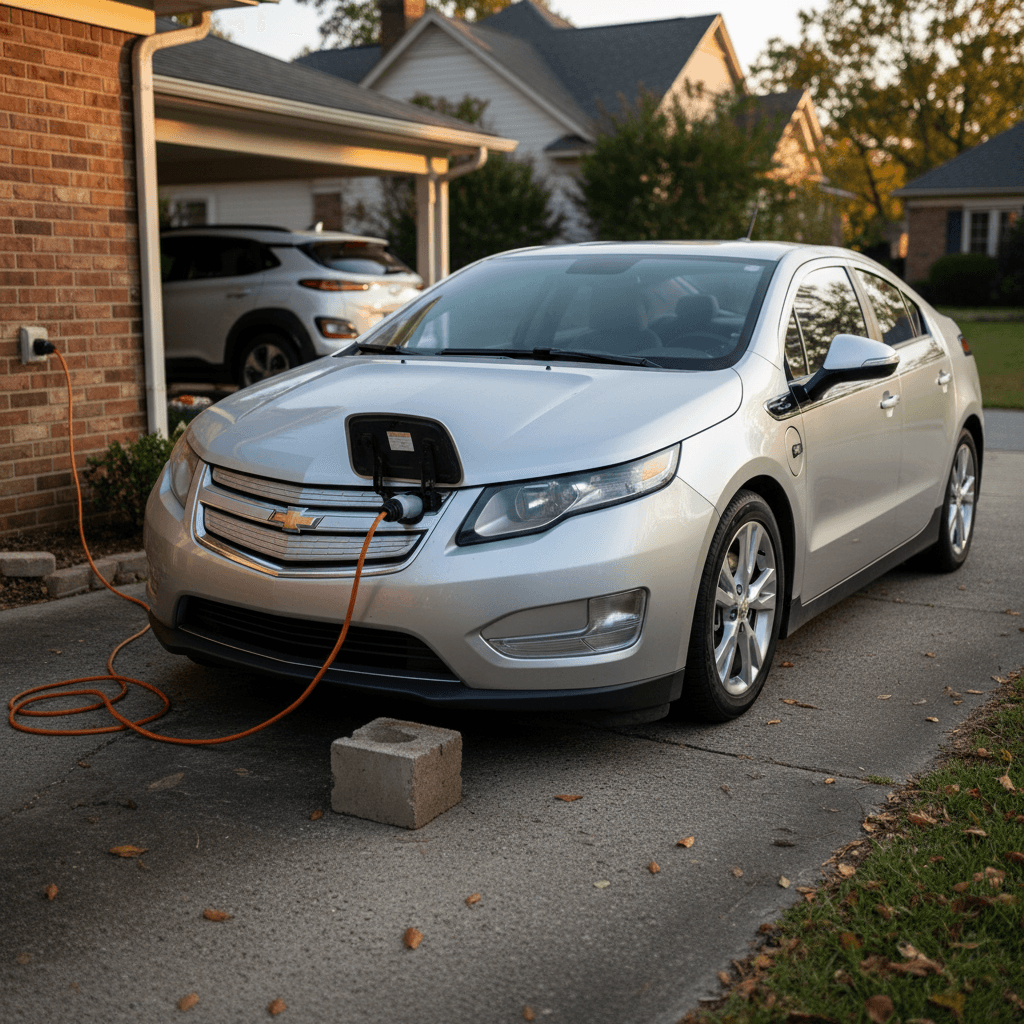
If you’re looking at a used plug-in hybrid, the Chevrolet Volt range story is what makes this car so compelling. You get meaningful all-electric miles for commuting, plus gasoline backup for road trips, no charging-network anxiety. But range numbers vary a lot by model year and by how the car has been driven and maintained.
Key takeaway
Chevrolet Volt range at a glance
Chevrolet Volt range snapshot
The Volt was built for exactly the kind of mixed driving many U.S. households do. You can run errands and commute on electricity alone most days, then let the gas engine take over seamlessly when you go farther. On a typical weekday, many owners see their engine barely run at all.
Rule of thumb for daily driving
First vs. second-generation Chevrolet Volt range
1st-generation Volt (2011–2015)
- Battery: ~16–17.1 kWh pack (about 10–11 kWh usable)
- Electric range: EPA-rated around 35–38 miles when new
- Gas engine: 1.4L four-cylinder
- Gas-only efficiency: ~37 mpg combined in charge-sustaining mode
- Total range: roughly 300–380 miles on a full charge and tank, depending on year and conditions
2nd-generation Volt (2016–2019)
- Battery: 18.4 kWh pack (about 14 kWh usable)
- Electric range: EPA-rated at 53 miles when new
- Gas engine: 1.5L four-cylinder
- Gas-only efficiency: about 42 mpg combined
- Total range: around 420 miles with a full charge plus full tank
From a range standpoint, the second-generation Volt is a clear step up. Chevrolet increased usable battery capacity and efficiency, which pushed electric range over the psychological 50‑mile mark. If you’re shopping used and want to maximize your time in EV mode, 2016–2019 cars are the sweet spot.
Model year matters
Chevy Volt range by model year
Below are approximate EPA all-electric range ratings for Chevrolet Volt model years when new, plus typical total range estimates (electric + gas). Real-world results can vary, but this gives you a solid baseline.
Chevrolet Volt range by generation and model year (EPA-rated when new)
Approximate electric-only range and total range for Chevy Volt plug-in hybrids. Electric range assumes a full battery; total range assumes a full battery plus a full tank of gas.
| Generation / Model years | Approx. electric range (mi) | Gas-only mpg (combined) | Approx. gas range (mi) | Approx. total range (mi) |
|---|---|---|---|---|
| 1st gen (2011–2012) | 35 mi | 37 mpg | ~300 mi | ~335 mi |
| 1st gen (2013–2014) | 38 mi | 37 mpg | ~300 mi | ~338 mi |
| 1st gen (2015) | 38 mi | 37 mpg | ~300 mi | ~338 mi |
| 2nd gen (2016–2018) | 53 mi | 42 mpg | ~340 mi | ~393 mi |
| 2019 Volt | 53 mi | 42 mpg | ~367 mi | ~420 mi |
Use this as a starting point, individual cars can differ based on tire choice, driving style, temperature, and battery health.
Where the numbers come from
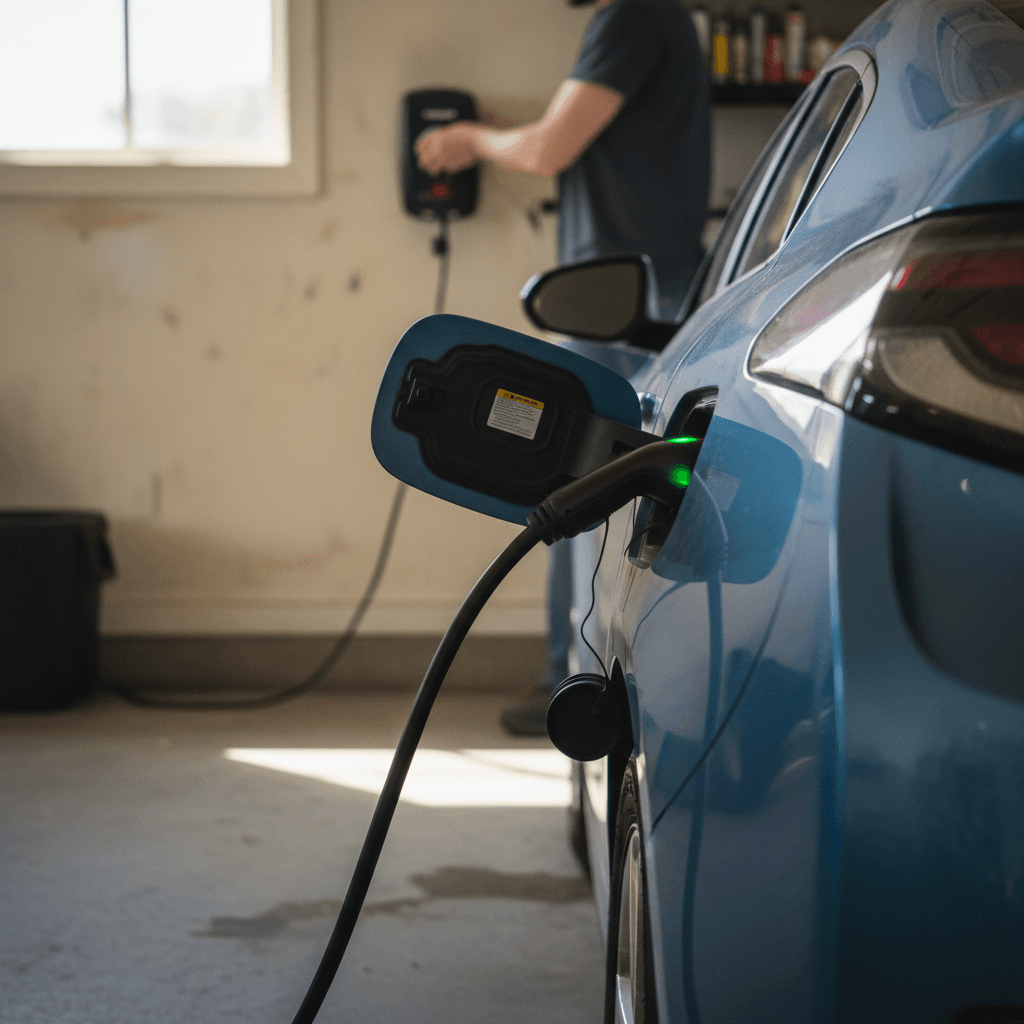
Real-world Chevrolet Volt range vs. EPA ratings
EPA numbers are useful, but they assume a standardized test cycle. In the real world, Volt drivers regularly report hitting or beating those figures in city and suburban driving, and sometimes falling short at freeway speeds or in harsh weather.
What owners typically see in the real world
Your results will depend on climate, terrain, and habits, but these ranges are common once the car is warmed up and driven normally.
City & suburban driving
1st gen: Commonly 35–40 electric miles per charge.
2nd gen: 45–55 electric miles per charge is typical, sometimes more on warm days at lower speeds.
Highway driving
At 70–75 mph, aerodynamic drag eats into range.
- Expect 5–10 fewer electric miles than in mixed city driving.
- Gas mpg also dips slightly vs. EPA ratings.
Cold-weather driving
In winter climates, range can drop 20–40% as the cabin heater and battery conditioning draw more power.
Preconditioning while plugged in helps protect your range.
Easy way to benchmark your Volt
5 big factors that change your Volt’s range
- Speed: Above ~60 mph, aerodynamic drag rises sharply and reduces both electric and gas range.
- Temperature: Very hot or cold conditions force the battery thermal management system and climate control to work harder.
- Terrain: Long climbs reduce range; long descents let regenerative braking claw some of it back.
- Tires & wheels: Aggressive all-season or winter tires and larger wheels can shave several miles off your electric range.
- Driving style: Smooth acceleration and anticipation at stoplights make a noticeable difference, especially in EV mode.
Don’t ignore low tire pressure
Battery health and used Chevrolet Volt range
Because every Chevrolet Volt you’ll find today is a used vehicle, battery condition is the wild card. GM engineered the Volt pack with a generous buffer, only a portion of its total capacity is used, to help slow degradation. Many high‑mileage Volts still deliver very usable electric range more than a decade on.
How Volt battery health typically looks over time
Exact numbers vary car to car, but owners and fleet data show some common patterns.
Early years (0–5 years old)
- Most Volts lose only a small single‑digit percentage of usable capacity.
- Electric range often stays within a few miles of the original EPA rating.
- Cars that live in mild climates fare best.
Later years (8–14+ years old)
- Some reduction in range is normal, often 5–20% depending on use.
- Heat, frequent fast charging, and repeated deep depletion can accelerate wear.
- A well‑cared‑for Volt may still comfortably cover a 25–40 mile commute on electricity alone.
How Recharged helps you verify range
How Chevrolet Volt range compares to full EVs
When the Volt launched, 35–53 electric miles were enough to transform daily driving. Today, mainstream EVs commonly offer 230–320 miles of range on a full charge. If you drive long distances frequently and have reliable access to fast charging, a full battery-electric model may be a better fit.
Where the Volt still shines
- Mixed-fuel flexibility: Runs as an EV for short trips, gasoline for long ones.
- Great for apartment dwellers: If home charging is limited, you’re never stranded.
- Used pricing: Older Volts often cost significantly less than newer long-range EVs.
Where a full EV pulls ahead
- Long-distance efficiency: No engine to maintain and lower running costs in many states.
- More range on battery alone: Great if you regularly drive 200+ miles in a day.
- Simpler powertrain: Fewer moving parts than a plug-in hybrid.
Thinking beyond the Volt
Ready to find your next EV?
Browse VehiclesBuying a used Chevy Volt? Range checklist
7 range checks before you buy a used Volt
1. Confirm the generation and model year
Ask specifically whether it’s a 2011–2015 (1st gen) or 2016–2019 (2nd gen) Volt. Electric range jumped from the mid‑30s to the low‑50s miles between generations.
2. Review battery health data
Look for a recent <strong>battery health report</strong> or diagnostic scan. With Recharged, this is included in the Recharged Score so you can see estimated remaining capacity and projected range.
3. Test a full electric drive
Start with a full charge, reset a trip meter, and drive until the engine kicks on. Note the mileage, this gives you a real-world snapshot of that car’s electric range today.
4. Check how the car was used
Ask about daily commute length, climate, and charging habits. A Volt that did short, frequent charges in a moderate climate is usually in better shape than one that sat in extreme heat or was rarely plugged in.
5. Inspect tires and wheels
Oversized wheels and aggressive tires can noticeably reduce range. Factor that into your expectations, or budget for a set of efficiency‑oriented tires if you want every last mile.
6. Look for software updates and recalls
Well-maintained Volts typically receive battery and powertrain software updates that can improve drivability and energy management. Confirm recall and service history.
7. Match range to your routine
Map your typical week: commute, errands, kids’ activities. If your daily driving fits within the Volt’s electric range, you’ll spend very little on fuel, as long as you plug in regularly.
Chevrolet Volt range: FAQ
Frequently asked questions about Chevrolet Volt range
Bottom line: Is Chevrolet Volt range enough today?
For many drivers in the U.S., the Chevrolet Volt range formula still works remarkably well. If your daily driving fits inside 30–50 electric miles and you’re willing to plug in most nights, you can treat a used Volt like an EV most of the time, and still have gasoline in reserve for unpredictable days and long trips.
The key is understanding which generation you’re buying and the current health of its battery. That’s exactly where a verified battery report and a transparent purchase process make all the difference. At Recharged, every used EV and plug‑in hybrid comes with a Recharged Score battery health diagnostic, fair pricing, financing options, and EV‑specialist support so you can shop confidently, whether you land on a Chevy Volt or decide a full battery-electric model is a better fit.