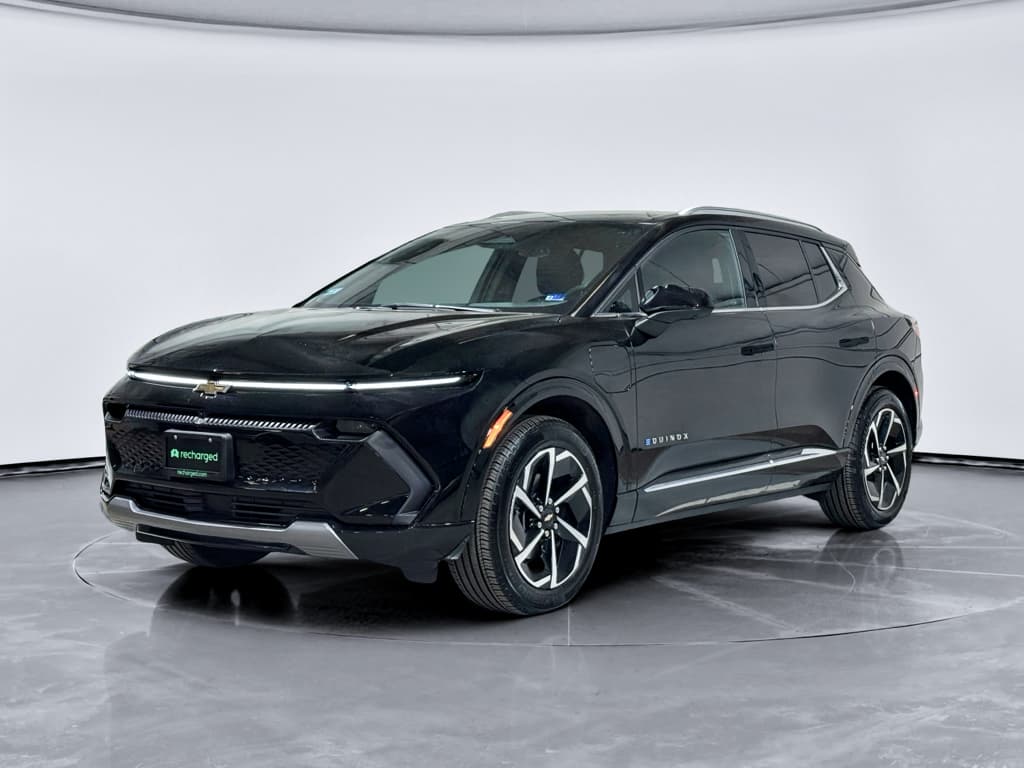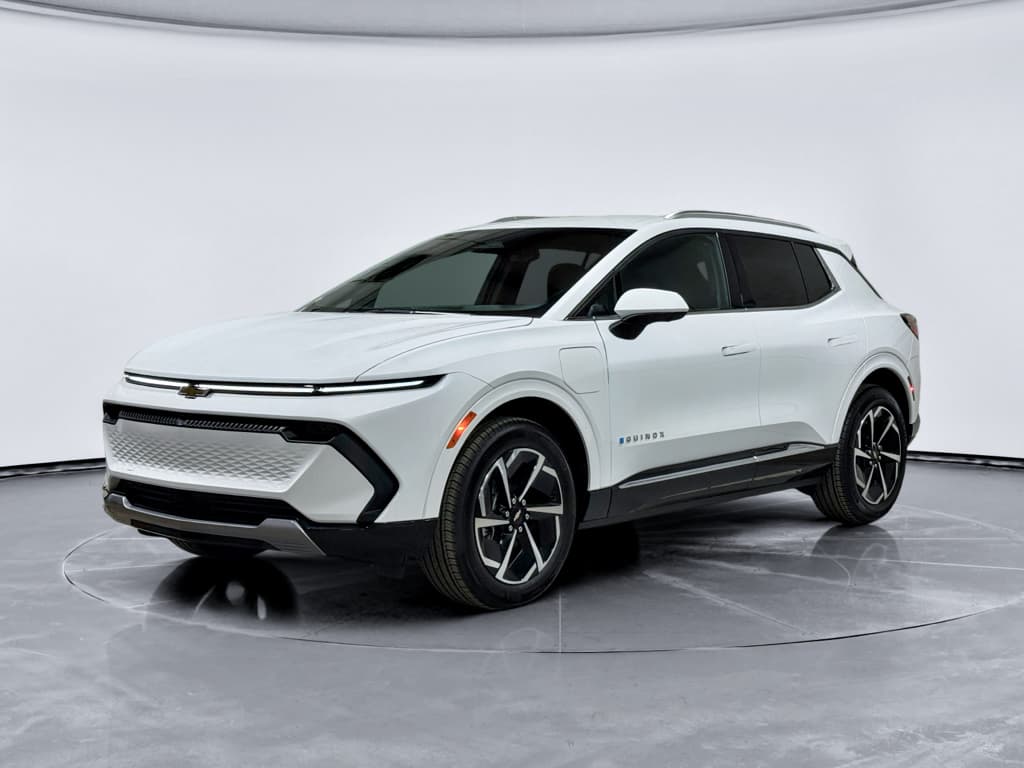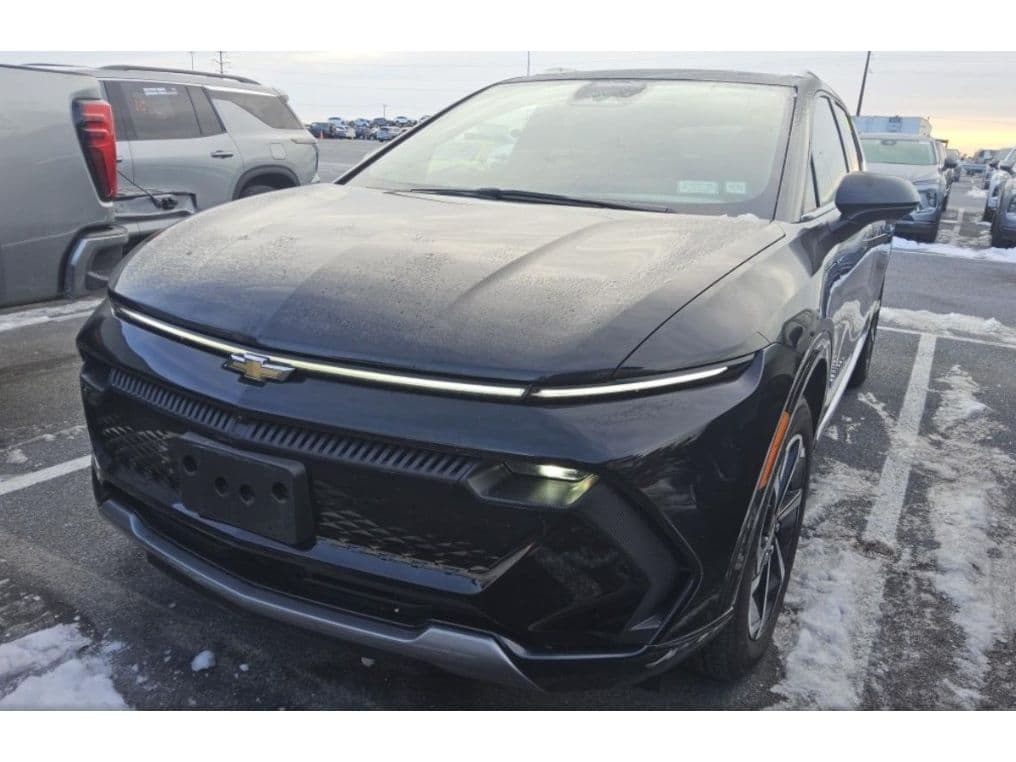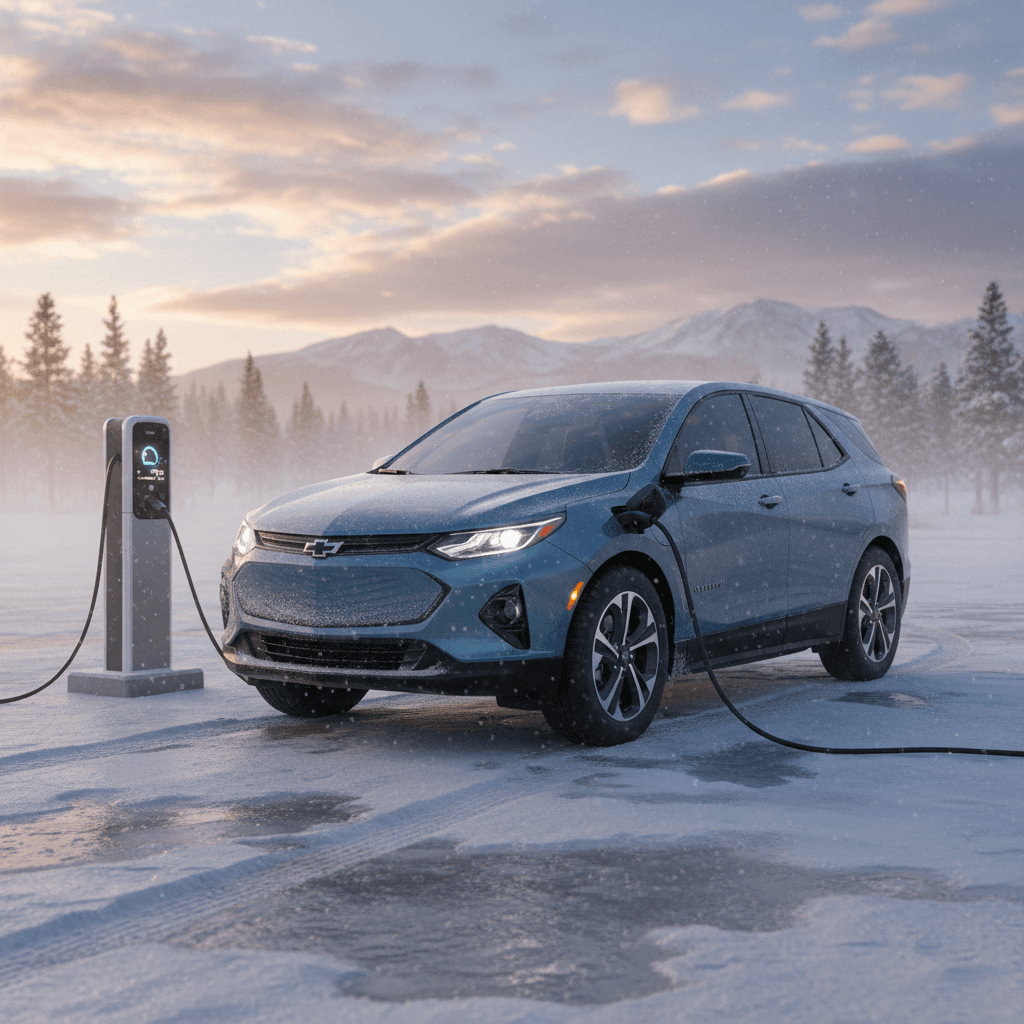
If you live where snow is more than an occasional Instagram filter, you’re right to ask about Chevrolet Equinox EV winter range loss percentage. The Equinox EV’s Ultium hardware and standard heat pump give it a leg up on older GM EVs in the cold, but no electric SUV is immune to physics. Let’s dig into how big a winter hit you should expect, why it happens, and how to keep your Equinox EV feeling like a four‑season daily driver instead of a three‑season science project.
Short answer
Chevrolet Equinox EV winter range loss at a glance
Equinox EV winter range snapshot (estimated)
Those ranges come from a mix of fleet‑wide winter studies, third‑party testing, and what we know about GM’s Ultium platform in sibling vehicles. While we don’t yet have a giant pile of Equinox‑only winter data, the patterns are very consistent with other heat‑pump‑equipped EVs: a manageable hit in everyday cold weather, and a bigger haircut when you head into true Arctic cosplay.
First, know your Equinox EV’s rated range
You can’t talk about winter range loss percentage without a baseline. Chevy has launched the Equinox EV with several battery and drivetrain combos, but on the street you’ll mostly see two flavors:
- Front‑wheel drive (FWD) long‑range trims with EPA estimates around the low‑to‑mid‑300‑mile mark, depending on wheel size and model year.
- All‑wheel drive (eAWD) versions typically rated in the high‑200s to low‑300s, again depending on trim and year.
- All use a large Ultium pack (roughly mid‑80 kWh usable) tuned for efficiency, with a standard heat pump for cabin conditioning.
Think in percentages, not promises
In real‑world mixed driving, many drivers report their Equinox EV can match or modestly beat its EPA rating in mild weather. That’s good news, because it gives you some headroom when winter moves in and takes its cut.
How much winter range loss to expect in a Chevrolet Equinox EV
Let’s get specific. Based on large independent winter studies, controlled EV testing, and the way Ultium vehicles behave in the cold, here’s a reasonable Chevrolet Equinox EV winter range loss percentage map you can plan around:
Chevrolet Equinox EV winter range loss estimates
Approximate real‑world winter range loss for an Equinox EV relative to EPA‑style mild‑weather range, assuming the car and battery are in good health.
| Conditions | Typical Temp | Drive Pattern | Estimated Range Retained | Estimated Range Loss |
|---|---|---|---|---|
| Cool shoulder seasons | 40–55°F (4–13°C) | Mixed city/highway, some heater use | 90–95% | 5–10% |
| Normal winter day | 20–32°F (–6 to 0°C) | Longer drives, preconditioned while plugged in | 75–85% | 15–25% |
| Short‑trip winter commuting | 20–32°F (–6 to 0°C) | Lots of 5–15 minute trips, heavy HVAC use | 65–75% | 25–35% |
| Deep‑freeze highway run | 0–15°F (–18 to –9°C) | 70–75 mph highway, limited preconditioning | 55–65% | 35–45% |
| Extreme cold snap | Below 0°F (–18°C) | Highway or mixed, no preconditioning, strong headwinds possible | Around 50–60% | 40–50% |
These are directional planning numbers, not guarantees. Your exact results will vary by speed, terrain, tires, wind, and how warm you like your cabin.
Why you won’t see one “magic” number
The reassuring part is this: in everyday freezing weather, think 20–32°F, some highway, some city, an Equinox EV driven thoughtfully should often hang in that 15–25% loss window. That’s right in line with comprehensive winter data sets showing modern EVs retaining roughly 80% of their rated range around freezing.
Why the Equinox EV (and every EV) loses range in winter
1. Cold batteries are grumpy batteries
EV batteries are happiest in a Goldilocks zone. When it’s cold, internal resistance climbs. That means:
- Less usable energy at the same state of charge.
- Slower ability to accept charge at fast chargers.
- More energy needed to warm the pack back into its ideal range.
The Equinox EV uses thermal management to keep the pack in a safe window, but it can’t completely dodge physics.
2. Cabin heat is a big energy hog
Gas cars get “free” cabin heat from an inefficient engine. Your Equinox EV doesn’t, it has to spend battery energy to make warmth.
- At low speeds, HVAC can be one of the biggest power draws on the car.
- Defrost, mirror heat, and rear defogger all stack on top.
- Heated seats and wheel are far more efficient than blasting hot air.
The good news: the Equinox EV’s standard heat pump is much more efficient than old‑school resistive heaters, especially in the 20–40°F range.
3. Thick air and winter tires
Cold air is denser. Denser air means more aerodynamic drag at highway speeds. Add winter tires (with stickier compounds and often more aggressive tread) and you’ve raised rolling resistance too.
None of this is unique to EVs, but you feel it more because you’re watching electrons instead of gallons.
4. Driving pattern math
On a short trip, a big chunk of your energy budget goes to warming the battery and cabin. Do that over and over on a cold day, and the percentage loss looks huge.
On a longer drive, that warm‑up cost gets spread out over more miles, so your winter loss percentage shrinks.
Equinox EV vs Bolt and other GM EVs in the cold
If you’re coming out of a Chevy Bolt EV or EUV, you probably have some cold‑weather battle scars. Owners of those cars routinely report upper‑20s to 30% winter range loss in normal cold, and even steeper cuts when temps tumble toward single digits. The Bolt’s smaller pack and, on many trims, lack of a heat pump don’t help its cause.
Why the Equinox EV should cope better than a Bolt
That doesn’t mean an Equinox EV magically ignores winter, again, physics. But if you’re upgrading from a Bolt, it’s reasonable to expect a slightly smaller percentage hit in the same conditions, especially in that “normal winter” 20–32°F band, and a quicker recovery of usable range once the pack and cabin are fully warmed up.
Real‑world winter driving scenarios for Equinox EV owners
How Equinox EV winter range loss feels in real life
Three common cold‑weather days, translated into miles instead of theory.
1. The frozen‑commute weekday
Scenario: 18°F, light snow, 7‑mile drive to work, 7 miles home, a grocery run in between.
- Lots of short trips with a cold battery.
- Heated seats and wheel on, cabin set to 70°F.
- Car sits outside all day.
What you’ll see: Energy use looks ugly on a per‑mile basis, don’t be shocked if effective range feels down 30%+.
2. The Saturday ski run
Scenario: 24°F climbing to 30°F, 120‑mile highway drive to the mountain, 120 back home.
- Steady 65–70 mph highway speeds.
- Preconditioned while plugged in before departure.
- Cabin set reasonably warm, using seat heat.
What you’ll see: After the first 15–20 minutes, efficiency stabilizes. Expect roughly 15–25% loss versus your mild‑weather highway range.
3. The deep‑freeze road trip
Scenario: 5°F, gusty headwinds, 250‑mile interstate drive with a DC fast‑charge stop.
- Battery and cabin both starting cold.
- Heavy aerodynamic penalty from dense air and wind.
- Pack needs active heating for fast charging.
What you’ll see: Effective range can sag into the 40–50% loss zone if you don’t precondition and keep speeds high. This is where smart planning really matters.
10 ways to cut Equinox EV winter range loss
Cold‑weather habits that protect your Equinox EV’s range
1. Always precondition while plugged in
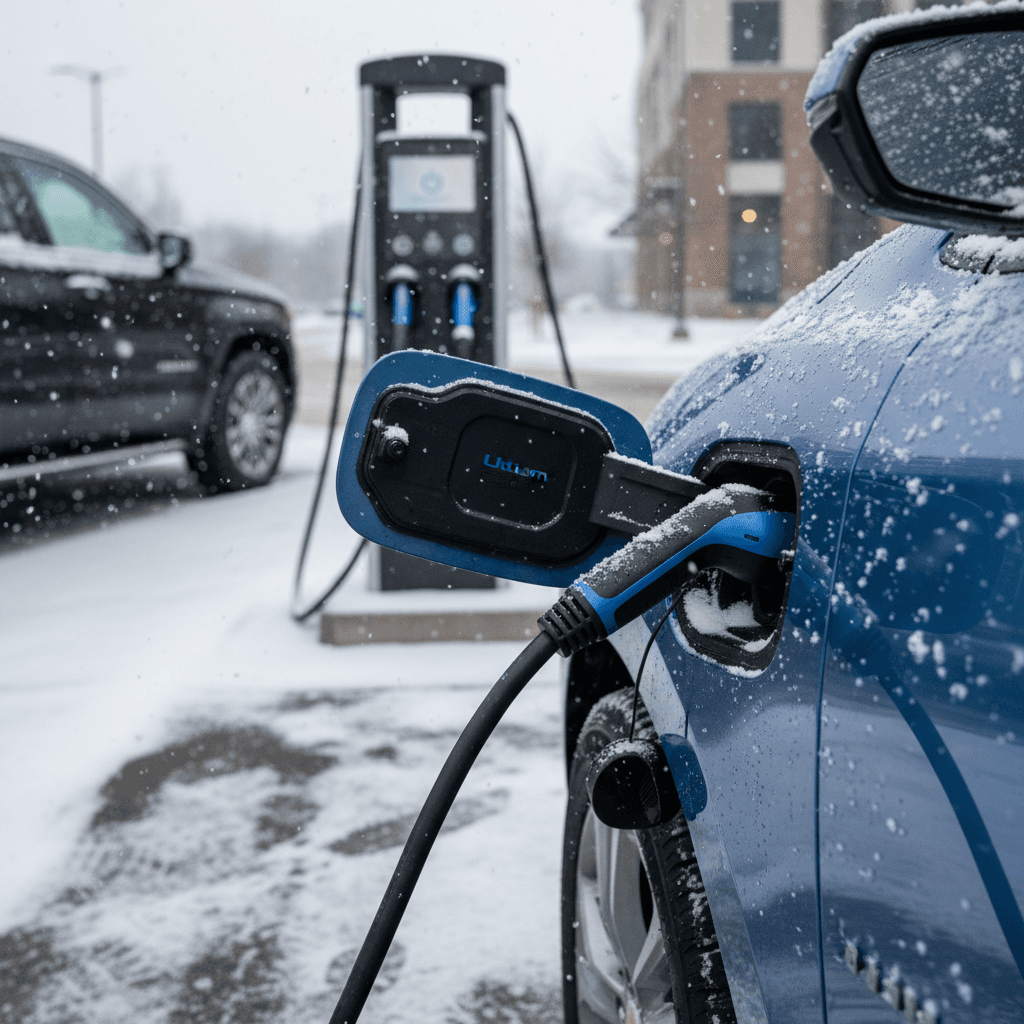
Use the Equinox EV’s remote climate features to warm the cabin and battery before you leave, <strong>while you’re still on shore power</strong>. That way, more of your on‑road energy goes to driving, not defrosting.
2. Lean on heated seats and steering wheel
These sip power compared with blasting hot air. Set the cabin a couple degrees cooler than you would in a gas car and let the seat and wheel do most of the comfort work.
3. Use a departure schedule for regular commutes
If you leave at roughly the same time each weekday, set a scheduled departure in the car or app. The battery and cabin will be ready to go at the right moment.
4. Check your tires (pressure and type)
Cold air drops tire pressure, often several PSI below spec. Low pressure adds rolling resistance and can cost you range. Also know whether you’re on dedicated winter tires; they improve grip but can shave a few percentage points of range.
5. Tame your right foot and your speed
Hard acceleration and 80‑mph cruising magnify winter penalties. In cold air, trimming just 5–10 mph off your highway speed can noticeably improve your Wh/mi consumption.
6. Group errands into one warm‑up cycle
Instead of three separate short trips, try to chain errands together. One warm‑up period for the cabin and battery is far more efficient than three cold starts.
7. Keep the battery out of the extreme low end
In bitter cold, the last 10–15% of the pack can feel tighter than usual. Avoid arriving at your destination or a charger with just a couple of percent left when it’s truly frigid.
8. Use Eco or efficiency‑oriented drive modes
The Equinox EV’s software can soften throttle response and adjust climate behavior in efficiency modes. It won’t work miracles, but it nudges everything in the right direction.
9. Precondition before DC fast charging
On long winter trips, start battery preconditioning 20–30 minutes before you reach a fast‑charge stop if the car allows it, hotter batteries charge faster and waste less energy.
10. Update software and learn your car’s graphs
GM continues to refine Ultium energy management. Stay current on updates and spend time with the trip and energy screens so you understand what “normal” looks like for your Equinox EV in your climate.
Use your winter as a science experiment
Planning winter road trips and charging with an Equinox EV
On a mild summer day, you might ballpark your Equinox EV’s real‑world highway range at, say, 260–280 miles on a full battery, depending on trim and driving style. In winter, a smarter way to think about trips is in conservative chunks, and with more charging margin than you’d use in July.
Sample winter road‑trip planning for an Equinox EV
How you might plan highway legs in winter versus summer with a long‑range FWD Equinox EV whose driver normally sees about 270 miles of summer highway range.
| Season & Conditions | Target SOC Window | Planned Highway Leg Length | Why It Works |
|---|---|---|---|
| Summer, mild temps | 80% → 10% | ~190 miles | Leaves a comfortable buffer before the next charger. |
| Normal winter (25°F, light wind) | 90% → 15% | ~150–160 miles | Builds in ~20–25% loss and a cushion for wind or detours. |
| Deep‑freeze (5°F, strong winds) | 90% → 25% | ~110–120 miles | Plans for ~40% loss and slower charging, with extra margin in case a station is busy or offline. |
These are planning examples, not prescriptions. Adjust for your own comfort with low state of charge and charging network coverage.
Don’t flirt with 0% in a blizzard
If you buy or sell through Recharged, your advisor can help you sanity‑check winter road‑trip plans for the specific Equinox EV you’re looking at, trim, wheels, and tires all matter at the margins. We also factor seasonal behavior into every Recharged Score battery and range report, so you’re not blindsided by winter once the honeymoon phase is over.
Shopping used? Winter questions to ask about an Equinox EV
If you’re considering a used Chevrolet Equinox EV, winter performance should be on the short list of questions, especially if you’re in the upper Midwest, New England, or mountain states. The good news is that Equinox EVs are new enough that outright battery wear is usually modest, but how the car was used still matters.
Winter‑smart questions for a used Equinox EV
Whether you’re buying from a private party or a marketplace like Recharged, bring these up.
Ask about real‑world winter range
- “On a cold day around freezing, how far could you go on the highway from 80% down to 10%?”
- “Did you ever feel you had to cancel trips or change plans because of winter range?”
You’re not looking for perfection, you’re looking for honesty and specifics.
Review battery health and charging habits
- How often was the car fast‑charged?
- Was it stored in a garage or outdoors?
- Any history of the car refusing to fast‑charge in the cold?
A Recharged Score battery health report can quantify pack condition instead of relying on guesswork.
Inspect tires and winter prep
- What tires are currently fitted, low‑rolling‑resistance all‑seasons or dedicated winters?
- Are TPMS readings and pressures healthy?
- Any damage from winter roads (corrosion, curb rash)?
Check software and service history
- Has the car received the latest Equinox EV software updates?
- Any prior service visits for heating, defrosting, or charging issues?
- Has the owner used scheduled departure and preconditioning features?
How Recharged helps on the used side
Ready to find your next EV?
Browse VehiclesChevrolet Equinox EV winter range FAQ
Frequently asked questions about Equinox EV winter range
Bottom line: Is Equinox EV winter range loss a deal‑breaker?
If you’re picturing your Chevrolet Equinox EV shrinking to half its range the moment a snowflake hits the windshield, you can exhale. In the real world, this Ultium‑based SUV usually gives you roughly three‑quarters of its mild‑weather range on a normal freezing‑day drive, and the tools to do better if you use preconditioning and drive with a light touch.
Winter will always take its cut. But for most drivers in cold states, the Equinox EV’s combination of a healthy‑sized battery, heat pump, and modern thermal management makes it a genuinely four‑season daily. The key is knowing your numbers, leaving sensible margin on deep‑freeze days, and turning winter from a source of anxiety into just another chapter of EV ownership.
If you’re shopping for an Equinox EV, or weighing it against other electric SUVs, Recharged can help you run the winter math. Every used EV we sell comes with a Recharged Score battery report, fair‑value pricing, and EV‑savvy specialists who speak both ski‑trip and school‑run. That way, when the temperature drops, your confidence doesn’t.