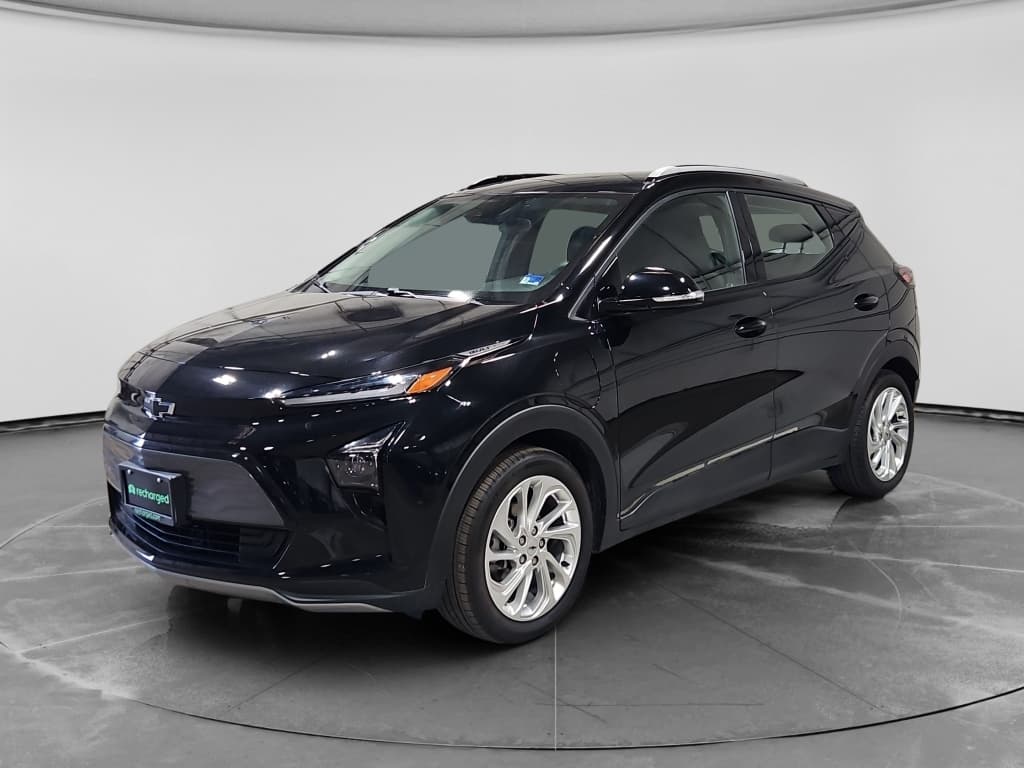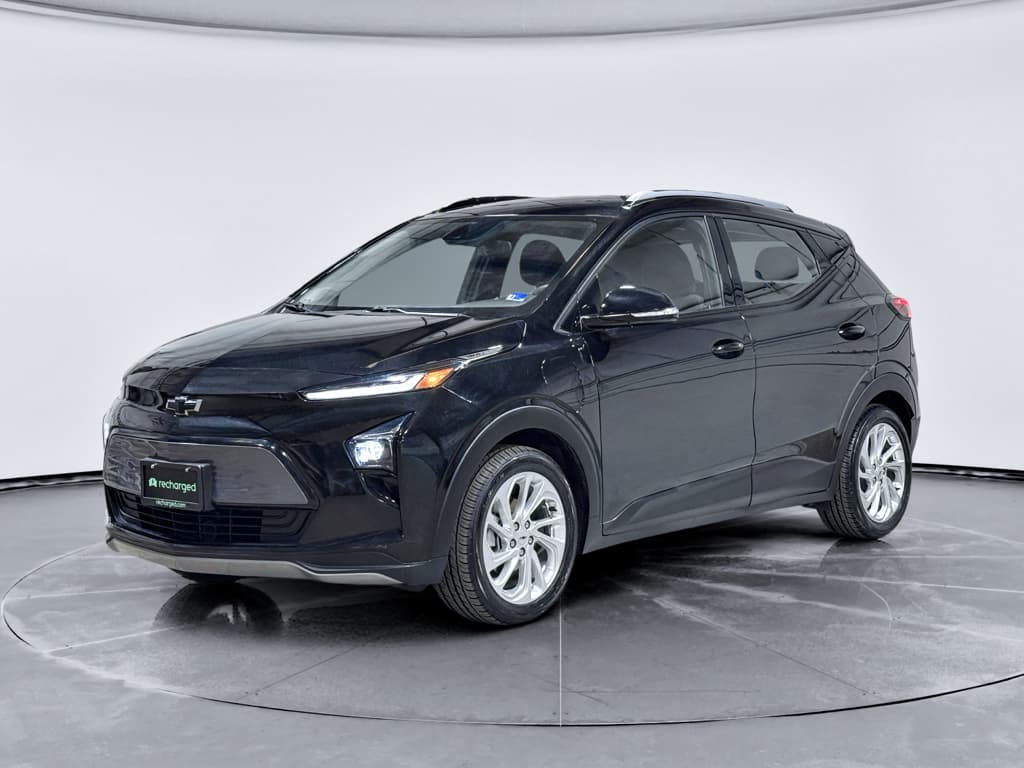
Among affordable EVs, the Chevrolet Bolt range story is oddly grown‑up. No drama, just a compact hatch that quietly goes about delivering 230–260 miles on a charge, year after year, while crossovers three times the price hog all the attention. If you’re considering a Bolt EV or EUV, especially a used one, the smart questions are: how far will it really go, what happens in winter, and how does the battery hold up over time?
Quick context
Chevrolet Bolt range at a glance
Official Chevrolet Bolt EV & EUV EPA range
The headliners are simple: a modern Bolt EV carries an EPA estimate around 259 miles, the slightly larger Bolt EUV around 247 miles. In the real world, most owners see something in the 220–260‑mile window in mild weather, with winter lopping off a disheartening, but manageable, chunk of that.
Bolt EV vs Bolt EUV range: what the numbers say
Chevy Bolt EV vs Bolt EUV range comparison
How the hatchback Bolt EV stacks up against the taller Bolt EUV on paper.
| Model | Battery | EPA range (combined) | City range (EPA) | Highway range (EPA) | Onboard AC charging | Max DC fast‑charge power |
|---|---|---|---|---|---|---|
| Bolt EV | 65 kWh | 259 miles | ~280 miles | ~233 miles | Up to 11.5 kW | ~55 kW |
| Bolt EUV | 65 kWh | 247 miles | ~267 miles | ~223 miles | Up to 11.5 kW | ~55 kW |
EPA range figures are for typical 2022–2023 models; earlier years may differ slightly.
Both Bolt EV and EUV share essentially the same 65 kWh pack and 200 hp front‑drive powertrain. The EUV’s taller, slightly heavier crossover body and chunkier aero explain its ~5% range penalty versus the hatch. What matters to you is use case: if you’re mostly commuting and appreciate the EUV’s rear legroom, that 12‑mile EPA difference is academic. If you’re an efficiency maximalist, the EV is the better nibble.
Model years to know
Real‑world Chevrolet Bolt range in daily driving
EPA numbers are a lab exercise; you live on I‑95, in stop‑and‑go traffic, with a podcast going and climate control on. In mixed suburban use at moderate speeds, owners routinely report 230–260 miles from a full charge in mild temperatures, which tracks closely with the official ratings. The spread depends less on the car and more on the organic life form behind the wheel.
- At steady 65–70 mph on the highway in mild weather, expect roughly 75–85% of the EPA rating, think 190–220 miles for an EUV, modestly higher for an EV.
- Around town at 25–45 mph with reasonable driving, it’s not hard to match or slightly beat the EPA figure, because stop‑and‑go favors regeneration.
- Aggressive acceleration, high sustained speeds (80 mph+), big roof boxes or racks, and heavy loads all trim range, sometimes dramatically.
City & suburban driving
Paradoxically, the Bolt is happiest in the environment people hate: clogged arterials, suburban ring roads, constant stoplights. The motor sips energy moving a light car at low speeds, and every lift off the accelerator feeds charge back into the battery.
On a 45‑mph commute with moderate traffic and sensible use of climate control, seeing 4–4.5 miles/kWh is common, which translates to near‑EPA or even slightly better range.
Highway and long stretches
At 70–75 mph, aerodynamic drag becomes the villain. The same car that cheerfully shows 260 miles around town may show 190–210 miles at Interstate pace, especially in headwinds or rain.
That doesn’t make the Bolt a bad road‑trip car, but it does mean you should plan charging stops earlier than the EPA sticker might suggest, especially in winter.
Don’t chase the guess‑o‑meter
Winter and weather: how much range you really lose
Cold weather is kryptonite to lithium‑ion batteries, and the Chevrolet Bolt is no exception. Owners in northern states routinely report 30–40% range loss on the coldest days, especially on the highway with the cabin toasty and winter tires mounted.
How different conditions affect Chevy Bolt range
Use these as ballpark guideposts, not promises from Mount Olympus.
Cool & rainy (40–55°F)
Plan on ~10–20% less range than EPA, especially on the highway.
- Batteries are less efficient when cool
- Rain and wet roads increase drag
- Defogging uses extra energy
Cold winter (0–32°F)
Range drops can hit 30–40% depending on speed.
- Cabin heat is a big energy draw
- Snow tires add rolling resistance
- Pre‑conditioning becomes critical
Hot summer (85–100°F)
Range is close to or slightly above EPA, with AC shaving a modest amount.
- Battery likes warm temps
- AC is less energy‑hungry than heat
- Park in shade to protect the pack long‑term
Beware of optimistic winter plans
Simple habits to improve winter range
Precondition while plugged in
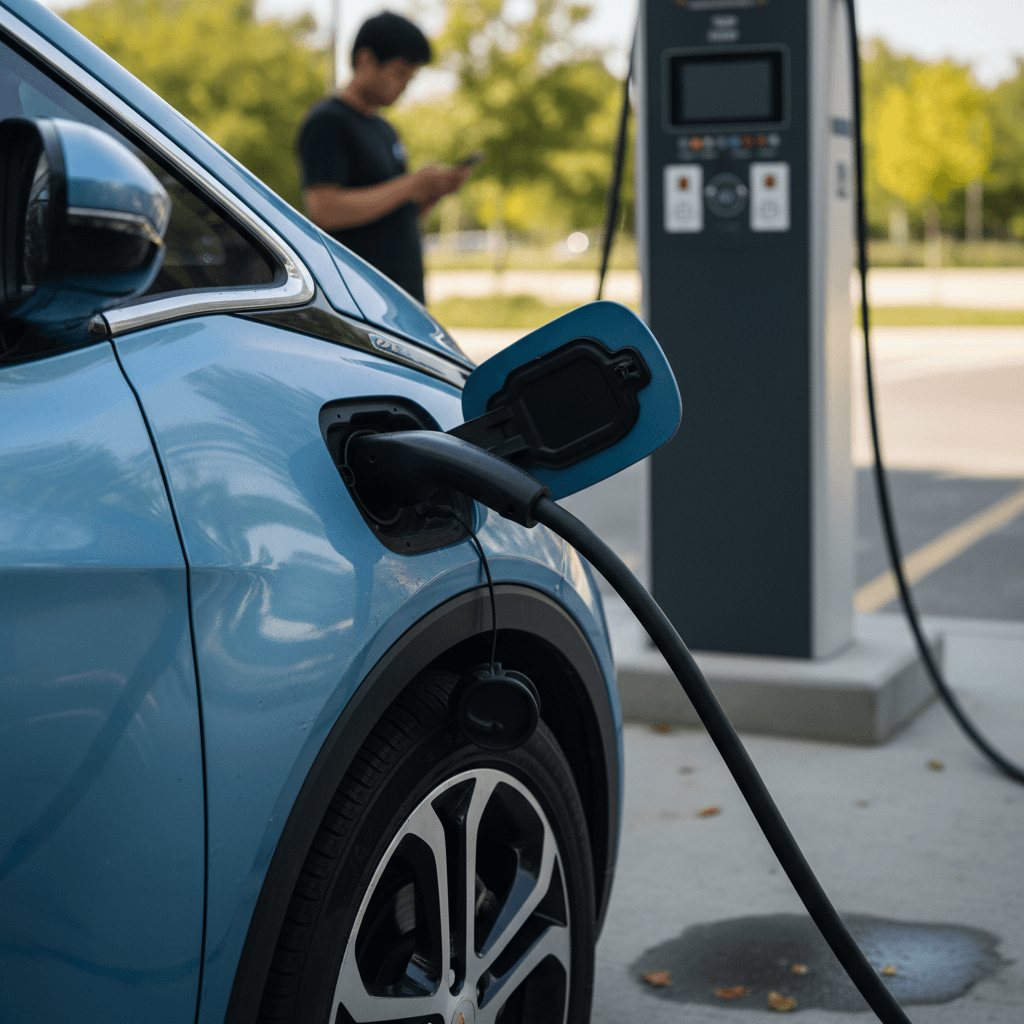
Use the MyChevrolet app or the key fob to warm the cabin and battery while the car is still charging. That energy comes from the grid, not your battery.
Use seat and wheel heaters first
The Bolt’s heated seats and steering wheel sip energy compared with blasting cabin heat. Stay comfortable, then add modest cabin heat as needed.
Dial back your speed
Dropping from 75 mph to 65 mph can claw back a surprising chunk of winter range. It’s boring, but it works.
Keep tires properly inflated
Cold air reduces tire pressure, which increases rolling resistance and hurts efficiency. Check pressures regularly as seasons change.
Battery degradation on the Chevy Bolt
Range is worthless if it evaporates after a few years. On that front, the Chevrolet Bolt has been quietly impressive. Despite early headlines about the battery recall (a separate issue, now resolved with pack replacements or fixes), long‑term degradation for most owners appears modest, often in the 5–15% range after many years and tens of thousands of miles.
- Chevrolet backs the Bolt’s high‑voltage battery with an 8‑year/100,000‑mile warranty on electric propulsion components, including the pack.
- GM’s published warranty language allows for notable degradation before a pack qualifies for replacement, but real‑world owner data suggests most cars don’t approach those worst‑case limits.
- Cars that received full pack replacements under the recall effectively started over with a “new” battery, which is a quiet bonus if you’re shopping used.
What actually ages a Bolt battery
Typical degradation pattern
Most EV batteries, including the Bolt’s, lose a noticeable chunk of capacity early in life (the first few percent), then settle into a slower decline. Losing ~5% in the first couple of years and perhaps another few percent over the next four to five is common.
Translated to range, that might mean a 259‑mile Bolt EV behaving more like a 235–245‑mile car after several years, still entirely usable for most commutes.
Red flags to watch for
If a used Bolt shows dramatically less range than similar cars with comparable mileage, or the owner reports big, sudden drops in estimated range, dig deeper. It could be an unusually hard‑used pack, or just a wildly pessimistic guess‑o‑meter after a brutal winter.
Either way, independent battery health data is your friend when you’re writing the check.
Road‑tripping in a Bolt: is the range enough?
On paper, a 247–259‑mile EV looks perfectly adequate for long‑distance duty. In practice, road‑tripping a Bolt is possible and often pleasant, but you need to understand how its range and charging curve play with America’s charging infrastructure.
What Bolt range looks like on a road trip
Assumes moderate weather and starting around 90–100% charge.
| Scenario | Starting SOC | Comfortable distance between DC fast charges | Notes |
|---|---|---|---|
| Conservative planner | 90% | 150–170 miles | Plenty of buffer; arrive with ~20–30% remaining. |
| Balanced approach | 80% | 160–190 miles | Assumes mild temps, 65–70 mph cruising. |
| Maximum stretch | 100% | 200–220 miles | Not recommended as a routine strategy; little buffer if conditions change. |
These are ballpark planning numbers; always leave extra margin for wind, elevation and weather.
The DC fast‑charging catch
Maximizing your Bolt’s range
Practical ways to squeeze more miles from your Bolt
None of this requires hypermiling, just being smarter than the aero drag and electrons.
Tame your speed
Above ~60 mph, drag increases with the square of speed. Dropping from 78 mph to 68 mph can add dozens of miles to your remaining range with zero hardware changes.
Optimize climate control
Use the Eco HVAC setting, rely on seat and wheel heaters first, and avoid blasting max heat or AC unless truly necessary.
Plan smarter routes
Use EV‑aware route planners that know where chargers are and how elevation changes will affect your consumption, rather than trusting a generic maps app.
- Keep roof racks and cargo boxes off the car when you’re not using them, they’re stealthy range killers.
- Use one‑pedal driving and “L” mode generously around town to maximize regenerative braking.
- If your utility offers off‑peak electricity rates, schedule home charging for those hours and start your drive right after charging finishes so the pack is warm and full.
Where Recharged fits in
Ready to find your next EV?
Browse VehiclesBuying a used Chevy Bolt: range and battery checklist
Because the Bolt’s range is so tightly bound up with battery health and charging history, a used example can be either an outstanding bargain or a slightly‑mysterious science experiment. Here’s how to separate the two.
Range & battery checklist for used Chevrolet Bolt shoppers
Confirm model year, trim and EPA range
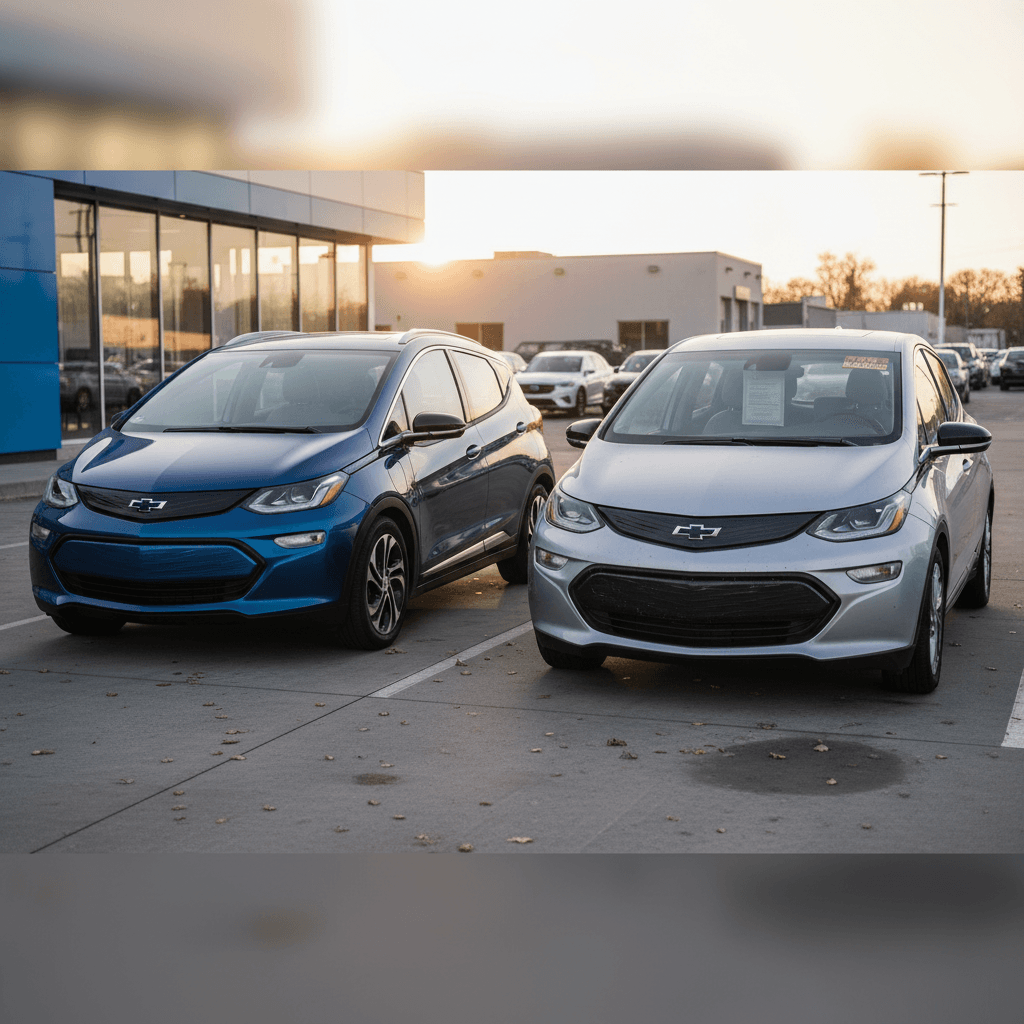
Verify whether you’re looking at a 238‑mile (earlier) or ~259‑mile (later) Bolt EV, or a 247‑mile Bolt EUV. Make sure the seller’s claims match the window sticker or official specs.
Check for recall battery replacements
Many Bolts received brand‑new packs under GM’s recall campaign. Ask for documentation. A replacement pack is a meaningful plus for long‑term range and resale value.
Look at the current range estimate vs. state of charge
On a full or nearly full charge in mild weather, does the car’s estimate roughly align with EPA numbers? Large discrepancies, especially at low mileage, warrant further investigation.
Review charging habits
Ask how the previous owner charged: mostly home Level 2 to 80–90%, or daily DC fast charging to 100%? High‑mileage, DC‑fast‑charged cars aren’t deal‑breakers, but price and expectations should reflect their history.
Request battery health documentation
Ideally, get an independent battery report, like the <strong>Recharged Score</strong>, that shows usable capacity and cell balance instead of relying on seat‑of‑the‑pants impressions.
Test‑drive in your typical conditions
If possible, test‑drive on a similar route and at similar speeds to your daily use. Note efficiency (mi/kWh) and how the range estimate responds. This tells you more than a five‑minute spin around the block.
FAQ: Chevrolet Bolt range questions, answered
Frequently asked questions about Chevy Bolt range
Bottom line: is the Chevy Bolt’s range enough?
If your life looks like most Americans’, a daily round trip under 80 miles, the occasional weekend away, and perhaps one proper road trip a year, the Chevrolet Bolt range story is quietly compelling. Even with some winter shrinkage and modest degradation over time, you’re still well inside the comfort zone for commuting and errands, and with a bit of planning the Bolt will knock down multi‑state drives with more grace than its price suggests.
The trick is matching the car’s honest capabilities to your real habits. That means thinking about winter, highway speeds, charging access and long‑term battery health, then buying the specific used Bolt that fits, not just the one with the brightest paint. If you’d like help decoding range, degradation and pricing on individual cars, Recharged exists for exactly that: transparent battery diagnostics, fair‑market pricing, and EV specialists who can tell you whether a given Bolt EV or EUV is the right tool for your actual life, not just your Instagram feed.