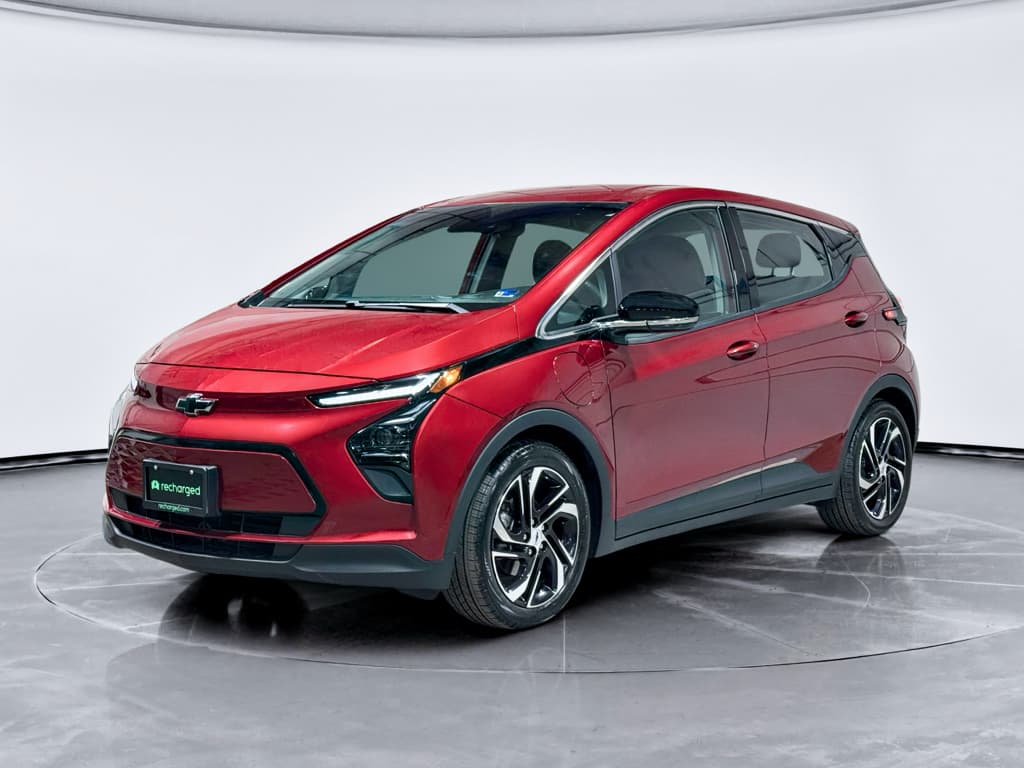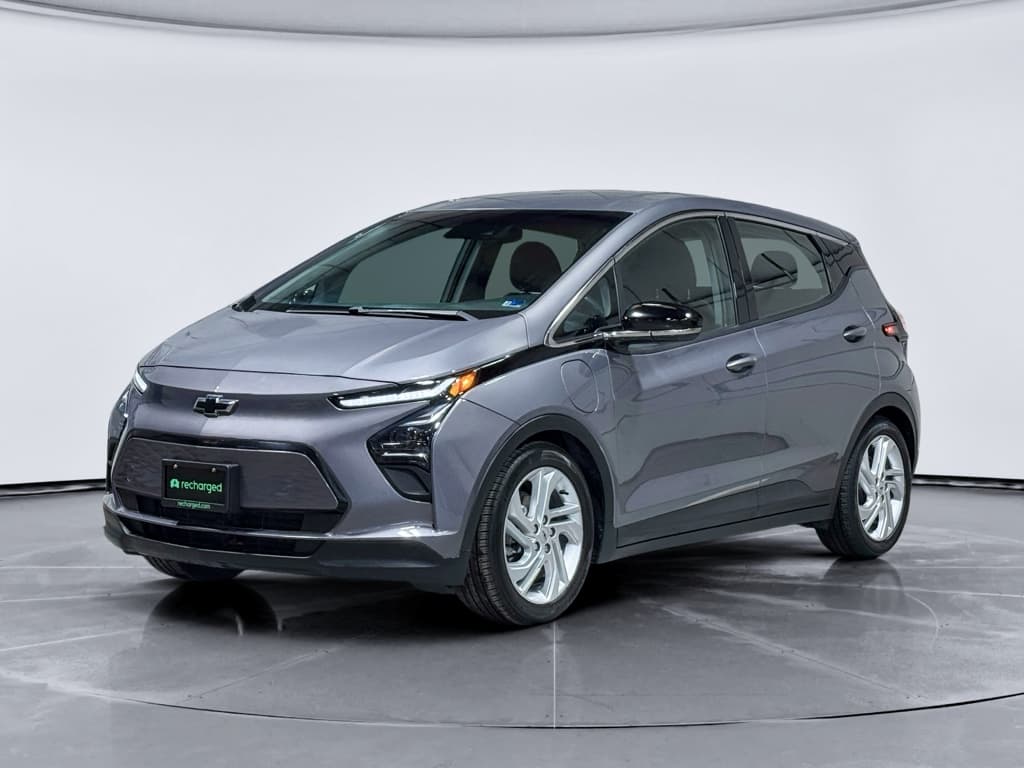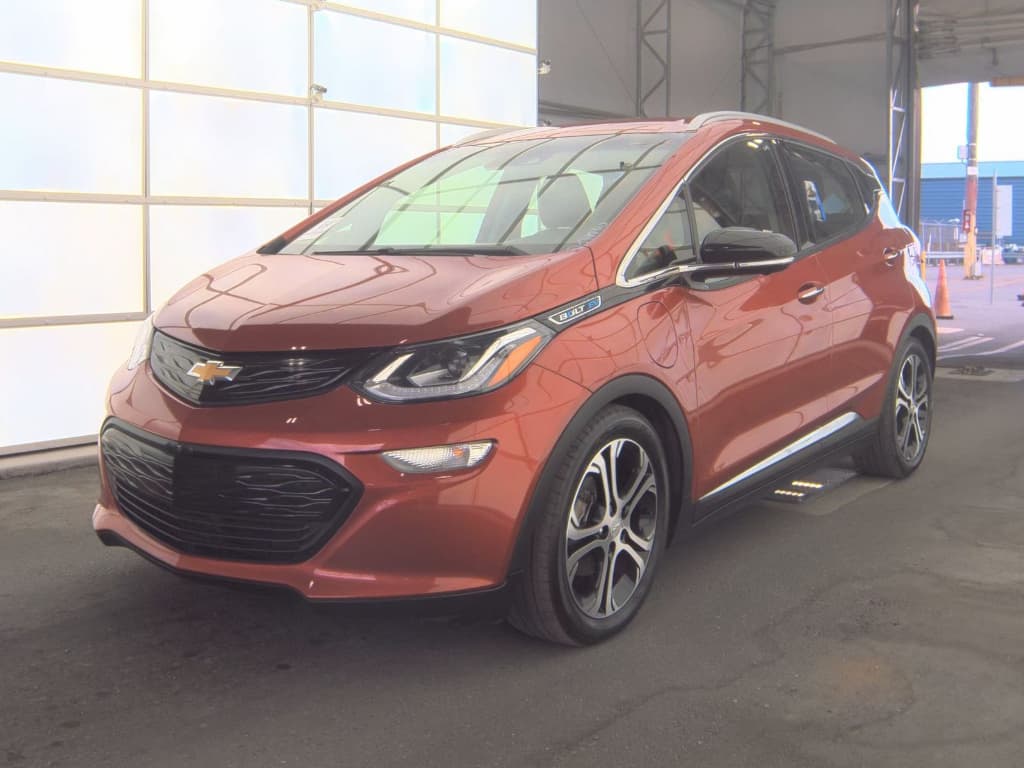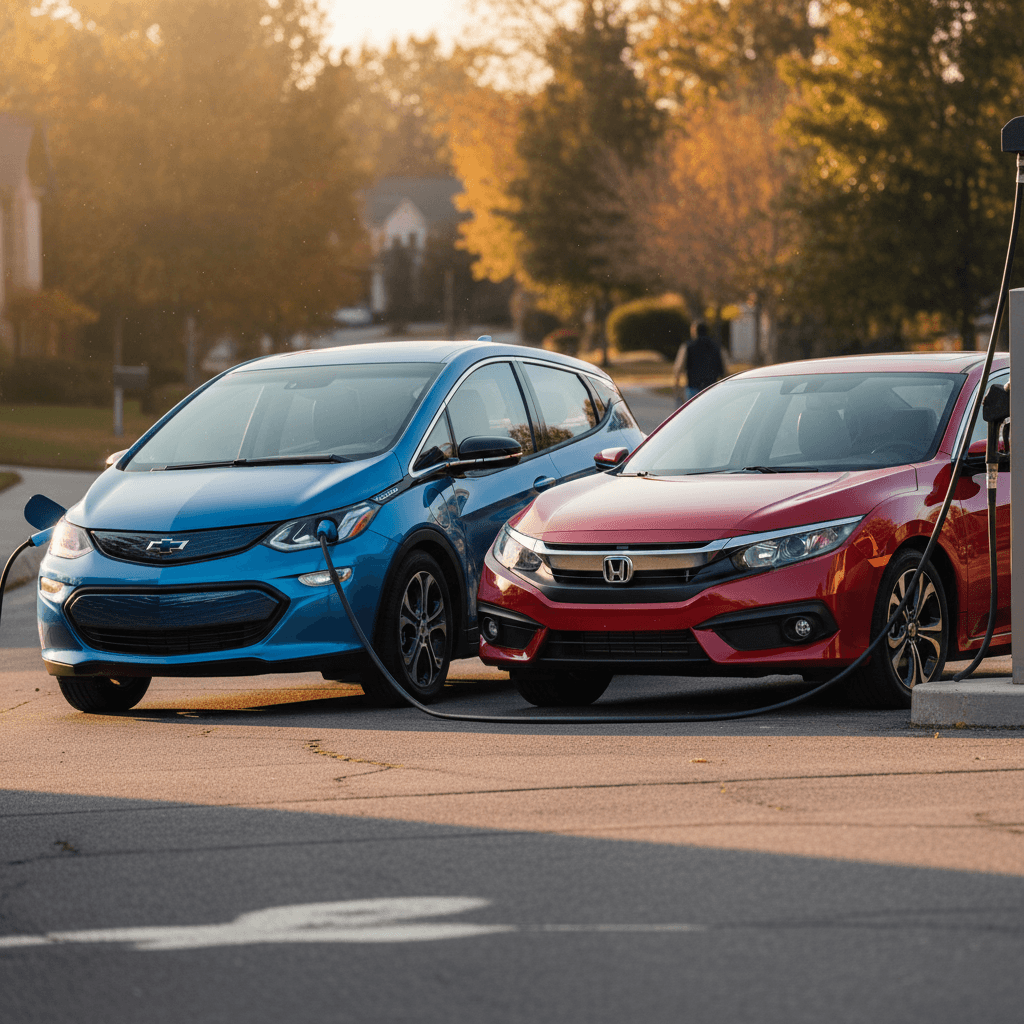
You’re not alone if you’re torn between a **Chevrolet Bolt EV** and a **Honda Civic**. The Civic is the default choice for sensible, efficient transportation. The Bolt EV is the budget-friendly way into fully electric driving. Deciding which you should buy comes down to your **daily mileage, access to charging, climate, and total cost of ownership**, especially if you’re shopping the used market.
Gas vs electric in one sentence
Bolt EV vs Civic: Who This Guide Is For
This comparison focuses on **typical U.S. shoppers** looking at: - A **used Chevrolet Bolt EV** (2019–2023 model years are most common on the market today) - A **late‑model Honda Civic** (roughly 2019–2024, sedan or hatchback, gasoline only) If you’re cross‑shopping because **prices overlap** and you want the smartest long‑term decision, rather than a brand‑loyal choice, you’re exactly who this article is written for.
Where Recharged fits in
Quick answer: Should you buy a Bolt EV or a Civic?
If this sounds like you, choose the Chevrolet Bolt EV:
- You can charge at home (driveway or garage outlet, or a 240‑volt circuit).
- Most of your driving is commuting, errands, and school runs under 150 miles a day.
- You want to cut fuel and maintenance costs to the minimum.
- You live where public chargers are reasonably available, and you’re okay planning road trips.
- You’re open to buying a used EV to get more car for your money.
If this sounds like you, choose the Honda Civic:
- You can’t reliably charge at home or at work.
- You take frequent long highway trips (200–500 miles) and don’t want to plan charging stops.
- You live in an area with weak public charging or harsh winters and no garage.
- You value simplicity: gas stations everywhere, any mechanic can work on it.
- You plan to keep the car a long time and want well‑known reliability.
My high‑level verdict
Chevrolet Bolt EV vs Honda Civic: Specs at a glance
Core specs: typical late‑model Bolt EV vs Civic
Representative numbers for a 2022–2023 Bolt EV and a 2022–2024 Honda Civic 2.0L gas model. Exact figures vary by trim and year.
| Spec | Chevrolet Bolt EV (approx. 2022–2023) | Honda Civic 2.0L (approx. 2022–2024) |
|---|---|---|
| Powertrain | All‑electric, FWD | Gasoline 2.0L I‑4, FWD |
| EPA efficiency | ~120 MPGe combined | ~33–35 mpg combined (hatchback), up to ~36–40 mpg (sedan trims) |
| Usable range / tank | ~259 miles EPA range | ~400–450 miles on a tank (depending on trim) |
| Battery / tank size | ~65 kWh battery | ~12.4‑gal fuel tank |
| Horsepower | ~200 hp equivalent | 158 hp (2.0L), 180 hp (1.5T in some trims) |
| 0–60 mph (ballpark) | Around mid‑6s to 7 seconds | Low‑8s to high‑7s depending on engine |
| Cargo (rear seats up) | Compact hatch, seats fold flat; very tall space | Sedan: trunk only; Hatchback: flexible but slightly less vertical than Bolt |
| DC fast charging | Yes (modest speeds; great for topping up) | Not applicable |
| Model availability | U.S. sales through 2023; strong used supply | New and used widely available, multiple trims/body styles |
Use this table to frame the big differences: energy source, range vs mpg, and cargo flexibility.

Purchase price, incentives, and used-market value
On paper, a new Honda Civic and a new‑generation Chevy Bolt EV (when it returns) will have **similar MSRPs**. But in the real world, **most shoppers right now are comparing a used Bolt EV to a new or used Civic**, and that’s where the economics get interesting.
How prices typically stack up
Exact numbers vary by market, year, mileage, and trim; think of these as directional ranges in today’s U.S. used market.
Used Chevrolet Bolt EV pricing
Because production of the first‑generation Bolt EV ended after the 2023 model year and there was a well‑publicized battery recall, the used market is rich with inventory:
- Many 2019–2022 cars trade well under the cost of a brand‑new Civic.
- Recalled batteries were replaced under warranty, so numerous cars now have newer packs with strong capacity.
- Federal and local used EV incentives can sometimes stack on top of the low sticker price, depending on your income and where you live.
New and used Honda Civic pricing
The Civic remains in high demand because it’s efficient, reliable, and familiar:
- New Civics command strong pricing, especially on well‑equipped trims.
- Late‑model used Civics hold their value; you’ll often pay a premium for low miles and good condition.
- There are typically no federal incentives on used gasoline Civics, though you might see local dealer discounts.
Don’t shop sticker price alone
Fuel vs electricity costs and maintenance
Energy and maintenance: where the Bolt EV really shines
The Bolt EV trades gas stations for your electric meter. Over tens of thousands of miles, that shift **usually saves you real money**, especially if you can charge overnight at home at reasonable electricity rates.
Chevrolet Bolt EV: ownership costs
- Energy: Home charging is almost always cheaper per mile than gasoline. Public DC fast charging can be pricier but is used less often by most commuters.
- Maintenance: No oil changes, no exhaust system, no timing belt. You’re mostly looking at tires, cabin filters, brake fluid, and the occasional software update.
- Brakes: Strong regenerative braking means pads and rotors can last a long time in normal use.
Honda Civic: ownership costs
- Fuel: The Civic is efficient for a gas car, but you’re still paying gas prices, which can swing quickly year to year.
- Maintenance: Regular oil and filter changes, transmission fluid, spark plugs, and long‑term items like water pumps and timing chains.
- Repairs: Civic parts and independent mechanics are everywhere, which helps hold down repair costs, but there are simply more moving parts than in an EV.
Battery replacement fears
Range vs mpg: How far you really go
On paper, the Civic wins on **single‑tank highway range**, while the Bolt EV wins on **everyday efficiency**. The real question is how far you *actually* drive between chances to refuel or recharge.
Realistic distance between fill‑ups or charges
Assuming conservative real‑world driving rather than ideal lab conditions.
| Scenario | Bolt EV (259‑mile EPA range) | Honda Civic (≈34 mpg combined, 12.4‑gal tank) |
|---|---|---|
| Daily 30‑mile round‑trip commute | Charge every 5–8 days at home | Fill up every 9–12 days at a gas station |
| Mixed errands & commuting, 60 miles/day | Charge every 3–4 days at home | Fill up roughly every 5–7 days |
| Single‑day highway trip, 350 miles | 1–2 DC fast‑charge stops, planned | Drive straight through with one gas stop if desired |
For many commuters, the Bolt EV can go several days, or even a week, between charges; a Civic typically goes a week or more between fill‑ups.
Cold‑weather reality check
Charging vs gas stops: Living with each car
Even more than price or specs, the biggest lifestyle divider between a Chevrolet Bolt EV and a Honda Civic is **how you “refuel”**. With the Civic, you visit gas stations. With the Bolt, you mostly “refuel” at home while you sleep.
What daily life looks like with each car
Same commute, very different routines.
Life with a Chevrolet Bolt EV
- Home charging: Plug in most nights or a few times a week. The car is full every morning.
- Public fast charging: Use DC fast chargers on longer trips or when you’re away from home charging.
- Time cost: You trade occasional longer charging stops on road trips for almost never visiting a gas station.
- Planning: For unfamiliar areas, you’ll want to plan charging stops via apps and in‑car navigation.
Life with a Honda Civic
- Refueling: Quick, predictable 5‑minute gas stops every week or two.
- Availability: Gas stations are nearly everywhere; no route planning required.
- Time cost: More cumulative stops than an EV with home charging, but each stop is short and flexible.
- Planning: Essentially none, unless you’re in very remote regions.
Test your charging lifestyle before you buy
Safety, space, and driving experience
Both the Chevrolet Bolt EV and Honda Civic score well on **modern safety technology and crash performance** for their segments. The decision here is less about lab tests and more about what you prefer in **cabin feel, seating position, and how the car drives**.
Space and practicality
- Bolt EV: Tall hatchback with a surprisingly roomy cabin for its size. The vertical tailgate and folding rear seats make it easy to carry bulky items, bikes, or home‑improvement gear.
- Civic: As a sedan, you get a traditional trunk; as a hatchback, you have good cargo flexibility. Rear seat space is solid for adults and teens, and the car is a bit more traditional in its layout.
Driving feel
- Bolt EV: Instant electric torque makes it feel punchy around town. One‑pedal driving (strong regen) is a revelation in stop‑and‑go traffic.
- Civic: Honda tunes the Civic to be fun to drive with nicely weighted steering and a comfortable, composed ride. You don’t get the instant EV torque, but you do get a very refined, familiar driving experience.
Safety tech is not a tie‑breaker here
Climate and driving patterns: Which car fits better?
Range, fuel economy, and your happiness behind the wheel will all depend heavily on **where you live and how you drive**. Here’s how I’d think about it.
Bolt EV vs Civic for different kinds of drivers
Urban & suburban commuters
If your round‑trip commute is under 80–100 miles and you can charge at home, the <strong>Bolt EV is ideal</strong>.
Electric torque and one‑pedal driving shine in stop‑and‑go traffic.
You’ll visit public chargers mainly on weekends or long trips.
A Civic works fine here too, but you’ll spend more on fuel over time.
Frequent highway road‑trippers
If you do multiple 300–600‑mile highway trips a year, the <strong>Civic is the easier choice</strong>.
Gas stations are everywhere, fill‑ups are quick, and range is less weather‑sensitive.
You can road‑trip a Bolt EV, but you’ll need to plan charging stops and accept longer breaks.
If you love spontaneous road trips with minimal planning, lean Civic.
Cold‑climate drivers
In very cold regions without garages, the Civic avoids winter‑range headaches.
A Bolt EV can absolutely work, but you’ll want home charging, seat/steering‑wheel heaters, and realistic expectations.
If your daily driving is still modest (under ~100 miles), the Bolt is viable even in winter, just assume you’ll charge more often.
Drivers in milder climates (most of the U.S.) will find the Bolt’s winter range manageable.
Apartment dwellers
If your building has reliable Level 2 charging, the Bolt EV can still make sense.
Without consistent charging, owning an EV becomes inconvenient quickly.
If you rely on public charging alone for all your miles, **run the math carefully**, your time cost may outweigh fuel savings.
In many apartment‑heavy areas without solid charging, the Civic is the safer bet today.
Checklist: How to decide between Bolt EV and Civic
Work through these steps before you choose
1. Map your real daily mileage
Look at a typical week. What’s your longest single day of driving? If it’s under 150 miles and rarely exceeds 200, a Bolt EV can handle it comfortably with home charging.
2. Be honest about charging access
Do you have a dedicated parking spot with at least a standard 120‑volt outlet, and ideally the option to add a 240‑volt Level 2 charger? Without this, a Civic quickly becomes the simpler choice.
3. Count your long trips per year
If you routinely do multi‑state highway trips, the Civic’s gas range and quick refueling will save you time and planning. If big trips are rare, a Bolt EV plus occasional fast charging can work well.
4. Compare 5‑year energy and maintenance costs
Estimate total miles you’ll drive in five years, then multiply by realistic cents‑per‑mile for electricity vs gasoline. Add scheduled maintenance. An EV‑focused seller like Recharged can help you run those numbers for specific cars.
5. Consider your climate and parking
Garage or carport? Milder winters? The Bolt EV becomes an easier yes. Street parking in a very cold climate? The Civic’s simplicity is hard to beat unless your city has excellent charging.
6. Decide how much you value quiet, smooth driving
EVs feel different: near‑silent, smooth, instant torque. If that appeals to you and fits your life logistically, a Bolt EV will feel like a major upgrade in daily driving enjoyment.
FAQ: Chevrolet Bolt EV vs Honda Civic
Frequently asked questions
Bottom line: Chevrolet Bolt EV vs Honda Civic
If you want the **simplest, most flexible car** you can buy today, and you don’t have easy access to charging, the **Honda Civic** is still a superb choice. It delivers excellent fuel economy for a gas car, strong reliability, and go‑anywhere road‑trip ability with almost no planning.
If, however, you can park where you can plug in and your daily driving is mostly local, a **Chevrolet Bolt EV flips the script on ownership costs**. Quiet, punchy performance, dramatically lower per‑mile energy costs, less maintenance, and the convenience of “refueling” at home make it the smarter buy for a growing number of drivers.
The key is to be honest about your life: **miles, climate, charging, and travel habits**. Once you have that picture, the answer usually becomes obvious. And if the numbers point you toward electric, Recharged can help you find a **used Bolt EV with verified battery health**, fair pricing, and EV‑savvy guidance from your first question to keys‑in‑hand delivery.