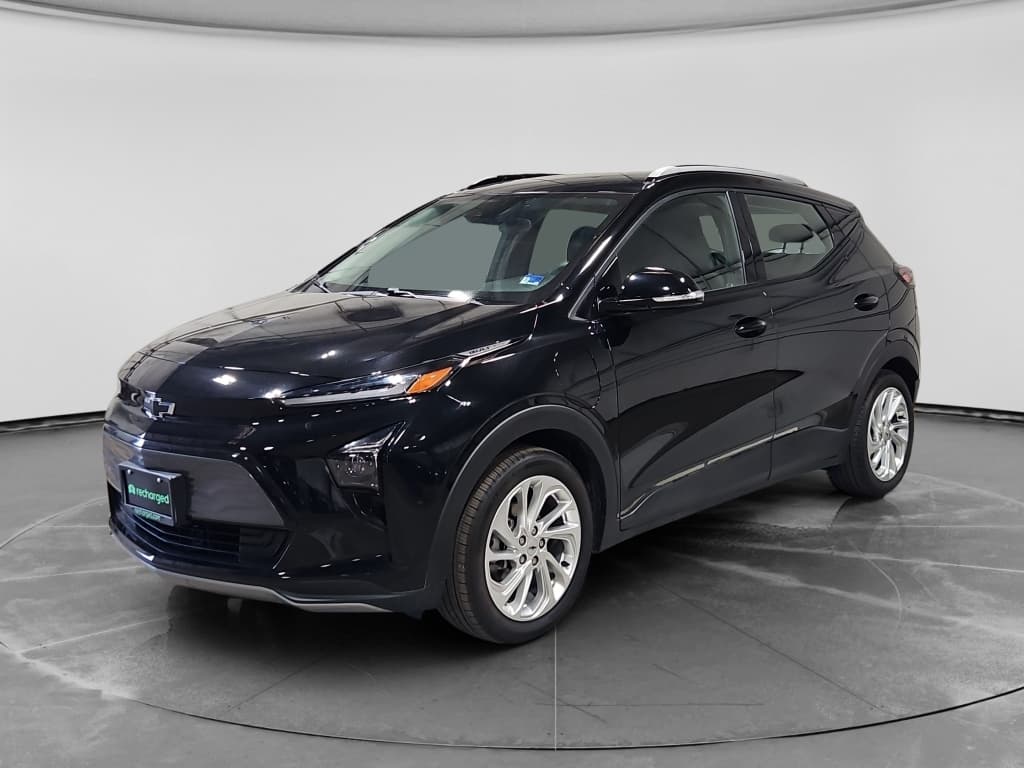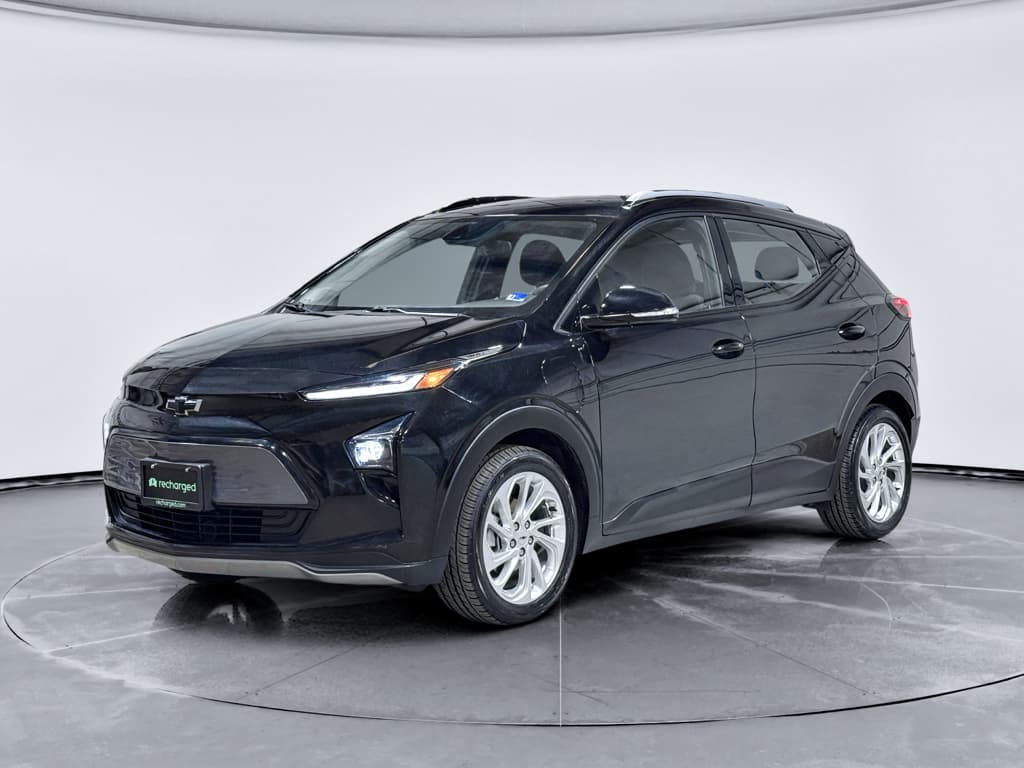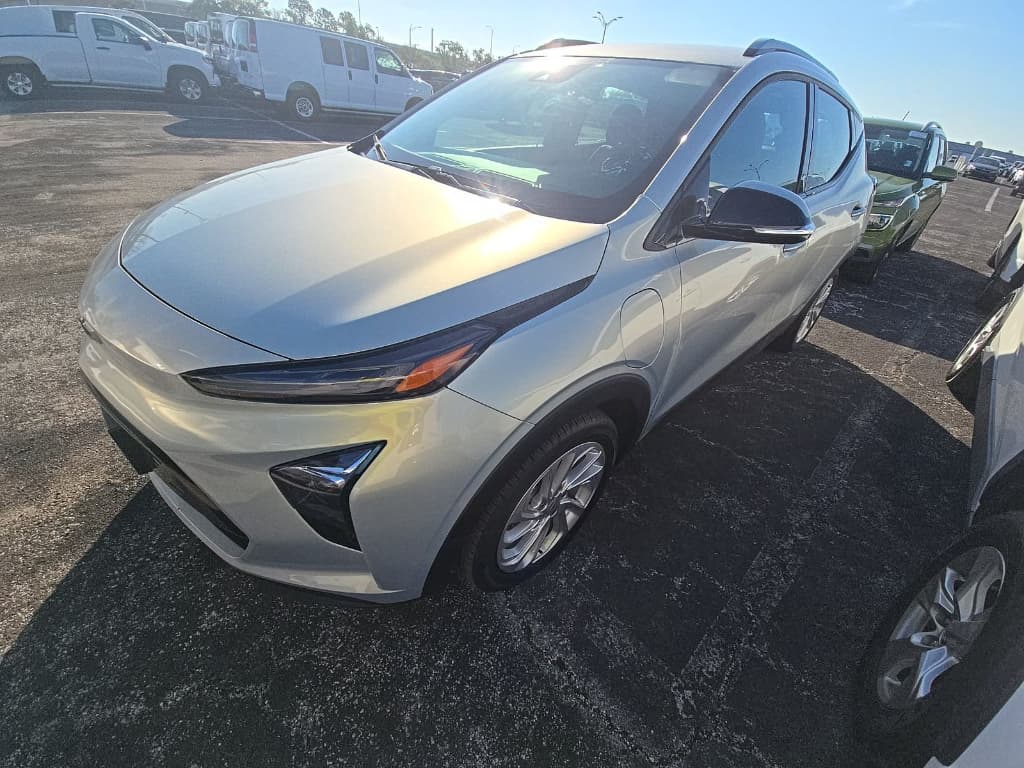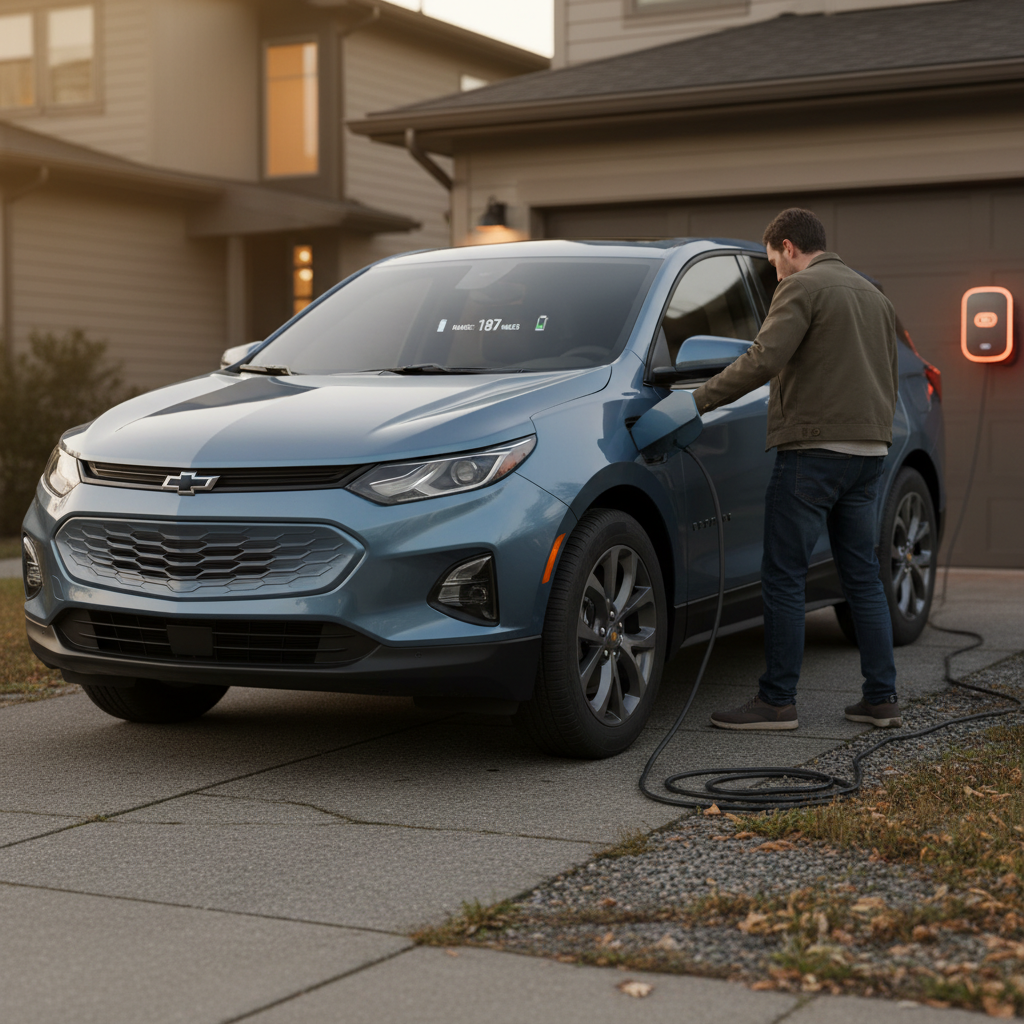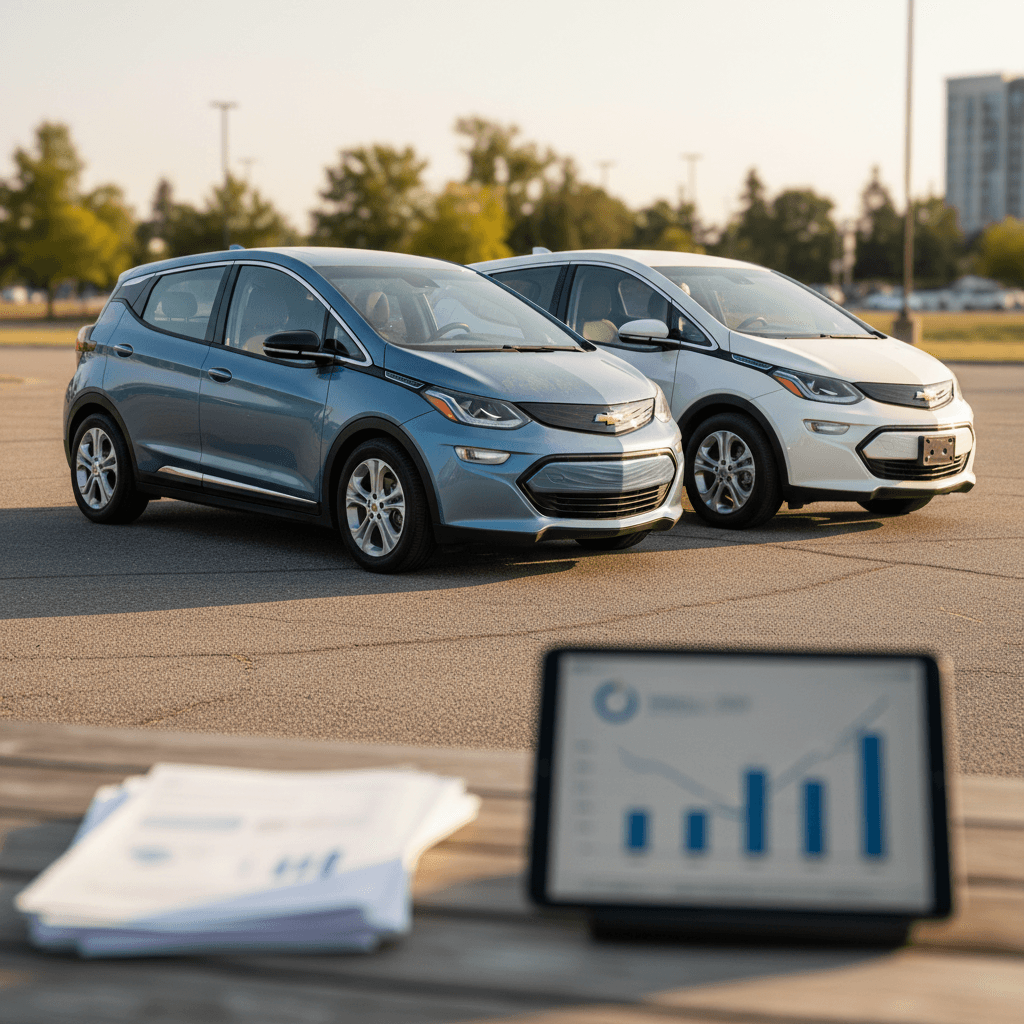
If you own a Chevrolet Bolt EV or you’re hunting for a bargain used EV, **resale value in 2026** is not an academic question, it’s real money. The Bolt’s story is unusual: early battery recalls, steep depreciation, an 8‑year/100,000‑mile battery warranty, and now a new Ultium‑based Bolt announced for 2027. All of that shapes what your current‑generation Bolt EV is worth today and what it might be worth a few years from now.
The short version
Why Bolt EV resale value matters in 2026
The original **Chevrolet Bolt EV (2017–2023)** went out of production in December 2023, which means every example on the road in 2026 is used. At the same time, GM has confirmed a **next‑generation, Ultium‑based Bolt** due around 2027, while newer affordable EVs like the Equinox EV are entering the market. That dynamic usually pushes used prices down, but the Bolt EV still offers real‑world range, DC fast charging, and a big battery warranty safety net, making it extremely compelling for used buyers.
Chevy Bolt EV resale by the numbers (approximate 2026 snapshot)
Quick take: how the Bolt EV holds its value
Compared with other EVs, **Chevy Bolt EV resale value is on the low side**, especially for the 2017–2020 model years. Five‑year old Bolts often retain only around **40–45% of original MSRP**, while newer 2022–2023 cars still hold closer to **65–70%** after just a couple of years because they started cheaper and have fresher interiors and tech.
What this means for you
Chevy Bolt EV resale price bands in 2026
Exact pricing moves month to month and by region, but most 2017–2023 Bolt EVs in the U.S. cluster into a few predictable **price bands** in 2026. Think of these as realistic retail and retail‑adjacent prices, not rock‑bottom auction deals.
Typical Chevrolet Bolt EV resale ranges in 2026
Approximate retail‑market ranges in the U.S. for clean‑title, non‑salvage cars. Local markets and individual condition can move a specific car above or below these bands.
| Model years | Typical mileage | Approx. price range (USD) | Notes |
|---|---|---|---|
| 2017–2018 | 70,000–110,000+ | $11,000–$15,000 | Oldest cars; many have recall replacement packs; cosmetic wear and high miles pull values down. |
| 2019 | 60,000–100,000 | $12,000–$16,000 | Slightly newer hardware; similar market to 2017–2018 but marginally stronger pricing. |
| 2020–2021 | 40,000–80,000 | $16,000–$21,000 | Sweet spot for many buyers: decent tech, still within battery warranty, broad supply. |
| 2022 | 25,000–60,000 | $18,000–$23,000 | Refreshed body and interior, improved seats, updated infotainment, strong warranty remaining. |
| 2023 | 10,000–45,000 | $20,000–$26,000 | Last model‑year of the first‑gen Bolt; low miles and longest remaining warranty command a premium. |
Use these ranges as a starting point. A great battery, clean history, and documented recall work can justify prices at the top of each band.
Auction vs. retail reality
Key factors that move Bolt EV resale up or down
Main drivers of Chevrolet Bolt EV resale value
These are the levers that matter most in 2026.
Battery health & warranty
The single biggest variable. A Bolt with a documented recall replacement pack, a recent battery health scan, and plenty of warranty remaining will command a clear premium over similar‑mileage cars without that paper trail.
Odometer & use pattern
Like any car, mileage still matters, but use pattern also shows up in battery data. Lots of DC fast charging or high annual mileage can mean more degradation, even if miles aren’t extreme.
Recall status & service history
Buyers expect every Bolt to have its safety recalls completed. Full documentation of recall work, regular maintenance, and any warranty visits reassure buyers and lenders.
Model year & refresh
Refreshed 2022–2023 Bolts have better seats, more modern interiors, and nicer driver‑assistance tech. That translates directly into stronger resale versus earlier cars, even with similar range.
Accident & title history
Clean‑title, no‑accident cars consistently sit at the top of the price band. Structural repairs, airbag deployments, or branded titles can knock value down dramatically.
Charging & equipment included
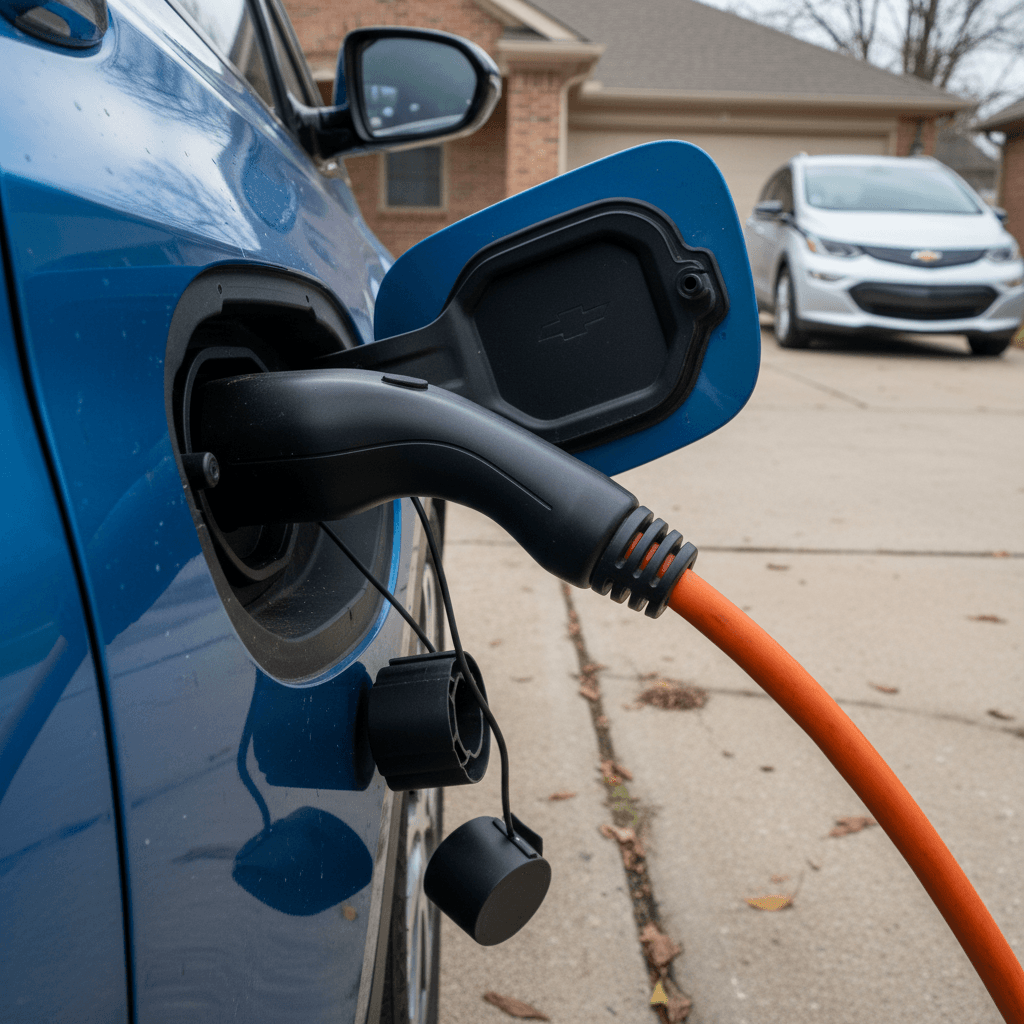
Original charge cable, manuals, winter wheels, and included home charging gear make a listing more attractive. Demonstrating normal charging speeds during a test drive doesn’t hurt either.
Model years and which Bolts hold value best
2017–2019: High depreciation, best entry prices
These first‑wave Bolts took the biggest depreciation hit. Many 2017–2019 cars now sell for compact‑sedan money, which is exactly why budget‑focused EV buyers love them. They still offer real‑world 200+ mile range when the battery is healthy.
From a resale perspective, these cars are sensitive to mileages above 90,000 and to evidence of heavy DC fast charging. A 2017 Bolt with a fresh recall pack and 70,000 miles is a very different resale story than one with the original pack and 120,000 miles.
2020–2023: Stronger residuals, more buyers
Later model years, especially the **2022–2023 refresh**, tend to hold value better. They combine improved tech, interiors, and safety features with lower average miles and more remaining warranty. As of 2026, these are the Bolts most likely to show up at mainstream dealers and online retailers with certified inspections and financing.
If you’re selling a 2022 or 2023, you’re competing less with ultra‑cheap EVs and more with lightly used compact crossovers, so presentation, photos, and a clear **battery‑health story** make a big difference.
The value sweet spot
How the battery recall and warranty affect resale
You can’t talk about **Chevy Bolt EV resale value** without talking about the battery recall. GM ultimately recalled essentially all 2017–2022 Bolt EV and EUV packs due to a defect risk. Many cars received **new or remanufactured packs** and, in most cases, a fresh 8‑year/100,000‑mile limited battery warranty starting from the replacement date.
Battery recall & warranty checklist for resale value
1. Confirm recall work
Look up the VIN on Chevrolet’s recall site or request documentation from the seller. A Bolt that hasn’t completed all recall work is a red flag and will be harder to insure and finance.
2. Verify replacement pack details
If the pack was replaced, ask for the service invoice or battery warranty certificate. It should spell out when the new pack went in and the updated 8‑year/100,000‑mile coverage period.
3. Get a battery health report
A scan that estimates usable capacity and fast‑charge performance is gold for resale. Every used EV on Recharged includes a <strong>Recharged Score battery health report</strong> to make this transparent.
4. Explain the recall in your listing
Don’t hide it. A short, honest explanation, "Recall completed, new pack installed in 2022 with warranty to 2030", turns what might feel scary into a selling point.
5. Note remaining warranty clearly
Buyers care less about original in‑service date and more about **how long the battery is covered from today**. Spell out the calendar year and approximate mileage cutoff in your ad.
Why a recall Bolt can be more attractive
How to estimate your own Bolt EV’s resale value
Online price indexes and instant‑offer tools are a starting point, but they rarely understand the nuances of battery health, recall history, or regional EV demand. To price your Bolt realistically in 2026, walk through these steps.
Step‑by‑step: estimating your Bolt EV’s value
1. Start with model year & trim
Note the exact model year, trim (LT, Premier, 1LT, 2LT), and any factory options. Higher‑trim 2LT and Premier cars with extra safety tech and nicer interiors typically fetch more.
2. Benchmark with recent listings
Search for similar Bolts in your region, same year ±1, mileage within 10–15k, on major marketplaces. Track actual **asking prices**, not just book values.
3. Adjust for mileage & condition
If you’re far below the average mileage for your year and your car is cosmetically excellent, you can be near the top of the local price band. Heavy wear or curb rash wheels pull you toward the bottom.
4. Factor in battery & recall status
Documented recall replacement and a strong battery‑health report can justify **$1,000–$2,000 higher pricing** versus similar Bolts without that proof. The reverse is true if status is unclear.
5. Consider how you’ll sell
Private‑party sales can net more but take time and effort. Instant offers and trade‑ins are lower but faster. Use both dealer offers and private listings to triangulate a realistic number.
6. Use a specialist marketplace
Platforms like <strong>Recharged</strong> focus exclusively on EVs. Our pricing tools factor in battery data, recall history, and nationwide demand, helping you price your Bolt more accurately than generic books.
Tips to increase your Bolt EV resale value
Practical ways to nudge your Bolt’s value higher
Most of these cost little but pay back at sale time.
Detail inside & out
A professional detail that de‑smells the cabin, cleans seat fabric, and polishes paint can easily pay for itself. EV buyers tend to be picky about interiors and touchscreens.
Fix cheap, visible issues
Replace cracked charge‑port doors, missing charge cables, broken interior trim, and burned‑out bulbs. These small fixes signal good ownership and reduce buyer anxiety.
Organize your paperwork
Stack service records, recall documentation, and warranty certificates in a folder or PDF. A clean paper trail can be the difference between a quick, full‑price sale and lowball offers.
Take clear, honest photos
Shoot in daylight, show both sides, front and rear 3/4 angles, interior, odometer, and charging screens. Include close‑ups of any flaws rather than hiding them.
Demonstrate healthy charging
If you’re selling privately, show the buyer the car AC‑charging at a decent rate and, if possible, a brief DC fast‑charge session. It’s an easy way to prove the car behaves normally.
Highlight low running costs
Spell out your typical electricity cost per mile vs. gas and any maintenance you haven’t needed (oil changes, timing belts, etc.). Resale is as much about the story as the sticker price.
Use your listing title strategically
Selling your Bolt EV in 2026: options and trade-offs
1. Private‑party sale
- Pros: Usually delivers the highest price if you’re patient. You control the narrative and can walk buyers through battery health, recall work, and charging.
- Cons: Time‑consuming, requires marketing, test‑drives, and dealing with no‑shows. Some buyers may struggle to get financing for older EVs.
Private sale works best if your Bolt is in demand locally (urban markets with strong charging infrastructure) and you’re comfortable explaining EV ownership basics.
2. Trade‑in or instant offer
- Pros: Fast, low‑friction, and you only negotiate with one counterparty. Great if you’re rolling into another vehicle and want to keep taxes simple.
- Cons: Dealers often use conservative EV book values and may not credit your battery health and recall documentation as much as a private buyer would.
Specialist EV retailers like Recharged can often bridge this gap by giving you an instant offer informed by actual battery diagnostics rather than just mileage and model year.
3. Consignment with an EV specialist
Consignment means you still own the car but let a retailer market, show, and sell it on your behalf for a fee. This is a compelling middle ground if you want close to private‑party money without doing all the work yourself.
At Recharged, for example, we can list your Bolt with a full Recharged Score Report, professional photos, and EV‑savvy sales support, then manage paperwork once the right buyer appears.
4. Waiting vs. selling now
The looming 2027 Ultium‑based Bolt could put downward pressure on first‑gen Bolt values once pricing and specs are public and cars hit the street. On the other hand, supply of cheap, long‑range EVs is still relatively limited in many regions today.
If you know you’ll sell within the next 12–24 months and your Bolt already fits the typical “family‑EV” use case, there’s a solid argument for selling sooner rather than later.
Don’t ignore battery diagnostics
Is a used Bolt EV a good buy in 2026?
From a pure numbers perspective, the answer is still yes. Because the Bolt suffered from early‑EV reputation drag and recall headlines, its **used prices dropped more than its real‑world usefulness**. For many commuters and first‑time EV buyers, that imbalance is exactly what you want.
Bolt EV in 2026: strengths and weaknesses for buyers
Understanding both sides also helps you position your car as a seller.
Strengths
- Low entry price vs. range and equipment, especially 2017–2020 cars.
- Mature platform with known quirks and fixes and a big community of owners.
- Fresh packs on many cars due to the recall, often with long warranty tails.
- Simple ownership costs, no oil, timing belts, or exhaust to worry about.
Weaknesses
- Older safety‑assist tech and infotainment compared with 2025–2026 EVs.
- Limited DC fast‑charging speed by modern standards.
- Lingering consumer anxiety around the recall in some markets.
- Potential future value pressure once the next‑gen Ultium Bolt arrives.
If you buy the right car, a clean‑title Bolt with a strong battery, documented recall work, and realistic pricing, you’re effectively letting the first owner absorb the steepest part of depreciation. That’s why Recharged continues to feature the Bolt EV as one of the **smartest value plays** in the used‑EV market.
Chevrolet Bolt EV resale value FAQ (2026)
Frequently asked questions about Bolt EV resale value
Bottom line on Bolt EV resale value in 2026
In 2026, the Chevrolet Bolt EV is a textbook case of an under‑appreciated asset. Early recall headlines and EV‑market growing pains pushed prices down, but the reality is that a well‑sorted Bolt with a healthy battery remains one of the most rational ways to get into electric driving. As an owner, you won’t turn it into a collector car, but you can protect thousands of dollars of resale value by staying on top of recall work, keeping impeccable documentation, and selling through EV‑savvy channels.
If you’re ready to sell, consider getting a **Recharged Score Report** and an instant offer so you know exactly where your Bolt stands in today’s market. And if you’re shopping for a used EV, browsing Recharged’s Chevrolet Bolt listings is a quick way to compare prices, battery‑health data, and warranty coverage across cars nationwide, so you can buy, or sell, your Bolt EV with eyes wide open.