If you’re eyeing a used Chevrolet Bolt EV in 2026, you’ve probably heard two very different stories. On one hand, owners brag about driving tens of thousands of mostly trouble‑free electric miles. On the other, there’s the headline nobody can forget: the Chevy Bolt battery fire recall. Sorting out the truth about Chevrolet Bolt EV reliability in 2026 means looking past the drama and into the details, especially the battery history of the specific car you’re considering.
Quick take
Bolt EV basics: model years and which ones to consider
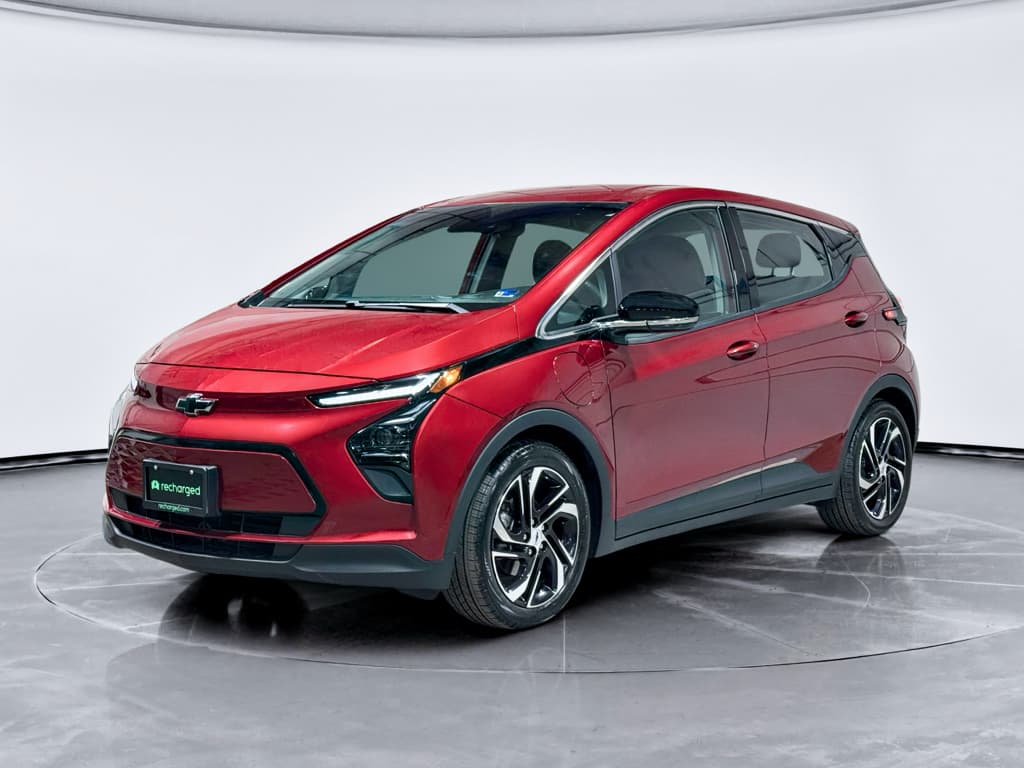
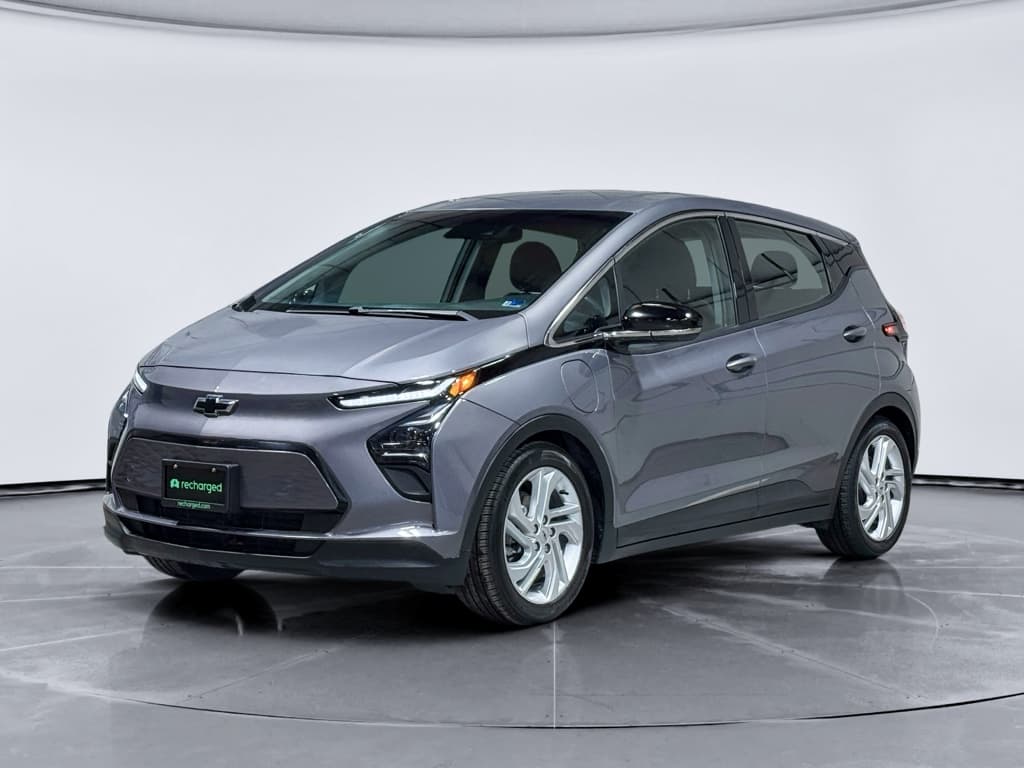
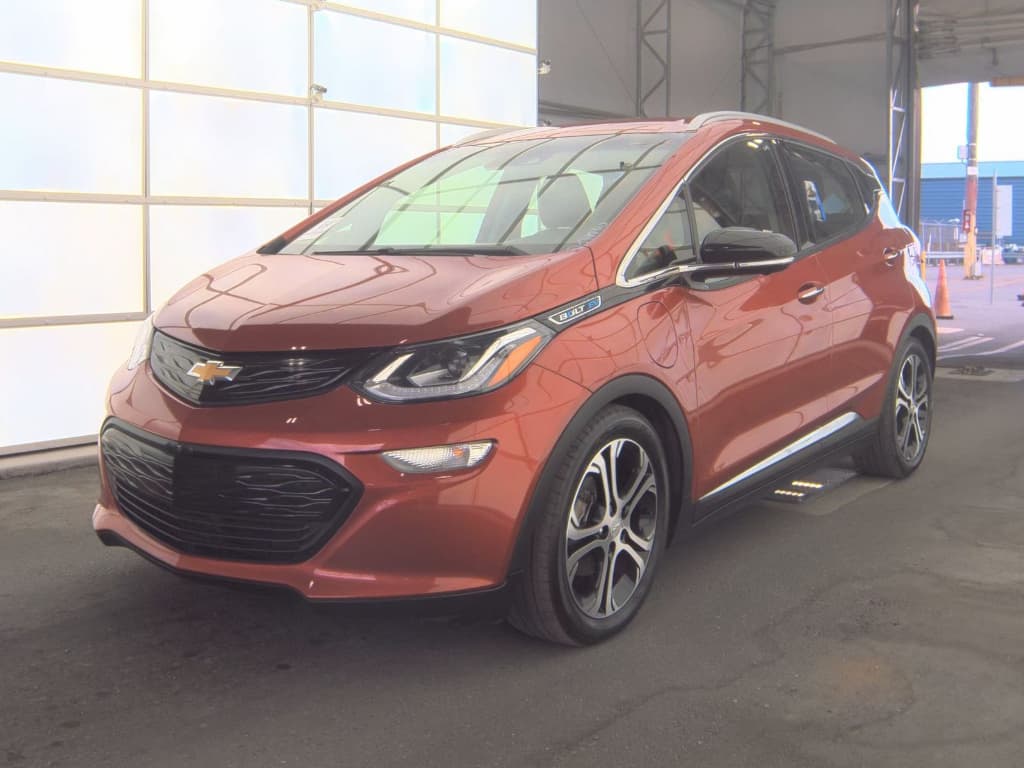
Before we talk reliability, it helps to know which Bolt you’re looking at. The original Chevrolet Bolt EV launched for the 2017 model year and ran through 2023, with the slightly larger Bolt EUV joining the family in 2022. Production of this first generation ended in December 2023, but used inventory is strong and values are attractive in 2026.
Chevy Bolt EV model years at a glance
How the major Bolt EV generations line up for used‑car shoppers in 2026.
| Model year | Key changes | Battery recall context | Who it fits best |
|---|---|---|---|
| 2017–2019 | First‑gen interior, 238‑mile EPA range | Original high‑risk packs; many received full pack replacement | Budget buyers comfortable doing extra homework |
| 2020–2021 | 259‑mile EPA range, minor tweaks | Still recall‑affected, but many now have newer replacement packs | Value hunters wanting more range |
| 2022 | Major refresh: new interior, styling, lower MSRP | Battery built after defect addressed, but still included in recall campaign scope | Drivers wanting modern cabin on a budget |
| 2023 | Final year of this generation; similar to 2022 | Last‑built packs, strong used supply in 2026 | Shoppers prioritizing newest build dates and tech |
Every Bolt EV built between 2017 and 2023 was eventually swept into the battery recall; the difference is how and when the fix was applied.
Important for 2026 shoppers
The big battery recall: what actually happened
The Bolt’s reliability reputation lives or dies on the battery story, so let’s unpack it. GM and LG’s early Bolt battery cells had a rare manufacturing defect involving two simultaneous issues inside a cell. In a tiny fraction of cars, that defect could lead to an internal short circuit and, in worst‑case scenarios, a fire. The first recall waves began in 2020 and, by 2021, GM had expanded the campaign to cover every 2017–2022 Bolt EV and EUV, eventually adding 2023s as well.
- Initial response: software updates that limited maximum charge level and watched the battery more closely for anomalies.
- Final fix: replacement of affected battery modules, or in many cases an entire new pack, plus updated monitoring software.
- Scale of the fix: GM and LG committed billions of dollars to replacing modules and packs across the global Bolt fleet, turning what began as a niche recall into a full‑line battery campaign.
What the recall means in practice
Has the Chevy Bolt fire risk been fixed?
By 2026, most U.S. Bolt EVs have had their recall work completed, and reports of post‑fix fires tied to manufacturing defects have become vanishingly rare. Owners are no longer being told to park outside or limit charging the way they were in 2021. What you do still see, especially on owner forums, are stories about cars flagged by updated software as having a potential anomaly and being preemptively assigned yet another pack or module swap.
What’s largely behind us
- Widespread guidance to avoid overnight indoor charging.
- Open questions about whether GM would fully replace defective packs.
- Inability to charge past 90% on many early recall cars.
What still matters in 2026
- Verifying that recall work is complete and properly documented.
- Understanding whether your car has an original or replacement pack.
- Watching for rare cases where replacement packs are refurbished and later flagged again by diagnostics.
Don’t skip the recall check
Real‑world longevity and battery degradation
What long‑term Bolt EV owners are seeing
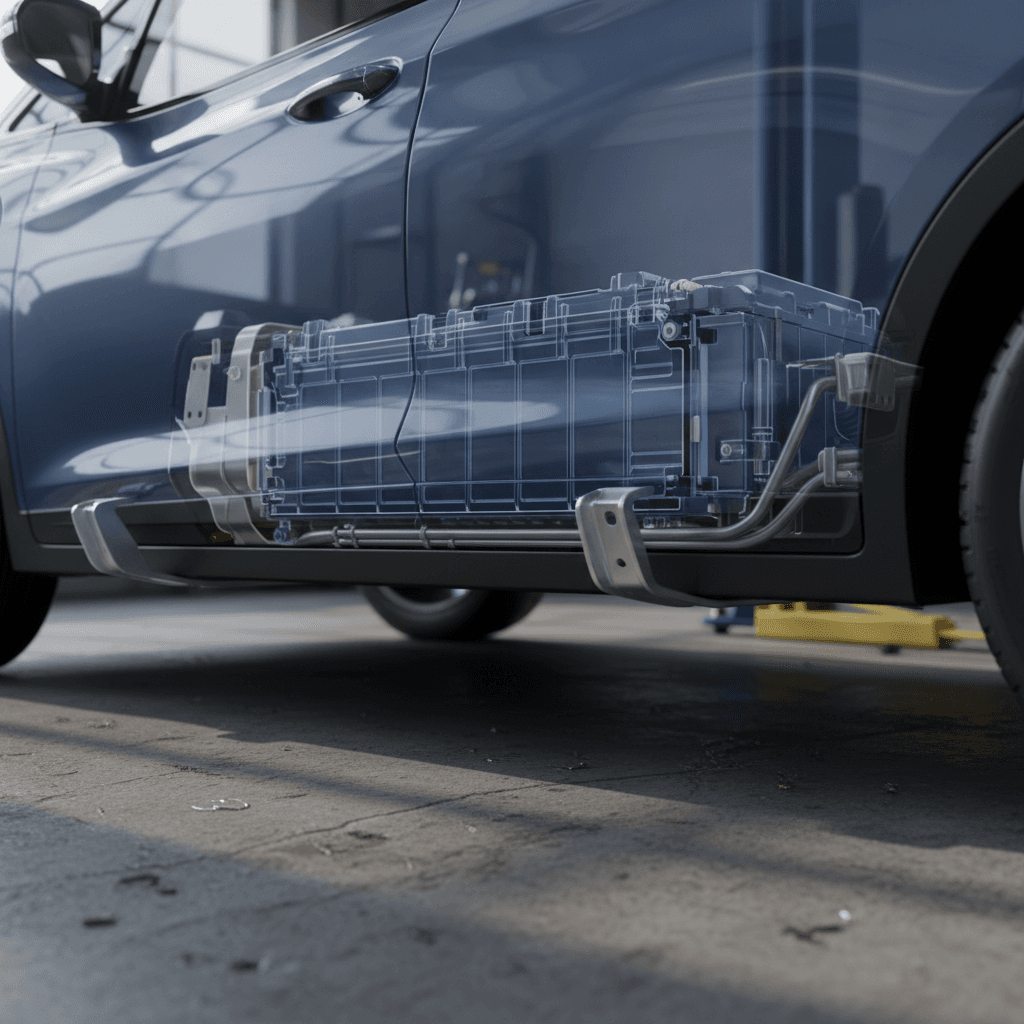
On the road, the Bolt’s simple EV powertrain is living up to the promise of fewer moving parts. Owners routinely report 50,000 to 100,000 miles with little more than tires, wiper blades, and the occasional 12‑volt battery. A recent high‑mileage 2023 Bolt EV owner reported more than 90,000 miles with only a couple percent apparent battery‑capacity loss when checked through the car’s own systems, exactly the kind of boring, drama‑free result you want in an electric commuter.
Why newer packs can be a plus
Other common Chevy Bolt EV issues
No EV is perfect, and the Bolt has its share of quirks. Most aren’t catastrophic, but they’re worth understanding so you can separate “normal for a Bolt” from genuine red flags during a test drive.
Known Chevy Bolt EV trouble spots (beyond the big battery recall)
Most are manageable if you know what to look for.
DC fast‑charging speed
Infotainment glitches
12‑volt battery life
Cold‑weather performance
Charge‑port and cable wear
Refurbished replacement packs
Don’t ignore check‑engine lights on an EV
So how reliable is a used Bolt EV in 2026?
In the reliability conversation, the Bolt is a split personality. Strip away the recall headlines, and you’ve got a simple front‑wheel‑drive hatchback with an efficient motor, no transmission to fail, no oil changes, and relatively few moving parts. Long‑term owners who’ve had their battery work sorted often report years of quiet, uneventful commuting.
The catch is that not every Bolt’s history is neat and tidy. Some cars sailed through the recall with one pack replacement and never looked back. Others bounced between software updates, diagnostic flags, and multiple packs. That’s why blanket statements like “Bolts are unreliable” or “Bolts are bulletproof” both miss the point. In 2026, Chevrolet Bolt EV reliability is highly VIN‑specific, it depends on how that particular car was built, updated, charged, and maintained.
The sweet spot
How to shop smart for a reliable used Bolt EV
Shopping for a used Bolt in 2026 isn’t about finding the lowest price; it’s about finding the cleanest story. Here’s how to tilt the odds in your favor and avoid inheriting someone else’s headaches.
Used Chevy Bolt EV reliability checklist
1. Pull the full recall history
Run the VIN through the NHTSA recall tool and ask the seller for service records. Confirm that major battery campaigns are closed and that any module or pack replacements are clearly documented with dates and mileage.
2. Clarify original vs replacement pack
Ask: Is this the original high‑voltage battery, or has it been replaced? If replaced, was it a full pack or partial module job, and in what year? Newer full packs are generally preferable to early‑run originals or patchwork fixes.
3. Get an objective battery‑health reading
Don’t rely only on the dash estimate or seller assurances. Use a third‑party tool or a marketplace, like <strong>Recharged</strong>, that provides a quantified, independently verified battery‑health score for each car.
4. Test Level 2 and, if possible, DC fast‑charging
On your test drive, plug into a Level 2 charger and confirm the car wakes up, charges, and shows a steady rate. If you can, do a short DC fast‑charge session to see how quickly it ramps up and whether it throws any faults.
5. Scan for diagnostic trouble codes
A pre‑purchase inspection should include a scan with a tool that can talk to GM’s EV modules, not just a generic OBD reader. You’re looking for battery, charging, or propulsion‑system codes that might not trigger a constant dash light.
6. Evaluate how the previous owner used it
Ask about charging habits (home vs. DC fast‑charge), typical state of charge, and climate. A car that lived in a moderate climate, was mostly home‑charged to 80–90%, and wasn’t a rideshare workhorse is usually a better long‑term bet.
7. Look for fresh tires and recent 12‑volt battery
Neither is a deal‑breaker, but a recent 12‑volt battery and healthy tires tell you someone cared enough to keep up with basic maintenance, often a good sign that bigger items weren’t ignored either.
8. Drive it like you own it
On your test drive, run highway speeds, check for wind noise, rattles, or vibrations, and experiment with one‑pedal driving and Regen on Demand. The car should feel tight, quiet, and confident, not twitchy or rough.
Consider a certified used‑EV process
How Recharged evaluates Bolt EV battery health
Because so much of Chevrolet Bolt EV reliability comes down to that under‑floor battery, Recharged builds battery analysis into every used‑EV inspection. Instead of guessing based on the dash range estimate, we combine on‑board data, diagnostic snapshots, and real‑world testing to generate a Recharged Score battery‑health rating.
What goes into a Recharged Score for a Chevy Bolt EV
Battery health, pricing, and peace of mind in one report.
Verified battery health
Fair‑market pricing
EV‑specialist support
Ready to find your next EV?
Browse VehiclesWhy that matters for reliability
FAQ: Chevrolet Bolt EV reliability in 2026
Frequently asked questions about Chevy Bolt EV reliability
Bottom line: Is a used Bolt EV worth it?
If you only remember the early recall headlines, it’s easy to write off the Chevrolet Bolt EV as a reliability horror story. But the 2026 reality is more nuanced. For shoppers who are willing to dig into recall records, verify battery health, and take a careful test drive, the Bolt can be one of the best values in the used‑EV market, efficient, practical, and surprisingly low‑maintenance once its battery story is squared away.
The flip side is that this isn’t a car to buy on impulse from the cheapest online listing. Reliability lives in the details: which pack is in the car, how it’s been charged, what the diagnostics say today. Working with an EV‑focused retailer like Recharged, with battery‑health diagnostics, fair‑market pricing, financing, trade‑in support, and even nationwide delivery, can turn all those question marks into a clear picture. Do that, and a used Bolt EV in 2026 can be less a gamble and more a smart, electrically powered leap into your next decade of driving.