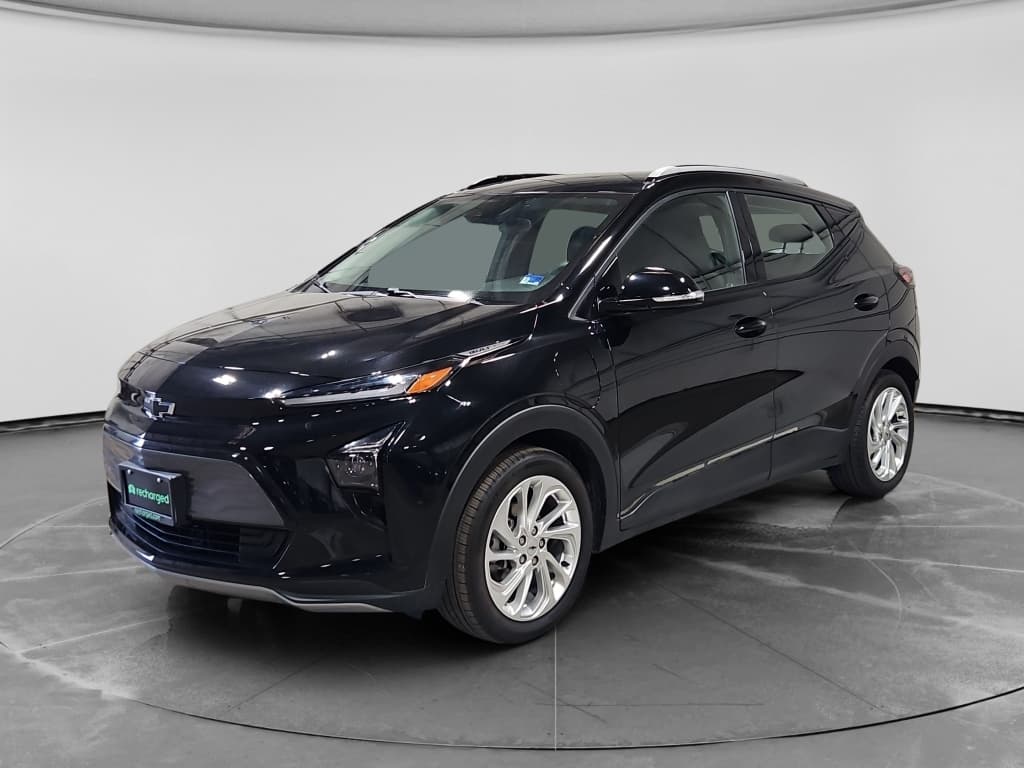
If you’re shopping for a Chevrolet Bolt EV or already own one, you’ve probably heard that electric cars can be pricey to insure. The good news is that the Bolt is one of the more affordable EVs to cover, if you know how to play the insurance game. This guide breaks down real‑world costs, why insurers treat the Bolt the way they do, and the smartest moves you can make to get the cheapest insurance for your Chevrolet Bolt EV in 2026.
Quick Take
Why Chevrolet Bolt EV Insurance Is Different
Insurers don’t care that you’re saving money on electricity. They care about how expensive a vehicle is to repair or replace after a claim. The Chevrolet Bolt EV is an all‑electric hatchback with an expensive battery pack and highly integrated electronics. That’s different from a basic gas hatchback where a $1,000 fender bender stays a $1,000 fender bender; a similar impact in an EV can quickly snowball if it gets anywhere near the battery or high‑voltage components.
What Helps the Bolt EV
- Lower purchase price than many EVs, especially used.
- Compact size means less vehicle to repair.
- Good crash‑test scores and standard safety tech.
- Lower power than some performance‑oriented EVs, which may correlate with fewer high‑speed crashes.
What Worries Insurers
- Battery repair or replacement can run well into five figures if badly damaged.
- Limited number of shops fully tooled and trained for EV structural repairs.
- More total losses when repair estimates get close to vehicle value.
- Rapidly changing EV parts pricing and availability.
Battery = Big Line Item
How Much Does Chevrolet Bolt EV Insurance Cost?
Every driver and every ZIP code is different, but recent industry data gives us a useful ballpark. Nationally, full‑coverage EV insurance has often run higher than gas cars, and the Bolt usually comes in below the average EV but still somewhat above an equivalent compact gas hatchback.
Bolt EV Insurance by the Numbers (Recent Averages)
You’ll also see wide spreads in published averages. One nationwide analysis pegged a late‑model Bolt EV at around the mid‑$1,000s per year for full coverage with a clean driving record. Another dataset put 2023 Bolt trims in the low‑$2,000s for younger or higher‑risk profiles. Those aren’t your numbers, but they tell you what insurers expect the car to cost them to insure.
Aim for the Low End of the Range

Top Factors That Make Your Bolt EV Cheap, or Expensive, to Insure
The Big Levers Under Your Premium
Some you can’t change. Some you absolutely can.
Driver Profile
Age, years licensed, accidents, tickets, and claims history are still the single biggest inputs. A spotless record for 3–5 years moves almost any EV, including a Bolt, into cheaper territory.
Where You Live and Park
Dense urban areas with heavy traffic or high theft rates push premiums up. Rural or suburban ZIP codes with low claim frequency push them down. Off‑street or garage parking can help.
Coverage & Deductibles
Full coverage with low deductibles costs more than higher deductibles or liability‑only. How you structure collision, comprehensive, and extras can change your Bolt EV rate by hundreds each year.
On top of those universal factors, EV‑specific details color how insurers see your Bolt:
- Vehicle age and value: A brand‑new Bolt EUV Premier with more options costs more to replace than a five‑year‑old base EV. Used Bolts generally mean lower premiums, as long as you’re not stacking at‑fault accidents on top.
- Annual mileage: Fewer miles equals fewer chances to crash. If your Bolt EV is a commuter or second car, be sure your insurer knows you’re not crossing the country every month.
- Use type: Personal use is cheaper than business, rideshare, or delivery. If you do gig driving, you’ll need to disclose that and may need special coverage.
- Safety and anti‑theft features: Automatic emergency braking, lane‑keeping assist, and vehicle tracking can all help, if your insurer’s rating system recognizes them for the Bolt.
Recalls? They’re Mostly Baked In
Coverage Choices That Cut Your Bolt EV Premium
You don’t control the cost of a Bolt battery pack, but you do control what you ask your insurer to cover and how quickly they pay when something goes wrong. Getting the cheapest insurance on a Chevrolet Bolt EV starts with right‑sizing these pieces.
How Common Coverage Tweaks Affect a Bolt EV Premium
These are general tendencies; exact impacts vary by insurer and state.
| Change | What It Does | Typical Impact on Premium |
|---|---|---|
| Raise collision deductible from $500 to $1,000 | You pay more if you’re at fault, insurer pays less on smaller claims. | Often lowers full‑coverage cost noticeably, especially on newer Bolts. |
| Raise comprehensive deductible from $500 to $1,000 | You shoulder more of glass, hail, vandalism, animal impacts, and theft claims. | Modest savings; still worth it if you have savings buffer. |
| Drop collision on an older, low‑value Bolt | You no longer have collision coverage for at‑fault crashes. | Can knock a big chunk off premiums, but only wise if you can afford to lose the car. |
| Opt out of rental reimbursement | You pay for your own rental while the Bolt is in the shop. | Small to medium savings; great if you have a second car. |
| Decline OEM parts or special EV endorsements | Repairs may use aftermarket or remanufactured parts instead of OEM. | May save a bit, but weigh this carefully, EVs can be picky about parts. |
Always balance savings against your ability to pay out of pocket after an accident.
Don’t Skimp on Liability
What you can safely trim depends on how you use your Bolt, your emergency savings, and whether it’s financed. Lenders typically require full coverage (collision and comprehensive) on newer vehicles. Once you’re in an older, paid‑off Bolt with a lower market value, you’ll have more flexibility to shift some risk back onto yourself and drop certain extras.
Discounts That Matter Most for Bolt EV Drivers
Insurers love to talk about discounts, but they’re not all created equal, especially for EV owners. Here are the ones that consistently move the needle for Chevy Bolt EV and EUV drivers.
High‑Impact Discounts for a Cheap Bolt EV Policy
Stack as many of these as you reasonably can.
Telematics / Usage‑Based
Plug‑in devices or smartphone apps monitor your driving. Smooth braking, low mileage, and daytime driving can earn serious discounts over time. The Bolt’s instant torque makes it tempting, but gentle pedal work pays.
Home & Auto Bundling
Bundling your homeowners or renters policy with auto is old‑school advice because it works. Many carriers offer 10–25% off when you combine policies, and they don’t care that one of those vehicles is electric.
Multi‑Vehicle & Multi‑Driver
Insuring several cars or several drivers (families, households) on one policy often results in per‑vehicle savings, even if the Bolt is the only EV in the mix.
- Safe‑driver and claims‑free discounts: More time without accidents and tickets usually unlocks better pricing tiers, especially for younger Bolt owners.
- Good student discounts: If a Bolt EV is a college commuter or high‑schooler’s car, solid grades can shave meaningful dollars.
- EV or green‑vehicle discounts: A growing number of insurers offer small breaks just for driving an electric vehicle. They’re rarely huge, but every bit helps.
- Pay‑in‑full and autopay discounts: Paying six or twelve months at a time and opting into automatic payments can quietly drop your costs.
The EV + Telematics Sweet Spot
State-by-State Price Differences for Bolt EV Insurance
You can do everything right, perfect record, modest coverage, and still be shocked at the quote if you live in a high‑cost state. That’s not a Bolt problem. It’s an insurance‑market problem.
Why Your Friend in Ohio Pays Less Than You in Florida
Simplified examples of how location changes the game, even for the same Chevrolet Bolt EV driver profile.
| State Example | Market Traits | Effect on Bolt EV Premium |
|---|---|---|
| Low‑cost states (e.g., Iowa, Wyoming) | Lower claim frequency, cheaper medical care, less traffic, fewer thefts. | Bolt EV drivers often see surprisingly low full‑coverage quotes, sometimes close to equivalent gas cars. |
| Middle‑of‑the‑road states (e.g., Virginia, Ohio) | Balanced risk profile, competitive insurance markets. | Premiums track close to the national average. A well‑shopped Bolt EV policy can feel very reasonable. |
| High‑cost states (e.g., Florida, New York, parts of California) | Dense traffic, high medical and legal costs, severe weather, or fraud concerns. | Bolt insurance can feel expensive even with a clean record. Comparison shopping and leveraging discounts are absolutely essential. |
These aren’t exact rates, but they mirror the kinds of differences you’ll see when you compare quotes across states.
Moving? Get New Quotes Early
Saving on Insurance When You Buy a Used Bolt on Recharged
One big advantage of buying a used Chevrolet Bolt EV instead of new is straightforward: a lower vehicle value usually means lower comprehensive and collision premiums. But used‑EV shopping introduces new questions, especially around battery health and prior damage, that insurers look at closely, even if you never see the sausage getting made.
Where Recharged Fits In
Why Insurers Like a Clean Used Bolt
- Lower replacement cost than new, especially on older trims.
- Complete maintenance and recall history suggest lower mechanical surprises.
- Documented battery health reduces the risk of big post‑purchase claims.
- Fewer outstanding liens or title issues.
Questions to Ask Before You Bind Coverage
- Has the car ever been salvage or rebuilt? If so, many carriers will either refuse full coverage or price it aggressively.
- Is all recall work documented? That protects you and can reassure some underwriters.
- What’s the current market value? A realistic value helps you decide whether full coverage still pencils out.
When you shop on Recharged, you can also line up financing and trade‑in offers alongside insurance quotes, making it much easier to see your total monthly cost of ownership, not just the car payment.
Step-by-Step Checklist to Get the Cheapest Bolt EV Insurance
Nine Steps to a Lower Chevrolet Bolt EV Premium
1. Decide How You’ll Use the Bolt
Daily commuter, road‑trip machine, student car, or second car? Your real‑world use (and miles) should match what you tell your insurer. Over‑stating usage can quietly cost you money.
2. Pull Your Driving Record & Credit (Where Allowed)
Know what insurers are going to see. Clean up any errors on your motor‑vehicle record or credit file before you shop, both can influence your rate in many states.
3. Choose Smart Liability Limits First
Set robust bodily injury and property‑damage limits that match your assets and risk tolerance. This is foundational; everything else is optional by comparison.
4. Right‑Size Collision and Comprehensive
Price out different deductibles and, for older paid‑off Bolts, quotes with and without collision. Don’t drop coverage if you can’t afford to replace the car tomorrow.
5. Enroll in a Telematics or Low‑Mileage Program
If you’re a smooth, low‑mileage driver, a usage‑based program can trim EV premiums materially over six to twelve months. The Bolt’s smooth power delivery makes it easy to drive gently.
6. Stack Easy Discounts
Ask every insurer about bundling, multi‑car, safe‑driver, good student, pay‑in‑full, autopay, and EV‑specific discounts. Many won’t be offered unless you ask.
7. Compare at Least Three Quotes
Use the same coverage levels and deductibles and quote at least three insurers that write a lot of EV business in your state. The spread between the highest and lowest Bolt EV quote can be hundreds per year.
8. Re‑Shop at Renewal
EV insurance pricing is evolving quickly. Put a reminder on your calendar to compare again every 12 months, especially after major life changes like moving or adding drivers.
9. Revisit Coverage as Your Bolt Ages
As the Bolt depreciates, collision and comprehensive become a smaller piece of your financial safety net. Recalculate whether full coverage still makes sense at each renewal.
Frequently Asked Questions: Chevrolet Bolt EV Cheapest Insurance
Chevy Bolt EV Insurance FAQs
Bottom Line: Make Your Bolt EV as Cheap to Insure as It Is to Run
A Chevrolet Bolt EV combines low fueling and maintenance costs with the kind of practicality that makes it an ideal daily driver or commuter. Insurance is the wild card, but it doesn’t have to be. Understand how insurers see EVs, tune your coverage thoughtfully, and take full advantage of discounts and telematics programs, and you can drag your Bolt EV premium down toward the bottom of the range rather than living with a worst‑case quote.
If you’re shopping used, a Bolt EV or Bolt EUV with a Recharged Score Report gives you a verified snapshot of battery health and overall condition. Pair that transparency with smart insurance shopping and, if needed, financing and trade‑in support from Recharged, and you’ve got a clear, confidence‑building path into EV ownership, with insurance costs that feel much more like a compact hatchback than a science project.