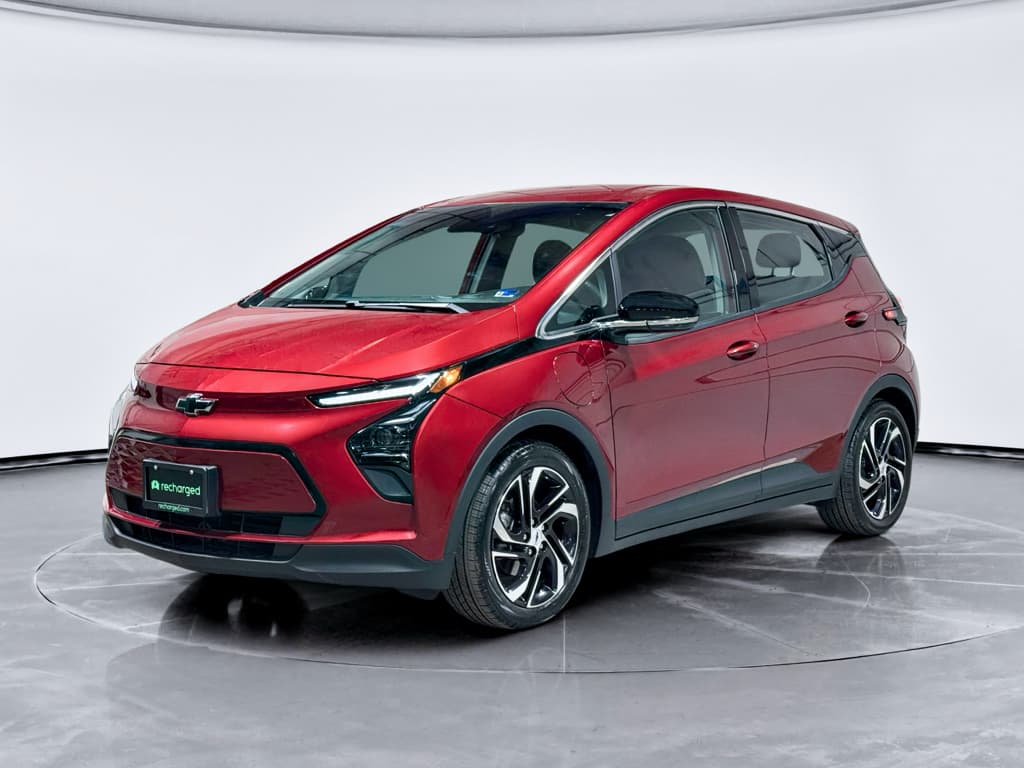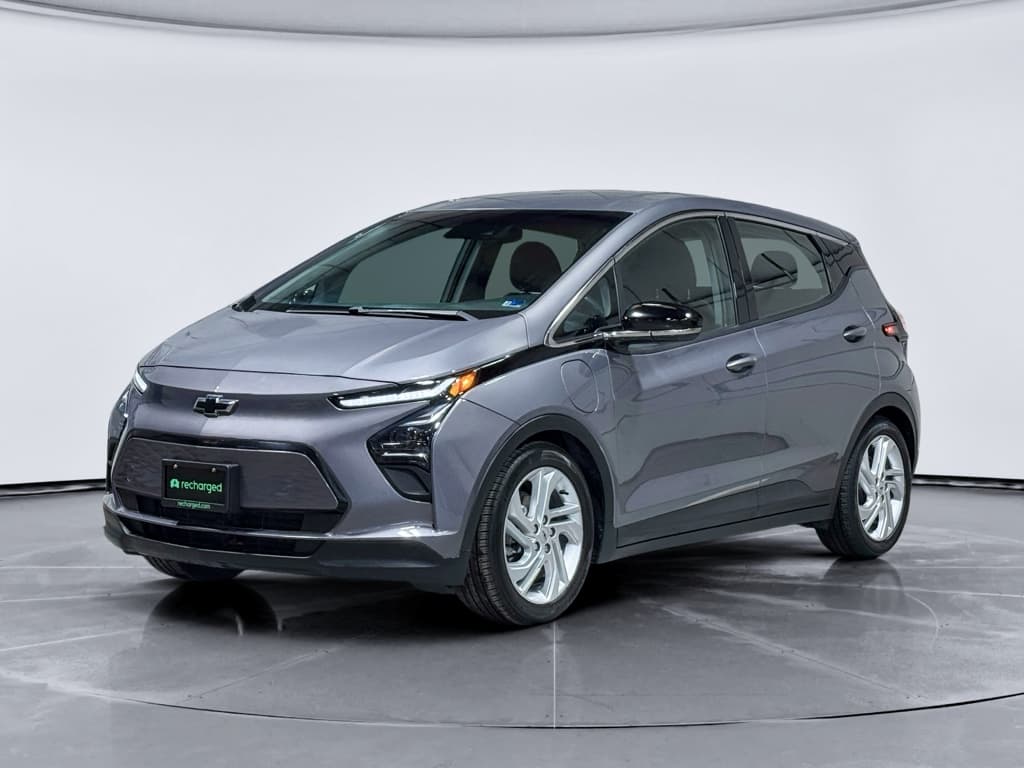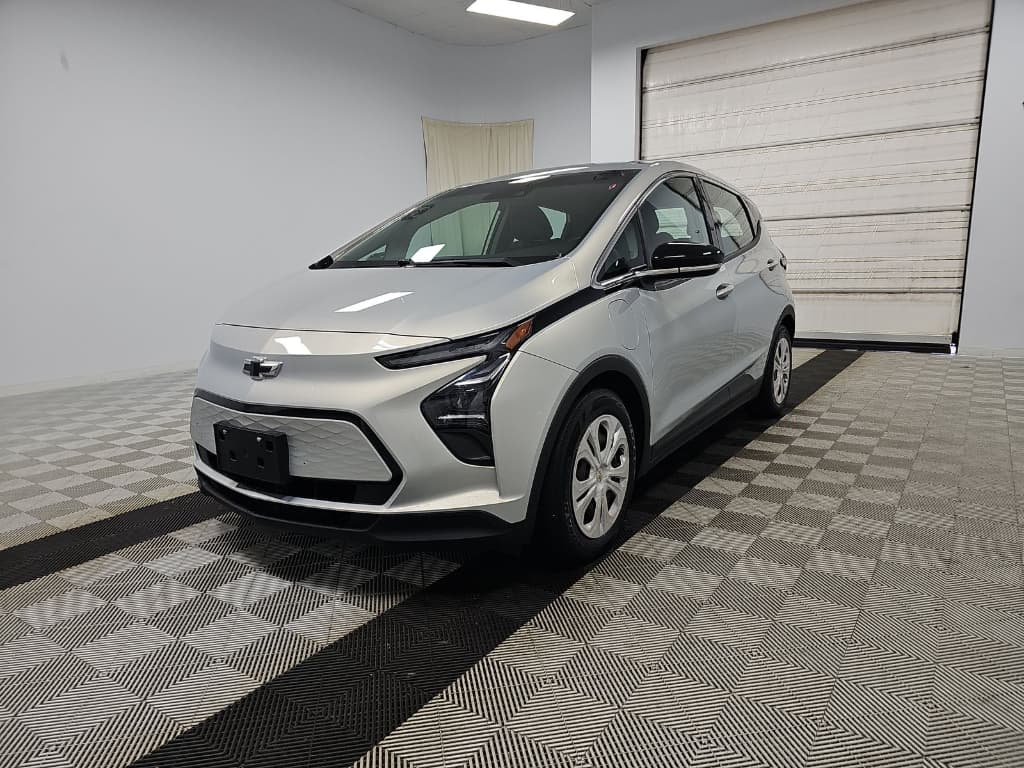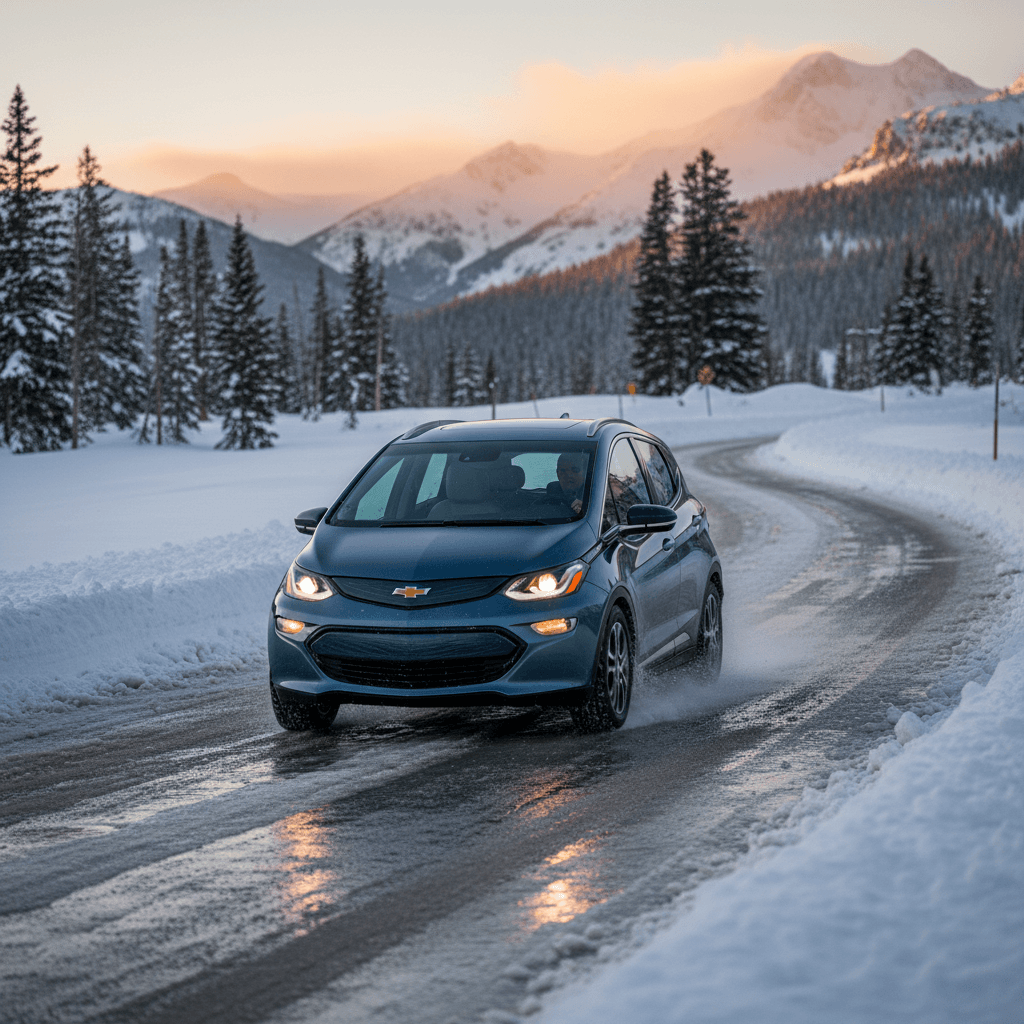
If you live where snow sticks around for months, you’re right to wonder whether a **Chevrolet Bolt EV** is really the best choice for snow and ice. The short answer: with the right tires and expectations, a Bolt can be a confident winter commuter, but it’s not a mountain goat SUV. Let’s walk through where the Bolt shines in winter, where it struggles, and how to set it up so you’re not white‑knuckling every snowy drive.
Quick take
Is the Chevrolet Bolt EV good in snow and ice?
Where the Bolt EV feels at home
- City and suburban winters with plowed streets and packed snow.
- Daily commuting where you know your route and charging options.
- Drivers who’ll invest in winter tires and adjust driving style.
Where a different EV might be better
- Unplowed rural roads and frequent deep snow.
- Steep, unpaved driveways that drift and ice over.
- Drivers who won’t change tires or adapt to winter range loss.
Think of the Bolt as a modern, heavy front‑wheel‑drive hatchback with a big battery under the floor. That layout gives you excellent stability and predictable traction when set up correctly. But its roughly 5.3–5.6 inches of ground clearance leaves it closer to a car than an SUV, so pushing through deep snow has limits. The battery chemistry and resistive cabin heater also mean you’ll see noticeable winter range loss compared with the EPA rating.
Not a magic winter solution
Bolt EV winter strengths and weaknesses at a glance
Chevy Bolt EV in winter: pros and cons
Balance these against your local weather and driving style
Winter advantages
- Low center of gravity: Battery pack keeps weight low and planted.
- Fine torque control: Electric motor can meter power smoothly to the front wheels.
- Quick cabin heat: Resistive heater warms you fast on cold mornings.
- Stability and traction controls: Electronic safety nets help keep you pointed straight.
Winter trade‑offs
- Limited ground clearance: About 5.3–5.6 inches makes deep snow challenging.
- Noticeable range loss: Real‑world winter range can drop 30–50% from EPA ratings.
- No AWD option: All Bolt EVs are front‑wheel‑drive only.
- Stock tires are efficiency‑biased: Factory all‑seasons are not true snow tires.
Traction and handling: how the Bolt behaves on slick roads
On packed snow and light ice, a Chevy Bolt on appropriate tires is reassuringly predictable. The heavy battery pushes the driven front tires into the pavement, and the motor can feed in torque much more smoothly than a gas engine. That means fewer sudden spins when you pull away from a stop, and easier, more precise control when you’re feathering the accelerator on a slick hill.
- The Bolt’s traction control will cut power quickly if it senses wheelspin, which helps most drivers stay out of trouble.
- Stability control can gently rein in a slide before it becomes a spin, especially in quick lane changes on slushy highways.
- Steering feel is calm and light, so you get clear feedback when the front tires start to lose bite.
Try this in a safe empty lot
Snow tires, all‑weather, or stock tires: what the Bolt really needs
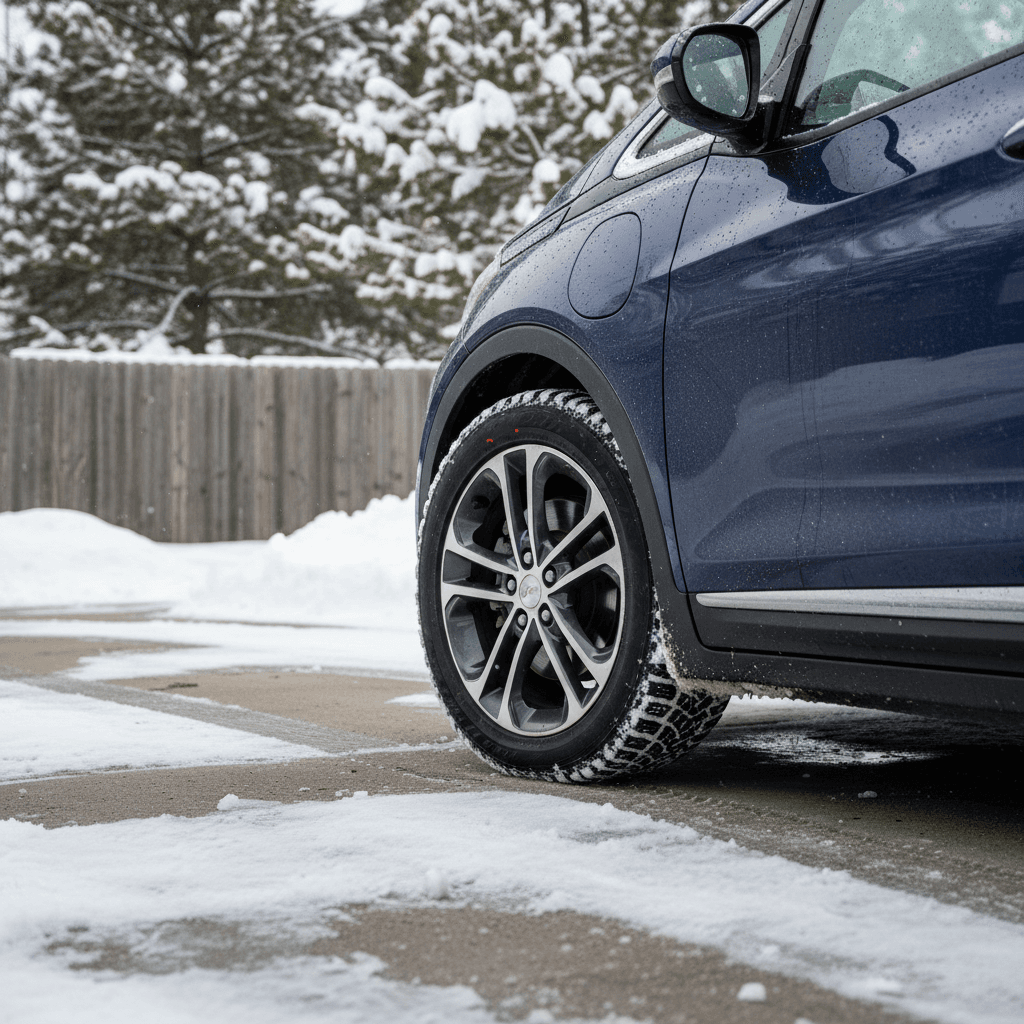
The question isn’t just whether a **Chevy Bolt EV is best for snow and ice**, it’s whether your tires are. The most experienced Bolt owners in snowy climates say the same thing: winter tires transform the car.
Tire options for your Bolt EV in winter
How different tire types change snow and ice performance
| Tire type | Best for | Snow traction | Ice grip | Range impact | Ownership notes |
|---|---|---|---|---|---|
| Factory all‑season | Mild winters, mostly wet roads | Fair | Poor | Best | Cheapest to keep; acceptable where snow is rare |
| All‑weather (3‑peak mountain/snowflake) | Mixed climates, frequent cold rain + occasional snow | Good | Fair‑good | Moderate | Good compromise if you don’t want a second set of tires |
| Dedicated winter/snow | Regular snow, long winters, mountain driving | Excellent | Excellent | Highest | Best control and confidence; ideally on separate wheels for easy swaps |
If snow and ice are part of your life for more than a few weeks each year, true winter tires are the single biggest upgrade you can make.
The real game‑changer
Regenerative braking, drive modes, and traction control in winter
EVs add a twist to winter driving: regenerative braking. Lift off the accelerator in a Bolt and the motor turns into a generator, slowing the car and putting energy back into the battery. That’s great for efficiency, but on slick roads, sudden weight transfer to the front tires can reduce grip if you’re not smooth.
Dialing in your Bolt’s behavior on snow and ice
Use modes and settings to keep the car calm and predictable
Drive in “D” for slick days
Use “L” gently, not abruptly
Let the safety systems work
Beware of mixed advice on regen
Also remember that in very cold weather, your Bolt may limit regenerative braking automatically until the battery warms up. The car can feel more like a conventional automatic at first, with more coasting and less natural slowdown when you lift off. Don’t panic, that’s normal. It just means you’ll rely more on the brake pedal for the first few miles.
Ground clearance and deep snow: how much is too much?
Here’s where the Bolt EV’s winter résumé gets a little thinner. Recent model years sit at roughly 5.3–5.6 inches of ground clearance, which is fine for parking lot speed bumps but not for plowing through rutted, unplowed roads. Once the snow is deep enough to pack under the front bumper or along the underbody, you’re pushing a snowplow with a 4,000‑pound hatchback.
- Plan your routes around plowed main roads when storms hit.
- Avoid driving in more than about 5–6 inches of fresh, heavy snow, especially with drifts.
- Take diagonal angles over plow piles and driveway lips; the Bolt’s low nose and battery tray don’t love being whacked straight on.
- If you routinely need to drive through deeper snow just to reach the pavement, consider a higher‑riding EV or an ICE vehicle as a winter beater.
Think “car,” not “crossover”
Cold‑weather range: what to realistically expect from a Bolt EV
Typical Chevrolet Bolt EV winter range
In cold climates, think of your Bolt as a 180–200‑mile car in normal winter, and as low as roughly 130–150 miles on bitter‑cold highway days with the heat blasting. That’s in line with many other compact EVs that use resistive heaters. It’s not a flaw in the Bolt so much as the reality of battery chemistry and cabin heating.
How to protect your winter range
If you’re shopping used, it’s also worth remembering that some independent testing has shown the Bolt losing more percentage range in winter than a few heat‑pump‑equipped rivals. The flip side is that for many commuters, even the reduced winter range still comfortably covers a day’s driving with margin, especially when you can plug in at home each night.
Winter setup checklist for a Chevy Bolt EV
Must‑do prep before the first real snow
1. Choose the right tires
If snow is a regular visitor, prioritize a set of true winter tires on separate wheels. In milder climates where snow is occasional, quality all‑weather tires with the 3‑peak mountain/snowflake symbol may be enough.
2. Service brakes and check pads
One‑pedal driving means your friction brakes may not get much use in summer. Before winter, have a shop clean and lubricate caliper pins and check pad thickness so everything works perfectly when you really need it.
3. Update your Bolt’s software and recalls
Confirm all recall work and software updates have been completed, especially on earlier Bolts. A well‑maintained car is less likely to surprise you with warning lights in the middle of a storm.
4. Set up preconditioning routines
Use the myChevrolet app or your in‑car menus to schedule departure times. Warming the cabin and battery while plugged in preserves range and gives you a defrosted windshield and warm steering wheel from the first mile.
5. Build a winter emergency kit
Pack a compact shovel, warm gloves and hat, a blanket, traction aids or sand, a phone charger, and a small brush/ice scraper. You don’t need to haul a hardware store, but you should be able to dig out of a plow ridge or wait comfortably for a tow.
6. Re‑learn your stopping distances
First real snow of the year? Double your usual following distance and practice gentle panic stops in an empty lot. Combine regen and friction braking smoothly so you know how the car feels when ABS kicks in.
Don’t count on range to zero in a blizzard
Shopping for a used Bolt EV you’ll trust in winter
If you’re considering a used Chevrolet Bolt EV as your year‑round daily driver, winter performance should be part of the shopping checklist, not an afterthought. The good news: because the Bolt is front‑wheel‑drive and relatively simple mechanically, a solid example can be a great cold‑weather commuter with the right prep.
Winter‑smart tips for buying a used Bolt EV
Look past the paint color and straight to winter practicality
Check battery health and winter range
Ask about previous winter use
Confirm recall and safety work
Plan delivery timing and route
If you’re trading out of a gas car that’s already set up as a winter workhorse, you can also explore a trade‑in or instant offer. That way you’re not trying to juggle a beloved snow‑ready wagon and a new‑to‑you EV in the same cramped driveway.
Chevy Bolt EV winter driving FAQ
Frequently asked questions about the Bolt EV in snow and ice
Bottom line: is a Bolt EV the best choice for snow and ice?
If your winter looks like plowed suburban streets, salted highways, and the occasional storm you wait out while the plows do their thing, a Chevrolet Bolt EV can absolutely be a confident, efficient year‑round companion. With proper winter tires, smart use of regen, and realistic expectations about cold‑weather range, it behaves like a well‑mannered front‑drive hatchback that just happens to run on electrons.
If, on the other hand, your driveway disappears under drifts all winter or your commute starts with unplowed gravel, the Bolt is not magically “the best” for snow and ice, it’s a capable tool being asked to do an off‑label job. In that case, you may want to pair a Bolt with a more rugged second vehicle or consider a higher‑riding AWD EV instead. Either way, if you’re exploring a used Bolt EV, Recharged can help you find one with verified battery health, fair pricing, and the support you need to make winter EV ownership feel simple instead of stressful.