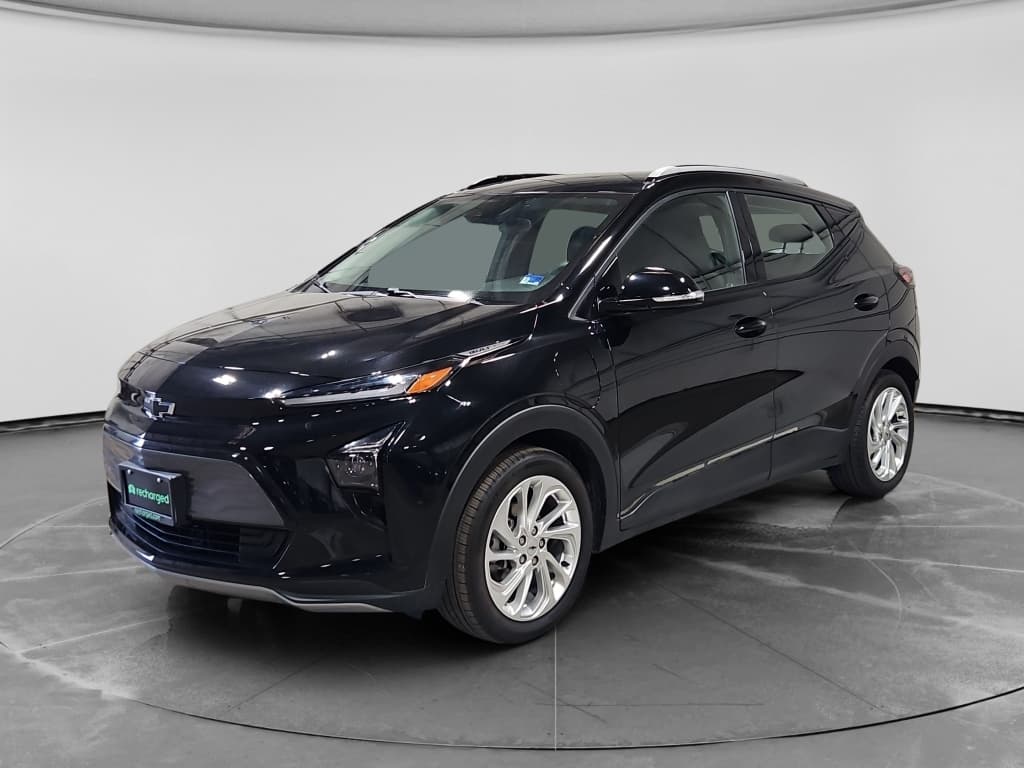
If you own or are eyeing a used Chevrolet Bolt EV, the phrase “battery replacement cost” can be enough to stop you in your tracks. In 2026, a full high‑voltage pack swap on a Bolt EV can run well into five figures if you’re out of warranty, but many owners still pay $0 thanks to GM’s coverage and recall programs. The trick is understanding which bucket you fall into before you buy or schedule repairs.
Model years this guide covers
Chevy Bolt EV battery replacement cost in 2026: quick answer
Chevrolet Bolt EV battery replacement cost at a glance (2025–2026)
In practical terms, most Chevrolet Bolt EV battery replacement costs in 2026 will land in one of three scenarios: 1. $0 if the high‑voltage pack fails under GM’s 8‑year/100,000‑mile warranty or remaining recall coverage. 2. Roughly $8,000–$11,000 for a full pack replacement at typical shop rates once you’re out of coverage. 3. Up to about $16,000–$19,000 in worst‑case, list‑price situations, often when insurance is footing the bill after a crash or flood. Understanding which bucket you’re in is more important than memorizing a single “average price.”
Don’t confuse the two batteries
What “battery replacement” really means on a Chevy Bolt EV
When shops talk about a Chevrolet Bolt EV battery replacement in 2026, they almost always mean the complete high‑voltage pack mounted under the floor. That pack is an engineered system: cells, modules, cooling, structural case, and battery management hardware. You’re not paying just for raw cells, you’re buying an entire assembly that’s designed, tested, and warrantied as a unit.
High‑voltage pack (what this article is about)
- ~60–66 kWh depending on model year.
- Propels the car, stores most of your range.
- Covered by Chevy’s EV battery warranty and recall campaigns.
- Replacement can cost as much as an entire older Bolt EV if you’re out of coverage.
12‑volt accessory battery
- Similar role to a traditional car battery.
- Powers control modules, locks, infotainment, and starts up the high‑voltage system.
- Typical parts-and-labor replacement in 2026: about $180–$500.
- Failure is annoying, but not a five‑figure event.
Ask the shop to spell it out
Detailed 2026 Chevy Bolt EV battery replacement cost ranges
Based on 2024–2025 invoices, dealer estimates and EV‑repair data carried into 2026, most Chevrolet Bolt EV and EUV high‑voltage battery replacements fall into these ballparks when you’re out of warranty.
Typical Chevy Bolt EV battery replacement cost breakdown (2025–2026)
Approximate U.S. retail pricing at dealers and EV‑specialist shops once factory warranty or recall coverage has expired.
| Line item | Typical cost range (USD) | Notes |
|---|---|---|
| New high‑voltage battery pack | $15,700–$17,100 | Dealer list price range for a complete 60–66 kWh Bolt pack. |
| Labor (4.5–8.0 hours) | $675–$1,900 | High‑voltage certified techs; rust or collision damage can push labor higher. |
| Misc. parts & shop supplies | $100–$300 | Coolant, seals, fasteners, diagnostics, shop fees. |
| Estimated full-pack total | ≈ $16,500–$19,000 | Upper‑end invoices when dealers charge full retail and you’re paying cash or through insurance. |
| More typical owner pay out-of-pocket | ≈ $8,000–$11,000 | Discounted parts, negotiated labor, or refurbished pack options at some shops. |
Actual quotes vary by region, labor rate, and parts availability, but these ranges reflect what many owners are seeing in 2025–2026.
So why the big spread between $8,000 and $19,000? In the real world, these factors drive your number up or down: - Parts pricing: Some shops discount GM’s list price; others don’t. - Pack source: Brand‑new OEM pack vs. remanufactured or salvage pack. - Labor rate: EV‑certified labor can easily run $150–$250 per hour in some markets. - Damage type: Simple pack failure is cheaper than collision or flood damage that requires extra diagnostics and repairs.
DIY or independent shop to save money?

How warranty and the Bolt battery recall change what you pay
For most Chevrolet Bolt EV owners in 2026, the single biggest factor in battery replacement cost isn’t the parts catalog, it’s whether the car is still under GM warranty or covered by the LG Chem battery recall. Many Bolts on the road today had packs or modules replaced at Chevy’s expense, and that history continues to shape what owners pay now.
Three coverage buckets that matter in 2026
Almost every Bolt on the road falls into one of these situations.
1. Within 8-year/100k warranty
Most Bolts carry an 8‑year/100,000‑mile high‑voltage battery warranty (some CARB‑state cars stretch to 10 years/150,000 miles).
If the pack fails due to defects within this window, GM typically replaces or repairs it at no cost to you.
2. Recall replacement history
2017–2022 Bolt EVs and early EUVs were included in a major battery safety recall. Many owners got new or remanufactured packs under that campaign.
In many cases, that replacement started a fresh 8‑year/100,000‑mile parts warranty from the install date, effectively extending coverage deep into the 2030s on some cars.
3. Out of both warranty and recall
This is where the big bills live. Older cars that never had recall work, or ones whose recall and base warranty windows have both closed, can face full retail pack pricing if the battery fails.
That’s when the $8,000–$19,000 ranges start to matter.
How to check your Bolt’s battery coverage in 2026
If you’re shopping used, remember that the warranty clock started when the car was first sold new, not when you buy it. A 2019 Bolt that went into service in March 2019 will typically have battery warranty coverage through March 2027, regardless of whether you’re the first or third owner.
How long Chevy Bolt EV batteries last before replacement
Replacement cost gets most of the headlines, but the more important question for 2026 shoppers is, "How likely is it that I’ll ever need a pack?" So far, real‑world data suggests that Chevrolet Bolt EV batteries are aging better than many people feared.
- Moderate degradation: Many 2017–2019 Bolts are still showing usable capacity in the 90% range after several years and tens of thousands of miles when driven and charged reasonably.
- Recall issues vs. wear: The high‑profile recall was about manufacturing defects and fire risk, not typical age‑related degradation. Most recalled cars got new packs long before they were worn out.
- Normal use cases: Daily commuting, Level 2 home charging, and avoiding constant 100% fast charges tend to produce slow, predictable range loss.
Good news on longevity
That doesn’t mean failures never happen. High‑mileage cars used for gig work or regularly fast‑charged to 100% can show quicker range loss, and a small number of packs fail outright due to internal defects. But in 2026, sudden, out‑of‑warranty Bolt battery failure is still the exception, not the rule.
Repairing vs replacing a Bolt EV battery pack
Early on, most dealers treated high‑voltage batteries as all‑or‑nothing parts. Now, as 2017–2020 Bolts age, you’re more likely to hear about module‑level repairs, remanufactured packs, and salvage options that sit between "do nothing" and "spend $18,000."
When repair or partial replacement makes sense
- Single-module faults: One weak module triggers warning lights, but the rest of the pack checks out.
- Salvage modules: A high‑voltage shop sources healthy modules from a totaled Bolt and replaces only what’s needed.
- Out of warranty, car still valuable: A $3,000–$6,000 repair keeps an otherwise solid car on the road.
Independent EV specialists are more likely than dealers to offer these nuanced options in 2026.
When full pack replacement is likely
- Recall/warranty replacement: GM installs a new or remanufactured pack and sends you on your way.
- Severe damage: Flood, crash, or puncture damage that compromises pack integrity.
- Heavy degradation: Capacity has dropped enough that the car no longer meets basic range needs, and repair costs approach full replacement pricing.
In these cases, the decision is often whether to replace the pack or let the insurer total the car.
High-voltage safety is non‑negotiable
Shopping for a used Bolt EV in 2026: battery cost landmines
Because used Chevy Bolt prices have come down and many cars received recall packs, 2026 is an attractive time to buy. But the spread between “inexpensive commuter with fresh battery” and “cheap car headed toward a $10,000 repair” can be just a few lines in the paperwork.
Used Bolt EV buyer checklist: avoid battery surprises
1. Confirm in-service date and mileage
The 8‑year/100,000‑mile battery warranty starts the day the car was first sold new. A 2018 Bolt with an in‑service date of July 2018 is covered until July 2026 or 100,000 miles, whichever comes first.
2. Verify recall completion and pack history
Ask for documentation of any recall pack or module replacement. If the battery was replaced in, say, 2023, you may have coverage into the early 2030s, depending on how GM applied the parts warranty.
3. Get a recent battery health report
Capacity estimates, fast‑charge history, and temperature patterns tell you how the pack has lived. Tools like the <strong>Recharged Score</strong> compile this into a simple report so you don’t have to guess.
4. Cross‑check range against the dash and real driving
Take a highway test drive and compare displayed range, energy use, and what the seller claims. A healthy Bolt should still deliver practical daily range even if it’s not at brand‑new numbers.
5. Ask for written quotes before you panic
If you’re worried about a specific car, have a Chevy dealer or EV shop give you a worst‑case written quote for a pack replacement. That number is crucial when you negotiate price or decide to walk away.
6. Factor battery coverage into the price you’ll pay
A Bolt with years of battery warranty left is worth more than one that’s out of coverage. Don’t treat them as equal just because they share a model year.
Think like an insurer
How Recharged helps you avoid surprise Bolt battery bills
Recharged was built around a simple idea: used EV buyers shouldn’t have to roll the dice on the most expensive component in the car. That’s especially true with Chevrolet Bolt EVs, where a single battery invoice can rival the value of the vehicle.
What Recharged does differently for Bolt EV shoppers
More transparency up front, less drama later.
Verified battery health
Every Bolt sold through Recharged includes a Recharged Score Report with verified battery health. You see how the pack is performing today, not just what it looked like new.
Warranty & recall clarity
Recharged vehicles come with documented warranty timelines, recall status, and, where applicable, proof of recall pack replacements so you know how long your coverage really lasts.
End-to-end EV specialist support
From remote shopping and EV‑savvy financing to trade‑in, consignment, and nationwide delivery, Recharged helps you handle the whole purchase with experts who speak EV, no guesswork required.
Ready to find your next EV?
Browse VehiclesIf you’re comparing two similar‑priced used Bolts, one from a traditional dealer with limited battery info, and one that includes a Recharged Score Report and clear documentation, the risk‑adjusted value can be very different. In an EV world, transparency is part of the price.
Chevrolet Bolt EV battery replacement cost 2026: FAQ
Frequently asked questions about 2026 Bolt EV battery costs
Key takeaways for 2026 Bolt EV owners and shoppers
In 2026, the Chevrolet Bolt EV remains one of the best values in the used‑EV market, but only if you understand how battery replacement cost fits into the picture. Most owners will never write a check for a high‑voltage pack, thanks to robust warranty coverage, recall replacements, and solid real‑world durability. For the unlucky few who end up out of coverage, realistic full‑pack bills tend to land around $8,000–$11,000, with worst‑case scenarios pushing into the high teens.
If you’re already a Bolt owner, your job is simple: verify your warranty and recall status and keep an eye on battery health. If you’re shopping used, treat the pack like you would an engine and transmission on a gas car, dig into its history, get independent data, and price the car accordingly. And if you’d rather let specialists handle the details, buying through a marketplace like Recharged, with verified battery diagnostics, clear pricing, and EV‑savvy support, can turn "What if the battery fails?" from a deal‑breaker into just another line in a very manageable ownership story.