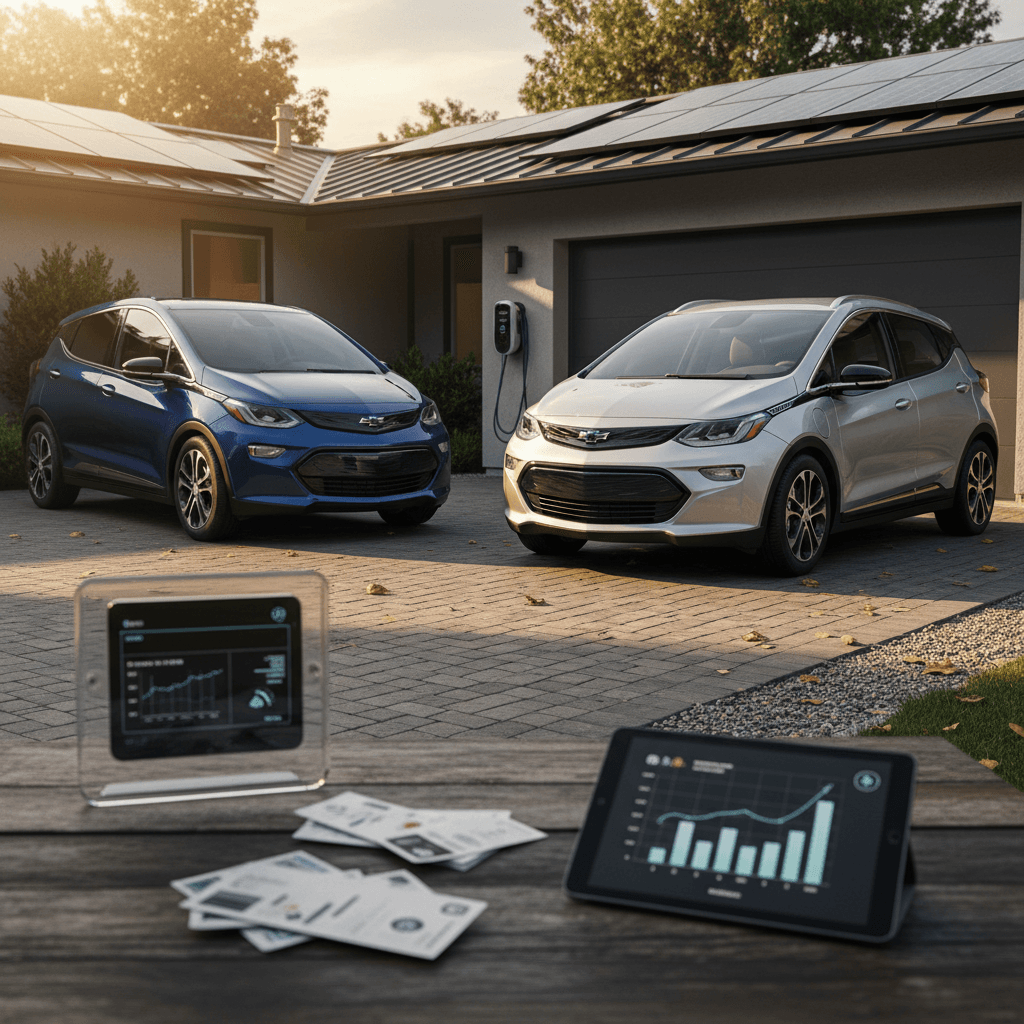
If you’re eyeing a compact electric hatchback, you’ve probably wondered: how much does it cost to own a Chevrolet Bolt EV per year? On paper it’s one of the most efficient, least expensive EVs sold in the U.S., but your actual yearly bill depends on how far you drive, what you pay for power, and whether you buy new or used. Let’s break it down line by line so you can see what a Bolt EV really costs to live with, not just to buy.
Quick answer
Bolt EV ownership cost at a glance
Typical yearly costs for a Chevrolet Bolt EV
Add those pieces up and a typical Bolt EV driver ends up in the neighborhood of $4,000–$5,500 per year to own and operate the car in the U.S. The low fuel and maintenance bills are what make the Bolt such a TCO sweetheart, especially if you’re coming out of a small gasoline hatchback or crossover.
Key assumptions behind the annual cost estimate
Before we go line by line, it’s worth being clear about the assumptions baked into these numbers. They’re grounded in U.S. averages as of late 2024–early 2025, so you can adjust up or down for your own situation.
- Mileage: 12,000 miles per year (close to the U.S. average).
- Electricity price: $0.16 per kWh, roughly in line with recent national residential averages.
- Efficiency: about 3.9 mi/kWh for a Bolt EV in mixed driving, which matches the EPA math (259 miles ÷ 65 kWh ≈ 3.98 mi/kWh) and real‑world owner reports.
- Insurance: full coverage for a driver with a clean record in a suburban ZIP code, your quote may be lower or much higher.
- Ownership length: We average wear items like tires over a 5–6 year period rather than a single year’s bill.
How to personalize these numbers
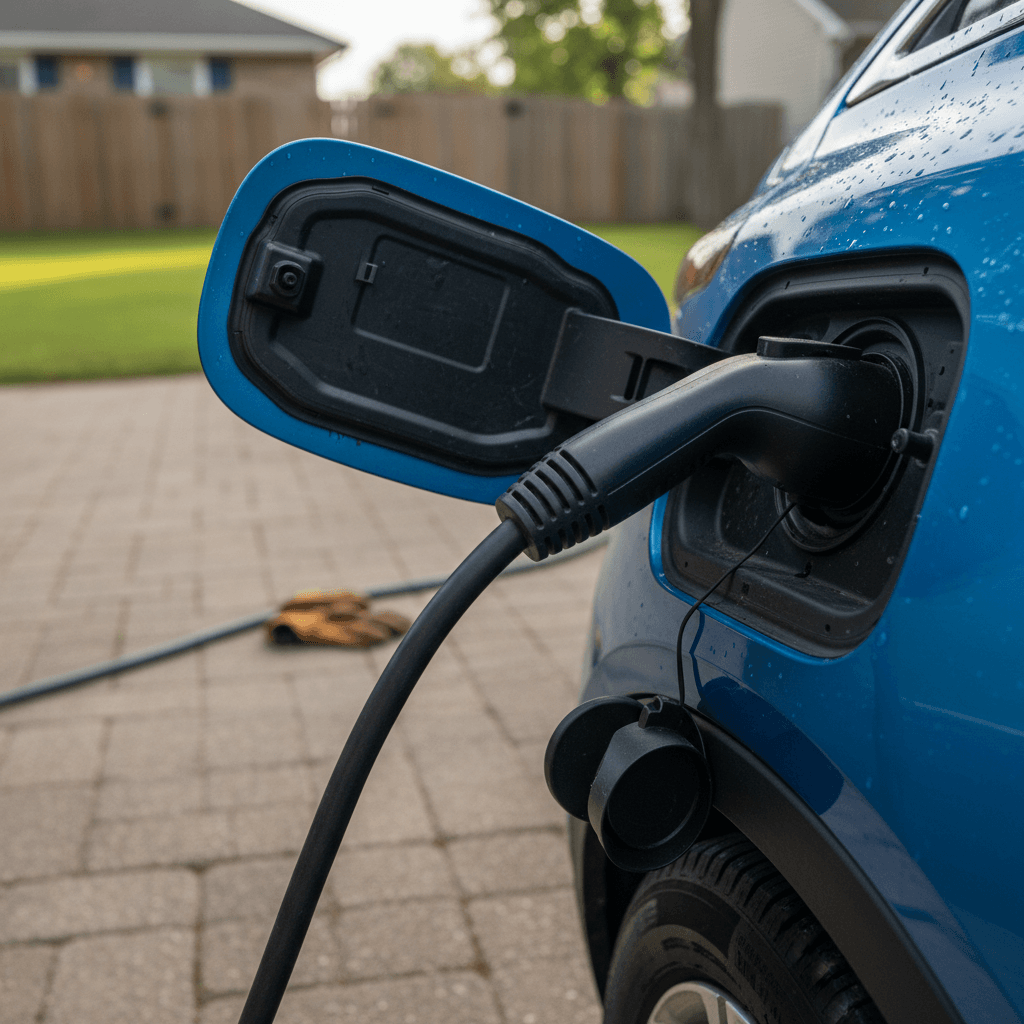
Electricity: what it costs to “fuel” a Bolt EV
Chevrolet’s little hatch is one of the most energy‑efficient EVs you can buy. Newer Bolt EVs have a 65 kWh battery and a 259‑mile EPA rating, which works out to just under 4.0 miles per kWh in mixed driving. Owners commonly report anywhere from the high‑3s to low‑4s mi/kWh in normal weather, and a bit less in very cold conditions.
Sample yearly electricity cost for a Bolt EV
Estimates assume 3.9 mi/kWh efficiency. Your actual numbers will scale with mileage and kWh price.
| Scenario | Miles per year | kWh used per year | kWh price | Estimated yearly cost |
|---|---|---|---|---|
| Light commuter | 8,000 | ≈2,050 | $0.14 | ≈$290 |
| Average driver | 12,000 | ≈3,075 | $0.16 | ≈$420 |
| High‑mileage driver | 18,000 | ≈4,615 | $0.18 | ≈$830 |
You’ll usually spend far less “at the plug” than you did “at the pump” with a comparable gas car.
Even in the high‑mileage scenario, you’re well under $1,000 per year for electricity. Many Bolt drivers who can plug in at home overnight on time‑of‑use or off‑peak rates pay much less. Public DC fast charging will cost more per kWh, but most owners only fast‑charge occasionally on road trips.
Watch your charging mix
Insurance: how much to insure a Chevy Bolt EV
Insurance is where the story gets more personal. Location, driving record, credit tier, and the exact model year all move the needle. Broadly speaking, however, the Bolt EV is one of the more affordable EVs to insure compared with luxury models.
Recent 2025 data points put full‑coverage Bolt EV insurance around $2,500–$2,600 per year on average nationwide, below high‑dollar EVs but higher than some economy gas cars. That said, many owners in low‑risk ZIP codes report premiums in the $1,400–$2,000 range, while dense‑city or youthful drivers can easily see quotes north of $3,000.
What drives your Bolt EV insurance bill up or down?
Same car, wildly different premiums depending on you and where you live.
Where you live
Your risk profile
Coverage choices
How to pressure‑test insurance before you buy
Maintenance, repairs, and tires
This is where the Chevrolet Bolt EV quietly earns its keep. With no engine, no transmission, and very few fluids, scheduled maintenance is sparse compared with a gas compact. In fact, General Motors’ official schedule is mostly inspections plus tire rotations around every 7,500 miles, a cabin air filter every few years, and occasional brake fluid service.
Typical yearly maintenance costs
Over a several‑year span, most Bolt EV owners can expect:
- $80–$120 per year for rotations and basic inspections (often less if bundled or done at a tire shop).
- $30–$50 per year when you average out cabin air filter replacements.
- Minimal brake wear, thanks to aggressive regenerative braking, the pads can last well past 100,000 miles in gentle hands.
If you stay close to the factory maintenance schedule and avoid dealer “add‑ons,” $150–$200 per year in routine maintenance is realistic.
Tires and unexpected repairs
Where EVs spend a bit more is tires. The Bolt’s instant torque and hefty battery weight can chew through a set in 30,000–40,000 miles if you drive briskly. With decent all‑season tires running roughly $700–$900 installed, that works out to:
- $150–$250 per year if you average 12,000 miles annually.
Serious out‑of‑warranty repairs (like a failed onboard charger) are rare but can be pricey. Spreading an occasional $1,000 repair over five years adds another $200 per year to your long‑term math, but many owners report years of nearly zero unscheduled expenses.
Compared to a gas hatchback
Registration, taxes, and EV fees
Every state plays this part differently. Some charge standard registration plus an extra EV fee to make up for lost fuel‑tax revenue; others still offer discounts or perks. For a Chevy Bolt EV, you’ll generally see yearly costs similar to or slightly higher than a comparable gas car.
- In states with no special EV fee, expect your Bolt EV registration to look much like any compact car, often $100–$250 per year, depending on state and vehicle value.
- In states with a dedicated EV road‑use fee, you may see an extra $100–$250 per year added to your renewal.
- If you’re financing, remember personal property taxes (where applicable) and small title or lien fees when you first register the car. Those are typically one‑time or front‑loaded costs, not annual.
Check your state’s EV fee before you buy
Depreciation and financing costs
Depreciation is the silent giant in any cost‑of‑ownership discussion, and the Bolt EV is no exception. The good news is that Chevrolet’s aggressive price cuts and the end of new‑car production mean that used Bolt EV prices have largely “found a floor”. That makes them especially attractive from a total‑cost‑of‑ownership standpoint.
Illustrative yearly depreciation for a Chevrolet Bolt EV
Rough, round‑number examples to show how purchase price and holding period change your annual cost.
| Scenario | Purchase price | Value after 5 years | Total depreciation | Average per year |
|---|---|---|---|---|
| New-ish Bolt EV (lightly used, 2022–2023) | $23,000 | $11,000 | $12,000 | ≈$2,400 |
| Older used Bolt EV (2017–2019) | $14,000 | $6,000 | $8,000 | ≈$1,600 |
| Bolt EUV example | $24,000 | $12,500 | $11,500 | ≈$2,300 |
Buying used typically flattens out depreciation, which is why a second‑owner Bolt EV can be such a bargain.
Financing adds interest on top. On a $20,000 used Bolt EV financed for 60 months at a moderate rate, you might see roughly $900–$1,300 per year in combined principal and interest payments. The principal portion builds equity, you get it back when you sell or trade, but the interest and depreciation are true yearly costs.
How shopping used changes the math
Example yearly budgets for different Bolt EV drivers
Let’s pull all the pieces together. These examples are not quotes, they’re sanity‑checks to help you see where your own numbers might land. All three assume a driver in a mid‑cost state with home charging available.
Sample annual Chevy Bolt EV ownership costs
Rough budgets for three very different Bolt EV owners.
| Cost category | Low‑mileage used Bolt | Typical used Bolt | High‑mileage commuter |
|---|---|---|---|
| Miles per year | 8,000 | 12,000 | 18,000 |
| Electricity | $290 | $420 | $830 |
| Insurance | $1,500 | $1,900 | $2,200 |
| Maintenance & tires (avg.) | $250 | $350 | $450 |
| Registration & EV fees | $150 | $200 | $250 |
| Depreciation (used purchase) | $1,200 | $1,600 | $1,800 |
| Loan interest (if financed) | $300 | $400 | $500 |
| Estimated total per year | ≈$3,690 | ≈$4,870 | ≈$6,030 |
Use these as templates, then plug in your own insurance quotes and electricity rate.
Comparing to a gas compact
How buying used with Recharged can lower your costs
Because depreciation and battery health are such big levers in your annual cost, the way you shop matters. This is exactly where a used Chevrolet Bolt EV from Recharged can tilt the math in your favor.
Ways Recharged helps keep your Bolt EV costs predictable
You’re not just buying a car, you’re buying fewer surprises.
Verified battery health
Fair pricing & financing
Trade‑in & delivery
Ready to find your next EV?
Browse VehiclesIf you want to go even deeper, a Recharged EV specialist can walk through your commute, charging options, and budget to estimate a personalized yearly cost of ownership before you ever sign paperwork. That’s a much calmer way to shop for an EV than crossing your fingers in a showroom.
Frequently asked questions about Bolt EV ownership costs
Chevrolet Bolt EV ownership cost FAQ
Bottom line: what you’ll likely spend each year
When you add everything up, most U.S. drivers can expect the all‑in annual cost to own a Chevrolet Bolt EV to fall somewhere between $4,000 and $5,500 per year, depending mainly on mileage, insurance, and whether you bought new or used. Electricity is the pleasant surprise, often a few hundred dollars a year, while maintenance stays almost comically low compared with a gas car.
Where you have real control is over purchase price, depreciation, and interest. Choosing a well‑priced used Bolt EV with a healthy battery, verified by a Recharged Score Report, can trim $1,000 or more off your yearly ownership cost versus buying new, without sacrificing range or comfort.
If you’re ready to put actual numbers to your own situation, you can start by browsing used Chevrolet Bolt EV listings on Recharged, get pre‑qualified for financing with no impact to your credit, or talk with an EV specialist who will help you build a realistic yearly budget before you ever sign. That’s how you turn a what‑if EV daydream into a smart, sustainable daily driver.