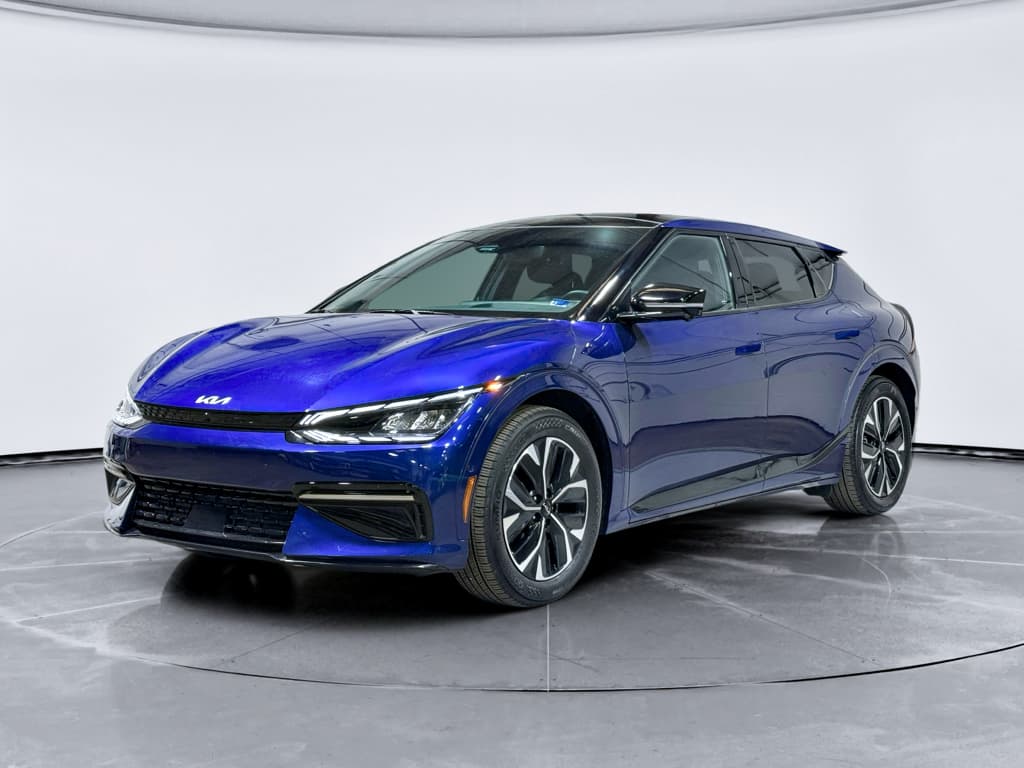
If you’re eyeing a used Chevrolet Bolt EUV, the sweet spot many shoppers land on is a car that’s about three years old. It’s old enough to have shed a big chunk of its new‑car premium, but young enough that the battery and technology still feel current. Understanding Chevrolet Bolt EUV value after 3 years is the key to knowing whether that used electric crossover is a steal or a headache in disguise.
Quick take
Why Chevrolet Bolt EUV 3‑Year Value Matters
Three years is the moment when a modern EV either proves itself as a long‑term value play or confirms every skeptic’s worst fears about electric‑car depreciation. For the Chevy Bolt EUV, that third birthday usually means:
- The original buyer has taken the biggest depreciation hit.
- The car is still under GM’s 8‑year/100,000‑mile battery warranty (or extended recall warranty, if applicable).
- Real‑world battery health can be measured instead of guessed.
- Insurance and registration costs may drop with lower market value.
In other words, a 3‑year‑old Bolt EUV is where used‑EV value and battery confidence intersect. That’s a rare overlap in today’s market, and it’s why this little Chevy keeps popping up on savvy shoppers’ shortlists.
Bolt EUV pricing basics and what “3 years” really means
Before we talk numbers, you need a baseline. The Bolt EUV arrived for the 2022 model year, with the first cars landing in late 2021. That means that in April 2026, a “3‑year‑old” Bolt EUV is typically a 2022 model year, sometimes an early‑build 2023 depending on registration date.
Original MSRP for Chevrolet Bolt EUV (U.S.)
Approximate starting MSRPs before dealer discounts and incentives.
| Model year | Trim | Approx. original MSRP* | Notes |
|---|---|---|---|
| 2022 | LT | $33,000 | Launch year; pricing varied slightly during recall pause |
| 2022 | Premier | $38,000 | More equipment, Super Cruise availability |
| 2023 | LT | $28,800 | Major price cut vs 2022 |
| 2023 | Premier (later RS) | $33,300 | Better equipment for not much more |
| 2024 | LT | $28,800 | Similar pricing; production ending announcement added pressure |
Knowing original price helps you judge 3‑year value properly.
Mind the 2023 price cut
How much does a Chevy Bolt EUV depreciate in 3 years?
3‑Year Value Snapshot for Chevrolet Bolt EUV
Put simply, by the time a Bolt EUV turns three, roughly half the original price tag is gone. That might sound brutal, but it’s not far off the broader EV market, where many models retain around 45–50% of value at three years, compared with 55–60% for equivalent gas cars.
Approximate 3‑Year Values for Chevrolet Bolt EUV
Illustrative private‑party value ranges for typical U.S. cars with average mileage (10,000–12,000 miles/year) and clean history. Actual prices vary by region and equipment.
| Model year at purchase | Age today | Original MSRP (approx.) | Typical 3‑year value range | Value retention |
|---|---|---|---|---|
| 2022 Bolt EUV LT | 3–3.5 years | $33,000 | $16,000–$19,000 | 48–58% |
| 2022 Bolt EUV Premier | 3–3.5 years | $38,000 | $18,000–$21,000 | 47–55% |
| 2023 Bolt EUV LT | 2.5–3 years | $28,800 | $18,500–$21,500 | 64–75% |
| 2023 Bolt EUV Premier/RS | 2.5–3 years | $33,300 | $20,000–$23,000 | 60–69% |
Use this as a ballpark, not a quote. Condition, battery health and local demand matter.
Why 2023s look “stronger” on paper
Why Bolt EUV depreciation looks different from gas SUVs
EVs often fall faster up front
- Technology churn: Newer EVs bring longer range and faster charging, which makes older models feel dated faster than gas cars of the same age.
- Incentives distort values: Federal and state rebates on *new* EVs effectively lower their real transaction price, pushing used values down.
- Fear of the unknown: Many shoppers still worry about battery replacement costs, even on warrantied cars. That uncertainty shows up as lower resale.
But running costs help balance the books
- Fuel savings: Electricity is usually cheaper per mile than gasoline, especially if you can charge at home on off‑peak rates.
- Maintenance: No oil changes, fewer moving parts and regenerative braking mean fewer routine repairs than a comparable gas compact SUV.
- Total cost vs. sticker price: Over three years, the total cash you burn on a Bolt EUV can rival or beat many gas crossovers, even if the resale percentage looks worse.
Don’t stare only at depreciation
Battery health and warranty: the hidden drivers of value
With any used EV, the battery is the whole ballgame. For the Bolt EUV, the story is unusually interesting because of GM’s high‑profile battery recall and subsequent replacements.
- Most Bolt EUVs carry an 8‑year/100,000‑mile battery warranty from the original in‑service date, covering defects and capacity loss below a set threshold.
- Cars that received a recall battery replacement often have a fresh pack plus a new warranty term on that pack, making them more attractive on the used market.
- Battery capacity is generally holding up well at three years when the car has been charged reasonably and not flogged on DC fast chargers daily. Many owners report 70–90% of original usable capacity at this age.
The recall effect cuts both ways
Real‑world used prices for a 3‑year‑old Bolt EUV
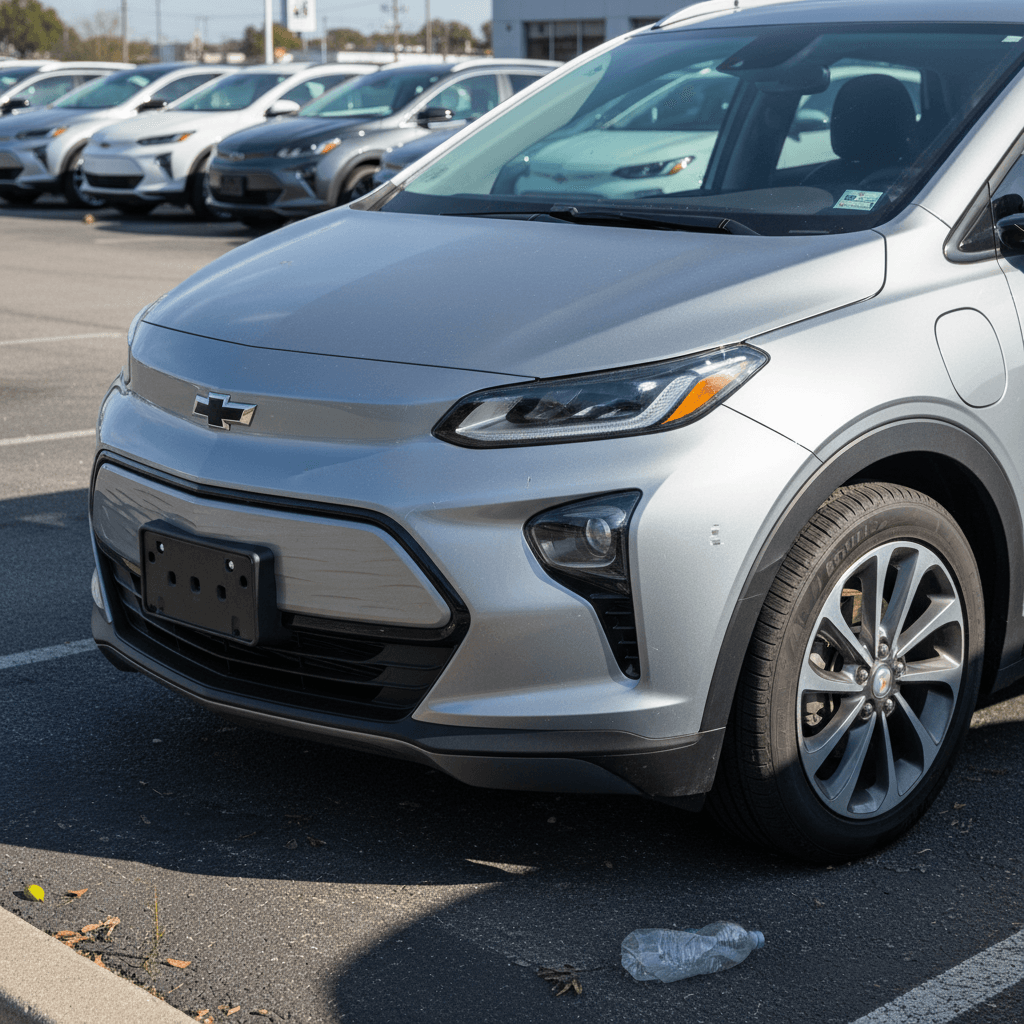
Browse used listings across the U.S. and a pattern emerges. A typical, clean‑title Bolt EUV that’s around three years old, with 30,000–40,000 miles and no accident history, tends to land here:
Typical U.S. Price Bands for a 3‑Year‑Old Bolt EUV
Assuming average mileage, normal wear and clear history; your market may vary.
Budget shoppers
$15,000–$17,000
Higher mileage 2022 LT trims, plainer spec, possibly from harsher climates or with more cosmetic wear. Great for commuters who care more about price than toys.
Mainstream sweet spot
$17,000–$21,000
Average‑mile 2022–2023 LTs and some Premiers/RS models with decent options. Often the best blend of price, range and remaining warranty.
High‑spec & low‑mile
$21,000–$24,000+
Lower‑mile Premier/RS cars, desirable colors and options, documented new battery under recall, one‑owner history. These command a premium but hold value better going forward.
Tax credits quietly shape used prices
3‑year ownership cost: Bolt EUV vs gas compact SUV
Depreciation is only half the ledger. To see value clearly, you have to look at what those three years of driving really cost you.
Illustrative 3‑Year Cost of Ownership: Bolt EUV vs Gas Compact SUV
Hypothetical comparison for a U.S. driver putting 12,000 miles/year on each vehicle, buying lightly used at age three and selling at age six.
| Cost category (3 years) | Used Chevy Bolt EUV | Used gas compact SUV |
|---|---|---|
| Purchase price at age 3 | $19,000 | $20,000 |
| Estimated value at age 6 | $11,000 | $12,000 |
| Depreciation cost | $8,000 | $8,000 |
| Fuel/energy | $1,800 (home charging, avg. rates) | $4,500 (gas at typical U.S. prices) |
| Routine maintenance | $1,000 | $2,000 |
| Total 3‑year out‑of‑pocket | ≈ $10,800 | ≈ $14,500 |
Numbers are rounded ballparks for clarity; actual costs depend on local fuel prices, electricity rates and individual deals.
Where the Bolt quietly wins
What helps a 3‑year‑old Bolt EUV hold its value?
- New battery under recall: A replacement pack with fresh warranty is resale gold. Shoppers will pay more for the peace of mind.
- Clean, documented history: One owner, no structural accidents, and consistent service records all nudge value up.
- Desirable spec: Premier or RS trim, popular colors, and options like Super Cruise where fitted help the car stand out.
- Lower miles: A three‑year‑old EV with 20,000 miles looks like a low‑risk urban commuter, not a ride‑share mule.
- Warm‑weather life: Cars from milder climates generally inspire more confidence around long‑term battery health.
The smart‑spec Bolt EUV
Shopping checklist for a 3‑year‑old Bolt EUV
Essential Checks Before You Buy
1. Verify battery warranty and recall status
Ask the seller for documentation showing whether the high‑voltage battery was replaced under recall and how much warranty time/mileage is left. This alone can change what the car is worth to you.
2. Review real battery health, not just guesswork
Use a third‑party scan tool or a service like the <strong>Recharged Score</strong> to see state‑of‑health and pack behavior. A car with strong, verified battery health is worth more than a mystery pack at the same price.
3. Check DC fast‑charging history
Moderate DC fast‑charging is normal; heavy, daily use may contribute to faster degradation. Ask how the previous owner charged, mostly at home, or always on road‑trip fast chargers?
4. Look for hidden mileage stories
High annual mileage isn’t automatically bad, but rideshare and delivery use can mean harder wear. Dig into service history and look for signs of commercial use.
5. Inspect tires, brakes and suspension
EVs are heavier than gas cars and can be harder on tires and suspension components. Uneven wear or clunks over bumps might suggest future spending you should factor into the price.
6. Confirm charging equipment and software updates
Make sure the original portable charge cord, any wallbox documentation and up‑to‑date software are included. Missing equipment costs money; missing updates can affect range and safety features.
Don’t skip a proper EV‑savvy inspection
How Recharged evaluates Bolt EUV value and battery
Because EV value lives or dies on battery confidence and transparent pricing, Recharged approaches every used Bolt EUV with a more forensic lens than you’ll usually find on a generic car site.
What you get with a Bolt EUV from Recharged
Value is more than just a number on a window sticker.
Recharged Score battery diagnostics
Every vehicle on Recharged comes with a Recharged Score Report that includes verified battery health. For a Bolt EUV, that means looking at pack capacity, thermal behavior and charging performance, not just range guess‑o‑meter screenshots.
Fair market pricing & depreciation baked in
Our pricing tools factor in 3‑year depreciation patterns, trim, mileage, recall status and regional demand, so you’re not paying new‑car math for a used EV. You see how the price stacks up against similar cars nationwide.
Financing, trade‑in & instant offer
Recharged can help you finance a Bolt EUV, apply your current vehicle as a trade‑in, or get an instant offer if you’re selling. That keeps the true net cost of stepping into a 3‑year‑old EV crystal clear.
Nationwide delivery & EV‑specialist support
Whether you shop fully online or visit our Experience Center in Richmond, VA, EV‑specialist advisors walk you through battery health, charging setup and long‑term ownership costs, then arrange nationwide delivery right to your driveway.
Ready to find your next EV?
Browse VehiclesFAQ: Chevrolet Bolt EUV value after 3 years
Frequently Asked Questions
Is a 3‑year‑old Chevy Bolt EUV a good buy?
If you judge a car purely by its resale percentage, the Chevrolet Bolt EUV might look like just another EV taking an early‑life hit. But that’s the wrong question. The right question is: What do those three years of driving cost me, all‑in, and what do I get in return? On that score, a well‑chosen 3‑year‑old Bolt EUV is quietly one of the strongest value plays in the used‑EV world, especially if it has a fresh battery under recall and plenty of warranty runway left.
For many buyers, the Bolt EUV at three years old is exactly where you want to be: the tech is modern, the value curve has flattened, and the powertrain is just getting started. If you’d rather not decode depreciation tables and battery warranty fine print alone, you can let Recharged do the heavy lifting, sourcing, inspecting and delivering a Bolt EUV whose real‑world value after 3 years is proven, not promised.