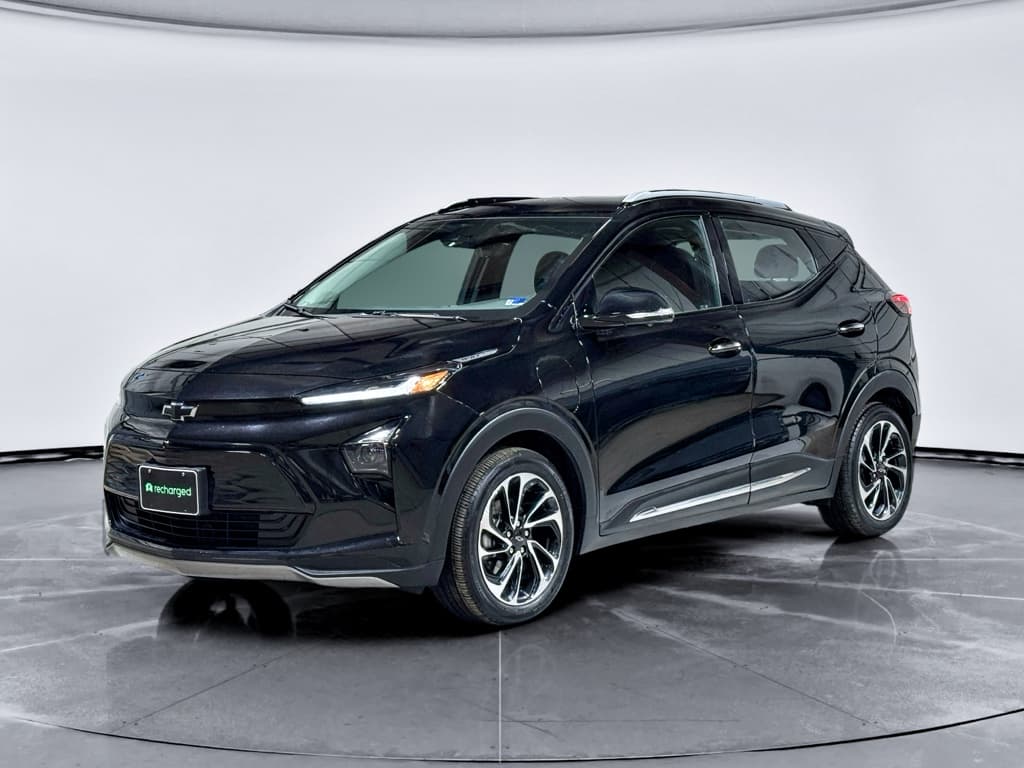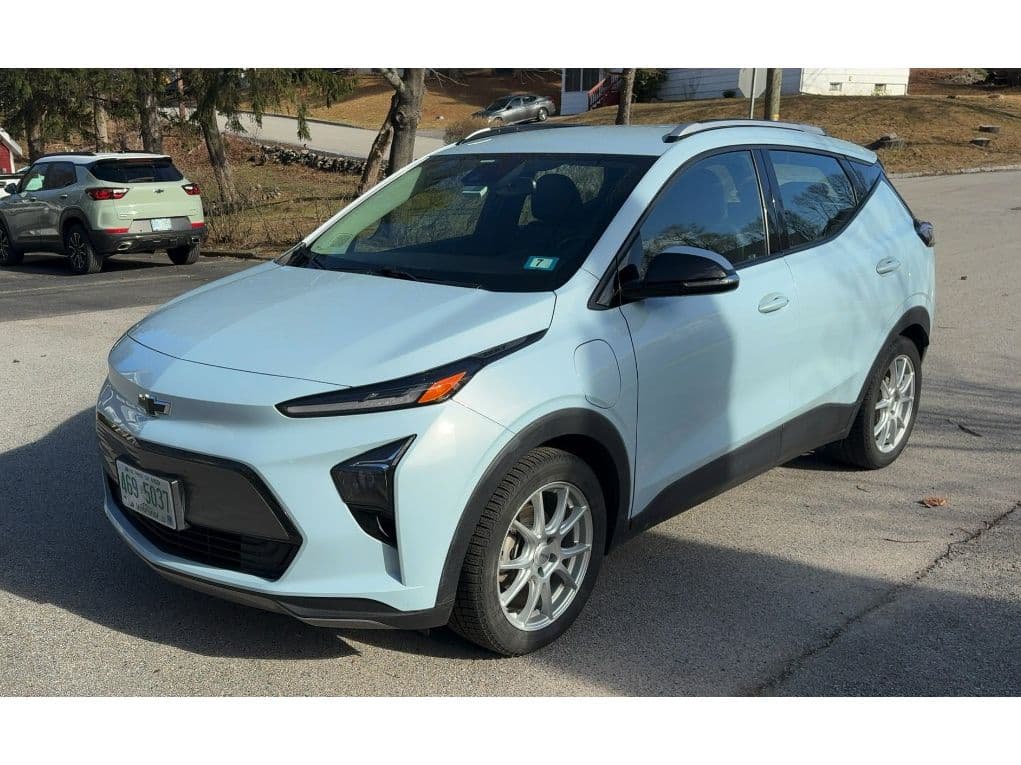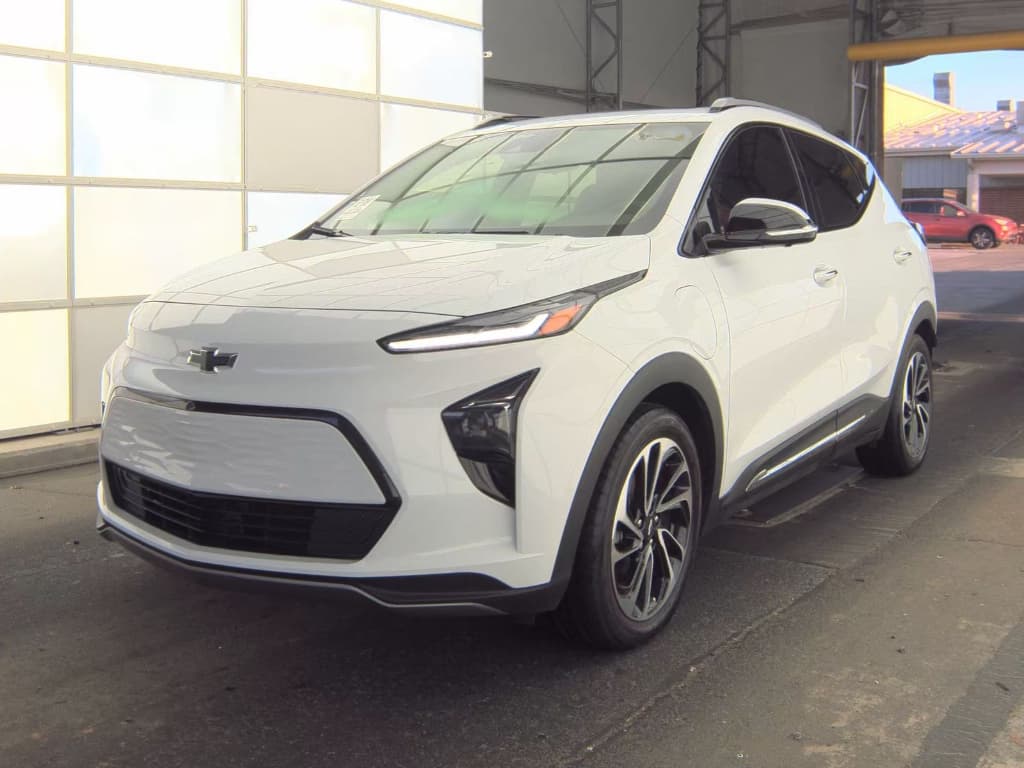
If you’re eyeing a used Chevrolet Bolt EUV in 2026, price is the make‑or‑break question. The nameplate is discontinued (for now), early buyers took a big depreciation hit, and a wave of off‑lease EVs is about to hit the market. That adds up to one thing for smart shoppers: opportunity, if you understand where Chevrolet Bolt EUV prices are headed in 2026 and how to separate a fair deal from an inflated one.
What this guide covers
Why Chevrolet Bolt EUV prices in 2026 matter
The Bolt EUV occupies a rare spot in the EV world: it’s a compact, efficient electric crossover with real‑world range, DC fast‑charging capability, and a reputation for low running costs, yet it’s already been discontinued on GM’s first‑generation BEV2 platform. That combination of strong day‑to‑day usability and orphaned model status tends to create aggressive used‑car pricing, especially as the vehicle approaches its middle years.
- Budget‑minded commuters want maximum range per dollar, not flashy new‑car tech.
- Off‑lease EVs and ex‑fleet units are ramping up supply in the compact segment.
- Discontinued status means no new Bolt EUV inventory to prop up used values.
How Recharged can help
Where Chevrolet Bolt EUV prices stand going into 2026
Chevrolet Bolt EUV price snapshot (early 2026)
New 2023 Chevrolet Bolt EUVs started around the high‑$20,000s for an LT trim before destination charges and options. Heavy incentives, price cuts, and the 2023 production sunset pushed real‑world transaction prices lower. By 2025, national price guides commonly showed clean‑title 2023 EUVs trading in the mid‑teens, with 2022s often a bit less depending on mileage and equipment.
2026 Chevrolet Bolt EUV price forecast: numbers to know
Forecasting used‑car prices always involves uncertainty, but we can bracket a realistic range for Chevrolet Bolt EUV prices in 2026 by looking at current data, historical depreciation curves, and expected supply. These ranges assume typical mileage (around 12,000–15,000 miles per year), clean titles, and good battery health.
Projected retail price ranges for Chevrolet Bolt EUVs in 2026
Approximate dealer retail price bands you’re likely to see for 2022–2023 Bolt EUVs in the U.S. during calendar‑year 2026, assuming normal mileage and no major damage.
| Model year in 2026 | Mileage band | Expected price range | Good‑deal target | Overpriced warning |
|---|---|---|---|---|
| 2023 Bolt EUV | 25k–45k miles | $14,500–$18,000 | $15,000–$16,000 | $19,000+ (unless very low miles) |
| 2023 Bolt EUV | 45k–70k miles | $13,000–$16,000 | $13,500–$14,500 | $17,000+ with average equipment |
| 2022 Bolt EUV | 30k–55k miles | $13,000–$16,000 | $13,000–$14,500 | $17,000+ for typical spec |
| 2022 Bolt EUV | 55k–80k miles | $11,500–$14,000 | $12,000–$13,000 | $15,000+ without exceptional battery health |
These are directional forecasts, not guarantees. Local supply, incentives, and vehicle condition will push individual cars above or below these bands.
Use these ranges as guideposts, not gospel
Key trends shaping Bolt EUV values through 2026
Four forces behind 2026 Bolt EUV pricing
Understanding these trends will help you read between the lines of any asking price.
1. Discontinued, but not forgotten
GM ended production of the first‑generation Bolt EUV after the 2023 model year, but the car has a loyal owner base and solid real‑world efficiency. Discontinued models typically depreciate faster early, then stabilize once buyers understand long‑term support and parts availability.
2. Used‑EV price correction
After a spike in 2022, used EV prices fell hard in 2023–2025 as supply caught up and more models hit the market. The Bolt EUV was no exception, with some owners watching five‑figure value evaporate in under two years. That front‑loaded hit makes 2026 a more favorable entry point for buyers.
3. Regional charging and policy differences
States with strong public charging networks, EV‑friendly policies, and HOV lane perks tend to see higher used EV prices. In regions where chargers and incentives are sparse, Bolt EUVs may trade a few thousand dollars cheaper for similar spec and mileage.
4. Gas prices and commuter math
For many shoppers, the Bolt EUV is a commuter appliance. When gas prices rise, demand often follows, lifting values. If gas stays cheap, expect more leverage as a buyer, especially on higher‑mileage examples.
Good news for budget shoppers
How battery health will shape individual Bolt EUV prices
Two identically equipped 2023 Bolt EUVs can be thousands of dollars apart in 2026, and the reason usually comes down to battery health, usage history, and charging behavior. The pack is the most expensive component in the car; any serious buyer or lender is quietly pricing it in.
What sellers will highlight
- Low DC fast‑charging use: A higher share of home Level 2 charging is a positive signal for long‑term battery health.
- Documented software updates: Staying current on OEM battery and BMS updates is a plus.
- Warranty status: Remaining battery coverage into the late 2020s can support higher pricing.
What you should verify
- State of health (SoH) data: A proper battery diagnostic, not just a guess based on the dash range estimate.
- Consistent range: Cars that have lost only a small fraction of usable range tend to justify prices near the top of our forecast bands.
- Thermal history: Vehicles that lived in extremely hot climates or towed frequently may have accelerated degradation.
Leverage the Recharged Score

Regional price differences to watch in 2026
Bolt EUV pricing won’t look identical in Phoenix, Portland, and Philadelphia. Local policy, weather, and even culture play into how much demand there is for a compact electric hatchback with 200‑plus miles of range.
How location can move Chevrolet Bolt EUV prices
High‑level view of how geography tends to push Bolt EUV prices above or below national averages in 2026.
| Region archetype | Charging & policy environment | Typical price impact | What it means for you |
|---|---|---|---|
| West Coast EV hotspots | Dense fast‑charging, strong incentives, HOV perks | +$1,000 to +$2,000 vs. national averages | Expect to pay more, but you’ll have easier access to infrastructure and more choice. |
| Northeast metros | Growing charging network, congestion & toll lanes | Near national averages or modestly higher | Tight urban supply can keep clean cars pricey, but winter range loss can temper demand. |
| Sun Belt suburbs | Mixed charging build‑out, lower EV incentives | –$500 to –$1,500 vs. national | Good hunting ground if you’re flexible on color and trim, especially for higher‑mileage cars. |
| Rural / Midwest | Sparse fast‑charging, limited policy support | –$1,000 or more vs. national | Fewer buyers chasing each car, strong leverage if you’re comfortable with the charging map. |
These are directional patterns; individual deals will vary based on supply, dealer strategy, and how quickly buyers in each region embrace used EVs.
How to tell if a 2026 Bolt EUV price is fair
When you’re staring at a listing, it’s easy to ask the wrong question: “Can I afford this monthly payment?” The better question in 2026 is: “Is this Chevrolet Bolt EUV price aligned with the market for this year, mileage, and battery status?” Here’s a simple framework you can use on any car, whether you’re shopping local classifieds or browsing curated used‑EV platforms like Recharged.
Quick checklist: sanity‑check any 2026 Bolt EUV asking price
1. Anchor to year and miles
Start with our forecast table: find the row that matches the model year and mileage band. If the asking price is at the top of the range or higher, there needs to be a clear reason (very low miles, rare trim, or pristine battery).
2. Adjust for trim and options
Premier and Redline‑style appearance packages, Super Cruise, or high‑content safety bundles can justify a premium. Plain LT cars with cloth seats and basic audio shouldn’t be priced like fully loaded examples.
3. Factor in battery diagnostics
A documented, third‑party battery health report is worth real money. Decide what discount you expect if the seller can’t or won’t provide objective SoH data.
4. Compare multiple local comps
Pull at least three comparable listings within a reasonable radius, same year, similar miles and equipment. If your target car is hundreds or thousands above all three, negotiate hard or walk away.
5. Include taxes, fees, and chargers
Budget for taxes, doc fees, and potentially a home Level 2 charger if you don’t have one already. A price that looks great on paper may feel less special when you calculate total out‑the‑door and setup costs.
6. Consider remaining warranty
A Bolt EUV with several years of battery coverage remaining is usually worth more than a same‑year car that’s been driven heavily or has unusual usage history.
Watch out for “tax‑credit math” in ads
Lease returns, fleets, and 2026 used supply
Another factor behind the Chevrolet Bolt EUV price forecast for 2026 is simple: supply. Many 2022–2023 cars were leased when money factors and EV incentives were attractive. Those vehicles typically come back in year three, right as we move through 2025 and into 2026.
How 2022–2023 Bolt EUVs likely flow into the 2026 market
2022 model‑year path
Sold or leased new in 2022, often with aggressive discounts by late in the year.
Early units hit the used market in 2024–2025 via trade‑ins and early lease buyouts.
By 2026, many are 3–4 years old at ~40k–60k miles, prime time for value‑focused shoppers.
2023 model‑year path
Production winds down late 2023 as GM preps Ultium‑based successors.
A wave of 3‑year lease returns lands in late 2026, adding to supply.
Expect more choice, and more motivated sellers, going into the 2026–2027 buying seasons.
Fleet & government units
Some municipalities and fleets adopted the Bolt EUV for light‑duty use.
These vehicles often have consistent service histories but higher average miles.
Bulk remarketing in 2026–2027 may further soften prices in certain regions.
Why supply spikes favor prepared buyers
Negotiation tips for 2026 Bolt EUV buyers
By 2026, most sellers know the Bolt EUV has taken its big depreciation hit. That doesn’t mean every listing is fair. Here’s how to use market dynamics and vehicle data to tilt the conversation in your favor.
- Come armed with data: print or screenshot 3–5 comparable Bolt EUV listings plus a price‑trend chart from a guide you trust.
- Lead with battery questions: ask for recent service records and any battery diagnostics, then use missing information as leverage to request a lower price or seller‑paid inspection.
- Watch days‑on‑market: a car that’s sat for 30–60+ days is more likely to move on price than a fresh trade‑in.
- Negotiate total cost, not just sticker: ask for an out‑the‑door quote that includes fees, and use competing offers or pre‑approved financing to keep the conversation focused on the bottom line.
- Be ready to walk: with more used EVs entering the market, there’s rarely just one Bolt EUV that can work for you. The willingness to walk away is still your strongest tool.
Locking in fair financing
Ready to find your next EV?
Browse VehiclesFAQ: Chevrolet Bolt EUV prices in 2026
Frequently asked questions about 2026 Bolt EUV pricing
Bottom line: Is the 2026 Chevrolet Bolt EUV market a good opportunity?
For buyers who care more about efficiency and total cost of ownership than bleeding‑edge tech, the Chevrolet Bolt EUV price outlook for 2026 is encouraging. The car has already absorbed its steepest depreciation, supply is gradually loosening thanks to off‑lease returns and fleets, and there’s no new‑car sibling to artificially prop up used values.
Your job is to make the market work for you: shop multiple regions if you can, insist on objective battery data, and use forecast ranges as leverage rather than fate. If you’d rather not run those numbers alone, Recharged can help you compare Bolt EUV listings side‑by‑side with verified battery health and fair‑market pricing, so you can zero in on a 2026 deal that makes sense for your budget, and your daily commute.