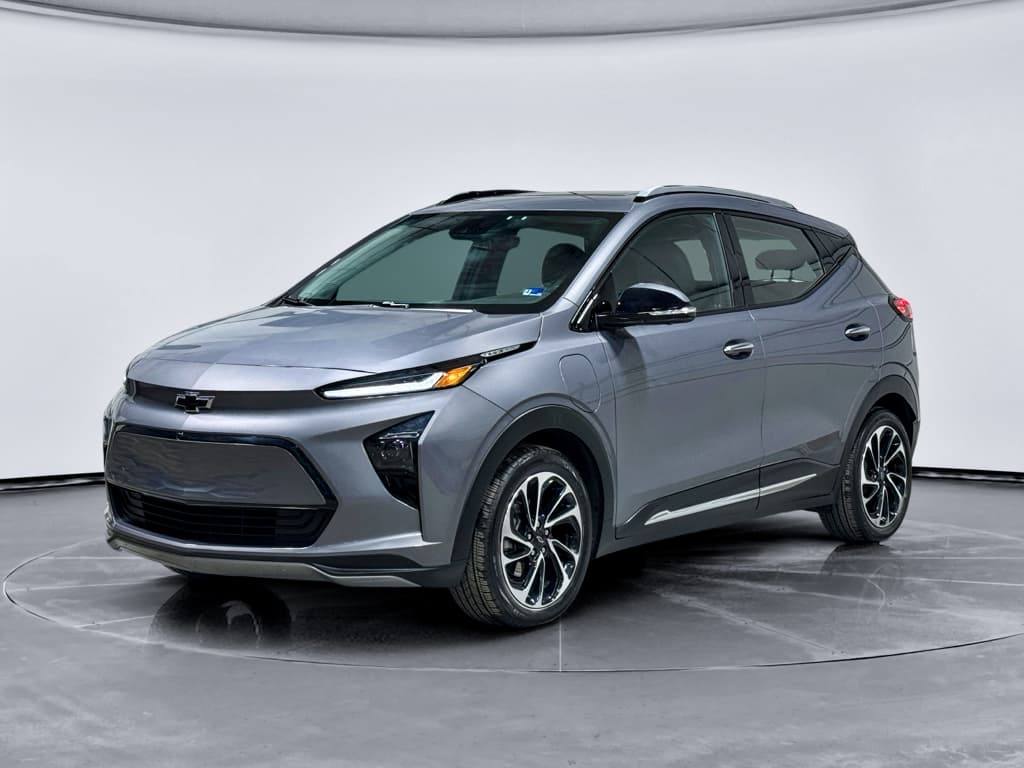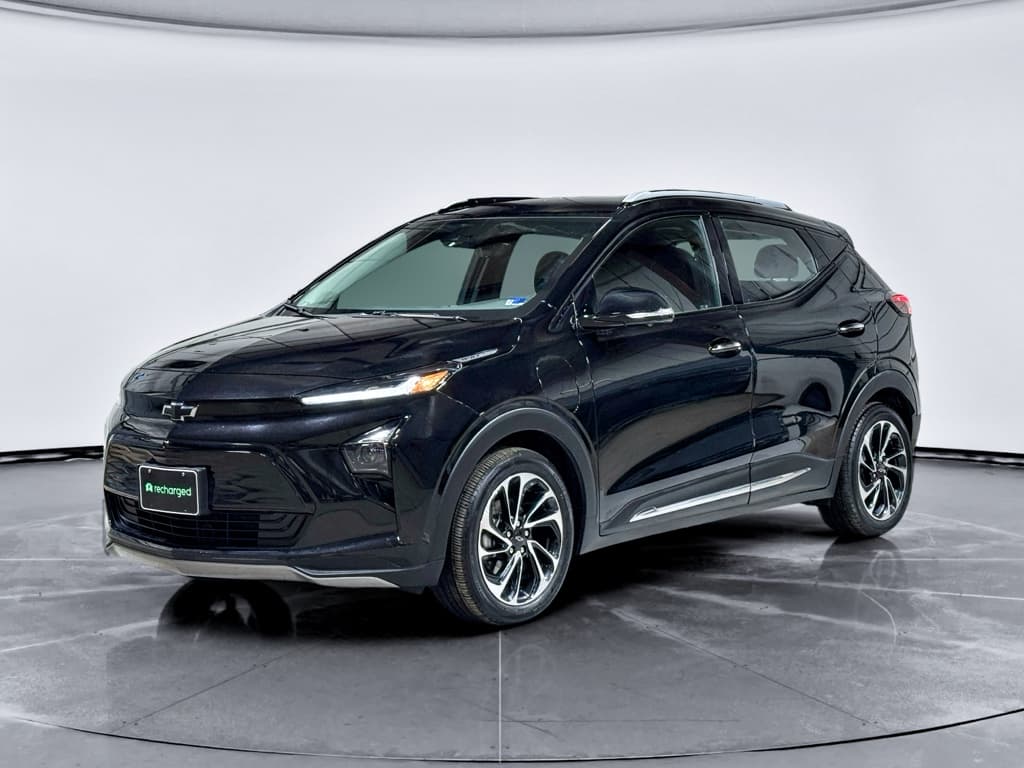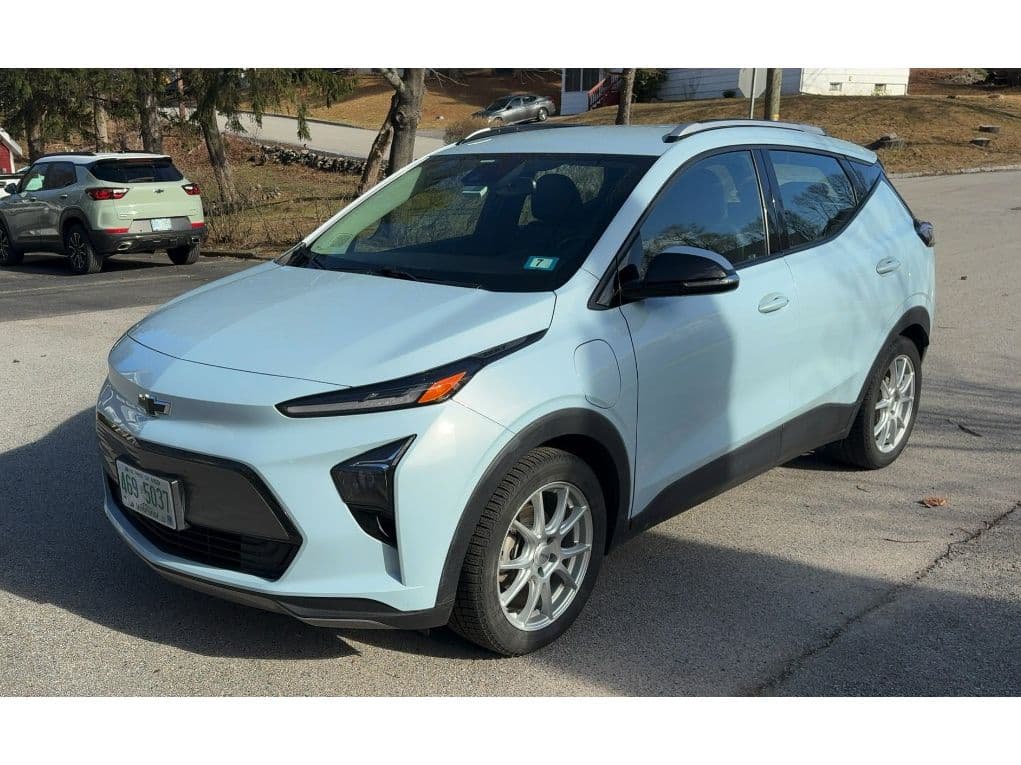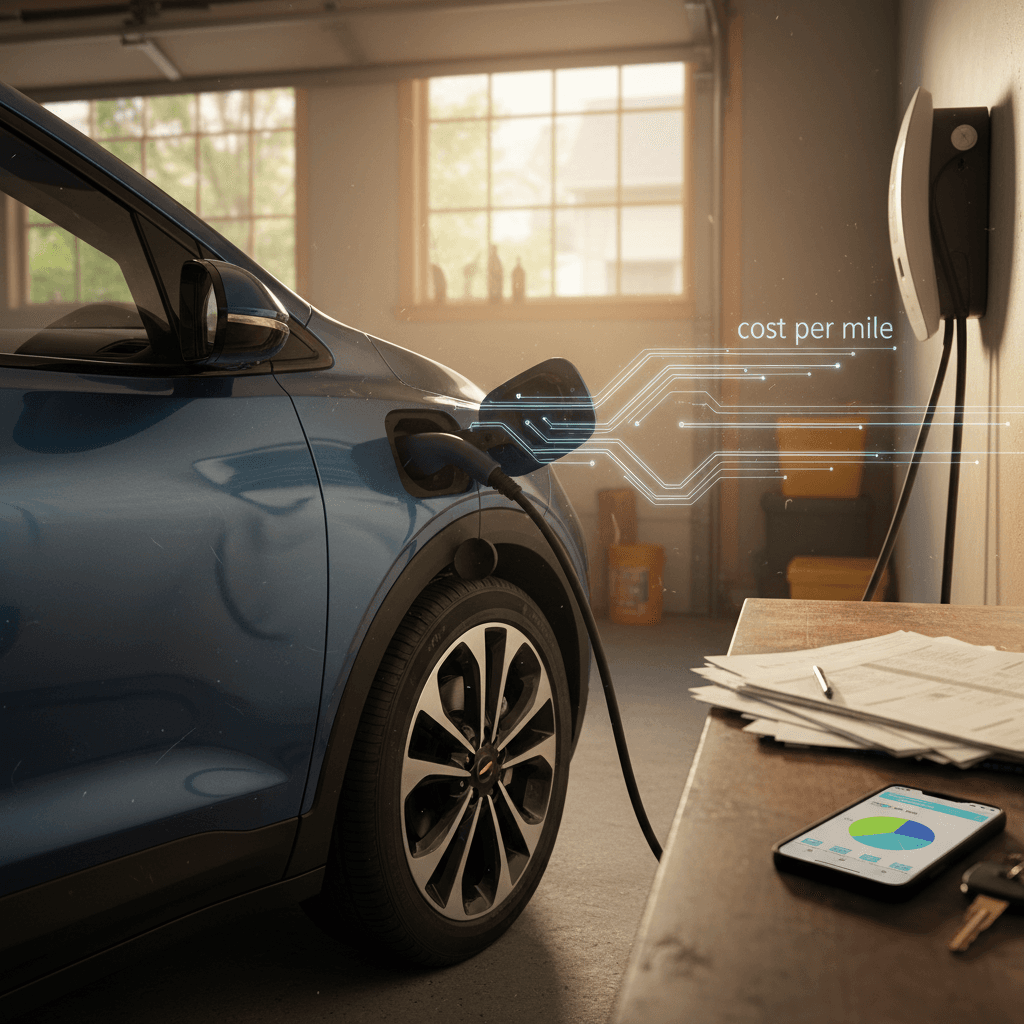
If you’re looking at a Chevrolet Bolt EUV, you’re probably trying to answer one big question: how much does it cost per mile to drive compared with a gas SUV? The good news is that the Bolt EUV is one of the most efficient small crossovers sold in the U.S., and when you understand a few simple numbers, kWh per mile and your electricity rate, you can estimate your real-world cost per mile in minutes.
EV cost math in one line
Chevrolet Bolt EUV cost per mile: the short answer
Typical Chevrolet Bolt EUV cost per mile
Using typical numbers, a Chevrolet Bolt EUV driven on home Level 2 charging at around 14¢ per kWh and averaging ~3.1 mi/kWh will cost roughly 4–5 cents per mile in energy. In higher-cost electricity areas or with more DC fast charging, you might see 6–10 cents per mile. That’s still generally far below most gasoline crossovers on a pure fuel-versus-electricity basis.
Rule of thumb
How efficient is the Chevrolet Bolt EUV?
To understand Chevrolet Bolt EUV cost per mile to drive, start with efficiency. The Bolt EUV is rated at roughly the equivalent of 28–29 kWh per 100 miles, which works out to about 3.4–3.6 miles per kWh on the test cycle. Real-world results vary with speed, weather, and terrain, so many owners see something closer to 3.0–3.3 mi/kWh across a mix of city and highway driving.
- Conservative city driving in mild weather: often 3.5–4.0 mi/kWh
- Mixed suburban commuting: commonly ~3.0–3.3 mi/kWh
- High-speed highway driving or very cold weather: sometimes 2.3–2.8 mi/kWh
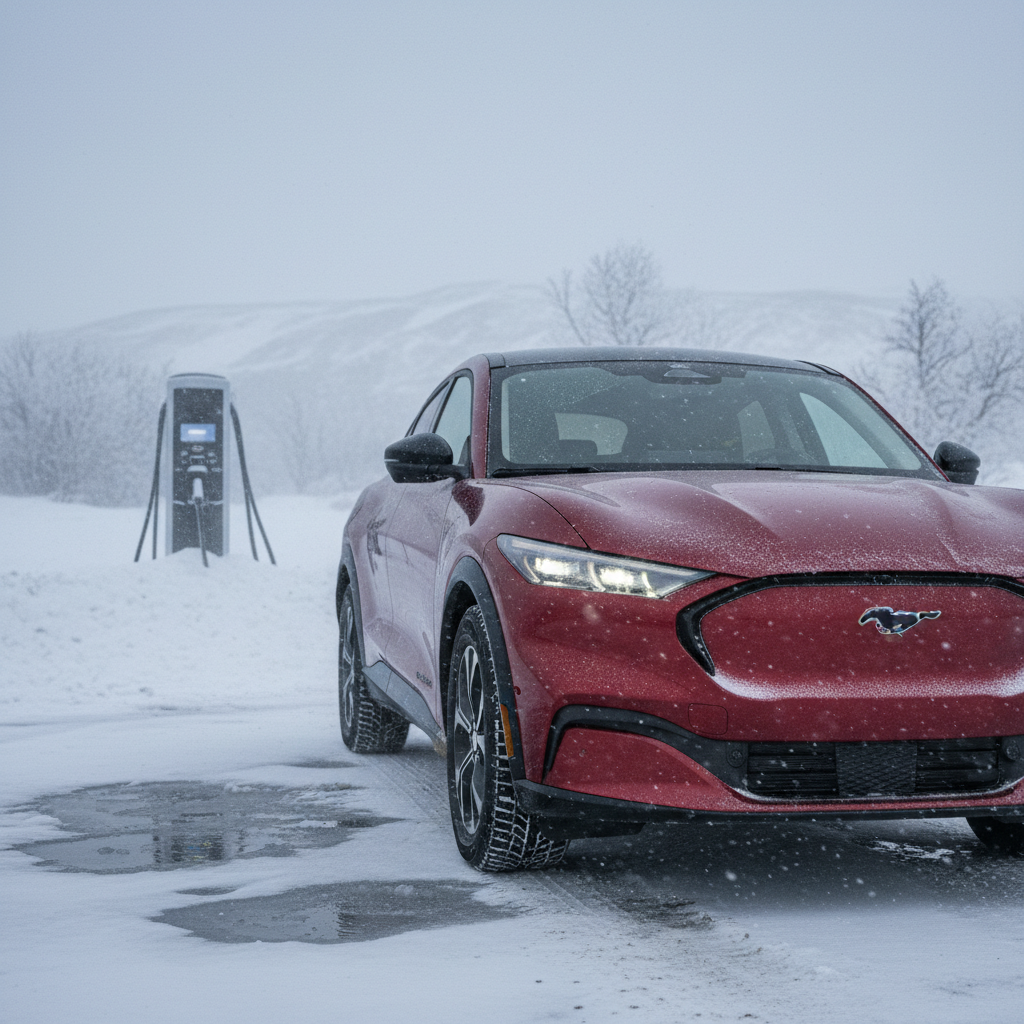
Cold weather effect
How to calculate your own Bolt EUV cost per mile
You don’t need a spreadsheet to understand your Chevrolet Bolt EUV cost per mile to drive. With two pieces of information, your electricity price per kWh and your average efficiency in mi/kWh, you can get a personalized answer.
Step-by-step: customize your Bolt EUV cost per mile
1. Find your electricity rate
Look at your most recent electric bill for the “$/kWh” line. Many U.S. households pay somewhere between 12¢ and 25¢ per kWh. If your bill is complex, use the total bill divided by total kWh as a rough blended rate.
2. Check your efficiency in the car
Your Bolt EUV’s trip or lifetime energy screen will show mi/kWh (or kWh/100 mi). Note what you’re actually seeing in your typical driving, 3.0 mi/kWh, 3.3 mi/kWh, etc., instead of relying only on the window sticker.
3. Convert if you have kWh/100 mi
If the car shows kWh/100 miles (for example 30 kWh/100 mi), divide 100 by that number to get mi/kWh. A reading of 30 kWh/100 mi equals about 3.3 mi/kWh.
4. Use the simple formula
Cost per mile = (electricity price per kWh) ÷ (mi per kWh). For example: 14¢ per kWh ÷ 3.2 mi/kWh ≈ 4.4¢ per mile.
5. Repeat for fast-charging rates
If you occasionally use DC fast charging, plug those higher kWh prices into the same formula. That will show you what those road-trip miles really cost.
6. Average if you mix charging locations
If you split your charging, say 80% at home, 20% at public fast chargers, you can average the two cost-per-mile figures proportionally to estimate your overall monthly cost.
Example Chevrolet Bolt EUV energy cost per mile
These examples use a mid-pack 3.2 mi/kWh efficiency to show how your local electricity price changes cost per mile.
| Electricity price (per kWh) | Mi per kWh (assumed) | Energy cost per mile |
|---|---|---|
| $0.12 | 3.2 | 3.8¢/mi |
| $0.14 | 3.2 | 4.4¢/mi |
| $0.20 | 3.2 | 6.3¢/mi |
| $0.30 | 3.2 | 9.4¢/mi |
Use your own kWh rate and observed mi/kWh for a more precise answer.
Quick mental math
Why electricity rates and where you charge matter
Two Bolt EUV drivers can have very different cost-per-mile numbers simply based on where they charge and which utility territory they live in. Home charging on a reasonable residential rate is almost always cheapest; frequent DC fast charging is the most expensive way to feed any EV.
Bolt EUV cost per mile by charging situation
Same car, different fueling costs depending on where you plug in.
Home Level 2, standard rate
If you pay around 14–18¢/kWh and see ~3.1 mi/kWh, you’re typically around 4–6¢ per mile. That often beats even the best hybrid SUVs on running costs.
Home with off-peak EV rate
Some utilities offer discounted nighttime EV rates, sometimes under 10¢/kWh. In that case, your Bolt EUV might cost just 3–4¢ per mile when you schedule charging overnight.
Public DC fast charging
Pay-per-kWh fast charging can run 35–50+¢/kWh. At 3.0 mi/kWh, that’s 12–17¢ per mile. Still competitive with many gas SUVs, but much higher than home charging.
Don’t plan to live on DC fast charging
Bolt EUV vs gasoline SUV: cost per mile comparison
Cost per mile only really means something when you compare it to an alternative, usually a gasoline crossover or compact SUV. The Bolt EUV is sized similarly to small crossovers like the HR-V, Corolla Cross, or Trax, and many shoppers also consider it alongside compact gas SUVs rated around 28–32 mpg combined.
Chevrolet Bolt EUV vs gasoline compact SUV: energy cost per mile
Illustrative comparison using typical U.S. prices. Your numbers will vary with local fuel and electricity costs.
| Vehicle type | Assumptions | Energy price | Cost per mile (energy only) |
|---|---|---|---|
| Chevrolet Bolt EUV (home charging) | 3.2 mi/kWh, 14¢/kWh | $0.14/kWh | ≈ 4.4¢/mi |
| Chevrolet Bolt EUV (mostly DC fast) | 3.0 mi/kWh, 40¢/kWh | $0.40/kWh | ≈ 13.3¢/mi |
| Gasoline compact SUV | 30 mpg, $3.75/gal | $3.75/gal | ≈ 12.5¢/mi |
| Older or less efficient SUV | 22 mpg, $3.75/gal | $3.75/gal | ≈ 17.0¢/mi |
This comparison focuses only on fuel vs electricity, not total ownership costs.
What this looks like per year
Maintenance, insurance, and other running costs
Energy is only part of the Chevrolet Bolt EUV cost per mile to drive. You’ll also need to factor in maintenance, tires, and insurance. Here’s where EVs, including the Bolt EUV, quietly pile on more savings over time.
Beyond electricity: other costs per mile for a Bolt EUV
Why the EV’s low running costs go beyond the plug.
Maintenance & repairs
The Bolt EUV has no oil changes, no timing belt, and no traditional transmission. Routine service is mostly tires, cabin filters, and brake fluid at long intervals. Over 5–10 years, that usually means fewer shop visits than a gas SUV.
Brakes and tires
Regenerative braking means pads often last much longer than on a similar gas car, especially in city driving. Tires may wear somewhat faster on EVs due to weight and torque, so budgeting for quality replacement tires is smart.
Think “total cost per mile”
Used Bolt EUV cost per mile & battery health
Many shoppers are running the numbers on a used Chevrolet Bolt EUV, where purchase price plus low cost per mile can be especially attractive. The big question they rightly ask is, “What about the battery?” Battery health affects range much more than day-to-day electricity cost per mile, but it’s still an essential part of your ownership math.
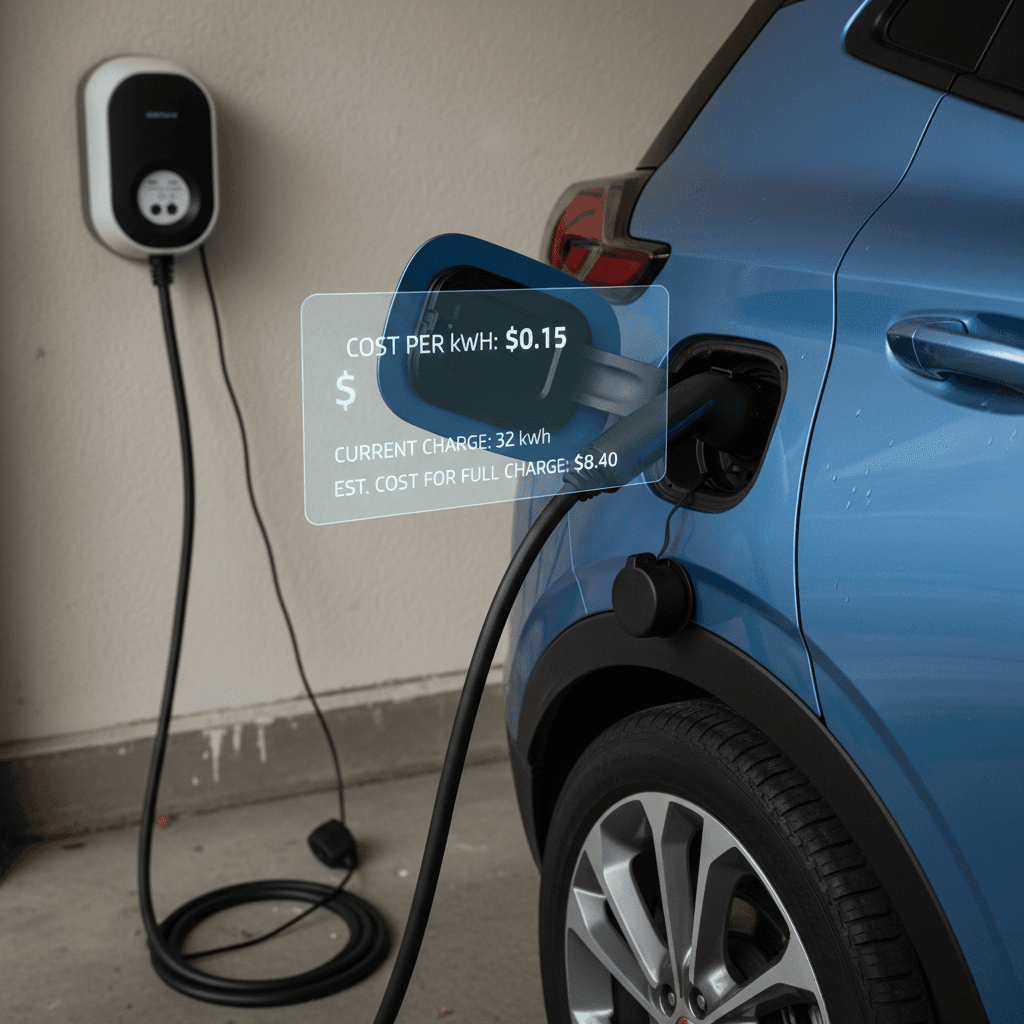
How battery health affects cost per mile
Even a Bolt EUV that has lost some range will generally have similar energy efficiency to a newer one on a miles-per-kWh basis. That means electricity cost per mile doesn’t usually change dramatically as the car ages.
Where degradation does matter is how often you need to charge and whether the remaining range still fits your daily life. A shorter usable range might push you toward more frequent DC fast charging on road trips, which can raise your average cost per mile.
Why a battery health report matters
On the used market, two Bolt EUVs with the same odometer reading can have very different battery histories. That’s why a verified battery health report is worth its weight in kilowatt-hours.
Every used EV sold through Recharged includes a Recharged Score Report with battery diagnostics, so you can see how your future range and running costs might look, before you ever sign paperwork.
How Recharged can help
Ready to find your next EV?
Browse VehiclesChevrolet Bolt EUV cost per mile: FAQ
Frequently asked questions about Bolt EUV cost per mile
Key takeaways for Bolt EUV shoppers
When you break it down, the Chevrolet Bolt EUV cost per mile to drive is one of its strongest selling points. On home charging in much of the U.S., you’re typically looking at a nickel per mile or less in electricity, compared with 12–20 cents per mile in fuel for many gasoline SUVs. Even if you travel enough to use public fast charging, the Bolt EUV tends to stay competitive on energy costs.
The smartest move is to plug your own numbers into the simple formula: electricity price per kWh divided by your observed mi/kWh. Then step back and look at total cost of ownership, including maintenance, tires, and insurance. If you’re shopping used, pairing that math with a verified battery health report, like the Recharged Score you get when you buy through Recharged, can give you a very clear picture of what each mile in a Bolt EUV will really cost you over the years.