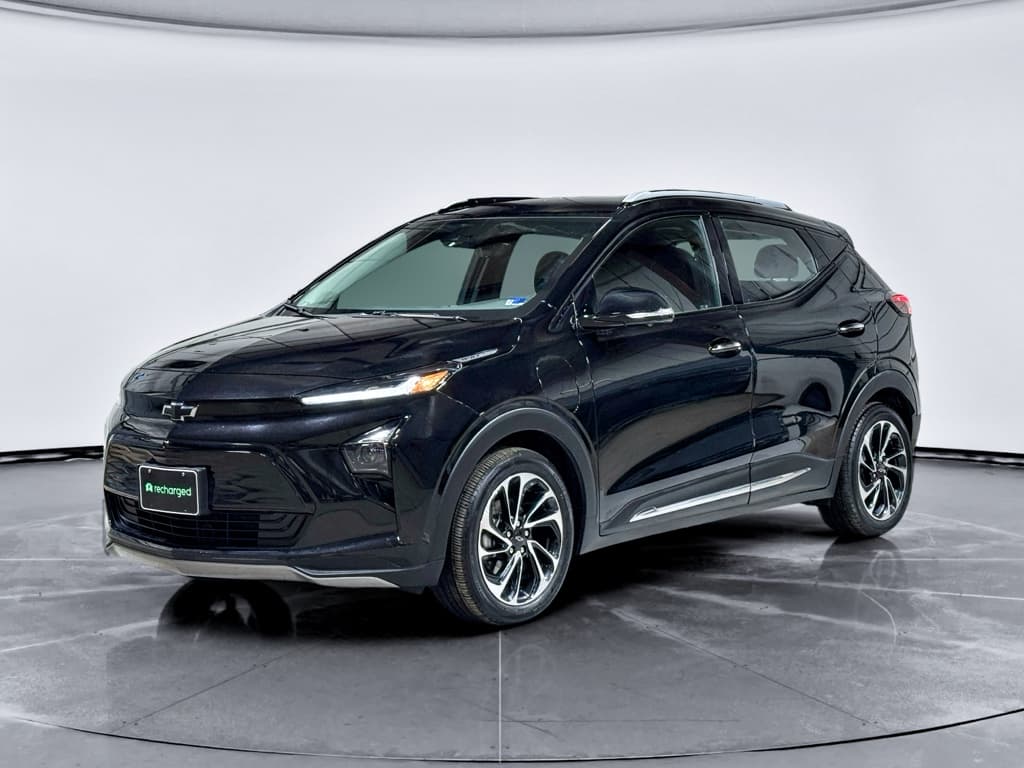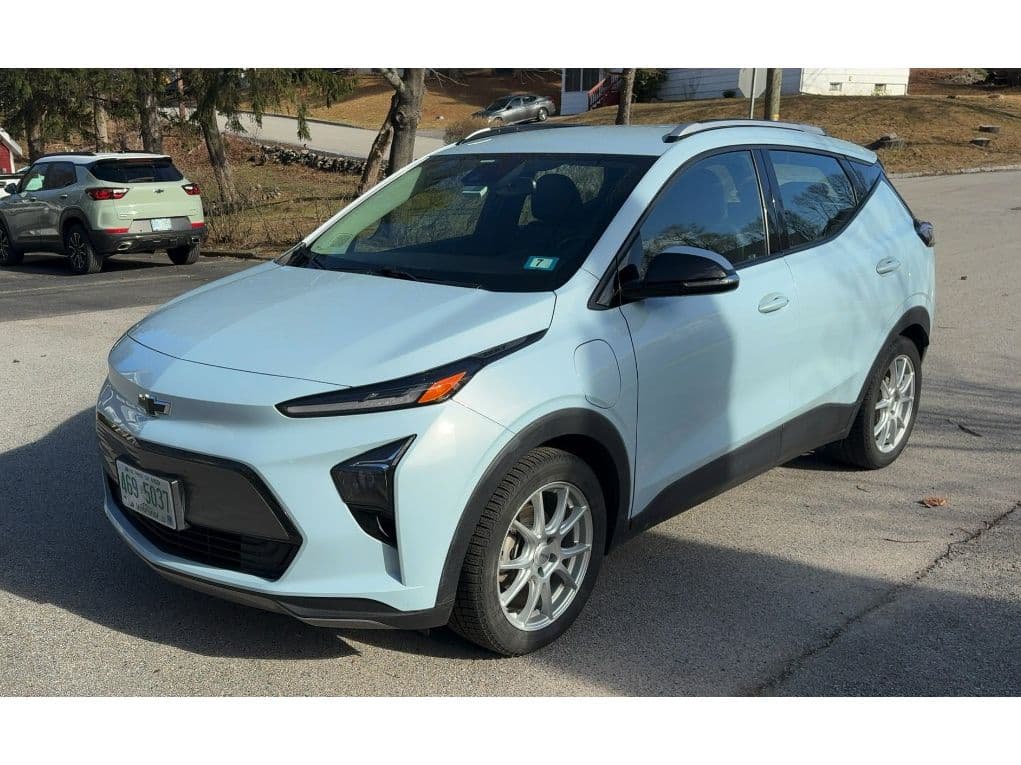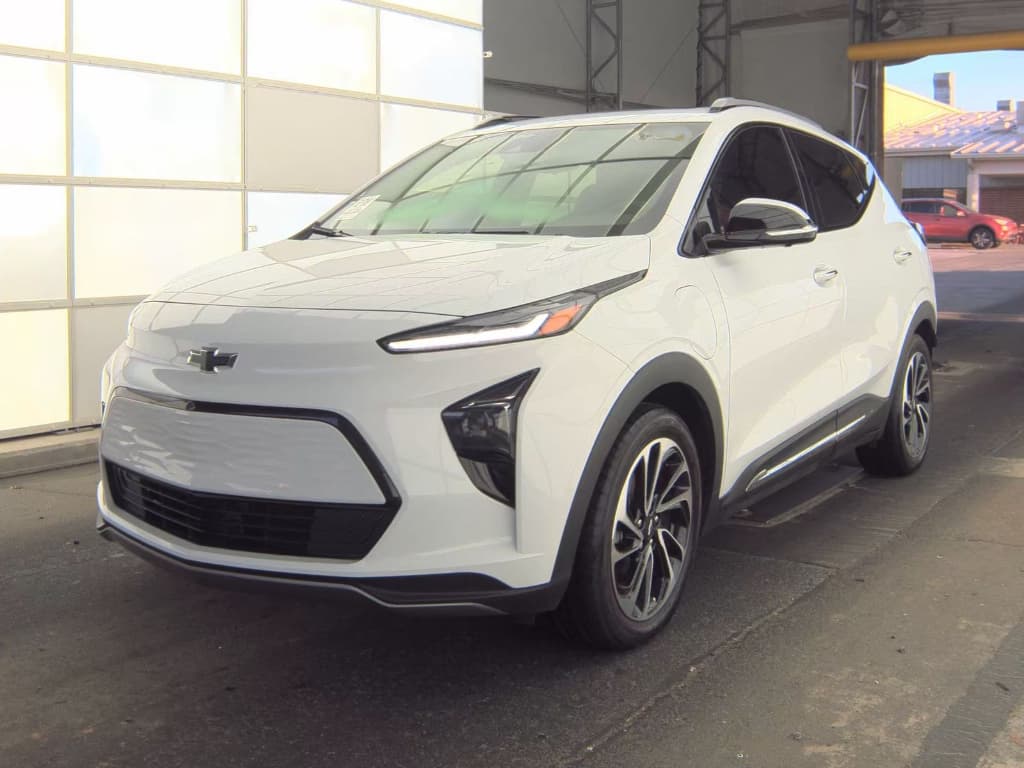
By 2026, the Chevrolet Bolt EUV has become the patron saint of affordable EVs. It’s also carrying some baggage, most infamously a battery‑fire recall that splashed across headlines and a long tail of owner anecdotes about charging gremlins and infotainment weirdness. If you’re eyeing a used Bolt EUV this year, you’re probably asking the right question: what are the Chevrolet Bolt EUV common problems in 2026, and how do I avoid a bad one?
Model years covered here
Chevrolet Bolt EUV in 2026: Two Generations, Two Problem Sets
To understand Bolt EUV problems in 2026, you need to distinguish between first‑generation and next‑generation vehicles:
- 2022–2023 Bolt EUV (first gen): Built on GM’s BEV2 platform with LG‑supplied batteries. These are the cars behind the battery‑fire recall headlines and most of the owner complaint data you’ll find today.
- Upcoming Ultium‑based Bolt EUV (mid‑2026+): Announced as a return of the Bolt name on GM’s Ultium platform with NACS (Tesla‑style) charging. Until there’s real fleet mileage on these, most “common problems” discussions are about the 2022–2023 crowd.
That first‑gen Bolt EUV is also where the value is in 2026: used prices are relatively low, range is still competitive, and the powertrain is simple. The tradeoff is that you’re buying into a car with a very public recall history and a few recurring annoyances. Let’s walk through those, system by system, and separate internet drama from issues that actually cost money.
Bolt EUV Problem Snapshot (Original 2022–2023 Models)
Legacy Battery Fire Recall: What Still Matters in 2026
The single biggest story in Bolt EUV history is the lithium‑ion battery fire recall. GM ultimately extended the recall to cover every Bolt EV and EUV built through the 2022 model year. Defective cells could develop internal damage under rare conditions, raising fire risk while parked or charging.
- Most affected cars received full battery pack replacements or module replacements under recall.
- Updated battery‑management software now monitors for early signs of cell issues and can limit usable capacity or set a charge cap if it detects a problem.
- 2023 Bolt EUV packs were built after GM and LG changed their manufacturing process; so far there have been no widespread 2023‑only fire recalls. There are, however, scattered cases of individual 2023 packs being replaced under warranty for performance anomalies.
Don’t skip the recall status check
In 2026, the recall legacy matters less as a fire hazard and more as a paper trail. A car with a documented replacement pack and clean diagnostics can actually be a better buy than an untouched early pack, the hardware is newer, and the warranty clock often restarted when the new pack went in.
Real-World Battery Health & Degradation Issues
Once you get past the recall headlines, the day‑to‑day story on Bolt EUV batteries is relatively calm. Owners who drive 10,000–15,000 miles a year, charge mostly on Level 2, and avoid constant 0–100% swings typically report modest, boring degradation: the kind you forget about in traffic.
- Early BMS “learning” loss: Many owners see an apparent 2–5% range drop in the first year as the battery‑management system (BMS) calibrates. It often stabilizes after several charge cycles.
- Slow, steady capacity fade: After calibration, real‑world reports around 50,000–80,000 miles suggest single‑digit percentage loss if the car hasn’t been fast‑charged hard or overheated routinely.
- False alarms vs real failures: Some 2022–2023 Bolt EUVs have thrown battery diagnostic codes that led to pack or module replacement, sometimes later traced to overly conservative software. The important thing for a used buyer is whether the car now has a clean bill of health, not how dramatic the forum thread sounded at the time.
How to sanity‑check a Bolt EUV battery
Signs of a healthy Bolt EUV pack
- Displayed range at 100% that’s reasonably close to new, adjusted for climate and driving style.
- No recent “reduced propulsion” or “service high‑voltage charging system” warnings.
- Smooth fast‑charging curve (even if it tops out at Bolt’s modest speeds).
- Service records showing recall work and software updates completed.
Battery red flags to investigate
- Sudden, large range loss over a few weeks.
- Repeated shut‑downs, no‑charge situations, or limp‑mode events.
- Owner paperwork showing repeated high‑voltage battery or charging‑module replacements.
- Seller unwilling to share recall or service history.
Common Charging Problems: Home, DC Fast, and Public Stations
The Bolt EUV’s charging story is a mix of hardware limits and software fussiness. None of this is unique in EV land, but if you live on road trips and DC chargers, you’ll feel it more than a Tesla driver will.
Typical Bolt EUV Charging Complaints
Most are solvable with good habits and a bit of troubleshooting
Slow DC fast‑charging
The Bolt EUV tops out around the mid‑50 kW range on DC fast‑charging, far behind newer EVs. That’s a design limitation, not a defect, but frustrated owners often describe it as a “problem” because it stretches highway stop times.
Won’t start charging
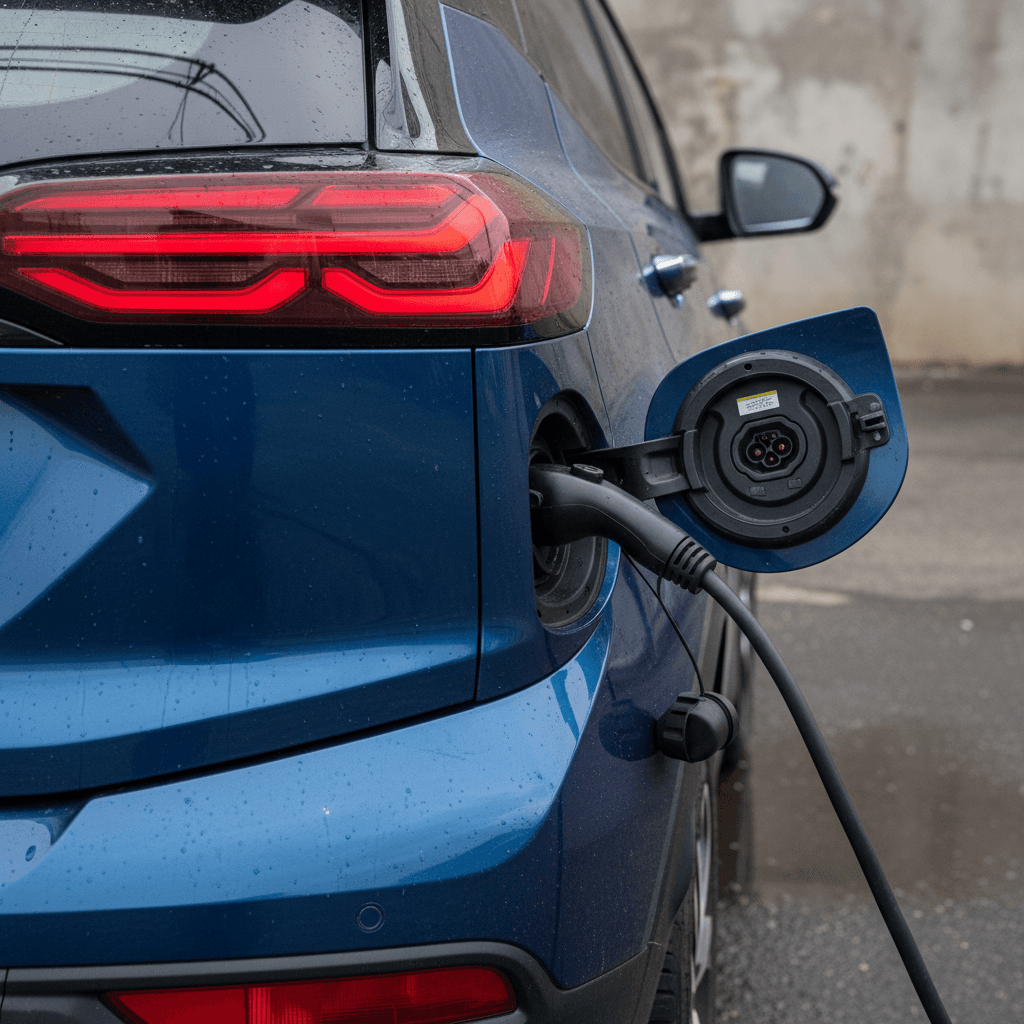
Some owners report plug‑in/no‑charge issues at public stations. Causes range from faulty stations and bad cables to fussy communication between the car and older CCS hardware. Often, a different stall or connector solves it.
“Service charging system” warnings
On a subset of cars, onboard charging modules or charge‑port components have failed, leading to warnings and no‑charge situations. These cases are relatively rare but expensive out of warranty, so confirm repairs and remaining coverage.
Remember: station issues aren’t always car issues
Charging Checklist for Bolt EUV Shoppers
1. Test Level 2 charging
On a test drive, plug into a known‑good Level 2 charger and confirm the car starts charging immediately, shows expected power, and doesn’t throw warnings.
2. Inspect the charge port
Look for bent pins, corrosion, broken dust caps, or signs of amateur repairs around the charge port door and harness.
3. Ask about DC fast‑charge history
Heavy DC‑fast use isn’t necessarily a dealbreaker, but you want to see that the car hasn’t lived its whole life in 0–100% fast‑charge cycles.
4. Confirm charging‑system TSBs
Ask if any technical service bulletins (TSBs) related to onboard chargers or charge‑port hardware have been performed. A Chevy dealer can pull this; Recharged includes it in the vehicle’s digital file when available.
Software, Infotainment, and Driver-Assist Quirks
If the battery recall was the Bolt EUV’s headline act, the software stack is the recurring side character, occasionally charming, sometimes moody, never boring. Owner complaint databases and forums consistently highlight a few themes:
- Random infotainment freezes: The center screen occasionally locks up, lags, or reboots. Often fixed with a hard reset or over‑the‑air update, but irritating on a long drive.
- Bluetooth and CarPlay/Android Auto hiccups: Dropped connections, slow phone pairing, or apps freezing. Common across many brands, but Bolt EUV owners aren’t exempt.
- Glitchy driver‑assist alerts: Lane‑keeping assist and following‑distance alerts can be overeager, especially in poor lane markings. It’s more of a calibration annoyance than a systemic failure.
- Phantom warnings after software updates: Some owners report that new software revs briefly trigger strange messages, “reduced propulsion,” “service soon”, that disappear after the next reboot or patch.
Easy software triage before you buy
Build Quality, Noise, and Everyday Annoyances
The Bolt EUV is not a luxury car. It was designed to be the Chevy Sonic of EVs: honest plastic, sensible cloth, and just enough chrome to keep the brochure folks awake. That shows up in the problems owners talk about most often, which are less catastrophic failure and more daily living grievances.
“Little Stuff” That Adds Up Over Time
None of these are dealbreakers, but they do separate a great used Bolt from a merely okay one
Interior rattles & squeaks
As miles accumulate, some Bolt EUVs develop squeaks from door panels, the cargo area, or plastic trim. It’s par for the segment, but still worth listening for on a rough‑road test drive.
Road & wind noise
The cabin can be noisy on the highway compared with newer, more expensive EVs. Tire choice matters a lot, worn or cheap replacement tires can make the car feel harsher and louder than it needs to.
Seat comfort complaints
Some drivers simply don’t get along with the Bolt’s front seats, complaining of narrow cushions or pressure points on long trips. This isn’t a “problem” in the warranty sense, but it’s a genuine quality‑of‑life issue.
Trim creaks and wind noise don’t show up in recall databases, but they absolutely show up in your ownership experience. The best way to screen for these is the old‑school method: drive the car on a genuinely bad road, turn the radio off, and listen.
Recalls, TSBs, and Warranty Landscape in 2026
By April 2026, the Bolt EUV recall landscape has settled into a familiar pattern: a massive historic battery recall on earlier model years, a handful of smaller hardware and software campaigns, and an evolving set of technical service bulletins (TSBs) aimed at smoothing out the rough edges.
Key Bolt EV/EUV Recall Themes Relevant in 2026
Always run a fresh VIN check; this table is a high‑level map, not a substitute for official data.
| Issue type | Typical affected years | What it addressed | What to verify on a used car |
|---|---|---|---|
| High‑voltage battery safety | 2017–2022 | Defective cells/modules that could overheat and, in rare cases, cause fires. | Pack or module replacement completed, latest BMS software installed. |
| Battery monitoring software updates | 2017–2022 (+ some 2023 cases) | More conservative algorithms to catch abnormal behavior and reduce false negatives. | Car is on the latest calibration; no active limitations on charge level or power. |
| Charging system/charge port hardware | Select 2022–2023 | Onboard charger control modules or connectors that could trigger “service charging system” messages. | Repairs documented, no repeated failures, charge functions normal on test. |
| Airbags & seat sensors (general GM campaigns) | Scattered years | Occupant detection or airbag‑related software or hardware issues, not Bolt‑specific but potentially applicable. | Airbag light off, recall status clean, no DIY tampering with seats or wiring. |
For a specific vehicle, confirm recall and campaign status through Chevrolet or a trusted marketplace like Recharged that does it for you.
Warranty can be your safety net
Ready to find your next EV?
Browse VehiclesHow to Shop a Used Bolt EUV Safely in 2026
So how do you turn all this problem‑spotting into a good purchase in 2026? Think like an EV engineer and a used‑car skeptic at the same time. You’re not just looking for a cheap sticker; you’re looking for a stable electrical ecosystem on wheels.
Used Chevrolet Bolt EUV Pre‑Purchase Checklist (2026)
1. Run the VIN for recalls & campaigns
Use GM’s recall lookup or ask a Chevy dealer to print the service history. You want confirmation of battery‑recall work (for earlier cars), software updates, and any charging‑system repairs.
2. Get a real battery‑health assessment
A simple full‑charge range screenshot only tells part of the story. Whenever possible, use a professional diagnostic like the <strong>Recharged Score battery report</strong> that looks at usable capacity, error codes, and thermal behavior.
3. Test both Level 2 and DC charging
If you can, plug into a Level 2 charger and a DC fast charger during your evaluation. Confirm that both sessions start cleanly, stay stable, and deliver expected power for a Bolt EUV.
4. Drive at highway speed on rough pavement
Listen for rattles, wind rush, and suspension clunks. This is where cheap tires, worn bushings, and build‑quality quirks reveal themselves.
5. Stress‑test the infotainment
Pair your phone, use CarPlay/Android Auto, run navigation, and change screens rapidly. Watch for freezes or unexpected reboots that could hint at flaky hardware or outdated software.
6. Inspect tires and brakes for uneven wear
Irregular wear can signal alignment issues or a car that’s been driven hard. In an EV with regenerative braking like the Bolt, heavily worn front pads at low miles are a mild red flag.
7. Confirm remaining warranty
Ask explicitly about the battery and propulsion system coverage by date and mileage. A 2023 Bolt EUV in 2026 should have several years of propulsion warranty left.
Red Flags vs Quirks: When to Walk Away
Every used car has a personality. The trick with a Bolt EUV is deciding whether you’re meeting a slightly eccentric roommate or someone who has already set the kitchen on fire.
Quirks you can probably live with
- Occasional infotainment lag or a one‑off reboot that resolved with an update.
- Light interior rattles on very rough pavement.
- DC fast‑charging that feels slow compared with newer EVs (this is by design).
- Minor cosmetic imperfections and wheel rash typical of city use.
Red flags worth walking away from
- Repeated “reduced propulsion,” “service high‑voltage charging system,” or no‑start events in the recent history.
- Multiple high‑voltage battery or charging‑module replacements with no clear resolution.
- Seller can’t document recall completion or major warranty repairs.
- Charging failures at multiple different stations during your test, especially if they’re known‑good chargers.
Don’t buy someone else’s science experiment
Chevrolet Bolt EUV Common Problems: FAQ
Bolt EUV Reliability & Problems in 2026 – Frequently Asked Questions
The Chevrolet Bolt EUV’s rap sheet looks scarier on Google than it does in a well‑lit service bay. In 2026, the truly dangerous chapter, the defective early battery packs, has been largely written, recalled, and replaced. What you’re left with is an honest, efficient EV with slow DC charging, some infotainment mood swings, and the usual economy‑car rattles. If you screen carefully for battery health, charging‑system stability, and recall completion, a used Bolt EUV can be less a cautionary tale and more a clever way into EV ownership. And if you’d rather spend your weekends driving than decoding service bulletins, letting a specialist like Recharged do that homework for you is part of the smart‑EV‑ownership equation.