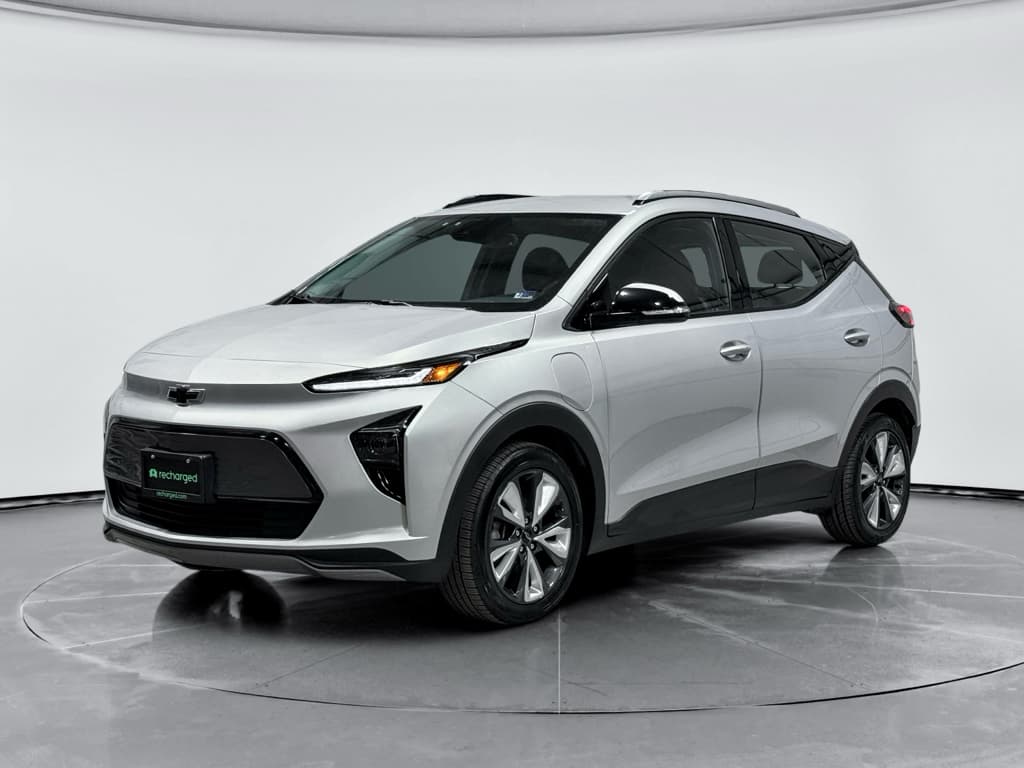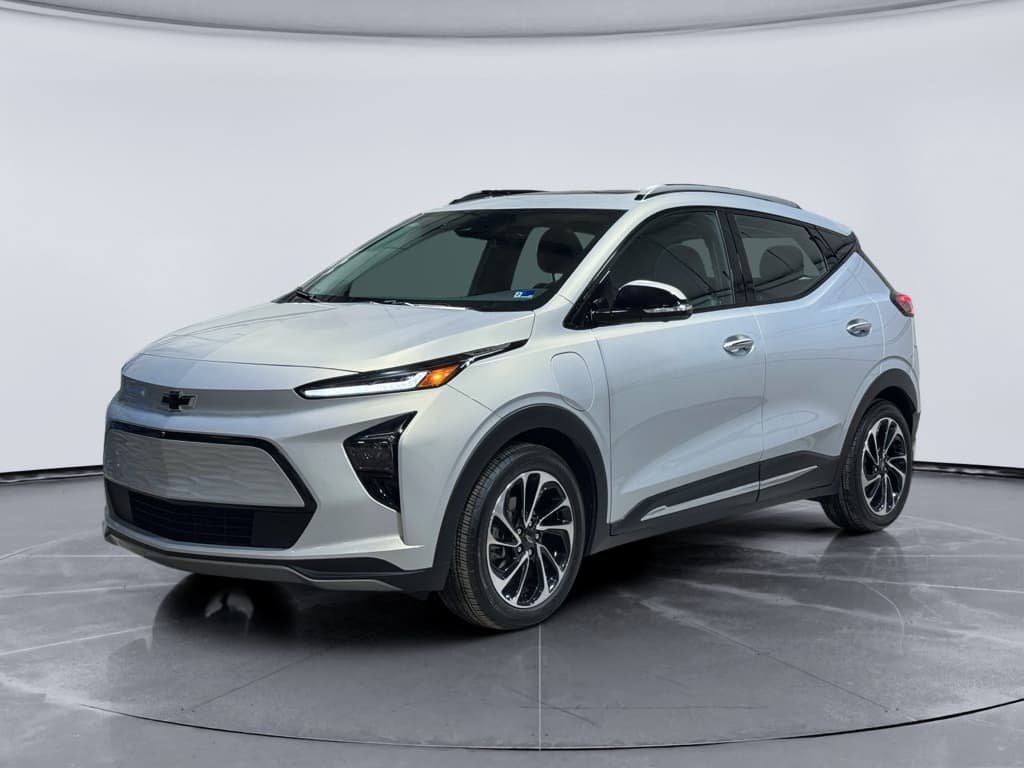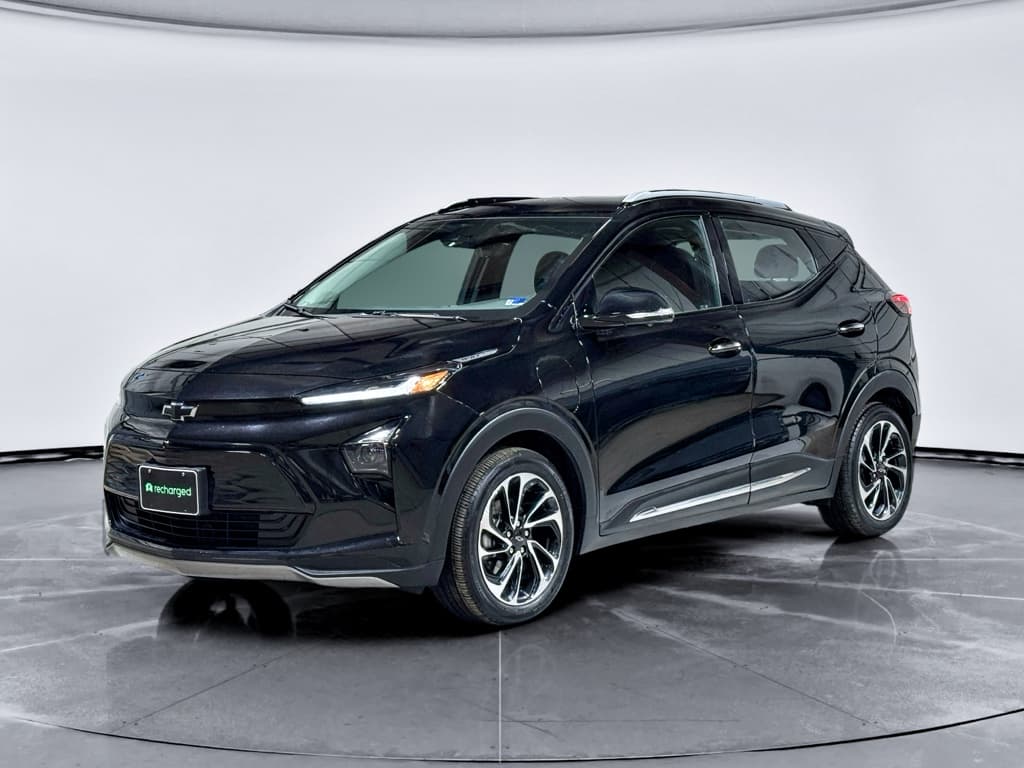
If you’re driving, or thinking about buying, a Chevrolet Bolt EUV, you’re smart to ask about battery degradation per year. The high-voltage pack is the single most valuable component in the car, and how quickly it loses capacity will determine your real-world range and long‑term ownership costs.
Quick take
Chevrolet Bolt EUV battery degradation per year: the big picture
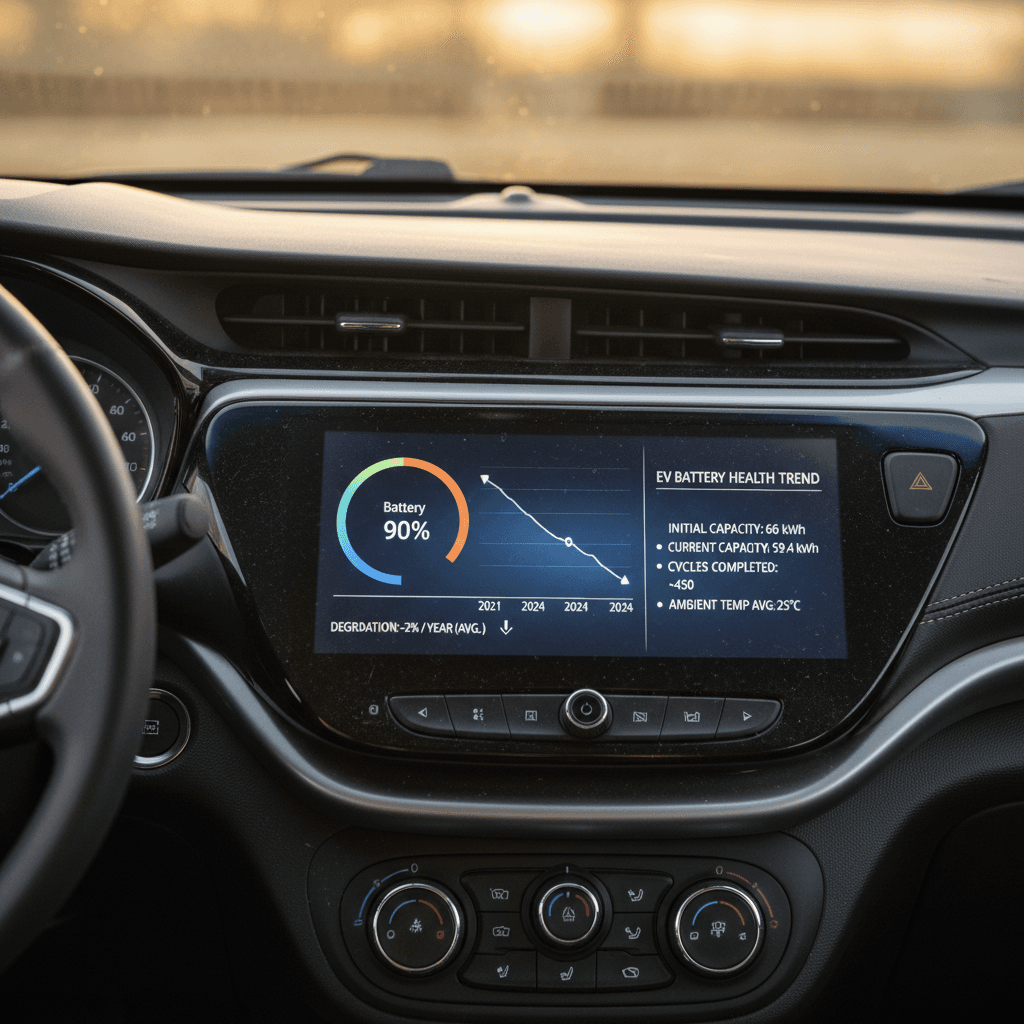
The Bolt EUV uses a liquid‑cooled lithium‑ion battery pack around 65 kWh gross (about 61–64 kWh typically usable) and an EPA‑rated range of 247 miles for 2022–2023 Bolt EUVs. Like any lithium‑ion battery, it slowly loses usable capacity as it ages, but real‑world data from owners, fleets, and engineering studies suggests that modern packs like this hold up better than many shoppers fear.
Bolt EUV battery life in real terms
When you see owners reporting “5–8% loss at 30,000–40,000 miles,” what you’re really looking at is a combination of early‑life settling (a small but noticeable initial drop is normal), BMS calibration quirks, and their individual charging and climate patterns. That’s why it’s more accurate to think in terms of multi‑year averages and real‑world range, not a rigid percent per calendar year.
How much Chevrolet Bolt EUV battery degradation per year is normal?
No manufacturer publishes an official "degradation per year" chart for the Bolt EUV. But based on owner data, EV fleet experience, and how liquid‑cooled packs behave in other modern EVs, you can build a reasonable expectation curve.
Typical Chevrolet Bolt EUV battery degradation over time
These are ballpark ranges for a well‑cared‑for Bolt EUV battery used in a moderate climate. Individual cars can land above or below these ranges.
| Age / Mileage | Expected loss vs. new | What it feels like in range | Notes |
|---|---|---|---|
| Year 1–2 or ~0–25,000 miles | 3–5% total | ~10–15 miles off original EPA range | Small early drop as the pack "settles" is typical. |
| Year 3–5 or ~25,000–60,000 miles | 5–8% total | ~15–25 miles off original range | Degradation rate usually slows; many owners barely notice change year‑to‑year. |
| Year 6–8 or ~60,000–100,000 miles | 8–12% total | ~25–35 miles off original range | Well‑cared‑for packs often stay in this band through the warranty window. |
| Beyond 8 years or 100,000+ miles | 10–20%+ total | ~25–50+ miles off original range | Greater spread here, climate and charging habits matter more over the long haul. |
Approximate Bolt EUV degradation is front‑loaded: more in the first few years, then slower thereafter.
Not a guaranteed schedule
Put differently, if you’re seeing something close to 1–2% loss per year averaged over the first 8 years, you’re squarely in the normal band for a modern, liquid‑cooled pack. A car that has lost 8–10% by 100,000 miles may still be doing just fine. The red flags are rapid changes, say, going from "seems fine" to "I suddenly lost 15–20%" in a year, or capacity well outside what peers are reporting for similar mileage and climate.
What actually wears out a Bolt EUV battery?
As with other EVs, the Bolt EUV’s pack doesn’t age on a neat calendar schedule. It responds to how you use it. In simple terms, the battery ages faster when it’s very hot, very full, very empty, or pushed very hard, especially when more than one of those is true at the same time.
Major drivers of Bolt EUV battery degradation
You can’t control everything, but you can control a lot.
High temperatures
Heat is the #1 enemy of lithium‑ion batteries.
- Regularly parking outside in extreme heat accelerates aging.
- Long DC fast‑charge sessions in hot weather add extra stress.
- Garage storage and shade help keep temps down.
State of charge & fast charging
Spending lots of time at the extremes speeds wear.
- Living at 100% charge day after day is harder on the pack.
- Running down to near‑0% frequently isn’t ideal either.
- Occasional DC fast charging is fine; making it your daily habit, especially to 100%, isn’t.
Miles & usage patterns
Total miles matter, but how you add them matters more.
- Lots of highway miles at moderate speeds are fairly gentle.
- Constant heavy acceleration and high‑speed driving add heat.
- Calendar time alone causes some aging even on low‑mile cars.
A gentle life pays off
Model years, recall batteries, and warranty coverage
Understanding which battery a particular Bolt EUV carries, and how it’s covered, matters just as much as the average degradation curve.
- Most Bolt EUV models sold in the U.S. carry an 8‑year / 100,000‑mile high‑voltage battery warranty from the in‑service date. In some states with stricter emissions rules, coverage for certain components may extend to 10 years / 150,000 miles, always confirm in the actual warranty booklet for that VIN.
- The widely publicized battery recall covered all 2017–2022 Bolt EV and EUV models. Many 2022 Bolt EUVs, and some early 2023s, received a full pack replacement. That can reset the effective "age" of the battery even if the vehicle itself is a few years old.
- A replacement Bolt EUV pack typically comes with its own 8‑year/100,000‑mile warranty window starting at the date of installation, not when the car was first sold. That can be a huge value‑add on the used market.
Why recall batteries are often a plus
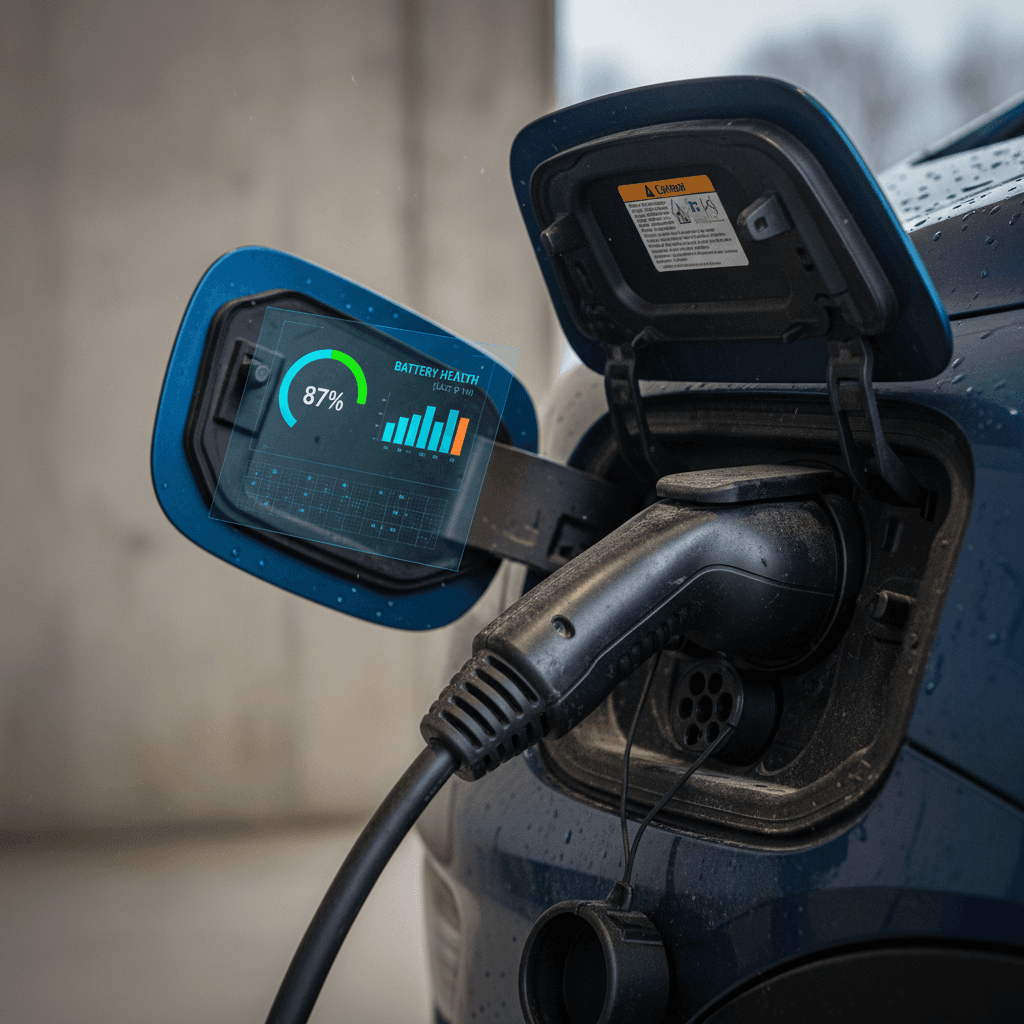
On Recharged, every used Bolt EUV listing includes a Recharged Score battery health report, and our team verifies recall status and remaining warranty coverage so you’re not guessing what’s under the floor.
How to estimate your Bolt EUV’s battery health at home
The Bolt EUV doesn’t show battery state of health (SOH) as a simple percentage on the dash. But you can still get a decent sense of degradation using tools you already have, and, if you want to go deeper, inexpensive add‑ons.
Simple ways to gauge Bolt EUV battery degradation
1. Compare real range to EPA rating
Fully charge the car, reset a trip meter, then drive normally down to roughly 10–20% state of charge. Note how many miles you drove and how much battery you used. If you used 80% of the pack to go 180 miles, that points to roughly 225 miles on a full charge, maybe ~9% off the original 247‑mile EPA rating. This isn’t lab‑grade, but it’s a useful sanity check.
2. Repeat in different seasons
Cold weather can temporarily slash range far more than long‑term degradation. Running the same rough test once in the summer and once in the winter will show you how much of your range loss is <strong>climate and driving conditions</strong> versus the pack itself.
3. Watch energy use over time
Pay attention to the Bolt EUV’s kWh/100 mi (or mi/kWh) readout. If your driving style and routes haven’t changed much but it’s taking more energy to cover the same trips year‑over‑year, that can hint at some degradation (or, sometimes, tire and alignment issues).
4. Use an OBD-II dongle and app (optional)
Some owners plug a Bluetooth OBD‑II adapter into the diagnostic port and use third‑party apps to read estimated pack capacity in kWh. These tools can be helpful, but they’re only as good as the BMS data and the app’s math, expect them to be in the right ballpark, not gospel truth.
5. Look for sudden changes
Gradual loss is normal. A <strong>rapid</strong> drop, say, the car suddenly seems to have 15–20% less usable range in a few months, or your DC fast‑charge speeds fall off a cliff, deserves attention. That’s the kind of scenario where a dealer visit or independent battery diagnostic makes sense.
How Recharged measures battery health
Buying a used Chevrolet Bolt EUV: battery-focused checklist
If you’re cross‑shopping two used Bolt EUVs, the one with the healthier pack will generally be the better long‑term value, even if its odometer is a bit higher. Here’s how to stack the deck in your favor.
Battery questions to ask before you buy
1. Has the recall battery work been done?
Ask for documentation of any <strong>recall battery replacement</strong> or module repairs. A full pack replacement with a later installation date can effectively reset the aging clock and warranty window.
2. What’s the in-service date and remaining warranty?
Look up when the vehicle first went into service and calculate how much of the <strong>8‑year/100,000‑mile battery warranty</strong> remains. In California and some other states, certain Bolt EUVs may carry extended coverage, check the VIN‑specific warranty data, not just the model year.
3. How and where was the car used?
A Bolt EUV that lived in Phoenix, did rideshare duty, and DC‑fast‑charged daily has had a much tougher life than one that commuted gently in Seattle on home Level 2. Ask the seller about typical usage, charging habits, and where the car spent most of its time.
4. How does real-world range compare to new?
On a test drive, fully charge the car (or get it near full), note the indicated range, and compare it to the original EPA 247‑mile rating. A realistic displayed range in the 210–230‑mile ballpark on a mild day is usually a sign of <strong>modest, normal degradation</strong>.
5. Any error messages or charging issues?
Warnings like “propulsion power reduced,” chronic trouble initiating charges, or suddenly slower DC fast‑charging speeds can signal deeper battery or thermal‑management issues. Those warrant a professional inspection before you buy.
6. Is there a third-party battery health report?
Listings on Recharged include a <strong>Recharged Score battery report</strong> so you can compare Bolt EUVs side‑by‑side on more than just price and miles. If you’re shopping elsewhere, consider having a trusted EV shop perform a pre‑purchase inspection with a focus on the pack.
How to slow battery degradation in a Bolt EUV
You can’t stop chemistry, but you can absolutely nudge it in your favor. Small, consistent habits can shave meaningful points off long‑term degradation and help your Bolt EUV’s pack age gracefully.
Everyday habits that protect your Bolt EUV’s battery
None of these require babying the car, they’re just smart defaults.
Use home Level 2 as your default
Whenever possible, let a Level 2 home charger handle the bulk of your charging:
- Level 2 is gentle on the pack compared with frequent DC fast charging.
- Overnight charging lets the battery cool between sessions.
- It’s usually cheaper than paying for public fast charging.
If you don’t have home charging yet, consider installing it or explore 240‑V options with your electrician.
Avoid living at 100%
It’s fine to charge to 100% for road trips. Just avoid parking at 100% for days on end in hot weather.
- For daily commuting, targeting ~40–80% is a good rule of thumb.
- Use charge scheduling to finish charging just before departure when you need a full pack.
Keep the car cool
High temperatures accelerate chemical aging.
- Whenever you can, park in a garage or shade.
- In blazing summers, don’t leave the car fully charged on a hot asphalt lot all weekend.
Be thoughtful with DC fast charging
DC fast charging is there to be used, especially on trips, but:
- Try not to fast‑charge from very low (under ~10%) to 100% every other day.
- On road trips, stopping around 70–80% often saves time and is easier on the pack.
What accelerates wear the most?
When is Bolt EUV battery degradation a real problem?
Some degree of degradation is baked into EV ownership; the question is whether it actually changes how you can use the car. In a Bolt EUV, the line between “normal aging” and “problem” is more about range and reliability than hitting a certain percentage on a chart.
Signs of normal aging
- Gradual loss of ~1–2% capacity per year.
- Car still easily covers your daily routes with buffer.
- DC fast‑charge speeds are reasonably close to what they were new.
- No high‑voltage battery warnings or propulsion errors.
In this scenario, you’re seeing exactly what most engineers designed for.
Signs to investigate
- Sudden range drop of 15–20% in a short time without a clear cause.
- Car struggles to reach highway trips it used to handle comfortably.
- DC fast‑charging maxes out at very low power even at low state of charge.
- Frequent error messages about the propulsion system or battery.
This is when a dealer visit or independent EV diagnostic, and possibly a warranty claim, comes into play.
Thinking about resale
Chevrolet Bolt EUV battery degradation FAQ
Common questions about Bolt EUV battery life
The bottom line on Bolt EUV battery degradation per year
When you cut through the forum anecdotes and worst‑case headlines, Chevrolet Bolt EUV battery degradation per year is usually modest and manageable. Most owners will see a small early dip followed by a long, flat middle period, landing around 8–12% loss by the time the 8‑year/100,000‑mile warranty runs out, assuming the car isn’t abused in extreme heat or fast‑charged daily.
If you’re shopping used, focus less on the odometer and more on battery health, usage history, and remaining warranty. A Bolt EUV with a newer recall pack, documented gentle use, and strong real‑world range can be a terrific long‑term EV value.
Recharged was built to make that evaluation simple. Every Chevrolet Bolt EUV on our marketplace includes a Recharged Score Report with verified battery health, transparent pricing, and EV‑specialist guidance from test drive to delivery. That way, you can enjoy the instant torque and low running costs of a Bolt EUV, without losing sleep over what the battery might look like eight winters from now.