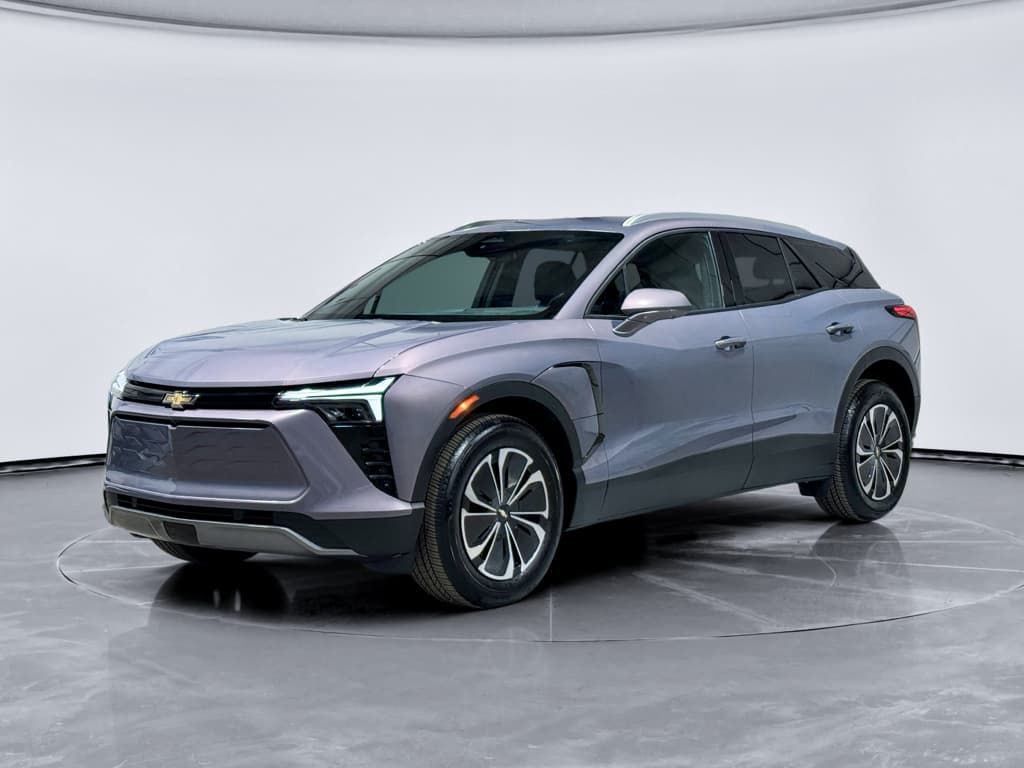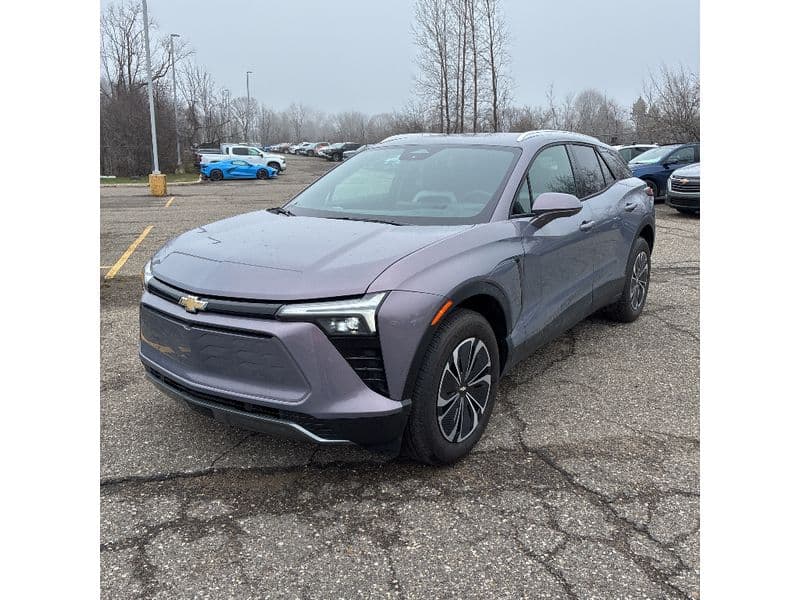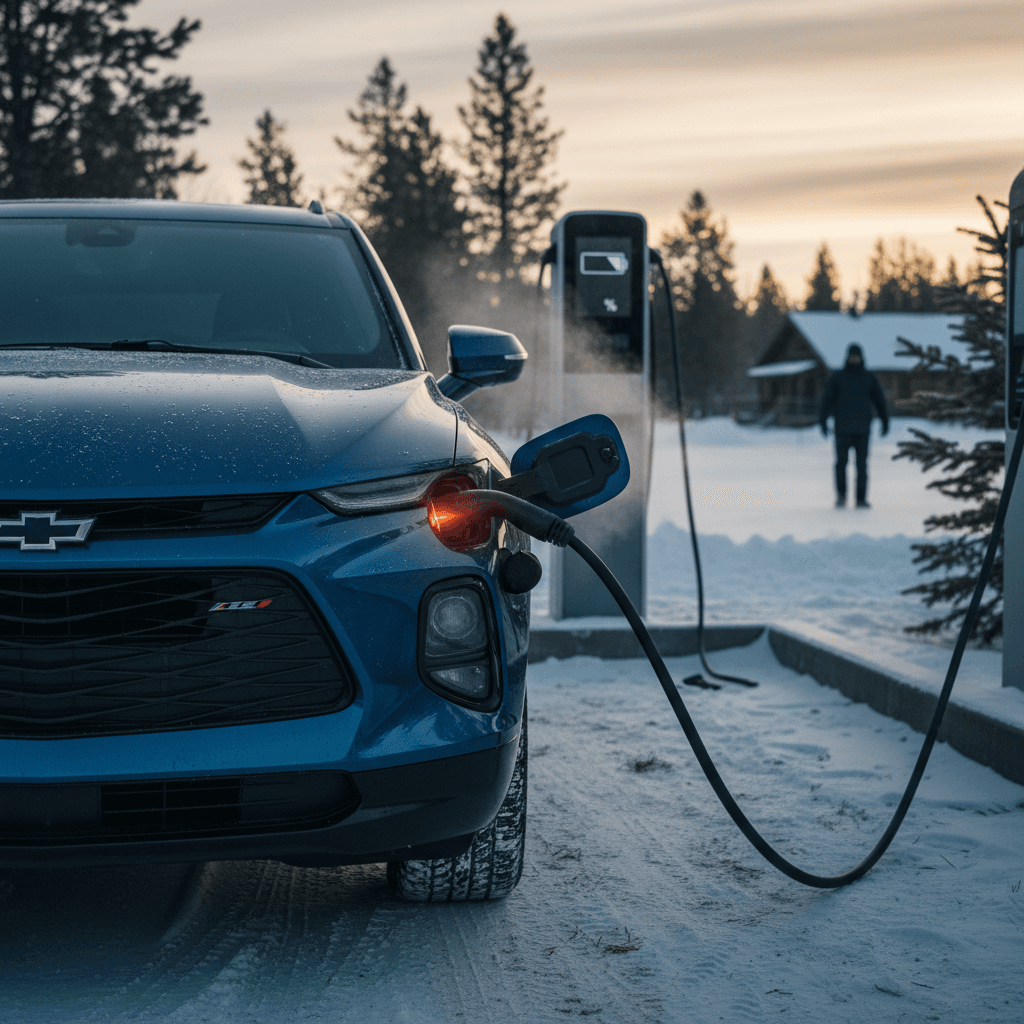
If you’ve driven a Chevrolet Blazer EV through a real winter, you already know the number on the window sticker doesn’t tell the whole story. Owners quickly learn that Chevrolet Blazer EV winter range loss percentage can jump into the double digits as temperatures drop, especially once you add highway speeds, snow tires, and a toasty cabin into the mix.
Quick answer
Blazer EV winter range loss at a glance
Chevrolet Blazer EV winter range snapshot
Those percentages can look scary on paper, but they line up with what we see across many modern crossovers on the Ultium platform and competing EVs in independent cold‑weather tests. The Blazer EV is neither the best nor the worst winter performer: it lands in the broad middle of the pack, with losses that are noticeable but manageable once you plan for them.
Why the Chevrolet Blazer EV loses range in winter
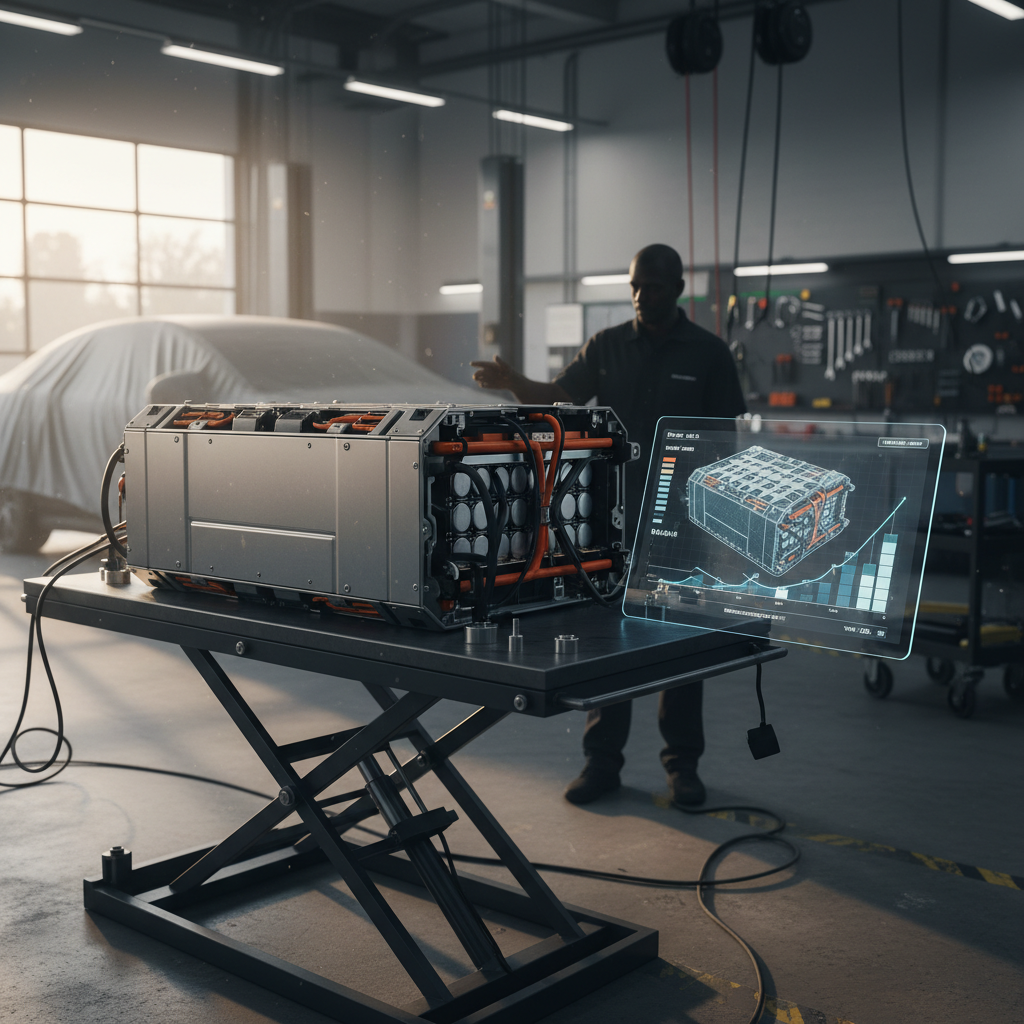
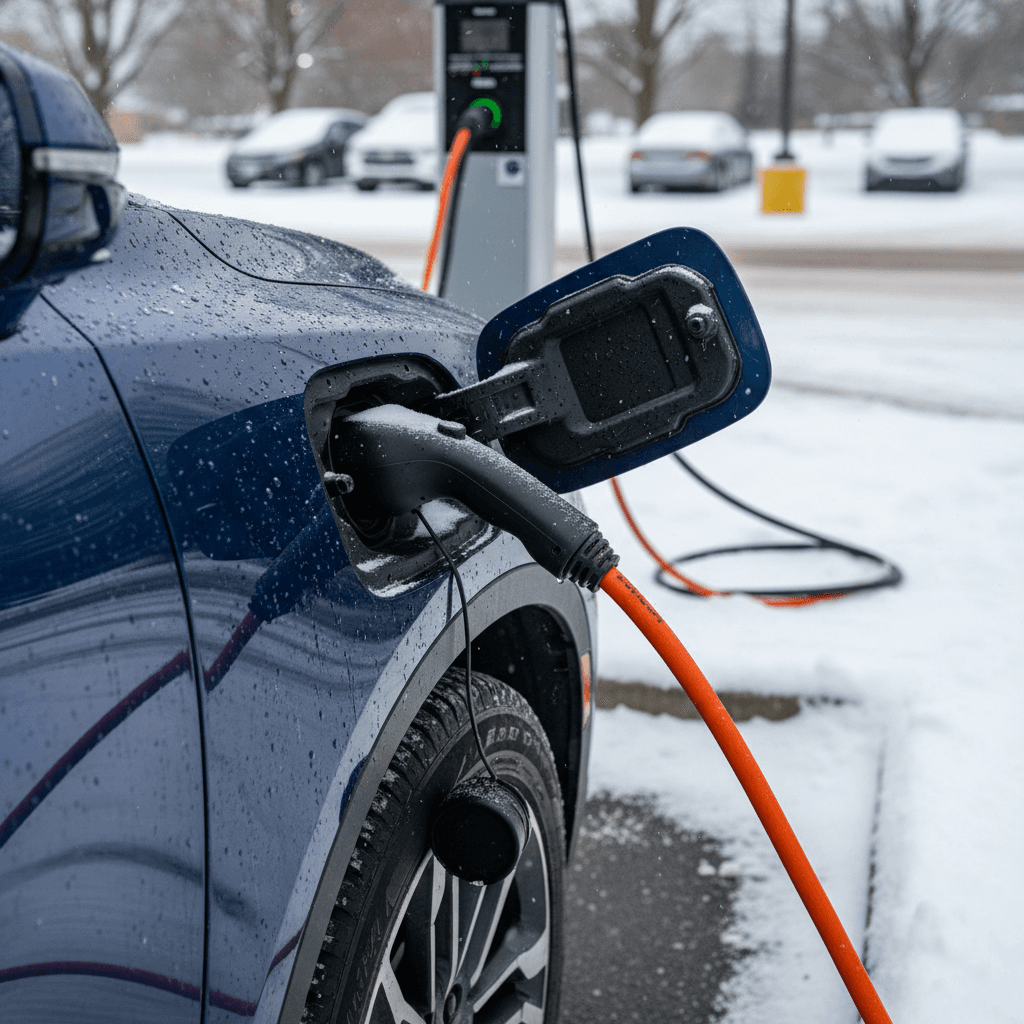
Cold‑weather range loss isn’t a Chevy problem; it’s a lithium‑ion battery physics problem. Your Blazer EV rides on GM’s Ultium platform, which adds smart thermal management and a heat‑pump‑based system to fight the cold, but it still has to play by the same rules as every other EV.
- Thicker cold air: Winter air is denser, which increases aerodynamic drag at highway speeds and eats into your miles per kWh.
- Cold battery chemistry: At low temperatures, the battery’s internal resistance rises. The pack can’t deliver energy as easily or accept charge as quickly, so you see fewer miles from the same state of charge.
- Cabin heating load: In an EV there’s no free "waste heat" from an engine. The Blazer EV’s climate system has to pull real energy from the pack to warm the cabin, seats, steering wheel, and sometimes the battery.
- Short trips hurt most: Warming a cold-soaked cabin and battery for a 5‑mile errand is terribly inefficient. You pay the warm‑up penalty again and again. On a single continuous freeway trip, losses usually shrink.
Ultium’s secret weapon
Real-world Chevrolet Blazer EV winter range loss percentages
EPA range numbers for the Blazer EV assume mild conditions, gentle driving, and no snow. In actual winter use, owners and testers across northern U.S. states and Canada are seeing patterns that cluster into a few common scenarios. Think of these as ballpark expectations, not hard promises, local weather, tires, and driving style still matter.
Chevrolet Blazer EV winter range loss by scenario
Approximate real‑world winter range loss percentages for common driving situations, based on owner reports and typical EV winter behavior.
| Scenario | Typical Conditions | Estimated Loss % vs EPA | What It Feels Like |
|---|---|---|---|
| Mild winter commute | 30–40°F, mix of city and suburban, heater set moderately | 15–25% | Your full charge shows roughly 75–85% of EPA range. |
| Cold mixed driving | 15–30°F, mix of city and highway, normal heater use | 25–35% | Display range is down a third; you may plan an extra charge stop on longer days. |
| Deep‑freeze highway run | Single digits to teens, 65–75 mph, wet roads, cabin toasty | 30–40% | Highway legs feel much shorter; you may stop one more time than in summer. |
| Short errands in deep cold | 0–20°F, multiple 5–10 mile trips from a cold start | 35–45% | Range plummets quickly; the car spends most of its energy heating itself rather than moving. |
Use these ranges as planning tools, not precise predictions. If your numbers land somewhere in these bands, your Blazer EV is likely working normally.
When to worry
6 factors that change your Blazer EV’s winter range
Two Blazer EVs on the same block can see different winter range loss percentages because real‑world driving is messy. These are the levers you actually control, and the ones that quietly tug your range number up or down.
Biggest drivers of winter range loss
You can’t control the weather, but you can manage its impact.
Starting temperature
Trip length
Cabin heat settings
Speed and driving style
Tires, snow, and rolling resistance
State of charge & regen
Easy win: precondition while plugged in
How the Blazer EV’s winter range compares to other EVs
If you’re coming from a Chevrolet Bolt, a Tesla, or another crossover EV, you’re probably wondering whether the Blazer EV is unusually bad, or unusually good, when the thermometer dives. The honest answer: it lands in the fat middle of the pack.
Compared with compact EVs (Bolt, Kona, etc.)
- Smaller, lighter EVs often post slightly better winter efficiency because they push less air and roll on narrower tires.
- However, many of those older designs rely more on resistive cabin heat, so their worst‑case loss can look similar to the Blazer EV’s.
- If you’re stepping up from a Bolt, expect winter loss percentages that feel familiar, just applied to a bigger, heavier vehicle.
Compared with other midsize crossovers
- Many midsize EV crossovers see roughly 25–40% loss in real winter, depending on climate and trip mix.
- The Blazer EV’s Ultium heat pump and energy‑recovery tricks help it avoid the very worst losses we’ve seen in some older, resistive‑heater–only models.
- It’s not class‑leading, but it’s competitive, especially on longer drives where the pack fully warms up.
Good news for used‑EV shoppers
Ready to find your next EV?
Browse VehiclesHow to plan trips around winter range loss
Knowing that your Blazer EV might give you only 70–80% of its rated range in mid‑winter doesn’t mean you need to park it until spring. It just changes how you plan. A few smart habits turn those percentages into predictable, low‑stress numbers.
Winter trip‑planning moves that work
1. Start with a conservative range assumption
For long winter drives, plan around <strong>65–75% of EPA range</strong>, especially if you’ll be cruising at interstate speeds in freezing temps. If you beat that, great, you’ve built in a buffer.
2. Favor DC fast chargers 60–100 miles apart
Instead of stretching to the last possible station, hop between chargers with 30–40% state‑of‑charge buffers. It’s easier on your nerves and gives you options if one site is busy or down.
3. Precondition before you unplug
Use the app to heat the cabin and battery while you’re still on shore power. Leaving your driveway with a warm pack means better regen, more stable range estimates, and shorter DC fast‑charge sessions en route.
4. Lower cabin temp, lean on seat heaters
Dropping the cabin from 73°F to 68°F while using heated seats and steering wheel can claw back several percentage points of range over a long day.
5. Watch wind and elevation
Headwinds and long climbs in cold weather quietly add to your loss percentage. If your route is uphill on the way out and downhill coming home, don’t assume outgoing and return legs will use the same energy.
6. Use the energy screen, not just the guess‑o‑meter
The Blazer EV’s energy screens show your <strong>miles per kWh</strong> and what’s using power (drive vs. climate). Use those numbers to fine‑tune speed and heater settings in real time.
Avoid this common mistake
Cold weather, degradation, and battery health
There’s a big difference between temporary winter range loss and permanent battery degradation. The Blazer EV’s pack is designed to handle hot and cold extremes, and the car’s software is constantly protecting it, sometimes at the expense of performance or fast‑charge speed.
- Cold temps slow chemical reactions, which is why range drops, but they also reduce wear on the cells compared with very hot conditions.
- The Blazer EV limits fast‑charge power and regen when the pack is cold to avoid plating and long‑term damage. It may feel slow, but it’s protecting the battery for you.
- Regular winter use, driving, charging, preconditioning, is not harmful by itself. What hurts most packs over time is staying at 100% for days in hot weather, not routine cold‑weather driving.
How Recharged looks at winter vs. wear
Checklist: Getting your Blazer EV ready for winter
If you’d like your Chevrolet Blazer EV’s winter range loss percentage to live at the low end of that 20–35% band, preparation matters. Here’s a simple, practical checklist to run through each fall.
Blazer EV winter prep checklist
Check tire type and pressure
If you run dedicated winter tires, expect a few extra percentage points of loss versus all‑seasons. Whatever you choose, set pressures to the driver‑door sticker on a cold morning; under‑inflated tires are silent range killers.
Enable and test preconditioning
Make sure you know how to schedule departure times and remote start heat from the app. Do a dry run on a cool morning so you’re not fumbling with menus on the first icy day.
Inspect charge equipment
Cold, wet, and road salt are hard on cables and connectors. Inspect your home Level 2 cable and any portable EVSE for damage before winter really sets in.
Update software before it snows
OTA and dealer software updates can improve charging behavior, thermal management, and range prediction. It’s much easier to update in October than when you’re already chasing a charger in January.
Dial in an efficient drive mode
Experiment with your preferred regen and drive modes in cooler fall weather. By winter, you’ll know how the Blazer responds on slick roads and won’t be learning on ice.
Map winter‑friendly charging options
On your usual long routes, identify DC fast chargers near amenities that stay open in storms, 24‑hour stations, grocery stores, travel plazas. In bad weather, you’ll want safe, plowed lots and warm waiting areas.
Chevrolet Blazer EV winter range FAQ
Frequently asked questions about Blazer EV winter range loss
Key takeaways for Blazer EV owners
Living with a Chevrolet Blazer EV in winter means embracing the idea that your range number is a seasonal dial, not a fixed promise. In real‑world use, most drivers will see a 20–35% winter range loss percentage, with the upper end reserved for deep cold, short trips, and high heater settings. That behavior is normal for a modern EV crossover and, with some planning, entirely livable.
If you precondition while plugged in, keep an eye on speed and tire pressure, and plan winter trips around realistic numbers instead of perfect‑world ratings, the Blazer EV is a confident four‑season daily driver. And if you’re looking at a used Blazer EV, buying through Recharged adds a verified battery health report, transparent pricing, and EV‑savvy guidance so you can focus on finding the right trim and range for your climate, not guessing whether a cold‑morning number means trouble.