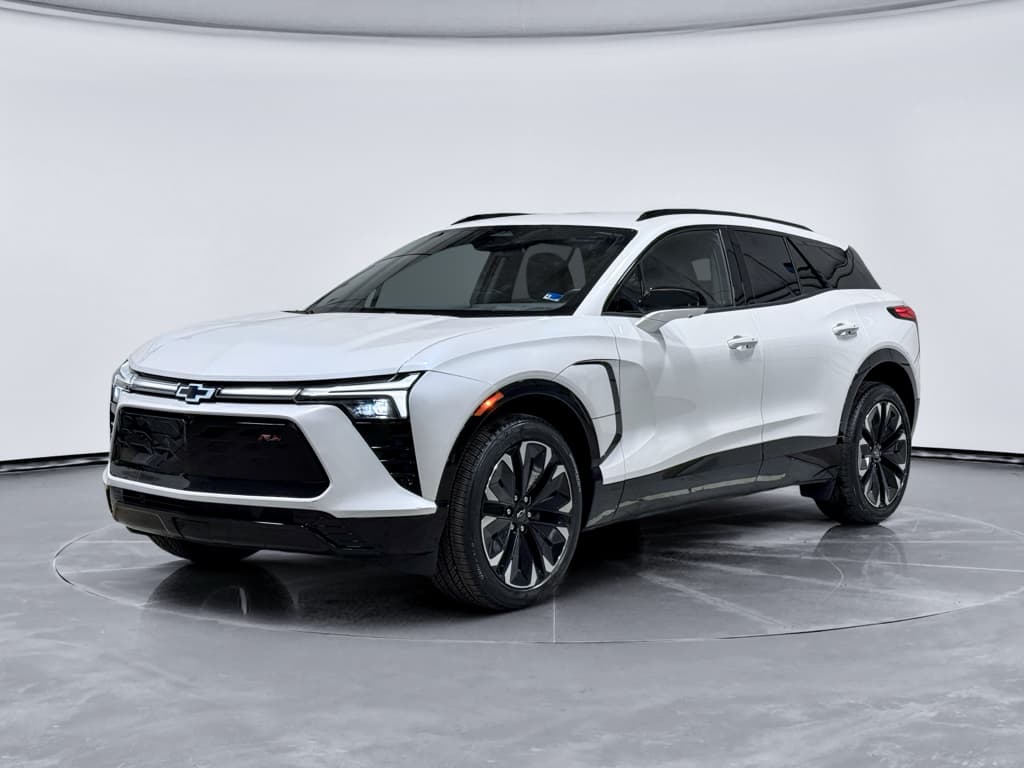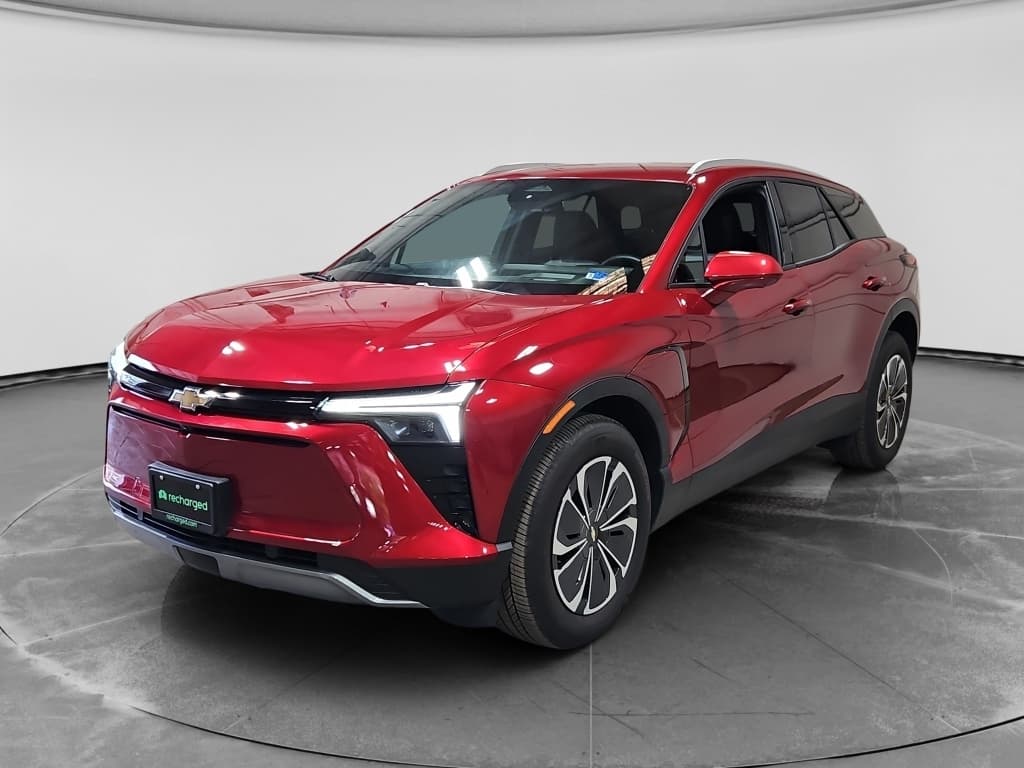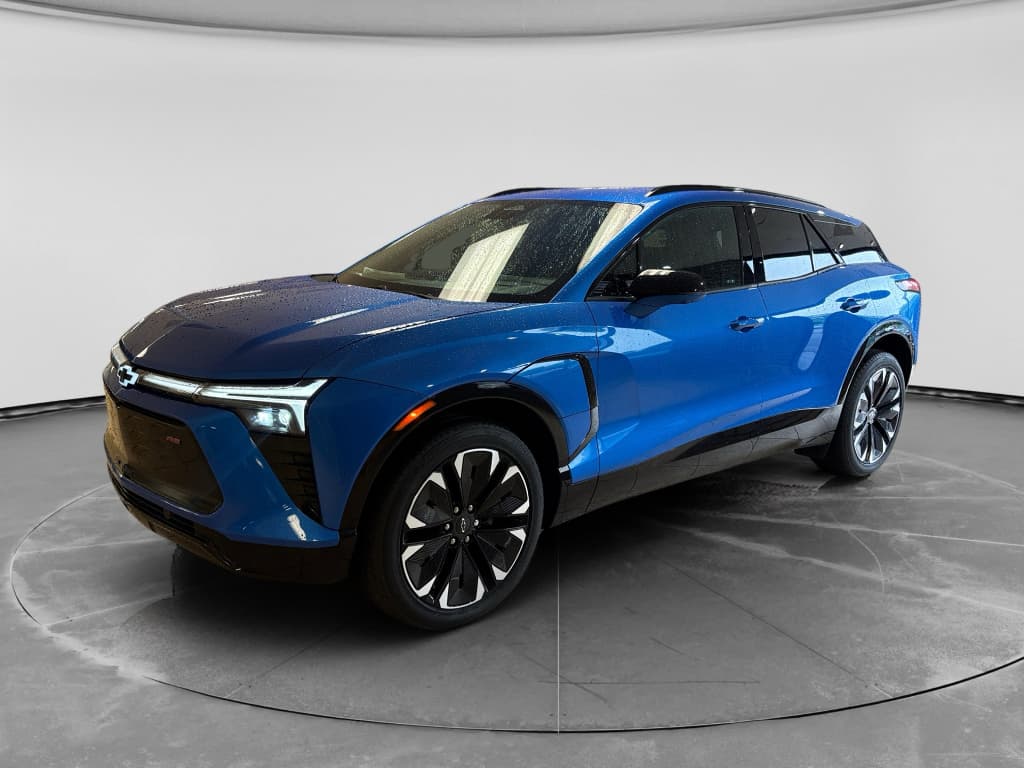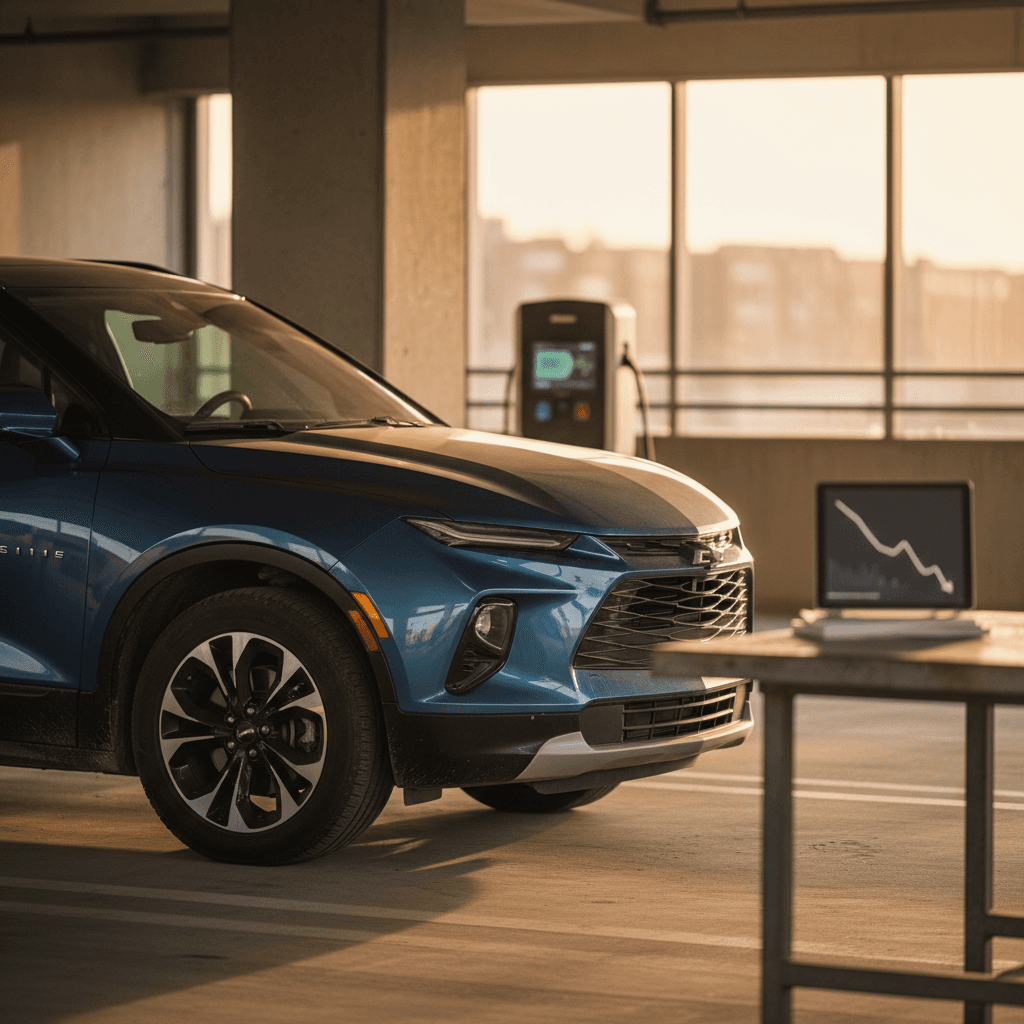
If you’re considering a Chevrolet Blazer EV, you’re probably wondering how well it will hold its value after three years. That matters whether you’re buying new and planning your exit strategy, or eyeing a future **3‑year‑old Blazer EV** as a used‑EV bargain. With EV depreciation running steeper than gas vehicles in today’s market, it pays to understand where the Blazer EV is likely to land.
Context: young model, fast‑moving market
Why three-year value matters for the Blazer EV
Three years is the sweet spot where **new‑car depreciation slows** but the vehicle is still modern, has lots of warranty left, and often just comes off a lease. For the Chevrolet Blazer EV, year three is when:
- The biggest drop from MSRP has already happened, so you’re not absorbing that first‑owner hit.
- Most original bumper‑to‑bumper coverage is expiring or has just expired, but the **8‑year / 100,000‑mile battery warranty** is still in force for many shoppers.
- Software updates, recalls, and real‑world reliability stories have reshaped the model’s reputation, for better or worse.
- Used values start to stabilize into a more predictable pattern compared with the wild swings of the first 12–18 months.
Tip for planners
How EVs depreciate compared with gas SUVs
To estimate **Chevrolet Blazer EV value after 3 years**, you first need a sense of how EVs in general behave. Multiple large 2024–2025 market studies of hundreds of thousands of used vehicles converge on a few key points:
Typical EV depreciation today
Why EVs fall faster
Projecting Chevrolet Blazer EV value after 3 years
Because we’re early in the Blazer EV’s life cycle, any three‑year number today is a **projection**, not a guarantee. But we can make a reasonable estimate using its price positioning, Ultium platform peers, and today’s EV depreciation bands.
Estimated Chevrolet Blazer EV value after 3 years
Illustrative ranges based on recent EV‑market depreciation, assuming normal mileage (36,000–45,000 miles) and average condition. These are directional, not promises.
| Trim example (new) | Approx. new MSRP* | Typical 3‑yr depreciation | Estimated 3‑yr value range |
|---|---|---|---|
| Blazer EV LT AWD | $56,000 | 45–55% | $25,000–$31,000 |
| Blazer EV RS AWD | $60,000 | 45–55% | $27,000–$33,000 |
| Blazer EV SS / well‑optioned | $65,000+ | 47–57% | $28,000–$34,000+ |
Use these numbers as planning tools, not quotes, local market conditions and future incentives will move real‑world prices up or down.
About those MSRPs
Put simply, a Blazer EV that cost around **$60,000 new** could realistically trade hands around **the high‑$20Ks to low‑$30Ks** after three years if current EV market trends continue. If EV demand softens further, or if the Blazer EV’s reputation worsens, values could skew toward the lower end of that range.
Factors that help or hurt Blazer EV resale
What will shape your Blazer EV’s 3‑year value?
Same nameplate, very different outcomes depending on these variables.
Market and region
Resale is always local. In EV‑friendly metros with strong charging networks and incentives, late‑model electric SUVs tend to sell faster and at firmer prices. In regions where EV adoption lags, buyers may demand bigger discounts to take on new technology.
Battery health & range
Used shoppers focus hard on real‑world range and battery condition. A Blazer EV with documented gentle charging habits and strong battery health will generally be worth more than one with frequent DC‑fast‑charging and rapid degradation.
Recall & repair history
The Blazer EV’s early **stop‑sale and software issues** are well‑publicized. A clean history with completed recall work and few service visits is a selling point. A Carfax full of bricked‑vehicle tow‑ins is not.
Charging experience
As NACS (Tesla‑style) access and public fast‑charging improve, range anxiety shrinks, and values tend to benefit. If the Blazer EV continues to gain better integrated charging options, its used‑market appeal should improve versus early EVs.
Mileage and use pattern
Like any SUV, lower mileage helps. But **how** the miles were added matters too. A highway‑commute Blazer EV with regular Level 2 charging will usually be a better bet than a rideshare vehicle that lived on DC fast chargers.
Remaining warranty & support
A Blazer EV that’s three years old but still comfortably inside its high‑voltage battery warranty and has documented dealer care will be easier to finance and easier to sell, critical for keeping depreciation from getting ugly.
Think like your future buyer
Battery health and warranty impact on value
For any EV, **battery condition is the single biggest wildcard** in resale value. The good news is that modern lithium‑ion packs typically degrade slowly, many studies peg average loss around 1–2% of capacity per year under normal use. That means a typical three‑year‑old pack might still deliver roughly **94–97% of its original range**, assuming it’s been treated reasonably well.
On top of that, Chevrolet backs the Blazer EV with an **8‑year / 100,000‑mile battery warranty** (check your specific warranty booklet for exact terms). At three years, a typical vehicle with ~36,000 miles will still have a lot of battery coverage remaining, which reassures second owners and supports value.
How battery health boosts a 3‑year value
- Consistent range: A Blazer EV that still delivers close to its rated range is easier to sell and commands stronger offers.
- Documented care: Service records and battery‑health reports show that the pack hasn’t been abused.
- Fewer unknowns: Remaining factory warranty reduces buyer fear of a five‑figure battery bill.
How battery questions drag value down
- Repeated battery‑fault codes or bricking events on the history report make many buyers walk away.
- Heavy fast‑charging use without balancing Level 2 charging can accelerate wear.
- No documentation leaves shoppers guessing, and they usually protect themselves with a lower offer.
Where Recharged fits in
Ready to find your next EV?
Browse VehiclesSoftware, reliability headlines, and perceived risk
Unlike a traditional gas SUV, a vehicle like the Blazer EV lives and dies by its software. The model’s early story has been bumpy: a December 2023 stop‑sale due to software and charging problems, multiple technical service bulletins, and owner reports of everything from **12‑volt battery faults** to **“vehicle won’t restart”** messages that left some early build vehicles bricked until dealers performed updates or component replacements.
The upside is that most of these issues fall under warranty, and GM has pushed over‑the‑air and dealer‑installed updates to address them. But in the used market, perception lags reality. Two otherwise similar three‑year‑old EVs, one with a quiet track record, another that made headlines for being pulled from sale at launch, won’t be valued the same by cautious buyers and lenders.
- If GM successfully stabilizes Blazer EV software and stops the negative headlines, **three‑year values should move toward the middle of the EV pack**.
- If high‑profile failures, battery replacements, or additional stop‑sales keep popping up, **depreciation could skew toward the high‑50% range** by year three.
- Individual vehicles with clean histories and many completed updates documented will sit at the top of the value band, while problem children sink to the bottom.
Don’t ignore the recall paperwork
Ownership costs beyond depreciation
Depreciation is the biggest single cost in the first three years, but it’s not the only one that shapes whether a Blazer EV is a good value. When you compare a three‑year‑old Blazer EV with a similar gas Blazer, look at the full picture:
Cost-of-ownership levers for a 3‑year‑old Blazer EV
Why a steep discount up front doesn’t necessarily mean high lifetime cost.
Energy costs
Electricity usually undercuts gasoline on a cost‑per‑mile basis, especially if you can charge at home on a reasonable rate plan. Over several years, that can **offset thousands of dollars in extra depreciation** versus a gas SUV.
Maintenance & repairs
EVs avoid oil changes, spark plugs, and many wear items. However, out‑of‑warranty electronics glitches on a complex model like the Blazer EV can be expensive. At year three, most major systems are still under coverage.
Financing & insurance
Some lenders are conservative with newer EVs that lack long resale histories, which can nudge interest rates higher. Insurance carriers also price in repair complexity. Getting a realistic quote before you buy is part of judging overall value.
Total cost of ownership perspective
How to shop smart for a 3‑year‑old Blazer EV
Checklist for evaluating a three‑year‑old Blazer EV
1. Start with the build date and recall history
Confirm the vehicle’s build month/year and pull a full recall and service campaign summary. Early‑production Blazer EVs were more likely to be affected by the roughest software and battery glitches.
2. Get a battery‑health snapshot, not just a range guess
Ask for a professional **battery‑health report** or diagnostic, not just a dashboard range estimate. On Recharged, the Recharged Score Report includes independent battery data so you’re not guessing.
3. Review charging and usage patterns
If possible, learn how the previous owner charged the vehicle. A Blazer EV that lived mostly on Level 2 home charging and wasn’t fast‑charged daily is a lower‑risk bet than one used as a road‑trip workhorse.
4. Scan the repair history for repeat issues
One or two early warranty visits for software are understandable; repeated bricking, 12‑volt failures, or high‑voltage battery replacement notes should trigger deeper questions and a **lower target price**.
5. Test every advanced feature
On a test drive, don’t just loop the block. Test DC fast‑charging (if possible), driver‑assist features, camera systems, infotainment, and charging‑port operation. Small glitches are fine; recurring faults are not.
6. Compare prices to the broader EV market
Don’t evaluate Blazer EV prices in a vacuum. Cross‑shop similar‑size EVs, Cadillac Lyriq, Hyundai Ioniq 5, Tesla Model Y, Kia EV6, and see whether the Blazer’s discount is big enough to justify its particular risk/reward profile.
Make the used EV process easier
Is a used Blazer EV a good value after 3 years?
Where the value case looks strong
- Big upfront discount: If three‑year depreciation lands around 50%, you might pay high‑$20Ks for an SUV that felt like $60K new.
- Modern tech and range: The Blazer EV offers competitive range, fast‑charging capability, and a contemporary cabin, still compelling at year three.
- Remaining battery warranty: You’re buying in with several years of high‑voltage coverage remaining, which softens the risk of a major failure.
Where you need a bigger discount
- Brand‑new tech track record: Ultium SUVs are still proving themselves long‑term, and early Blazer EVs had visible stumbles.
- Software complexity: More screens and systems means more chances for glitches once bumper‑to‑bumper coverage expires.
- Alternative bargains: If rival EVs with calmer reliability reputations (or deep manufacturer support) are priced similarly, you should demand a **meaningful price edge** from any Blazer EV on your shortlist.
Ultimately, the **Chevrolet Blazer EV’s value after three years** will depend on how well GM smooths out its early issues, how fast the broader EV market matures, and how carefully each individual SUV has been looked after. If you can find a three‑year‑old Blazer EV with clean history, strong battery health, and a substantial discount versus new and versus rival EVs, it can be a smart way to get a lot of electric SUV for the money. The key is to buy with your eyes open, and to use every tool at your disposal, from battery diagnostics to transparent pricing, before you sign.