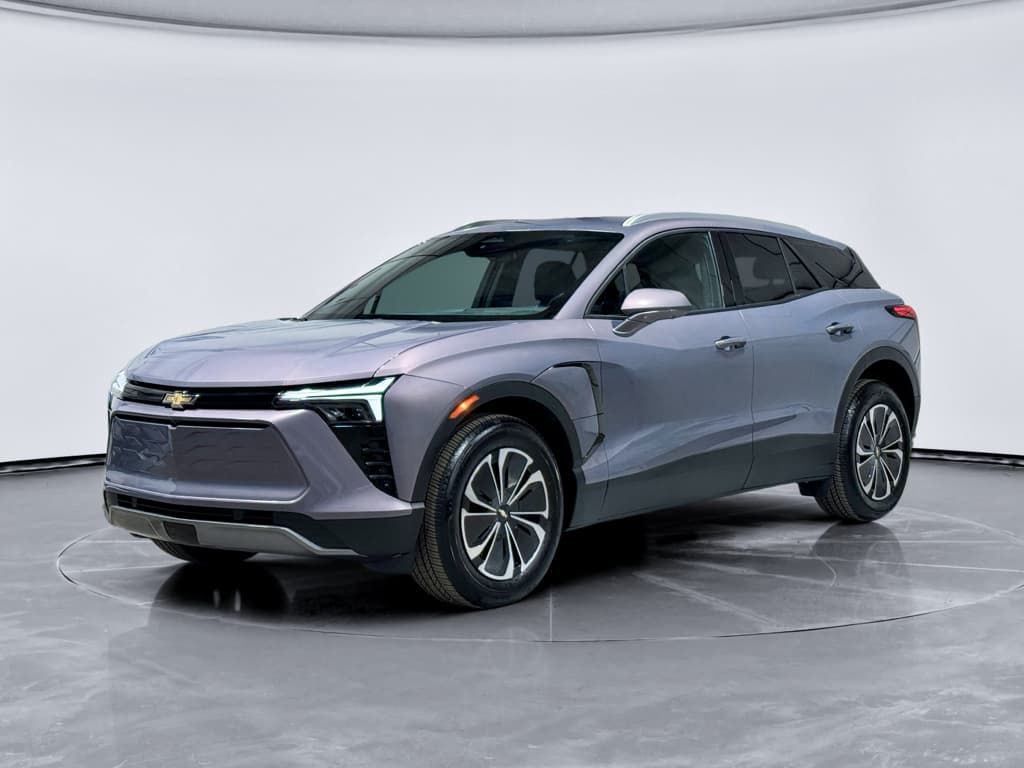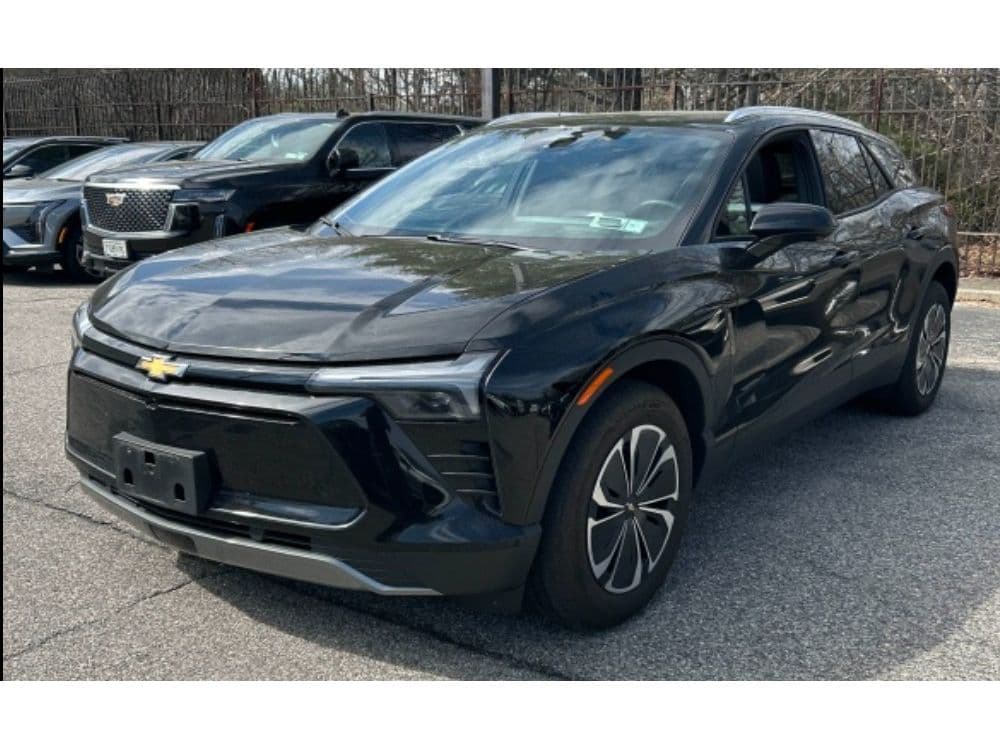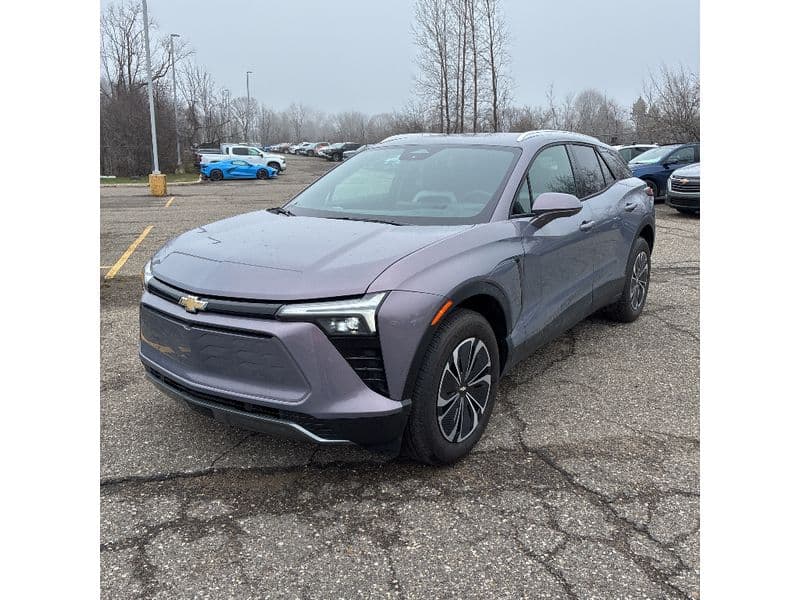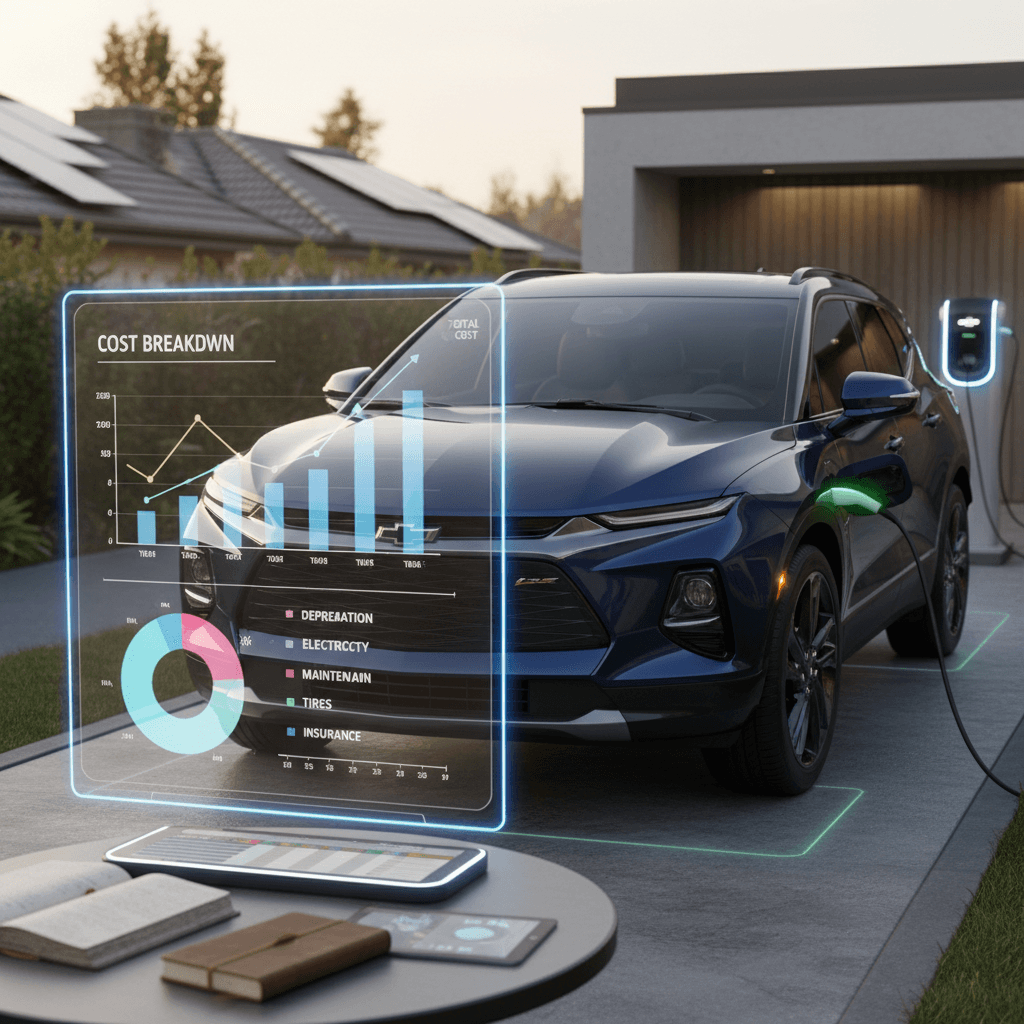
If you’re considering a Chevrolet Blazer EV, the sticker price is only the start. The true cost of ownership over 5 years takes into account incentives, charging, maintenance, insurance, and what the SUV will be worth when you’re ready to sell or trade. Understanding those numbers is the difference between a smart long‑term buy and a payment that quietly eats your budget.
About the Estimates
Why Chevrolet Blazer EV 5‑Year Cost of Ownership Matters
The Chevrolet Blazer EV is positioned as a midsize electric SUV that competes with gas models like the Ford Edge, Honda Passport, and Chevy’s own gas Blazer. Many shoppers focus on monthly payments and range, but over five years you’ll spend (or save) thousands more in places that don’t show up on the window sticker, fuel, maintenance, and depreciation.
What Most Blazer EV Shoppers Want to Know
Where the real 5‑year money goes
Monthly Affordability
How do loan payments, insurance, and electricity compare with a similar gas SUV?
Charging Costs
Will home and public charging actually be cheaper than gasoline for your commute?
Resale Value
What is the Blazer EV likely to be worth in 5 years as EV technology keeps evolving?
Key Assumptions Behind the 5‑Year Blazer EV Numbers
To keep things apples‑to‑apples, we’ll base our 5‑year Chevrolet Blazer EV true cost of ownership on a representative configuration and driving profile. Treat this as a framework you can adjust for your own situation.
Baseline Assumptions for 5‑Year Cost Model
You can plug in your own numbers later, but this is the scenario used in the estimates below.
| Category | Assumption |
|---|---|
| Trim example | Mid‑level Blazer EV LT or RS with dual motor and ~85 kWh usable battery |
| Purchase timing | New vehicle purchased in 2025 |
| Annual mileage | 12,000 miles per year (60,000 miles over 5 years) |
| Energy use | 2.5 miles per kWh (mixed driving) |
| Home electricity rate | $0.15 per kWh |
| Public fast‑charging share | 20% of miles on DC fast charging |
| Gas comparison vehicle | Midsize gas SUV averaging 25 mpg on $3.50/gal fuel |
| Financing | 10% down, 5‑year loan at 5.5% APR |
| Location | United States, average insurance and registration costs |
Assumptions reflect a typical U.S. owner in a non‑ZEV state with access to home charging.
Important Caveat on Pricing
Purchase Price, Incentives, and Financing
MSRP is the single biggest lever in the Chevrolet Blazer EV 5‑year cost of ownership. Depending on trim and discounts, it can swing the math from "EVs are expensive" to "this is cheaper than my current gas SUV."
Typical New Blazer EV Pricing
- MSRP (mid‑trim, dual‑motor): often in the mid‑$50,000s before destination and fees.
- Out‑the‑door price (including taxes, fees, basic accessories) can land near $58,000–$60,000 in many states.
- Down payment: Using a 10% down assumption, that’s about $5,800–$6,000 upfront.
If you’re cross‑shopping trims, remember that all‑wheel drive and larger battery packs boost both performance and cost, but may not materially change your daily operating expenses.
Federal and State Incentives
- Federal Clean Vehicle Credit: Depending on final battery sourcing and assembly details and when you buy, some Blazer EV configurations may qualify for up to a $7,500 federal tax credit, or may not qualify at all.
- State incentives: Many states and utilities offer additional rebates or bill credits (often $500–$2,500) for EVs or home chargers.
- Point‑of‑sale credits: In some cases, you may be able to take the federal credit at the dealership as cash off the price instead of waiting for tax time.
Because incentive rules can change quickly, it’s wise to confirm eligibility just before you sign.
5‑Year Financing Snapshot (Illustrative)
Used Blazer EVs and Financing
Energy Costs: Charging the Blazer EV at Home and on the Road
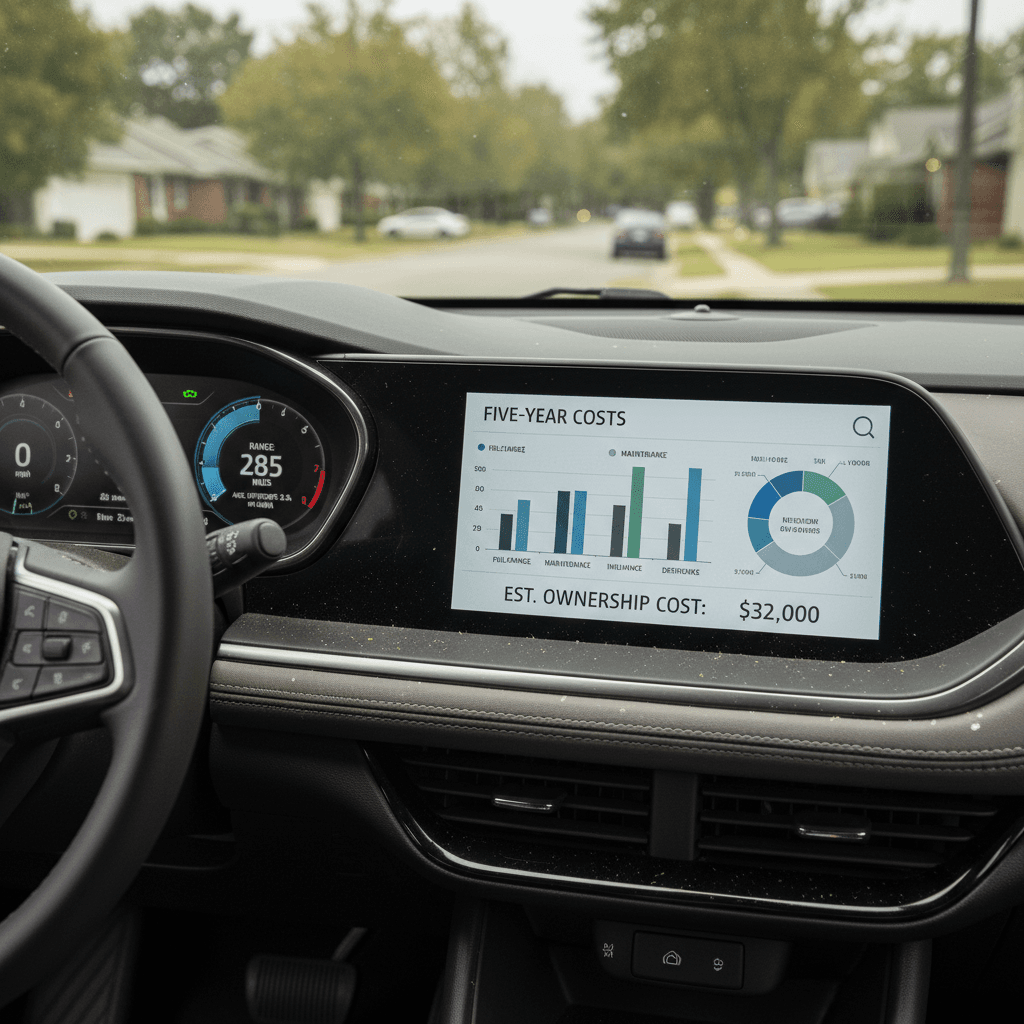
Fuel is where an electric midsize SUV like the Blazer EV can quietly claw back thousands of dollars versus gasoline over five years, especially if you do most of your charging at home.
5‑Year Blazer EV Charging Cost vs. Gas SUV (Estimate)
Based on 60,000 miles over 5 years and the assumptions listed earlier.
| Item | Blazer EV (Electricity) | Comparable Gas SUV |
|---|---|---|
| Annual miles | 12,000 | 12,000 |
| Energy use / efficiency | 2.5 mi/kWh | 25 mpg |
| Energy needed for 60,000 mi | ~24,000 kWh | 2,400 gallons |
| Home rate assumption | $0.15/kWh | $3.50/gal |
| Share of miles – home | 80% of miles | N/A |
| Share of miles – DC fast charge | 20% of miles (~$0.35/kWh eff.) | N/A |
| 5‑year energy cost (approx.) | ~$5,400 | ~$8,400 |
| Estimated savings over 5 years | , | ~$3,000 in favor of Blazer EV |
Blazer EV gets a cost advantage when you can charge mostly at home with reasonable electricity rates.
Why Your Number May Be Higher or Lower
Insurance, Taxes, and Fees for a Blazer EV
Insurance and registration won’t make or break your Blazer EV 5‑year cost of ownership, but they are easy to underestimate, especially if you’re moving into a newer, higher‑value electric SUV from an older gas vehicle.
Insurance on a Blazer EV
- Vehicle value: New electric SUVs often carry higher comprehensive and collision premiums simply because they’re worth more.
- Battery and electronics: Repair costs for EV‑specific components can be higher, which some carriers price into premiums.
- Estimated ballpark: For many U.S. drivers, annual premiums might run $1,600–$2,000 for a new Blazer EV, or $8,000–$10,000 over 5 years.
Your credit, driving record, and ZIP code will move that number far more than the badge on the grille, so always get model‑specific quotes.
Taxes, Registration, and EV Fees
- Sales tax: Can add thousands up front, depending on your state and local rates.
- Registration: Some states charge slightly higher fees for heavier or higher‑value vehicles, including EVs.
- EV road‑use fees: A growing number of states apply a flat annual fee to EVs to compensate for lost gas tax revenue, often $100–$250 per year.
Over 5 years, it is reasonable to budget $1,000–$1,500 for EV‑specific state fees on top of normal registration in many regions.
Maintenance, Repairs, and Tires Over 5 Years
One of the strongest arguments for a Blazer EV over a comparable gas SUV is lower routine maintenance. You’re eliminating engine oil, transmission fluid, spark plugs, and exhaust components, but not every cost disappears.
Where the Blazer EV Saves You Money, And Where It Doesn’t
5‑year maintenance themes to budget for
Less Scheduled Service
No oil changes, fewer moving parts, and reduced wear on brakes thanks to regenerative braking.
Routine service could easily run hundreds less over 5 years versus a gas SUV.
Battery and High‑Voltage System
The main traction battery is designed for long life and covered by an extended warranty window.
Out‑of‑warranty high‑voltage repairs can be expensive, but they’re uncommon in the first 5 years.
Tires and Wear Items
The Blazer EV’s weight and instant torque can eat through tires faster than a compact car.
Plan for at least one full set of replacement tires within 5 years, especially if you drive aggressively.
5‑Year Maintenance Ballpark
Use Battery Health as a Cost Proxy
Chevrolet Blazer EV Depreciation and 5‑Year Resale Value
Depreciation is where many EV shoppers get nervous, and with reason. Early EVs with short range and rapidly improving tech saw steep value drops. The Blazer EV benefits from more modern range, but it still has to navigate fast‑moving software and battery improvements over the next five years.
Illustrative 5‑Year Depreciation Scenario for a New Blazer EV
This is a directional example, not a guarantee. The real world will depend on demand, incentives, and future EV competition.
| Item | Amount |
|---|---|
| Assumed transaction price (after discounts/incentives) | $55,000 |
| Estimated value after 3 years | $32,000–$35,000 |
| Estimated value after 5 years | $25,000–$30,000 |
| 5‑year depreciation range | $25,000–$30,000 |
| Annualized depreciation | $5,000–$6,000 per year |
EVs can depreciate faster than some gas models, but strong brand support and range help.
Why Depreciation Is So Hard to Predict for New EVs
5‑Year Cost Summary: Blazer EV vs Comparable Gas SUV
Pulling all the pieces together, here’s how a Chevrolet Blazer EV’s 5‑year ownership costs can stack up against a similarly equipped midsize gas SUV, assuming you buy new and drive 12,000 miles per year.
Estimated 5‑Year True Cost of Ownership – Blazer EV vs Gas SUV
Includes financing, energy, insurance, basic maintenance, and depreciation for both vehicles.
| Cost Category (5 Years) | Blazer EV (New) | Comparable Gas SUV |
|---|---|---|
| Loan principal + interest | ~$64,000 | ~$52,000 |
| Energy (fuel or charging) | ~$5,400 | ~$8,400 |
| Insurance | ~$9,000 | ~$8,000 |
| Maintenance & tires | ~$2,200 | ~$3,000 |
| Registration & EV fees | ~$1,200 | ~$1,000 |
| Total cash outlay (before resale) | ~$81,800 | ~$72,400 |
| Estimated resale value after 5 years | $25,000–$30,000 | $18,000–$22,000 |
| Net 5‑year cost after resale | ~$52,000–$57,000 | ~$50,000–$54,000 |
The EV’s higher purchase price can be offset by lower energy and maintenance costs, especially if incentives reduce your out‑of‑pocket price.
Reading the Summary Table
How a Used Chevrolet Blazer EV Changes the Math
Buying a used Blazer EV can dramatically lower your 5‑year true cost of ownership by letting someone else absorb the steepest depreciation years. The trade‑off: you need to be confident in battery health and remaining warranty coverage.
Cost Advantages of Buying Used
- Lower starting price: A 2‑ to 3‑year‑old Blazer EV could easily list $10,000–$15,000 less than new, depending on mileage and trim.
- Slower depreciation: After the initial drop, year‑by‑year value losses usually moderate, which helps your 5‑year net cost.
- Insurance savings: Premiums may fall slightly with a lower‑value vehicle, depending on your coverage choices.
If you’re keeping the SUV for another 5 years, you’re catching the "flatter" part of the depreciation curve.
Key Risks to Manage on a Used EV
- Battery condition: Range loss or prior abuse (fast‑charging only, deep discharges) can impact long‑term usability and resale.
- Software and recalls: You’ll want up‑to‑date software and any recalls completed before you sign.
- Unknown charging history: A clean history and inspection can signal whether the vehicle was road‑tripped hard or used gently.
This is where independent battery diagnostics become as important as a mechanical inspection on a gas vehicle.
How Recharged Helps With Used Blazer EVs
Ready to find your next EV?
Browse VehiclesChecklist: How to Lower Your Blazer EV 5‑Year Ownership Costs
Practical Ways to Shrink 5‑Year Blazer EV Costs
1. Maximize Home and Off‑Peak Charging
Ask your utility about EV‑specific time‑of‑use plans. Charging your Blazer EV overnight on cheaper rates can shave hundreds off your 5‑year energy bill compared with daytime or fast‑charging heavy use.
2. Right‑Size the Trim and Options
If you don’t need the most powerful dual‑motor setup or largest wheels, stepping down a trim can trim thousands from your purchase price and reduce tire replacement costs later.
3. Get Multiple Insurance Quotes
Quote the Blazer EV with at least three insurers. Provide the exact VIN where possible, EV‑specific safety features and driver‑assist tech sometimes qualify for discounts.
4. Budget for Tires Upfront
Set aside a tire fund from day one. Assuming one full replacement set in 5 years prevents a surprise $1,000+ hit to your budget in year three or four.
5. Consider Certified or Verified Used
A late‑model used Blazer EV with documented battery health and warranty coverage can lower both purchase price and depreciation. Platforms like Recharged specialize in this kind of transparency.
6. Plan for the Exit
Think ahead about your ownership horizon. If you’re likely to sell in 3–4 years, targeting in‑demand trims and colors may improve resale value and cut your effective cost per year.
Frequently Asked Questions: Blazer EV Ownership Costs
Chevrolet Blazer EV 5‑Year Cost FAQ
Bottom Line: Is the Chevrolet Blazer EV Worth It Over 5 Years?
Add up the line items, and the Chevrolet Blazer EV’s true cost of ownership over 5 years is competitive with a traditional midsize gas SUV, often within a few thousand dollars either way. If you can tap into federal or state incentives, charge mostly at home at reasonable electricity rates, and buy smart on price, the Blazer EV can tilt from "cost neutral" to a clear money saver, all while eliminating tailpipe emissions and gas‑station visits.
Where this SUV really shines is when you let someone else take the biggest depreciation hit. A late‑model used Blazer EV with verified battery health, fair‑market pricing, and EV‑savvy support, exactly what Recharged focuses on, compresses your 5‑year costs while preserving most of the benefits of a modern electric SUV. Whether you go new or used, approaching the Blazer EV with a realistic 5‑year budget puts you in control of the numbers instead of being surprised by them down the road.