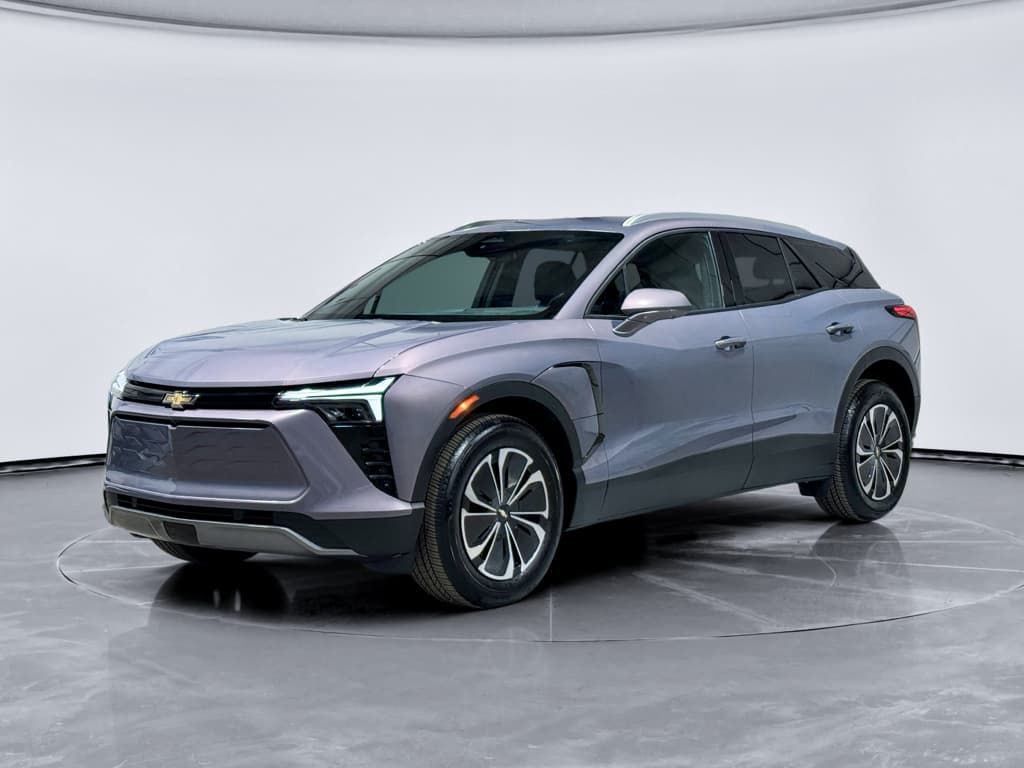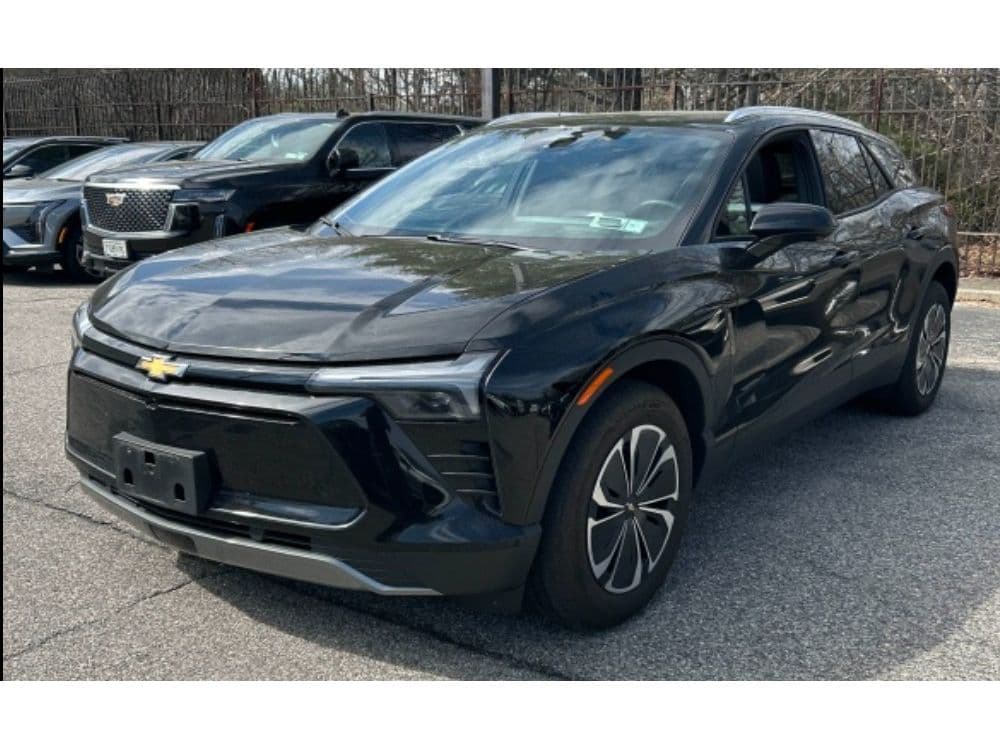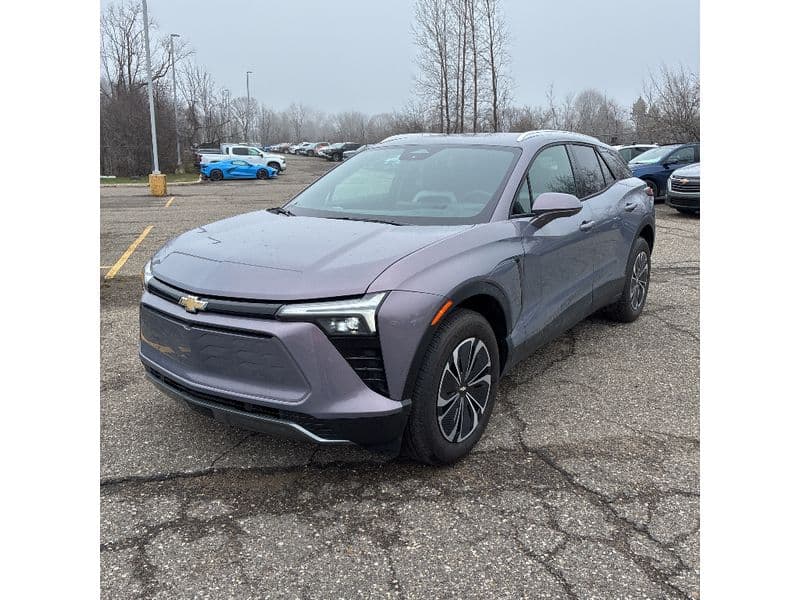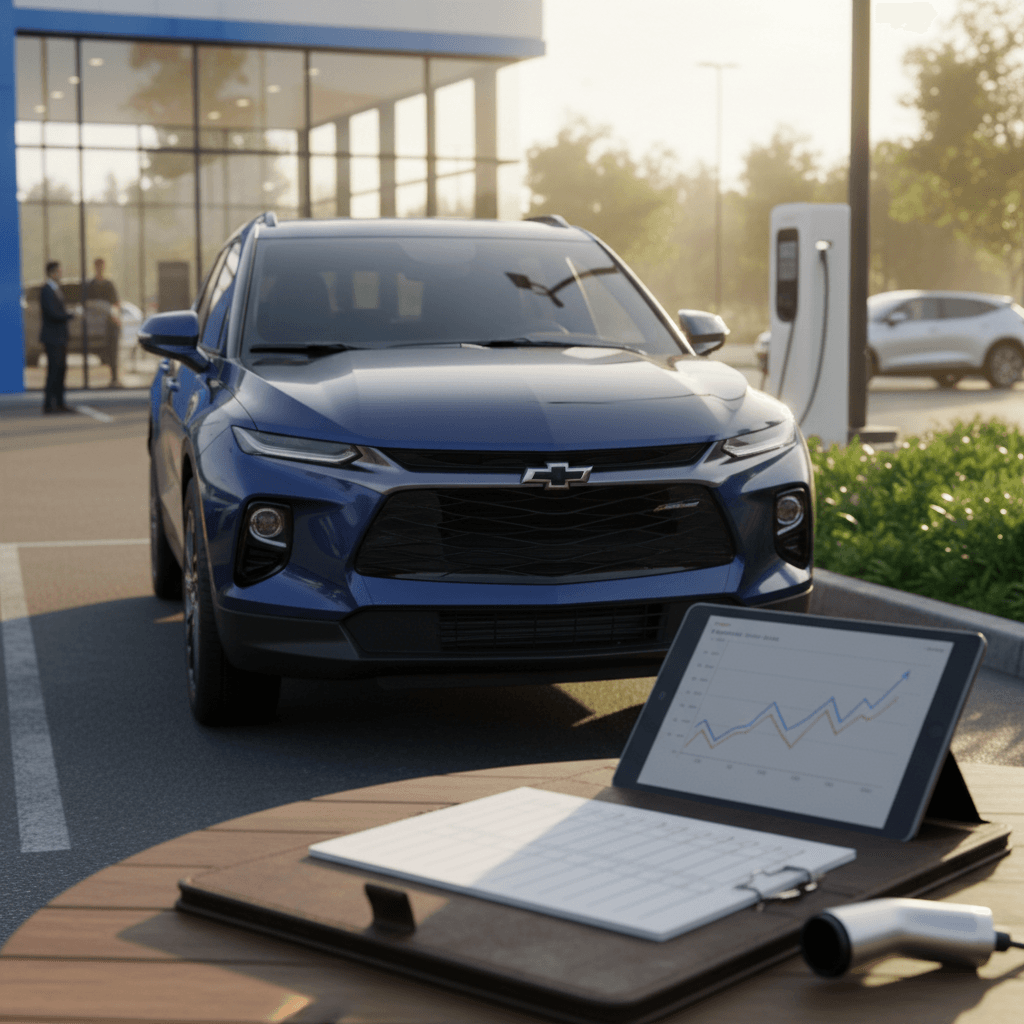
If you own a Chevrolet Blazer EV and you’re thinking about selling in 2026, you’re stepping into a used‑EV market that’s still figuring this model out. Early stop‑sales, software recalls, and sharp depreciation mean buyers have questions, and the sellers who prepare well with a clear Chevrolet Blazer EV selling checklist are the ones who keep control of the conversation and the price.
Blazer EV resale reality
Why you need a Blazer EV–specific selling checklist
Blazer EVs aren’t typical used SUVs. They ride on GM’s Ultium platform, use fast‑evolving software, and share a family history with other GM EVs that have had high‑profile recalls. Serious buyers will come in having read about stop‑sales, infotainment glitches, and charging quirks.
That’s why a generic “wash it and post it” checklist isn’t enough. You need to prove three things:
- The battery and charging system are healthy.
- All software updates and safety recalls are handled.
- You’ve priced the SUV realistically for today’s market.
Model‑specific prep pays
Step 1: Confirm your Blazer EV’s exact model, trim, and key specs
Before you talk price with anyone, make sure you can clearly explain exactly which Blazer EV you’re selling. Trim, drive layout, and range estimates all matter to buyers, and they directly affect what your SUV is worth.
Chevrolet Blazer EV trims and what buyers care about
Have this information ready in your listing and when answering questions.
| Detail | Where to find it | Why it matters to buyers |
|---|---|---|
| Model year (2024 or 2025) | Registration, title, door jamb label | Early 2024s had more software bugs; later builds and 2025s may feel less risky. |
| Trim (2LT, RS, SS, etc.) | Badge on tailgate, window sticker, build sheet | Changes range, features (like Super Cruise), and performance, big price driver. |
| Drivetrain (FWD, RWD, AWD) | Build sheet, Monroney label | AWD and higher‑performance versions generally command more money. |
| Estimated EPA range | Original window sticker or manufacturer specs | Longer‑range variants are more desirable, especially for road‑trip buyers. |
| Options packages (Super Cruise, appearance, wheels) | Window sticker, build sheet | Tech and driver‑assist packages attract more buyers and boost value. |
If you’re unsure which configuration you own, match your VIN and window sticker or ask a Chevy dealer to print the build sheet.
Don’t guess on specs
Step 2: Document battery health and charging history
For most Blazer EV shoppers, the number‑one fear is the battery. They want proof that your pack is healthy and still under warranty, and that the SUV hasn’t lived its whole life at DC fast chargers.

Battery and charging checklist for your Blazer EV
1. Verify remaining battery warranty
Chevy EVs typically include an <strong>8‑year/100,000‑mile propulsion battery warranty</strong>. Note your in‑service date and mileage so you can tell buyers exactly how much coverage is left.
2. Capture current usable range
Fully charge the SUV, reset a trip meter, and drive in mixed conditions until around 20–30% state of charge. Share the real‑world miles you achieved versus the original EPA estimate so buyers see how it behaves today.
3. Print or export charging history
If you use public charging apps or a home charger with an app, grab screenshots showing typical charging speeds and that the car charges reliably at both AC and DC stations.
4. Get independent battery health data if possible
A third‑party battery health report (like the <strong>Recharged Score battery assessment</strong>) shows buyers an independent read on pack condition instead of relying only on the in‑car guess at state of health.
5. Be transparent about fast‑charging use
Heavy DC fast charging isn’t necessarily a deal breaker, but buyers want to know. A simple line in your listing, “Mostly home Level 2 charging, occasional DC fast charging on trips”, builds credibility.
Why third‑party battery reports matter
Step 3: Clean up your recall and software story
Anyone shopping for a used Blazer EV has heard about software issues, black screens, charging glitches, and multiple recall campaigns on 2024–2025 models. Your job as a seller is to show that your SUV has moved past those early headaches, or to price it realistically if it hasn’t.
Recalls and software: what to do before you list
Turn a potential red flag into a selling point by doing the homework for your buyer.
Run a full recall check
Use the VIN lookup on NHTSA’s site or Chevrolet’s recall tool to see every open and completed campaign on your Blazer EV. Print or save PDFs of the results so buyers can review them.
Get dealer documentation
Ask a Chevy dealer to print a warranty and campaign history. This shows all recall fixes and software updates that have been applied, with dates and mileage.
Describe current software behavior
In your listing, be candid: if earlier software bugs were fixed, say so. If you still see occasional quirks, describe them honestly so no one is surprised on a test drive.
Don’t ignore active recalls
Step 4: Get service records and wear items in order
Even though EVs skip oil changes, buyers still worry about long‑term upkeep. Clean, organized service records make your Blazer EV feel like a well‑cared‑for asset instead of a mystery box.
- Request a full service history printout from any Chevrolet dealer that has worked on the car.
- Gather receipts for tire rotations, new tires, brake service, alignment, cabin air filter changes, and any accessory installations.
- Check and, if needed, replace wiper blades and top off washer fluid, cheap fixes that improve the test‑drive impression.
- Measure tire tread depth and note any mismatched brands or sizes that could trigger questions.
- Resolve obvious issues like warning lights, cracked glass, or badly curbed wheels before you invite inspections.
Small repairs, big perception gain
Step 5: Set a smart price for your Chevrolet Blazer EV
Pricing a Blazer EV in 2026 is tricky. Official guides may lag behind real‑world transactions, and early depreciation has been steep. The goal is to land in the “realistic but confident” zone, not bargain‑basement, not fantasy retail.
Blazer EV pricing context in today’s market
How to price your Blazer EV without leaving money on the table
1. Check multiple valuation tools
Look up your Blazer EV on at least two sources (KBB, Edmunds, etc.) using accurate mileage, trim, and options. Note trade‑in, private‑party, and dealer retail ranges.
2. Scan real listings in your region
Search regional listings for similar Blazer EVs, same year, trim, mileage, and color. See what’s actually sitting on the market and which ones appear to move quickly.
3. Adjust for condition and story
A fully updated, recall‑free Blazer EV with documented battery testing and service history deserves to be priced above a similar‑mileage example with missing records and lingering software issues.
4. Decide your strategy: fast vs. max value
If you want a quick sale, price near the lower half of realistic private‑party values. If you can wait, start near the upper half and be ready to justify why your SUV is worth it.
5. Get a baseline offer from a marketplace
Services like <strong>Recharged</strong> can give you an instant offer or trade‑in range based on VIN, battery health, and market data. Even if you sell privately, it’s a useful floor for negotiations.
Step 6: Prepare photos and an honest, compelling listing
The used‑EV shopper you want is cautious, informed, and busy. Your Blazer EV listing should answer their top questions in the first screen: battery, range, recalls, software status, and price justification.
What great Blazer EV listings include
Think like a wary buyer and write to their concerns.
Clear, detailed photos
- Front, rear, both sides, and three‑quarter angles
- Close‑ups of wheels, tires, and any blemishes
- Interior, touchscreen on, odometer, and charging port
- At least one photo of the car plugged in and charging
Battery & software summary
Include a short paragraph like:
“2024 Blazer EV RS AWD, 28,500 miles. 8‑yr/100k battery warranty active through March 2032. All recalls completed at Chevy dealer (documentation included). Recent battery health report and charging history available.”
Transparent flaws & context
Disclose paint chips, curbed wheels, minor dings, or remaining quirks. Honest imperfections build trust and give you room to say, “That’s already reflected in the price.”
Reuse your best copy everywhere
Step 7: Decide how to sell – trade‑in, consign, instant offer, or private party
With a complex model like the Blazer EV, how you sell matters as much as where you price it. Some channels value EV nuance better than others.
Sale options for your Chevrolet Blazer EV
Each path trades money for convenience and risk. There’s no single right answer, only what fits your situation.
| Method | Pros | Cons | Best for |
|---|---|---|---|
| Traditional dealer trade‑in | Fast, simple, can stack with purchase incentives | Often lowest value, some stores still misprice EVs | Owners prioritizing convenience over top dollar |
| Instant cash offer (online) | Quick valuation, no tire‑kickers | Value may be conservative; vehicle may be re‑inspected on pickup | Sellers who want clarity and a quick exit |
| Consignment with EV specialist | Experts handle marketing, buyer questions, and paperwork; usually better EV pricing | Takes longer, fee or commission applies | Owners who want stronger pricing without DIY hassle |
| Private‑party sale | Highest potential price | You handle showings, screening, and paperwork; more time and effort | Hands‑on sellers comfortable meeting strangers and negotiating |
If you’re overwhelmed, start by getting at least one instant offer and one trade‑in figure. They’ll serve as benchmarks when you field other bids.
Where Recharged fits in
Step 8: Test drives, payment, and paperwork
Once the phone starts ringing or the emails arrive, shift into process mode. A smooth, professional experience from first message to title transfer keeps deals from falling apart at the finish line.
Final‑mile checklist: from first contact to sold
1. Screen buyers politely
Ask a few quick questions by phone or message: how far they’re coming, whether they’ve driven EVs before, and whether they’ve arranged financing. Serious buyers won’t mind.
2. Plan a safe test‑drive route
Include neighborhood streets, a short highway stretch, and, if practical, a quick stop at a public charger so buyers can experience how the Blazer EV charges and drives.
3. Prepare a feature walkthrough
Show how to start and stop charging, use the main driver‑assist features, adjust one‑pedal behavior (if equipped), and find key EV settings in the infotainment system.
4. Decide on payment methods in advance
For private sales, cashier’s checks issued in front of you at the buyer’s bank, or wire transfers verified while you’re both present, are safer than cash or person‑to‑person apps.
5. Have paperwork ready
Gather your title (or lender payoff info), bill of sale template, recall and service records, and any extended warranty paperwork. For trade‑ins or instant offers, dealers and marketplaces will guide you through their process.
Protect your data
Chevy Blazer EV selling checklist: quick reference
One‑page Chevrolet Blazer EV selling checklist
Verify trim and specs
Confirm year, trim (2LT, RS, SS, etc.), drivetrain, EPA range, and key options from your window sticker or build sheet.
Summarize battery and charging
Note remaining battery warranty, real‑world range, charging habits, and any independent battery health testing (for example, a Recharged Score report).
Close out recalls and updates
Run a VIN recall check, visit a Chevy dealer for open campaigns, and collect documentation showing software and hardware fixes are complete.
Organize maintenance records
Print dealer histories, gather receipts for tires and other wear items, and address obvious issues like warning lights or cracked glass.
Research market pricing
Use valuation tools and local listings to set a realistic price, then adjust for condition, story, and how quickly you want to sell.
Create strong photos and listing
Shoot clear photos, write a candid description that highlights strengths and discloses flaws, and emphasize battery, software, and recall status.
Choose your selling channel
Compare dealer trade‑in, instant offer, consignment, and private sale. Consider a specialist like Recharged if you want EV‑savvy support.
Plan test drives and paperwork
Set safe routes, clarify acceptable payment types, and assemble title, loan payoff info, bills of sale, and all documentation you’ve collected.
Chevrolet Blazer EV selling FAQ
Common questions about selling a Chevrolet Blazer EV
Selling a Chevrolet Blazer EV in 2026 means answering harder questions than you’d face with a typical gas SUV, but that also gives prepared sellers an edge. If you follow this Blazer‑specific selling checklist, nailing down your trim and specs, documenting battery and software history, closing out recalls, pricing off real market data, and choosing the right sale channel, you’ll walk into every conversation with facts on your side. Whether you cash out through a trade‑in, instant offer, consignment, or a private‑party buyer who’s done their homework, the work you put in up front will show up in your final check.