If you’re hunting for the cheapest self driving car in 2026, you’ve probably realized something: there’s no single window sticker that answers the question. Between hardware packages, software unlocks, and monthly subscriptions, the “price” of self‑driving depends on how you buy, how you drive, and whether you’re willing to shop used instead of new.
Quick definition
What does “cheapest self driving car 2026” really mean?
Before you can pick the cheapest option, you have to decide what kind of “self‑driving” you’re actually willing to pay for. Automakers use different brand names, but most systems fall into three buckets:
- Basic lane keeping + adaptive cruise: keeps you in your lane and matches traffic, but still expects your hands on the wheel all the time.
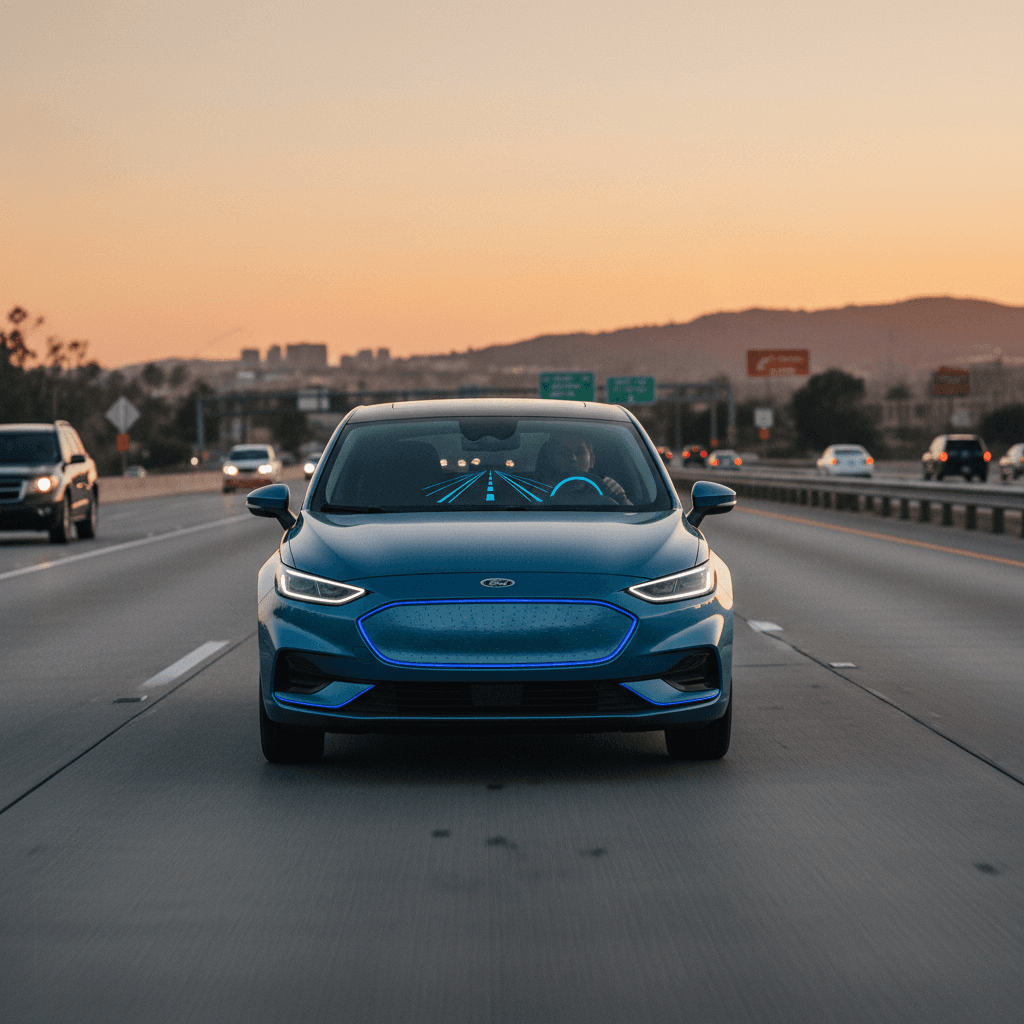
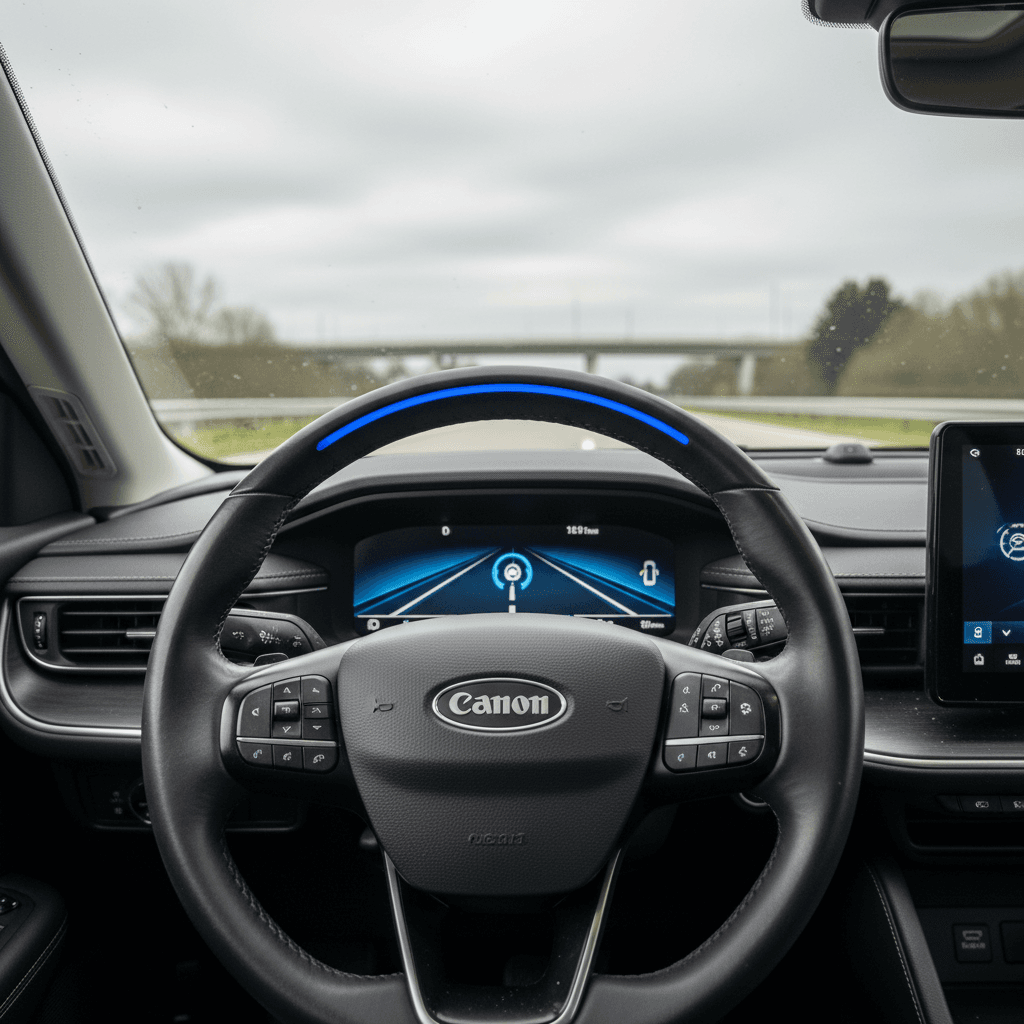
- Mapped, hands‑free highway systems: on pre‑approved highways, you can take your hands off the wheel while cameras monitor your eyes (Ford BlueCruise, GM Super Cruise, Nissan ProPILOT Assist 2.0, etc.).
- Advanced city + highway systems: can handle surface streets, turns, and lane changes with minimal input, but still require supervision (Tesla FSD (Supervised), emerging systems from Rivian and others).
When shoppers search for the cheapest self driving car 2026, most really want hands‑free highway help that makes commuting and road trips easier. That’s why this guide focuses on vehicles that either ship with, or can unlock, true hands‑free or near‑hands‑free driving, then looks at which ones do it for the least money.
Levels of “self-driving”: what you can actually buy in 2026
Level 1–2: Available today
Every system you can buy on a consumer car in 2026 is some flavor of SAE Level 2 (or below). The car can control steering, acceleration, and braking in some situations, but you are still responsible for monitoring the road and taking over instantly.
- Lane centering + adaptive cruise control
- Automatic lane changes on some systems
- Stop‑and‑go traffic assist
- Occasional hands‑free on mapped highways
Level 3–4: Hype vs. reality
You’ll see headlines about Level 3 and robotaxis, but you can’t walk into a dealership in the U.S. today and buy a true Level 3 or Level 4 personal car that lets you safely tune out and nap.
So when we talk about the "cheapest self‑driving car" in 2026, we’re actually comparing Level 2 driver‑assist systems that feel closest to autonomy in everyday use.
Don’t confuse “assist” with autonomy
Cheapest new cars with true hands‑free driving in 2026
In 2026, the lowest‑cost way to get hands‑free highway driving from the factory in the U.S. is usually a mainstream EV or crossover with Ford’s BlueCruise, GM’s Super Cruise, or Nissan’s ProPILOT Assist 2.0. Exact trims and pricing change constantly, but here’s how the landscape generally breaks down:
Representative 2026 hands‑free systems and approximate entry pricing
These examples focus on relatively attainable models. Final pricing depends on trim, packages, and incentives, and some systems require subscriptions after a free trial.
| Model (2026 or recent) | Type | How you get hands‑free | Approx. new starting price* |
|---|---|---|---|
| Ford Mustang Mach‑E (BlueCruise‑equipped trim) | All‑electric SUV | Choose a trim with BlueCruise or BlueCruise‑prep; software trial, then subscription on many models. | Mid–$40,000s before incentives. |
| Chevy Equinox EV (with Super Cruise) | All‑electric SUV | Add Super Cruise package on select trims; includes mapped, hands‑free highway driving. | Base Equinox EV in low $30,000s; Super Cruise on higher trims closer to $40,000+. |
| Nissan Ariya (ProPILOT Assist 2.0) | All‑electric crossover | Upper trims add limited hands‑free capability on mapped highways. | Typically mid–$40,000s when equipped. |
| Hyundai Ioniq 5 (Highway Driving Assist II) | All‑electric crossover | Package adds lane‑change assist and robust lane‑centering (hands on wheel required). | Low–mid $40,000s depending on trim. |
| Mainstream gas/hybrid crossovers w/ Mobileye‑based systems | Gas or hybrid SUV | Some 2026 models add Mobileye Surround ADAS with hands‑free, eyes‑on highway driving as standard or low‑cost option. | Often high $30,000s to low $40,000s when so equipped. |
Always confirm equipment and subscription terms on the specific vehicle you’re considering.
Why the Chevy Equinox EV matters
Typical price bands for hands‑free driving in 2026 (new vehicles)
Tesla FSD (Supervised): is it the cheapest self-driving setup?
No discussion of self‑driving in 2026 is complete without Tesla. The latest version of Full Self‑Driving (Supervised) can handle both highways and city streets with minimal input, and recent updates have pushed it to the top of many comparison tests.
- New Teslas in the U.S. now come standard with Traffic‑Aware Cruise Control (TACC) and basic driver assistance, but not Autopilot lane centering.
- FSD (Supervised) is offered as either a monthly subscription (around $99/month in early 2026) or a one‑time purchase when available, with pricing that has moved around over time.
- Some special‑edition vehicles and promotions have bundled FSD (Supervised) into the purchase price, effectively giving you advanced self‑driving capability on a lower‑trim vehicle.
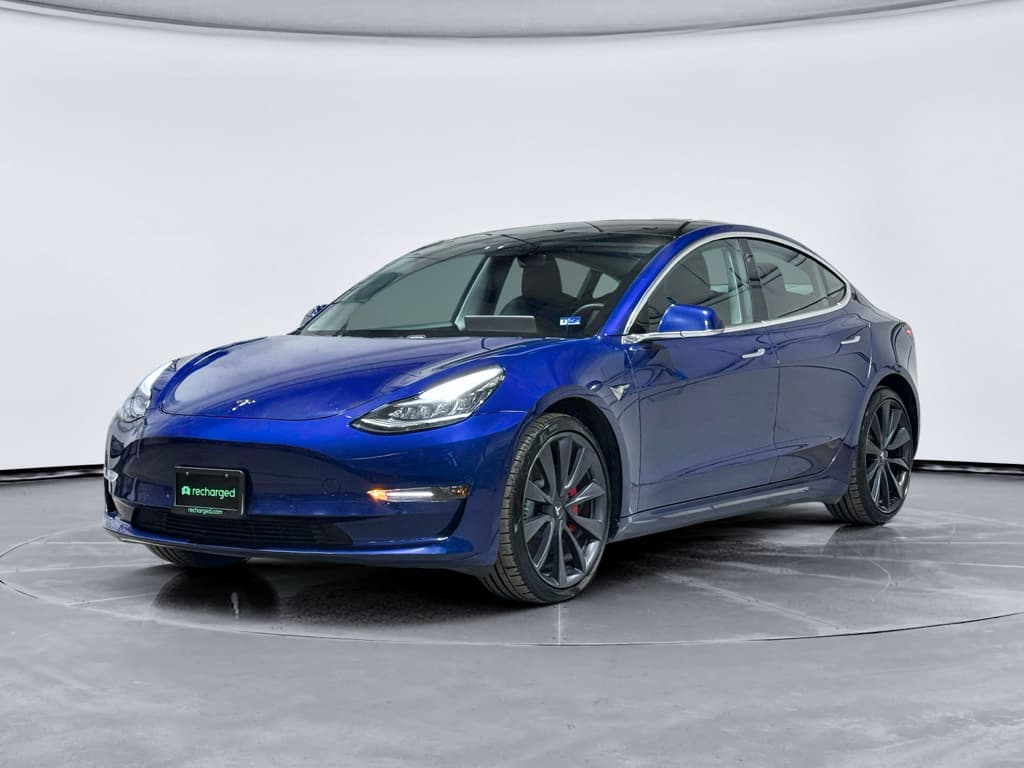
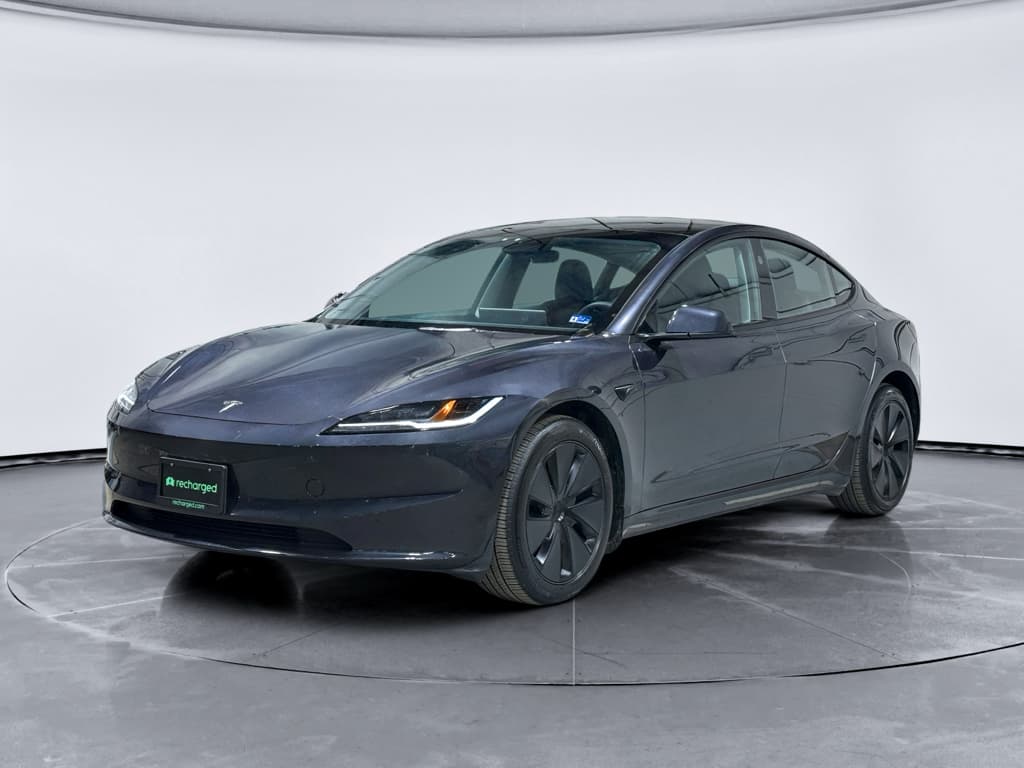
In terms of driving experience per dollar, a relatively affordable Tesla, such as a Model 3 or Model Y Standard, paired with FSD (Supervised) can undercut many premium luxury EVs that cost far more but deliver similar or less capable driver assistance.
Watch for bundled software on used Teslas
How subscriptions change what “cheapest” really costs
The cheapest window sticker is not automatically the cheapest self‑driving experience. In 2026, most advanced systems now live behind subscriptions, free trials, or over‑the‑air unlocks. That can be good news if you’re flexible, and bad news if you assume a feature will be free forever.
Two ways to pay for “self-driving” in 2026
Up‑front hardware vs. ongoing software fees
1. Buy it up front
Some brands still let you pay a one‑time fee to unlock advanced driver assistance for the life of the car. That might mean adding a BlueCruise or Super Cruise package, or paying up front for Tesla FSD (when one‑time pricing is offered).
- Higher initial cost
- No surprise monthly bills
- Feature often adds resale value
2. Subscribe by the month
Other systems are moving to a pure subscription model. Think of Tesla’s $99/month FSD (Supervised) subscription or hands‑free highway packages that renew yearly.
- Smaller up‑front hit
- Can pause during months you don’t road‑trip
- Over years, can cost more than a one‑time unlock
Do the math before you sign
Saving big with a used EV that has hands‑free tech
If your real goal is “cheapest practical self‑driving,” a used EV with the right options already installed often beats any 2026 showroom deal. Depreciation hits the car’s price far harder than it hits the value of its software.
Used EV examples that can offer advanced driver assistance
Exact pricing varies, but these are the kinds of vehicles savvy shoppers target.
Ford Mustang Mach‑E
Many 2021–2025 Mach‑E models were ordered with BlueCruise or BlueCruise‑prep packages.
A used Mach‑E with active BlueCruise can deliver hands‑free highway driving for far less than a new 2026 model.
Chevy Bolt EUV & early Equinox EV
Select trims of GM’s EVs can offer Super Cruise or strong lane‑centering with adaptive cruise.
Because older EVs depreciate quickly, you can often get the tech you want for thousands less than new.
Tesla Model 3 / Model Y
Earlier Model 3 and Model Y examples may have Enhanced Autopilot or FSD already enabled.
If that software stays with the car, you get advanced capability at used‑car pricing.
How Recharged can help
- Confirm which hands‑free or driver‑assist features are actually installed
- See which subscriptions are required and what they cost
- Avoid overpaying for buzzwords that don’t match real capability
Ready to find your next EV?
Browse VehiclesHow to shop smart for a cheap self‑driving car in 2026
Step‑by‑step checklist for finding the cheapest self‑driving setup
1. Decide what you really need
Is <strong>hands‑free highway</strong> a must, or would good lane‑centering and adaptive cruise solve 90% of your pain? Being honest about your use case keeps you from paying for tech you won’t use.
2. Set a total budget, not just a car price
Include <strong>software unlocks, subscriptions, insurance, and charging</strong> in your math. A cheaper car with an expensive subscription can wind up costing more overall than a slightly pricier vehicle with a one‑time package.
3. Target models that offer your tech on mid‑level trims
The real sweet spot is a mainstream EV or crossover where hands‑free tech is available on a <strong>mid‑grade trim</strong>, not just the fully loaded flagship. Ford, GM, Nissan, Hyundai, and others are all pushing this way.
4. Cross‑shop new vs. used
Price out a new 2026 model with the options you want, then compare it with a <strong>2–4‑year‑old EV</strong> that already has similar tech installed. The used example is often thousands cheaper for essentially the same capability.
5. Verify exactly what’s installed
Don’t rely on vague descriptions like “driver assist package.” Check the build sheet, window sticker, or a trusted marketplace listing for <strong>specific system names</strong> (BlueCruise, Super Cruise, ProPILOT Assist 2.0, FSD (Supervised), etc.).
6. Test the system yourself
On a test drive, spend time on the highway with the system engaged. Make sure its behavior and alerts feel natural to you; the cheapest system isn’t a bargain if you don’t trust using it.
Common pitfalls when chasing the “cheapest” self‑driving car
- Assuming every car with adaptive cruise is “self‑driving.” Many vehicles have basic assistance but never allow true hands‑free use.
- Ignoring subscription fine print. That free 3‑month trial of hands‑free driving may jump to a hefty monthly fee later.
- Overlooking driver monitoring. Systems that don’t watch your eyes tend to require constant wheel input, which can feel more fatiguing than helpful.
- Paying luxury‑car prices for mid‑level capability. A well‑optioned mainstream EV often matches or beats the real‑world usefulness of a six‑figure luxury model.
Don’t let price trump safety
FAQ: cheapest self‑driving car 2026
Frequently asked questions about cheap self‑driving cars in 2026
Bottom line: what’s the real cheapest self‑driving car in 2026?
There isn’t a single magic answer to “What’s the cheapest self driving car 2026?” Instead, you’re choosing between mainstream EVs and crossovers with hands‑free highway systems, Teslas that unlock advanced capability via subscription, and used EVs where the previous owner already paid for the tech you want.
If you want the lowest possible monthly cost, a used EV with proven driver assistance is often your smartest play. If you crave cutting‑edge behavior and are willing to pay as you go, a more affordable Tesla with FSD (Supervised) or a new EV with a strong hands‑free package can be worth the premium. Either way, be brutally honest about what you need, read the subscription fine print, and count the total cost over the years you’ll own the car.
When you’re ready to run the numbers on specific used EVs, Recharged is built for exactly this kind of decision. With verified battery health, transparent pricing, and clear documentation of driver‑assistance features, you can shop nationwide and zero in on the car that gives you the most self‑driving help for the least money, without guessing what’s really included.