If you’re hunting for the cheapest EV in 2025, the answer isn’t as simple as the lowest MSRP on a window sticker. Incentives are shifting, used prices are falling, and battery health can turn a “bargain” electric car into an expensive mistake. This guide walks you through the most affordable new and used EVs available today, and how to choose the one that’s genuinely cheapest for your wallet over the long haul.
Quick Snapshot
Why “Cheapest EV” Means More Than Sticker Price
When people ask about the cheapest electric vehicle, they usually mean “What’s the lowest price I can pay to get into an EV?” That’s a good starting point, but the real cheapest EV is the one that costs you the least over the years you own it. Purchase price, battery health, charging costs, maintenance, incentives, and resale value all play a role.
- Purchase price: New vs. used, and whether you’re paying cash, financing, or leasing.
- Energy costs: Your local electricity rates versus what you’d pay for gasoline.
- Battery condition: A tired battery means lost range and lower value.
- Incentives and policy: Federal and state EV incentives are in flux through 2026.
- Resale value: Some EVs hold value better than others, which matters when you’re ready to sell or trade.
Think Total Cost, Not Just Price
Cheapest New EVs in 2025 at a Glance
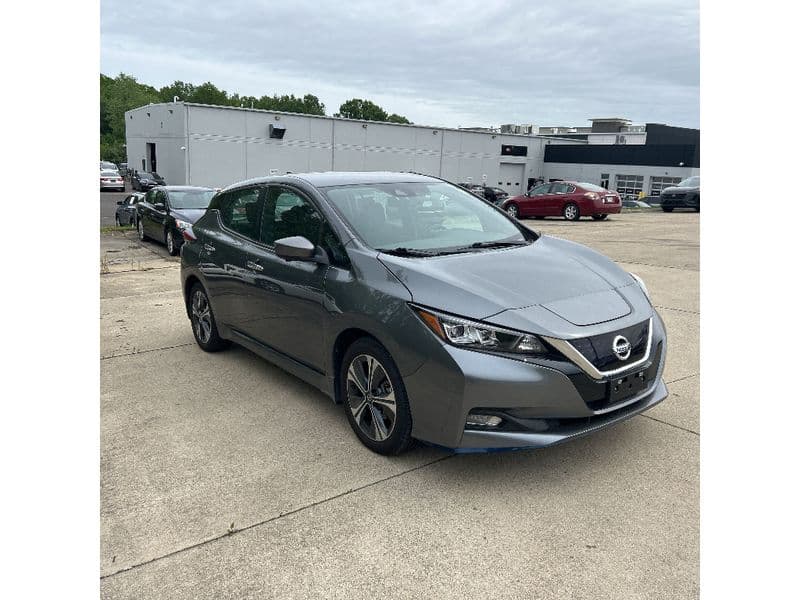
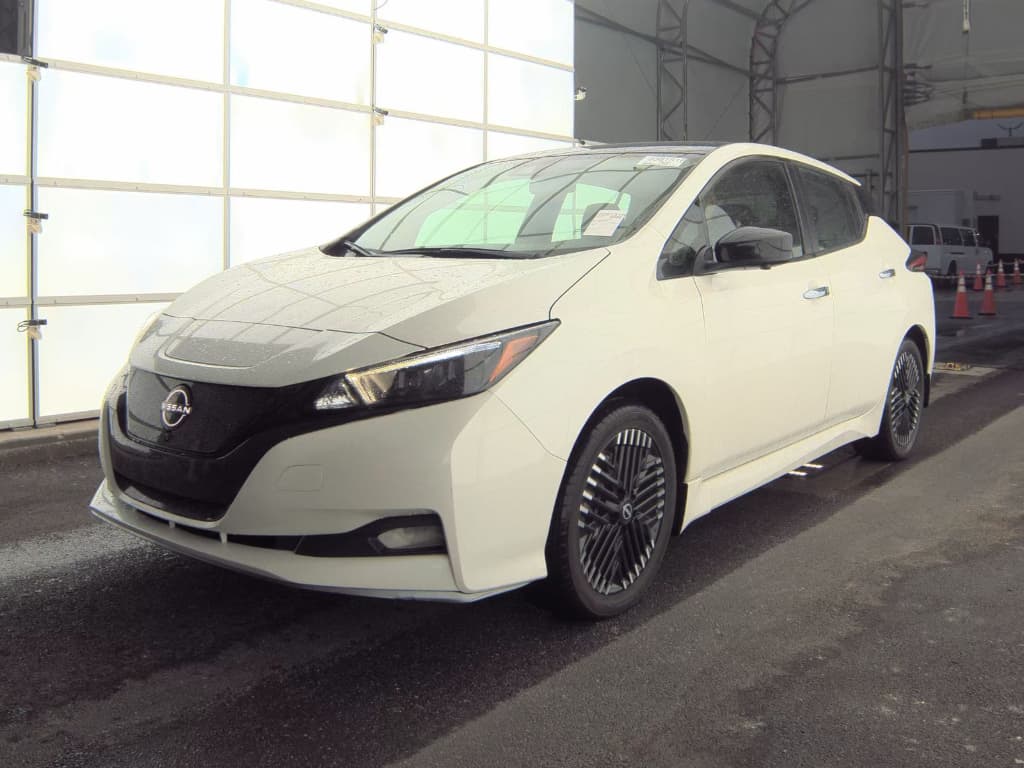
Several reputable sources agree that the 2025 Nissan Leaf currently wears the crown as the cheapest new EV in the U.S. market, with other compact hatchbacks and crossovers not far behind. Here’s a simplified snapshot of today’s most affordable new electric cars (MSRPs shown before destination and any incentives):
Top 10 Cheapest New EVs in 2025 (U.S.)
Approximate starting MSRPs for popular new electric vehicles as of late 2025. Always confirm current pricing with a dealer, as discounts and fees can move these numbers.
| Rank | Model (2025 MY) | Approx. Base MSRP | EPA/Est. Range (Base Trim) | Body Style |
|---|---|---|---|---|
| 1 | Nissan Leaf S | $28,000–$29,500 | ~149 miles | Compact hatchback |
| 2 | Fiat 500e Inspi(RED) | Around $30,500–$32,500 | ~149 miles | City hatchback |
| 3 | Hyundai Kona Electric | Mid-$34,000s | ~260 miles (est.) | Subcompact SUV |
| 4 | Chevrolet Equinox EV | ~$34,995 | ~319 miles (base est.) | Compact SUV |
| 5 | Hyundai Kona Electric (higher trims) | $35,000+ | Up to ~319 miles (est.) | Subcompact SUV |
| 6 | Toyota bZ4X / bZ | High-$30,000s | ~252 miles+ | Compact SUV |
| 7 | Ford Mustang Mach-E | Upper-$30,000s | ~250 miles (base) | Crossover |
| 8 | Hyundai Ioniq 6 | Upper-$30,000s | ~240 miles (base) | Sedan |
| 9 | Subaru Solterra | Around $40,000 | ~220+ miles | SUV |
| 10 | Kia Niro EV | ~$41,000 | ~239 miles (est.) | Small SUV |
Starting prices only, features, range, and local incentives can meaningfully change the value equation.
Prices Move, Check Locally
Are Cheap New EVs Really a Good Deal?
Advantages of a Cheap New EV
- Full warranty coverage on the battery and powertrain, often 8 years/100,000 miles or more.
- Latest safety and driver-assistance tech that older EVs may lack.
- Lower risk of surprise repairs in the first few years.
- Simple shopping: MSRP is easy to compare, and you can factory-order what you want.
Limitations to Watch
- Many of the cheapest EVs have shorter range (often under 200 miles).
- Some budget models still use older fast-charging standards or slower DC charging.
- Monthly payments can be higher than for a used EV, even if MSRP looks low.
- Incentives and tax credits are in flux; you can’t count on them the way you could a few years ago.
If your driving is largely local, commuting, school runs, errand duty, a cheaper new EV like the Leaf or 500e can be a very smart buy. But if you regularly drive long distances, you might find more value in a slightly pricier EV with a larger battery or in a used EV that offers more range per dollar.
Why Used EVs Are Often the True Cheapest EVs
Used EV Affordability Snapshot
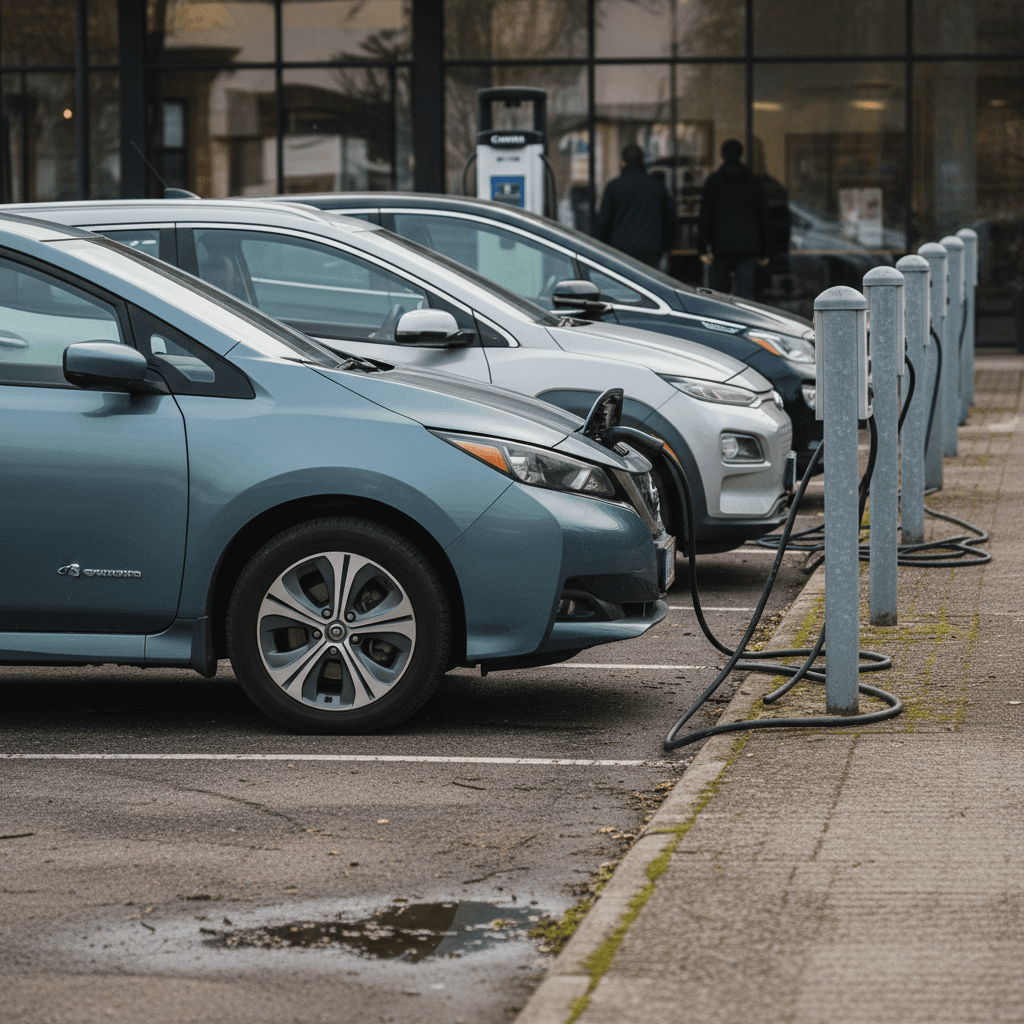
Because early adopters are trading out of their vehicles and more EVs are coming off lease, the used market is where the true cheap EV action is. It’s now routine to find 3–5-year-old EVs with over 200 miles of range priced in the mid-$20,000s, and sometimes less, especially for models like the Chevrolet Bolt, Hyundai Kona Electric, and earlier Tesla Model 3s.
Where Recharged Fits In
Ready to find your next EV?
Browse VehiclesMost Affordable Used EV Models to Target
If you’re shopping the used market with a budget in the $20,000–$30,000 range, several models consistently stand out for value, range, and availability.
Used EVs That Often Offer the Best Bang for the Buck
Actual pricing varies by mileage, condition, and incentives, but these nameplates are the usual suspects when you’re chasing the cheapest EV with real range.
Chevrolet Bolt EV / EUV
Frequently among the lowest-priced used EVs with 200+ miles of range. Later models adopted faster charging and improved interiors.
- Typical used price: often in the low-to-mid $20,000s
- EPA range: around 247–259 miles depending on year
- Ideal for: commuters and city dwellers who want maximum range per dollar
Tesla Model 3 (Earlier Years)
As prices have softened, early Model 3s can land close to mainstream used sedans.
- Typical used price: high $20,000s and up, depending on trim and mileage
- EPA range: 220–310 miles on many 2018–2021 models
- Ideal for: buyers who want access to Tesla’s Supercharger network and robust software features
Hyundai Kona Electric & Kia Niro EV
These Korean crossovers combine solid range with relatively low used prices.
- Typical used price: mid-$20,000s for 3–5-year-old examples
- EPA range: up to ~258 miles (Kona) and ~239 miles (Niro)
- Ideal for: families who want a small SUV shape without big-SUV payments
You’ll also see competitive pricing on cars like the Volkswagen ID.4, Nissan Leaf Plus, and the Ford Mustang Mach‑E as more of them enter the secondhand market. The key is comparing range, battery health, and how you’ll actually use the car, not just hunting for the lowest asking price.
Understanding Total Cost of Ownership
To find the cheapest EV for you, focus on total cost of ownership (TCO) instead of purchase price alone. For most owners, four big buckets matter: purchase/financing, energy, maintenance, and depreciation.
1. Purchase, Financing & Insurance
- Purchase price: New-car MSRPs are higher, but used EVs vary widely based on range and brand.
- Financing: Interest rates and loan length dramatically change your monthly outlay.
- Insurance: EVs can cost more to insure, especially high-performance or luxury models.
At Recharged, you can see pricing benchmarks and explore EV-specific financing so your payment fits your budget.
2. Energy, Maintenance & Depreciation
- Electricity vs gas: Many owners save significantly on fuel, but high local electricity rates can shrink the gap.
- Maintenance: EVs generally need fewer services (no oil changes, fewer moving parts), but tires and brakes still matter.
- Depreciation: Some models, especially those with outdated charging standards or short range, fall in value faster.
Buying used lets someone else take the steepest early depreciation hit.
How to Compare Two EVs Quickly
Battery Health: The Make-or-Break Factor
On a used gas car, you’d never buy without checking the engine. On a used EV, the battery pack is just as critical, arguably more so. It determines not only your range today, but your range five years from now and how much the car will be worth when you sell.
- State of health (SoH): A measure (usually in %) of how much capacity the battery retains versus new.
- Fast-charging history: Excessive DC fast charging can accelerate degradation in some chemistries.
- Climate and storage: Hot climates and long periods at full charge or 0% aren’t kind to batteries.
- Software limits: Some cars show range reductions due to software or battery buffers, not just physical wear.
How Recharged De-Risks Used EV Shopping
How to Shop for the Cheapest EV Step by Step
Step-by-Step Plan to Find Your Cheapest EV
1. Define Your Real Range Needs
Look at your actual daily and weekly driving. If you rarely exceed 80–100 miles in a day, a modest-range EV could be your cheapest option. If you road‑trip often, prioritize range and charging speed over bottom-dollar pricing.
2. Set a Total Monthly Budget
Instead of fixating on sticker price, decide what you’re comfortable paying per month, including financing, insurance, and charging. That gives you a clear price bracket for both new and used EVs.
3. Decide: New vs. Used
If you want a full warranty and simple shopping, a new Nissan Leaf or Kona Electric may make sense. If you want more car for the money, aim for a used Bolt, Tesla, Kona, or similar, ideally 2–5 years old.
4. Narrow by Charging Standard & Use Case
Make sure the EV you’re considering uses charging standards that fit your area and future plans. Many newer EVs now include NACS (Tesla-style) ports or adapters, making it easier to tap into the Supercharger network.
5. Demand Battery Health Data on Used EVs
Ask for a recent battery health report or diagnostic scan. On Recharged, this is baked into the Recharged Score so you can compare cars side by side instead of guessing from odometer readings.
6. Compare Offers and Financing
Gather quotes on a few shortlisted vehicles. At Recharged, you can get an instant value for your trade-in, explore financing, or even consign your current car to lower your out-of-pocket cost.
Common Mistakes People Make With Cheap EVs
Avoid These Costly Pitfalls
- Buying solely on price without thinking about how much range you’ll lose under cold weather, highway speeds, or battery degradation.
- Ignoring the charging standard and discovering later that fast chargers near you don’t match your car without an adapter, or at all.
- Skipping a battery health check on a used EV and ending up with significantly less range than advertised.
- Overestimating incentives and building your budget around tax credits that might be phasing out or that you don’t actually qualify for.
- Financing for too long on a model that’s depreciating quickly, which can put you “upside down” on the loan.
If you sidestep these traps, a budget EV can be a terrific value, quiet, quick around town, and far cheaper to run than a comparable gas car in many regions.
FAQ: Cheapest EV Questions Answered
Frequently Asked Questions About the Cheapest EVs
Key Takeaways on Finding the Cheapest EV
If you only look at sticker prices, the Nissan Leaf and a handful of small hatchbacks carry the “cheapest EV” crown in 2025. But when you factor in range, battery health, depreciation, and how you actually drive, many shoppers will come out ahead with a well‑chosen used EV, often a Chevrolet Bolt, Tesla Model 3, Hyundai Kona Electric, or similar model purchased at a fair market price.
The smartest move is to decide how much range you really need, set a realistic monthly budget, and insist on hard data about battery condition before you commit. That’s why Recharged builds every purchase around a Recharged Score Report, EV‑savvy financing, and transparent pricing. When you combine that kind of information with a thoughtful shopping process, the cheapest EV isn’t just the one with the lowest price tag, it’s the one that fits your life and saves you real money over the years you own it.