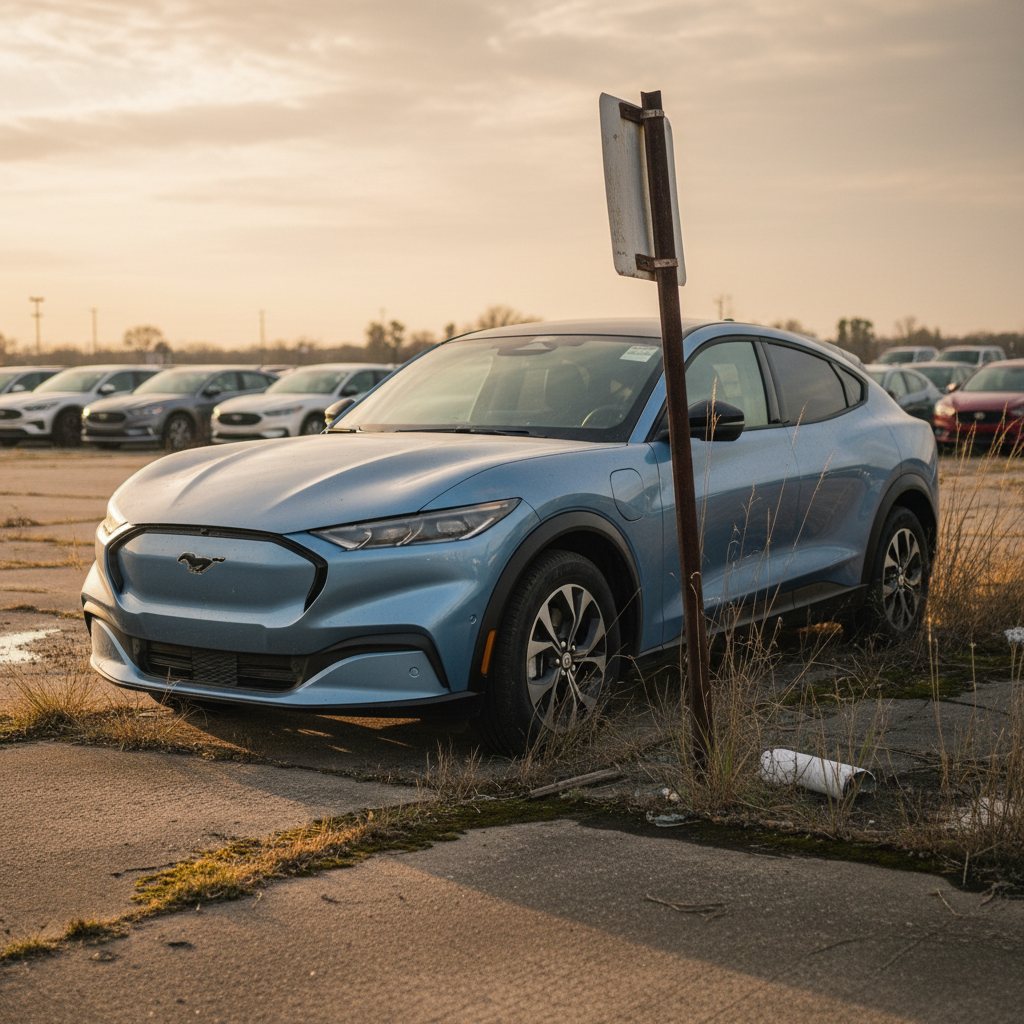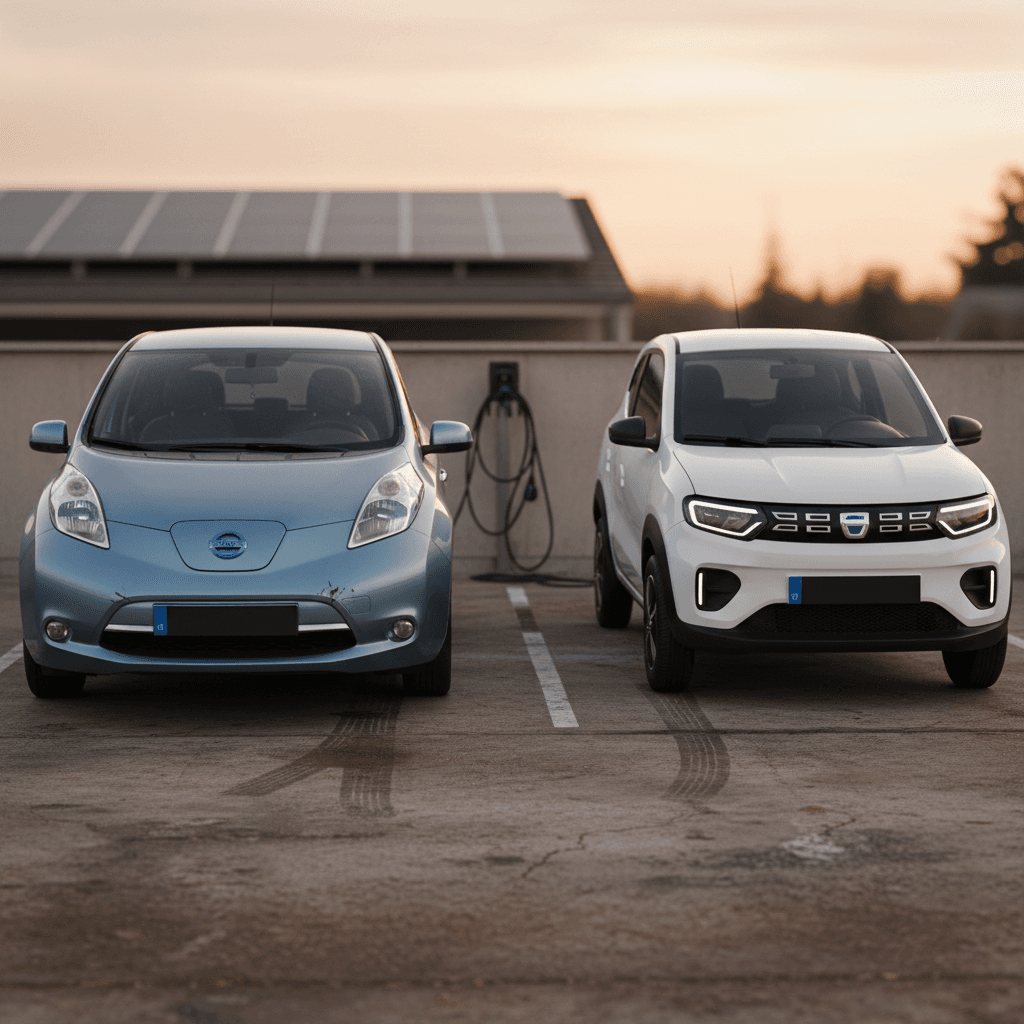
If you’re hunting for the cheapest electric car in 2025, you’ve probably seen everything from bargain‑priced used EVs under $20,000 to new models advertised as “sub‑$30K.” The good news: real deals are out there. The bad news: the rock‑bottom price on the windshield doesn’t always equal the lowest long‑term cost, or the car you’ll be happy to live with for years.
Quick take
Why the “cheapest electric car” isn’t always the best deal
Most shoppers start with one question: “What’s the lowest price I can pay?” That’s understandable. But with EVs, you also have to ask: “What’s the battery health like? How far will it actually go on a charge? What will it cost me to keep on the road?” A $15,000 electric hatchback with a tired battery can frustrate you more than a $22,000 car with healthy range and lower running costs.
Sticker price
The sticker is easy to compare: one EV is $18,000, another is $24,000. But that’s only the up‑front cost. It doesn’t reflect how long the battery will last, what you’ll spend on charging, or whether you’ll need to replace expensive components soon.
True cost
The real bargain is the car that gives you usable range, low maintenance, predictable charging costs, and enough life left in the battery to own it for years. That’s why it pays to look beyond the cheapest electric car listing and focus on value per mile.
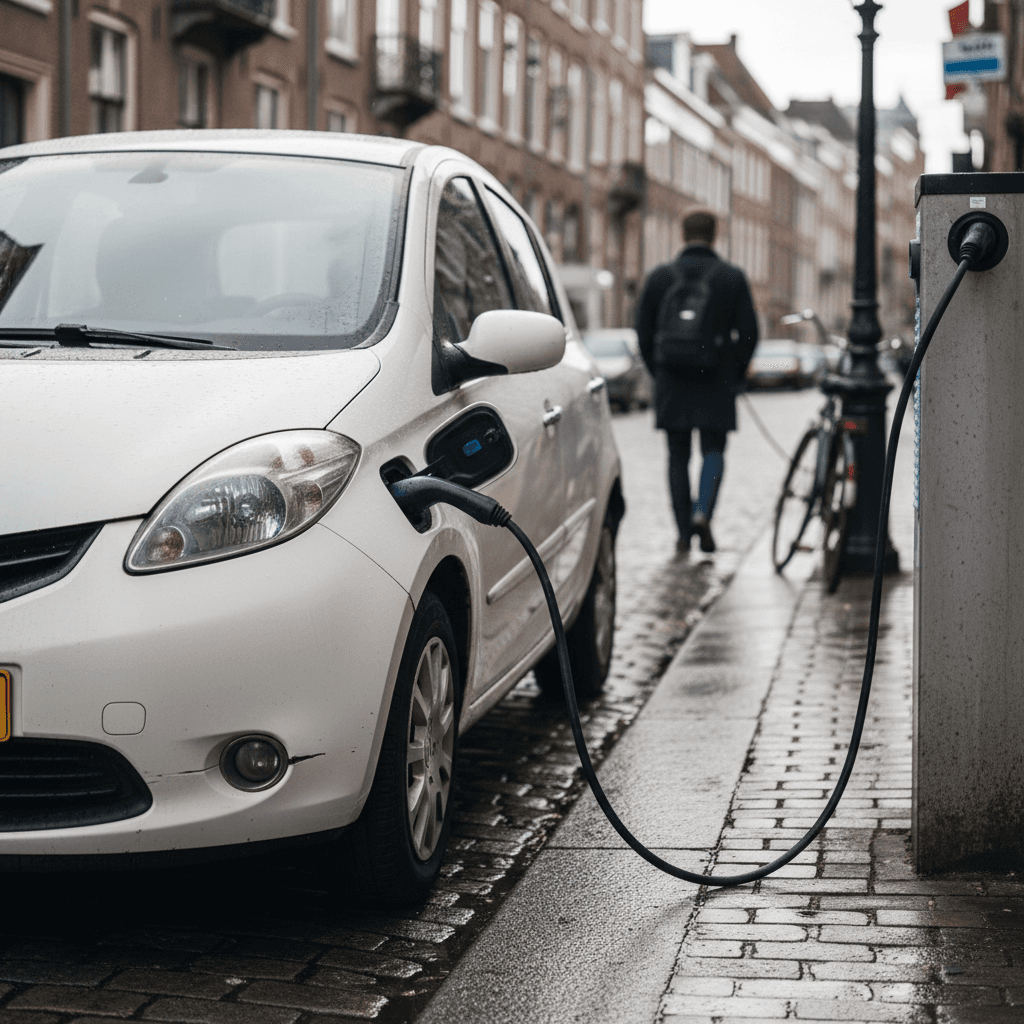
Cheapest new electric cars in 2025
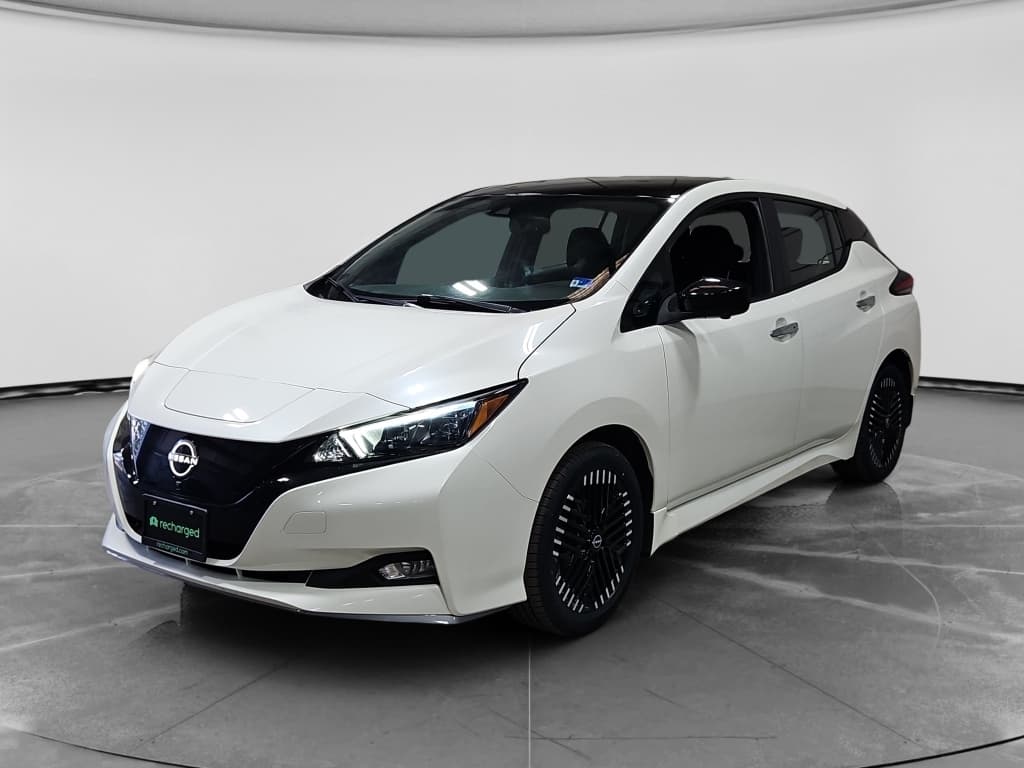
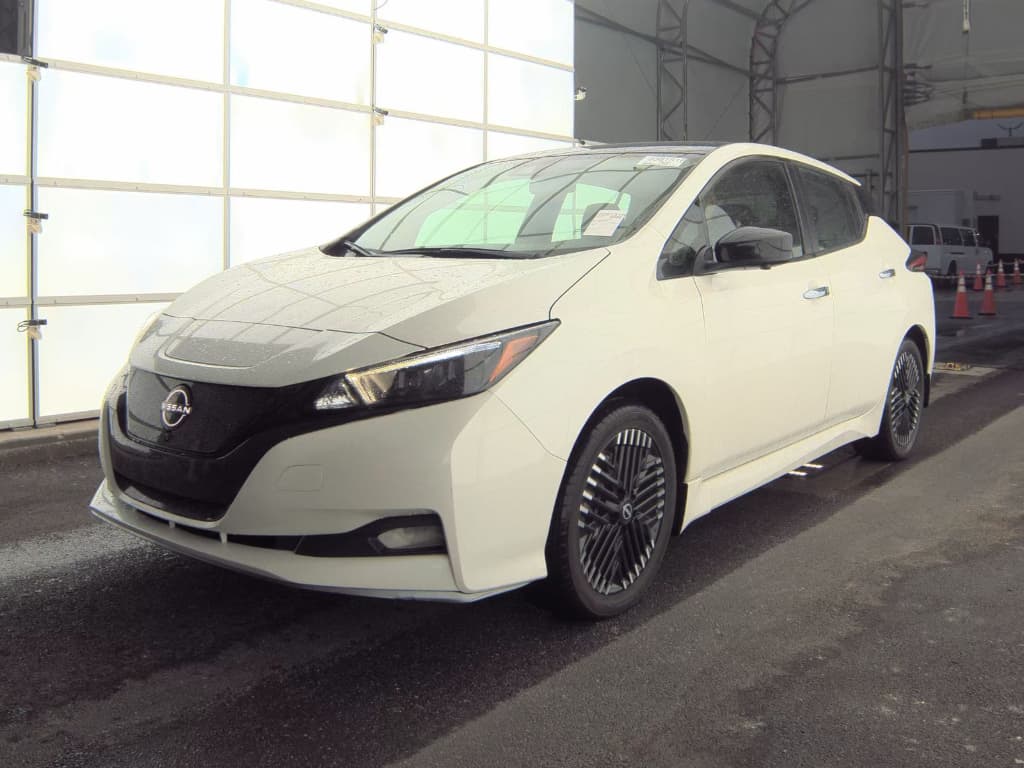
New‑car prices shift constantly, but as of late 2025, the Nissan Leaf still anchors most “cheapest electric car” rankings in the U.S. Several other compact EVs fall into the under‑$40,000 bracket, but few match the Leaf’s base price.
Representative cheapest new electric cars (late 2025, U.S.)
Approximate starting MSRPs before destination and local incentives. Always verify current pricing with a dealer in your area.
| Model | Approx. starting price (MSRP) | EPA range (base trim) | Key notes |
|---|---|---|---|
| Nissan Leaf (current gen) | Low $30,000s with destination | Around 150–200 miles (battery dependent) | One of the lowest‑priced new EVs; older CHAdeMO DC fast‑charging standard |
| Mini Cooper Electric | Low–mid $30,000s (est.) | Roughly 200 miles (model dependent) | Fun to drive but snug and with modest range |
| Hyundai Kona Electric | Mid $30,000s | ~260 miles | Strong range for the money; compact crossover packaging |
| Hyundai Ioniq 6 | Around $39,000 | Up to ~361 miles (select trims) | Not the cheapest sticker, but highly efficient sedan |
| Kia Niro EV | Low $40,000s (est.) | ~250 miles | Roomy small crossover; often discounted in competitive markets |
These aren’t the only affordable EVs on sale, but they’re among the most commonly cited when shoppers ask about the cheapest electric car you can buy new.
A moving target
You might also hear about future sub‑$30K EVs from various brands, or Tesla’s long‑discussed lower‑cost model. Until those cars actually show up on dealer lots, don’t plan your budget around them. If you want an electric car in the next 6–12 months, shop what’s actually available today.
How cheap are used EVs right now?
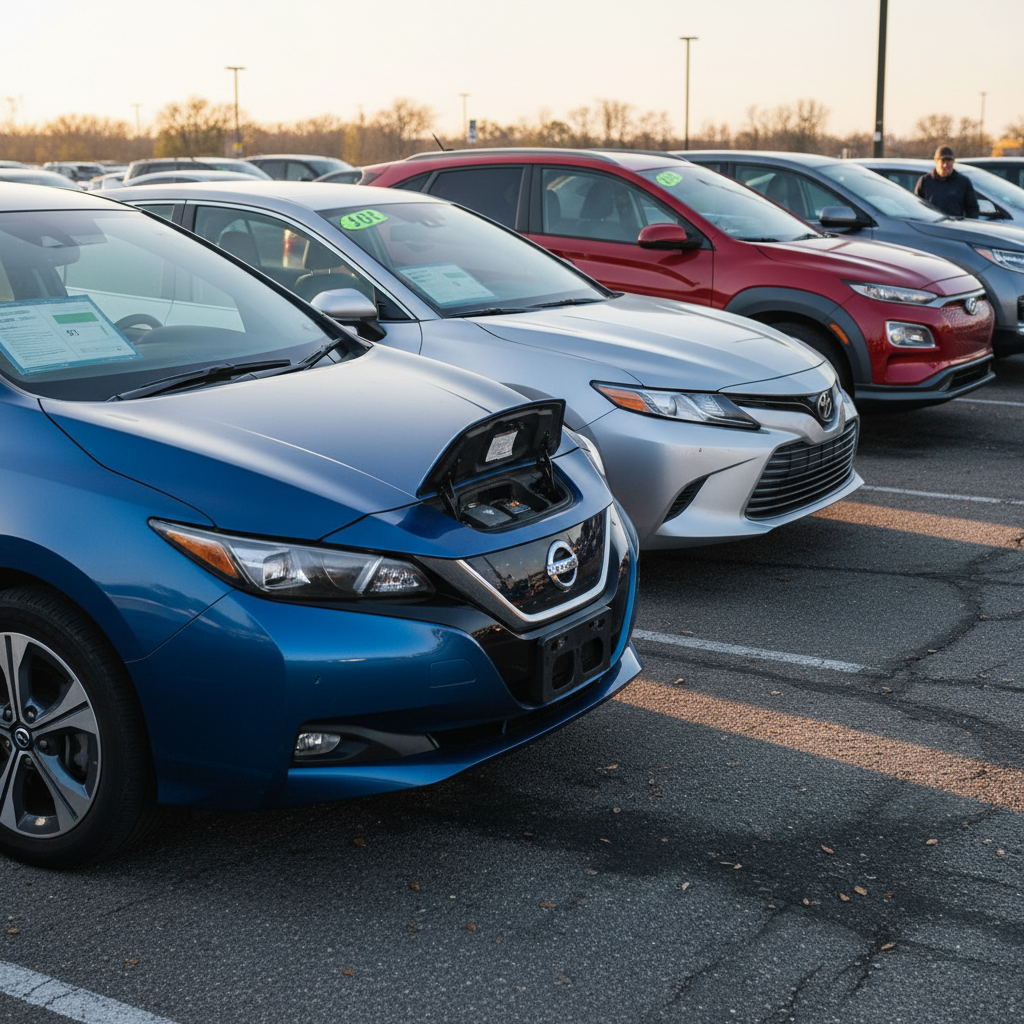
Here’s where the game really changes. After big price drops in 2023–2024, used EVs are often cheaper than comparable used gas cars. Recent market data shows average used EV prices hovering in the mid‑$20,000s in late 2024, several thousand dollars below the typical used gasoline car. That gap has stuck around as we’ve moved into 2025.
Used EV price snapshot
For someone chasing the cheapest electric car, that sub‑$20K space is where things get interesting. Depending on your market and timing, you can sometimes find a Leaf, Bolt EV, or similar compact EV in the mid‑teens. The catch: older cars vary wildly in condition, equipment, and, most importantly, battery health.
Total cost of ownership: what really makes an EV cheap
A lot of buyers stop at purchase price, but the cheapest electric car to buy isn’t always the cheapest to own. With EVs, you need to look at total cost of ownership, what the car costs you over several years, not just on day one.
Five cost factors that matter more than just price
Run through these before you zero in on a “cheap” EV.
1. Energy cost
Electricity is usually cheaper per mile than gasoline, especially if you can charge at home on off‑peak rates. But public DC fast charging can be pricey. Estimate where you’ll charge most of the time and what your local $/kWh looks like.
2. Maintenance & repairs
EVs skip oil changes and have fewer moving parts, but don’t assume they’re maintenance‑free. Out‑of‑warranty battery or power electronics repairs can be expensive, and tires on heavier EVs may wear faster.
3. Range & usability
A super‑cheap EV with 80–100 miles of real‑world range might work for a short commute, but leave you renting a gas car for road trips. A slightly higher‑priced EV with 200+ miles of range can be cheaper if it replaces more of your other driving.
4. Warranty coverage
Many EVs carry 8‑year/100,000‑mile battery warranties from new. On a used car, check how many years and miles remain. A cheap EV that’s still under battery warranty can be a very safe bet.
5. Financing costs
The interest rate and term you qualify for can change your monthly cost more than a $1,000 swing in purchase price. That’s where pre‑qualification and comparing offers really matter.
6. Charging access
If you can install home Level 2 charging, even a shorter‑range, cheaper EV can be painless to live with. If you depend on public chargers, you’ll want more range and faster DC charging, even if you pay a bit more up front.
Think in cost‑per‑mile
Battery health: the hidden variable in cheap EVs
With a gasoline car, you might worry about a worn‑out engine. With EVs, the equivalent is a tired battery pack. Two used Leafs from the same year and mileage can behave very differently based on how they were charged, how hot their climate was, and how they were driven. That’s why battery health is the single biggest unknown when you’re chasing a cheap used EV.
How to evaluate battery health on a budget EV
1. Look for a real battery health report
A generic “runs great!” description isn’t enough. You want a numeric state of health (SoH) or capacity rating, ideally based on professional diagnostics rather than a dashboard guess.
2. Compare rated vs. actual range
Take the car on a test drive or ask the seller what range they see at 100% charge. If an EV that was rated for 250 miles new now shows 170–180 miles, that tells you a lot about its remaining capacity.
3. Check charging history if available
Heavy DC fast‑charging, repeated 100% charges, and frequent deep discharges can accelerate degradation. Not every seller will have this data, but when they do, it’s gold.
4. Understand the warranty situation
If the battery is still under the factory warranty and below the mileage limit, you have a safety net. If it’s out of warranty, you should only proceed if the price clearly reflects the battery’s condition.
5. Ask how the battery was tested
Was it just an OBD‑II dongle and an app, or a more thorough diagnostic? At <strong>Recharged</strong>, every car gets a <strong>Recharged Score</strong> with verified battery health, so you know what you’re buying before you click “Buy.”
Where Recharged fits in
Ready to find your next EV?
Browse VehiclesBest cheap EVs by use case
Different drivers need different things from the “cheapest electric car.” A city‑dweller with a short commute doesn’t need the same range, or spend the same money, as someone doing long highway drives. Here’s how I’d think about it based on real‑world scenarios.
Which cheap EV fits your life?
Representative examples, not exhaustive lists, but a good starting point for your search.
Urban commuter, 20–40 miles a day
- Used Nissan Leaf (earlier generations): very low purchase prices, fine if you mainly do short trips and charge at home.
- Used Chevy Bolt EV: more range than early Leafs, compact size, and often very aggressive used pricing.
Prioritize battery health and local service support over bells and whistles.
Budget‑conscious suburban family
- Used Hyundai Kona Electric or Kia Niro EV: practical shapes and solid range in the 200+ mile ballpark.
- Look for lower‑trim models; you don’t need every option to get the benefits.
A slightly higher purchase price may be worth it for the extra range and space.
Frequent highway driver
- A “cheapest” EV with short range can be a headache here. Consider a used Tesla Model 3, Hyundai Ioniq 5/6, or similar if budget allows.
- Factor in charging network coverage on your typical routes.
You may spend more up front but save on road‑trip frustration.
Second car for around‑town errands
- Here, the absolute cheapest electric car can make sense: a short‑range Leaf, Fiat 500e, or similar.
- Even 80–100 miles of real‑world range can be plenty if you rarely leave the neighborhood.
Just be honest about whether the EV will ever need to pinch‑hit for longer drives.
Local availability matters
Financing and deals: how to lower your payment
One of the easiest ways to make an EV “cheaper” is to reduce the cost of money. EV incentives have shifted a lot in 2025, and the loss of the federal tax credit has changed the math, but lenders and manufacturers are still competing for your business. That means the right financing plan can matter as much as a small difference in sticker price.
Pre‑qualify without pressure
Before you fall in love with a specific car, it’s smart to get a sense of what you can comfortably afford. On Recharged, you can pre‑qualify for financing online with no impact to your credit score, see estimated monthly payments, and compare terms, all before you commit.
Leasing vs. buying used
For new EVs, some brands still effectively pass along savings through lease programs, even as federal incentives change. With used EVs, traditional financing often makes more sense. If you plan to keep the car for many years and you’re confident in the battery, buying used can deliver the lowest long‑term cost.
Smart money moves for budget EV shoppers
1. Decide on a monthly budget first
Work backward from what you’re comfortable spending each month, including insurance and charging costs, then choose cars and terms that fit that number.
2. Compare rates from multiple sources
Don’t accept the first rate you see. Compare bank, credit union, and online lender offers to anything a dealer or marketplace presents.
3. Consider total interest paid
A longer term can shrink the payment but increase total interest. If you’re choosing between two cars, look at the all‑in cost over the life of the loan, not just the monthly bill.
4. Factor in your trade‑in
If you’re selling a gas car to move into an EV, shop that car around. A strong trade‑in or instant‑offer price can effectively make a more capable EV just as affordable as a bare‑bones model.
Checklist before you buy the “cheapest” electric car
Before you sign on the dotted line for the lowest‑priced EV you can find, pause and walk through this quick decision checklist. It could be the difference between a satisfying bargain and buyer’s remorse.
Final reality check for cheap EV shoppers
1. Does this EV realistically cover 90% of your trips?
If you’ll constantly need a second vehicle for normal driving, the “cheap” EV may cost more in rentals, ride‑shares, and hassle.
2. Is the battery health documented and acceptable?
Aim for clear, third‑party data on remaining capacity, not just a guess. If you’re shopping on Recharged, use the Recharged Score to compare cars apples‑to‑apples.
3. Have you checked home charging options?
Verify whether you can install a Level 2 charger or at least safely use a 120V outlet. If you rely on public charging, confirm there are stations you trust near your home and work.
4. Is the price aligned with the market?
Compare the listing to similar cars nationwide. If something is dramatically cheaper, ask why, and make sure the answer isn’t hidden battery or accident history.
5. Do the numbers still work if you keep the car longer?
A slightly higher price on a better‑condition EV that you keep for an extra few years can easily be the cheapest electric car you’ll ever own, on a cost‑per‑mile basis.
Don’t ignore charging standard and support
FAQ: cheapest electric car questions, answered
Common questions about the cheapest electric cars
Bottom line: focus on value, not just price
In 2025, the “cheapest electric car” is usually either a base Nissan Leaf on the new‑car side or a used Leaf, Chevy Bolt EV, or similar compact EV on the used side. But the smartest shoppers don’t stop at the sticker. They look at battery health, range, charging access, and total cost of ownership to figure out which car will actually be cheapest, and least stressful, over the next several years.
If you’re ready to move from research to action, start by clarifying how you’ll use your EV, what you can comfortably afford each month, and what range you truly need. Then compare a few candidates, new and used, side by side. A transparent marketplace like Recharged, with verified battery diagnostics, fair market pricing, EV‑specialist support, and nationwide delivery, can make that process much easier. When you pick the right car for your life rather than just the lowest advertised price, you don’t just get the cheapest electric car, you get a genuinely good deal.