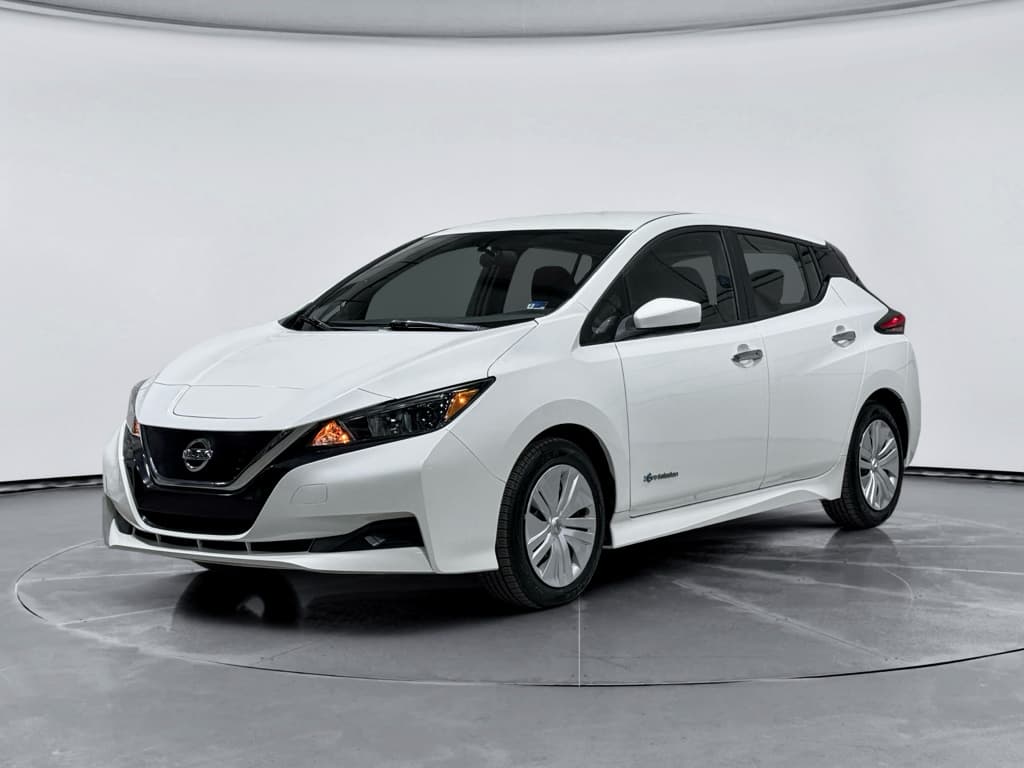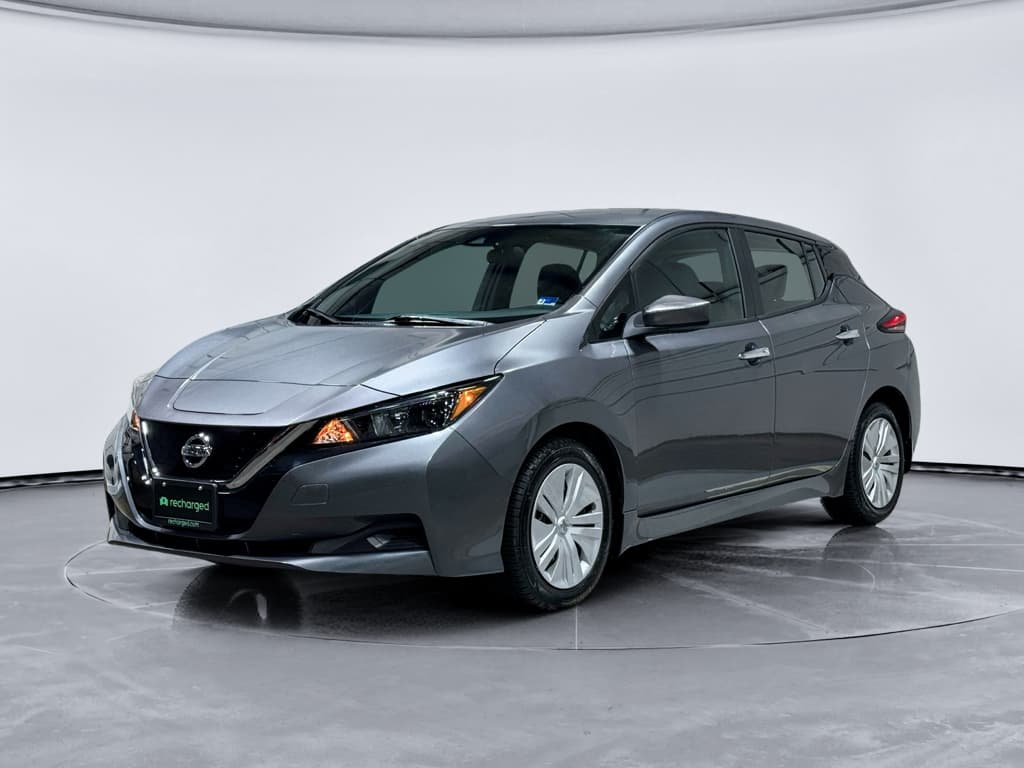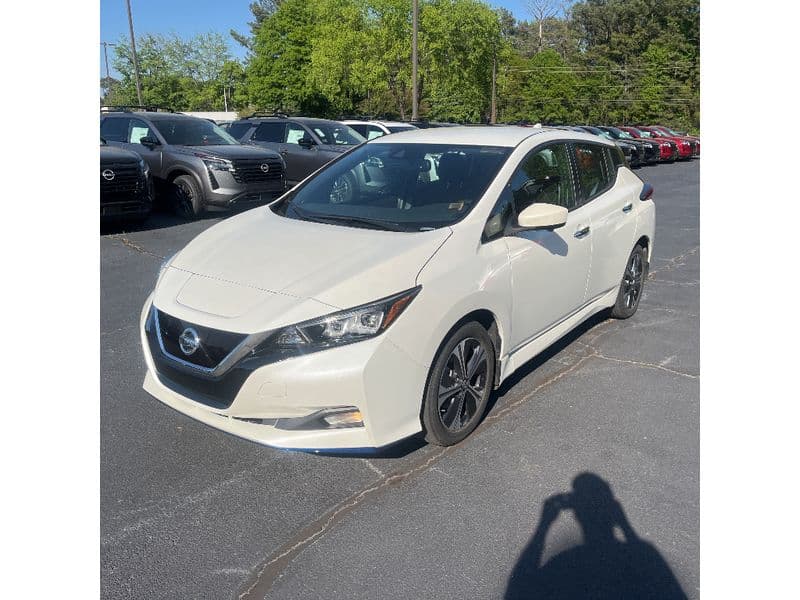
If you’re looking for the cheapest electric car under $10,000, you’re shopping at exactly the right time. Early EVs have dropped hard in value, and in many U.S. markets you can now find usable electric commuters for well under ten grand. The catch: some of these bargains are fantastic, others are one expensive battery problem away from being scrap.
Quick reality check
Why used EVs under $10,000 are suddenly everywhere
The budget EV market in 2025 at a glance
There are three big reasons you’re now seeing electric cars under $10,000 on used lots and classifieds: 1. Rapid depreciation on early EVs. Early models like the Nissan Leaf, Fiat 500e, Chevy Spark EV, and BMW i3 launched with short range by today’s standards. As 250–300‑mile EVs arrived, demand for 80‑mile commuters fell sharply. 2. Leases ending and fleets cycling out cars. Many of these cars were leased new or used as corporate/fleet vehicles. As those terms end, they hit the used market in batches, pushing prices down. 3. Battery anxiety. Shoppers are wary of battery replacement costs, so values sink, sometimes more than the car’s actual real‑world usefulness deserves.
Who a sub-$10k EV fits best
Best cheap electric cars under $10,000 (used)
Exact pricing varies by region, mileage, and battery health, but as of 2025 there’s a fairly consistent cast of characters that show up when you search for the cheapest electric car under $10,000. Below are the models you’re most likely to see in that price band in the U.S. used market.
Common used EVs under (or near) $10,000
These are the models that most often show up in the sub‑$10K conversation. Prices assume typical 8–12‑year‑old used examples in average condition; ultra‑low prices usually come with higher miles or weaker batteries.
| Model | Typical Sub-$10K Years | Typical Used Price Range* | EPA Rated Range (when new) | DC Fast Charging |
|---|---|---|---|---|
| Nissan Leaf | 2011–2016 | $4,000–$9,000 | 73–107 miles | Optional on some years |
| Fiat 500e | 2013–2016 | $6,000–$10,000 | 84 miles | No DC fast charging |
| Chevy Spark EV | 2014–2016 | $7,000–$11,000 | 82 miles | Yes (CCS), very quick |
| BMW i3 (BEV) | 2014–2016 | $9,000–$14,000 | 81–114 miles | Yes (CCS) on most |
| VW e-Golf | 2015–2016 | $9,000–$14,000 | 83–83 miles | Yes (CCS) |
| Ford Focus Electric | 2012–2016 | $7,000–$11,000 | 76–115 miles | No DC fast charging on many |
Always confirm local market prices and battery health before assuming a specific car will fall under $10,000.
About those price ranges
What you actually get for under $10,000
What you do get
- A real commuter: usually 50–100 miles of usable range if the battery is in good shape.
- Extremely low running costs if you can charge at home overnight.
- Quiet, smooth driving and instant torque around town.
- Simple maintenance: no oil changes, fewer moving parts.
- Access to HOV lanes in some states (check current rules).
What you don’t get
- Road‑trip flexibility: these cars are not ideal highway cruisers.
- Cutting‑edge tech or driver‑assist features.
- Large cargo space, most are small hatchbacks.
- Long remaining factory battery warranty on the very cheapest examples.
- Future‑proof range; you’re buying what is now considered a short‑range EV.
Range is a moving target
Battery health: the make-or-break factor on cheap EVs
With gas cars, a cheap engine repair might be $1,500. With EVs, a worn‑out battery pack can easily dwarf the value of the entire car. That’s why a $7,500 car with a healthy pack can be a smart buy, while a $4,000 car with a dying pack is a financial trap.
Battery checks you should never skip
1. Look at the battery gauge, not just the odometer
Most EVs show battery capacity bars or a percentage of original health. On older Leafs, for example, each lost bar represents a chunk of lost usable range. Fewer bars = shorter trips and lower real value.
2. Ask for a recent, detailed battery report
Ideally you want a <strong>scan from a professional tool</strong>, not just a dashboard photo. At Recharged, every car gets a Recharged Score battery health diagnostic so you see degradation clearly before you buy.
3. Test real-world range on a long drive
If possible, drive a decent route and watch how quickly the state of charge drops. A car that loses 20% in a handful of city miles may have less usable capacity than the seller believes.
4. Check remaining battery warranty
Many EVs carry 8‑year/100,000‑mile battery warranties (sometimes longer). If the car is past that, you’re fully exposed to battery failure. If it’s still in, you may have some safety net, depending on the brand’s terms.
5. Research replacement & refurbishment options
For some models, used or refurbished packs exist at semi‑reasonable prices; for others, replacements are rare or cost more than the car. Knowing which camp your target model falls into is critical.
Non-negotiable rule
Cheap EVs that are usually worth hunting down
4 budget EVs that often make sense under $10K
Assuming acceptable battery health and clean history, these models frequently offer the best mix of price, range, and drivability for shoppers on a strict budget.
Nissan Leaf (2013–2016)
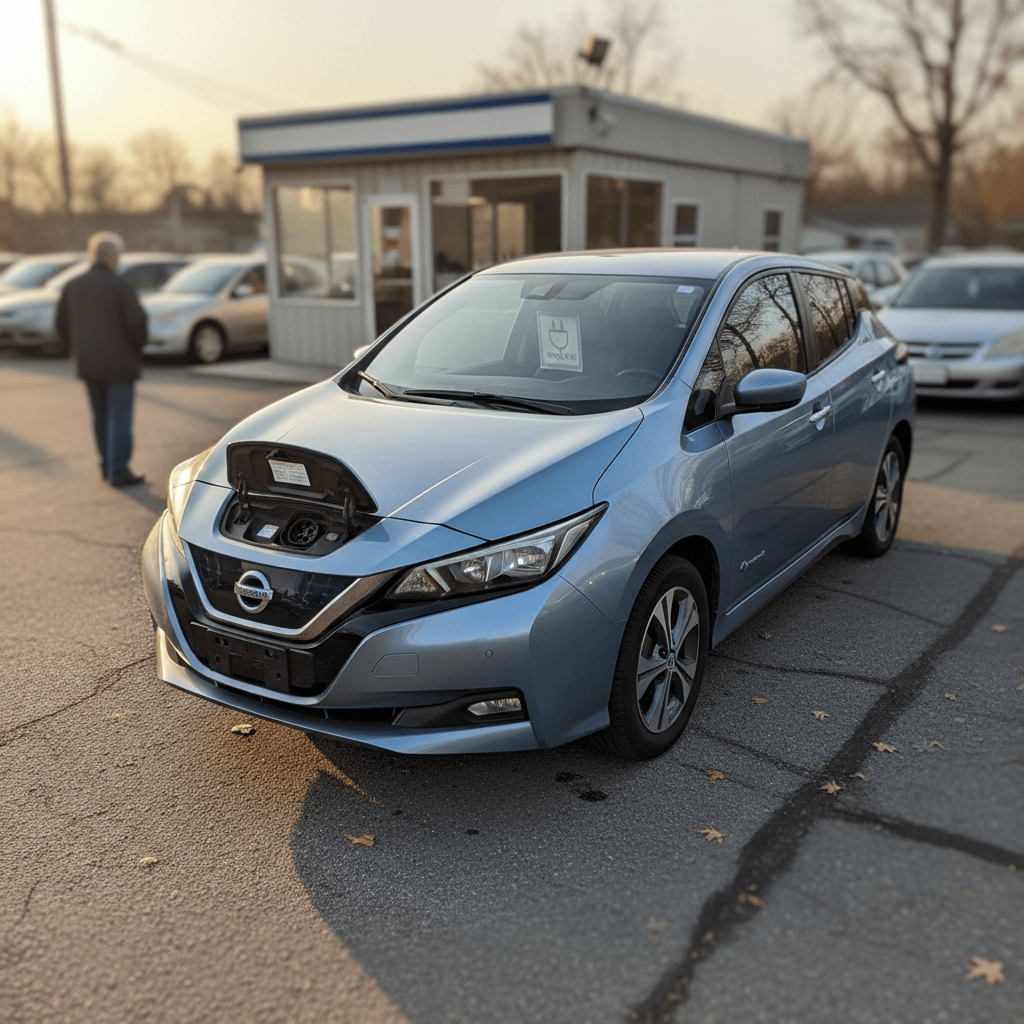
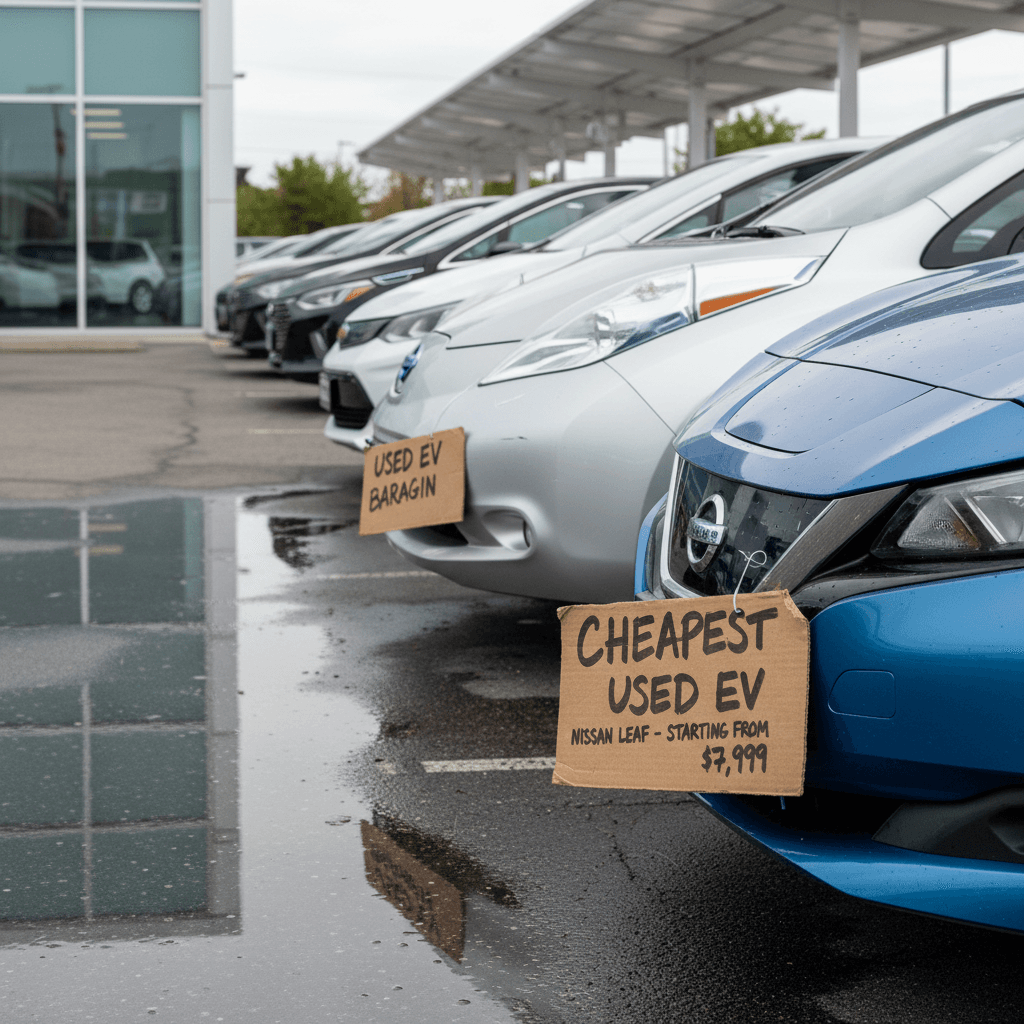
The Leaf is the poster child for cheap used EVs. Early cars (24 kWh battery) are often the cheapest electric cars under $10,000 in the country.
- Pros: Huge used supply, simple to service, very cheap to buy.
- Cons: No active battery cooling, so hot‑climate cars often have heavy degradation.
- Best for: Short, predictable commutes and cooler climates.
Fiat 500e (2013–2016)
Originally a compliance car, the 500e is fun, stylish, and surprisingly quick, though strictly a city car.
- Pros: Zippy, easy to park, often well‑equipped.
- Cons: No DC fast charging; small back seat and cargo area.
- Best for: Urban commuters with home charging and no road‑trip needs.
Chevy Spark EV (2014–2016)
A tiny hatchback with serious torque. The Spark EV feels far quicker than its price suggests and offers DC fast charging on many examples.
- Pros: Very fun to drive, strong acceleration, CCS fast charging.
- Cons: Small, somewhat rare outside certain states; parts availability can be patchy.
- Best for: Enthusiasts who want a cheap, quick city EV.
BMW i3 BEV (2014–2016)
The i3’s carbon‑fiber construction and premium interior make it feel nothing like a budget car, but early BEV (battery‑only) versions sometimes dip near $10K.
- Pros: Premium feel, efficient, DC fast charging, great city manners.
- Cons: Unusual styling, narrow tires, and some pricey BMW parts.
- Best for: Shoppers who want something distinctive and are okay with older‑car complexity.
A sweet spot strategy
Models to approach with caution at rock-bottom prices
Almost any used EV can be a smart buy if the battery is healthy and the price reflects its limitations. But at the very bottom of the market, certain patterns repeat, the kinds of cars that look too good to be true in the listing photos and price tag.
- Early Nissan Leafs from very hot climates (Arizona, Nevada, inland California) that have lost multiple capacity bars.
- Any EV with a rebuilt or salvage title where you can’t verify how the high‑voltage system was repaired.
- Cars that have sat unused for long periods without being charged to a reasonable state of charge.
- Obscure imported or low‑volume EVs with limited parts and dealer support in the U.S.
- Anything where the seller can’t confidently answer basic questions about range, charging, and service history.
Paperwork matters
How to shop smart for a sub-$10,000 electric car
7 steps to buying the cheapest EV without nasty surprises
1. Define your real daily range needs
Track your typical driving for a week. If you rarely exceed 40–50 miles a day and can charge at home, a short‑range EV may work beautifully. If you’re regularly pushing 80+ miles, be far more selective.
2. Decide if this is your only car
If this will be your household’s sole vehicle, think hard before committing to an 80‑mile EV. A cheap used electric car is easiest to live with when you <strong>also have access to a longer‑range car</strong> for trips and emergencies.
3. Focus on a short list of models
Pick 2–3 target models (for example, Leaf + 500e + Spark EV) and study their common issues, battery quirks, and charging options. That will keep you from getting overwhelmed by random listings.
4. Learn each model’s charging capability
Some cheap EVs don’t have DC fast charging at all; others fast‑charge quickly for their age. If you’ll rely on public stations, a car with CCS quick‑charge hardware is a big plus.
5. Inspect battery health like a pro
Use a specialist or a retailer like Recharged that can provide a <strong>third‑party battery health report</strong>. Don’t accept vague statements like “seems fine” in place of data.
6. Budget for a home charging solution
Even a basic Level 2 charger can transform the experience of living with a short‑range EV. If you rent or lack off‑street parking, factor that into your decision before you buy.
7. Be willing to walk away
The used EV market is deep. If a seller won’t provide documentation, dodges battery questions, or if anything feels off, walk. Another car will show up.
How Recharged helps de-risk cheap used EVs
If you like the idea of a sub‑$10,000 electric car but hate the idea of guessing about the battery, there are ways to stack the odds in your favor. That’s exactly the gap Recharged is built to fill.
Shopping cheap EVs with Recharged
What changes when you can actually see the battery’s story before you buy.
Recharged Score battery diagnostics
Fair market pricing
Financing & trade-in options
Nationwide delivery
EV-specialist support
Experience Center in Richmond, VA
Ready to find your next EV?
Browse VehiclesNot sure where to start?
Frequently asked questions about EVs under $10,000
EVs under $10K: quick answers
The bottom line: the cheapest electric car under $10,000 can either be the best commuter you’ve ever owned or a frustrating science project, and the difference almost always comes down to battery health and how honestly the car has been represented. Start with clear expectations about range, insist on real battery data, and don’t be afraid to step up slightly in price for a much better car. With the right homework, or with help from Recharged’s battery‑verified listings and EV specialists, you can turn today’s EV depreciation into a very real win for your budget.