If you’re hunting for the cheapest electric car to replace a gas car, you’re really asking two questions: “What’s the lowest price EV I can buy?” and “Which EV will actually work for my life without blowing up my budget?” Those aren’t always the same car.
Big picture
Why “cheapest electric car to replace a gas car” isn’t a simple question
Most listicles will just rank EVs by MSRP and call it a day. That’s not very helpful if you’re trying to dump a paid‑off Corolla or F-150 and avoid a bad decision. You care about monthly cost and hassle level, not just who advertises the lowest price.
- Purchase price: new vs used, and whether you’re financing or paying cash.
- Operating cost: electricity vs gas, maintenance, tires, insurance.
- Fit for purpose: Does it replace your gas car for 95% of your real driving, or does it force you to keep a second car?
Why a “more expensive” EV can still be cheaper than gas
Quick answer: The best cheap EVs to replace a gas car
If you don’t want to wade through all the nuance yet, here’s the short list of EVs that tend to be both cheap to buy and good enough to replace a gasoline daily driver for many U.S. households in 2025–2026:
Best cheap EVs to replace a gas car
Focused on real-world usability, not just headline price
Best all‑around cheap used EV: Chevy Bolt EV/EUV
Why: Often found in the teens or low $20Ks used, with 230+ miles of range and DC fast charging. Great for commuters and one‑car households that do occasional trips.
Watch out for: Battery recall history, rear seat space, and charging curve on older cars.
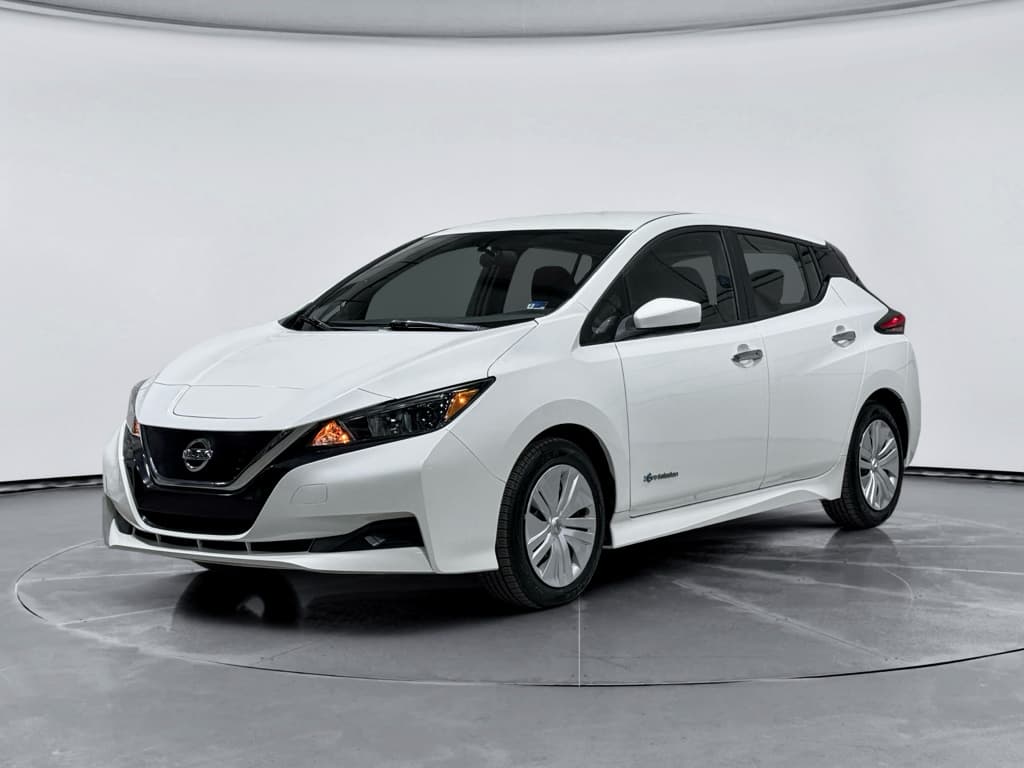
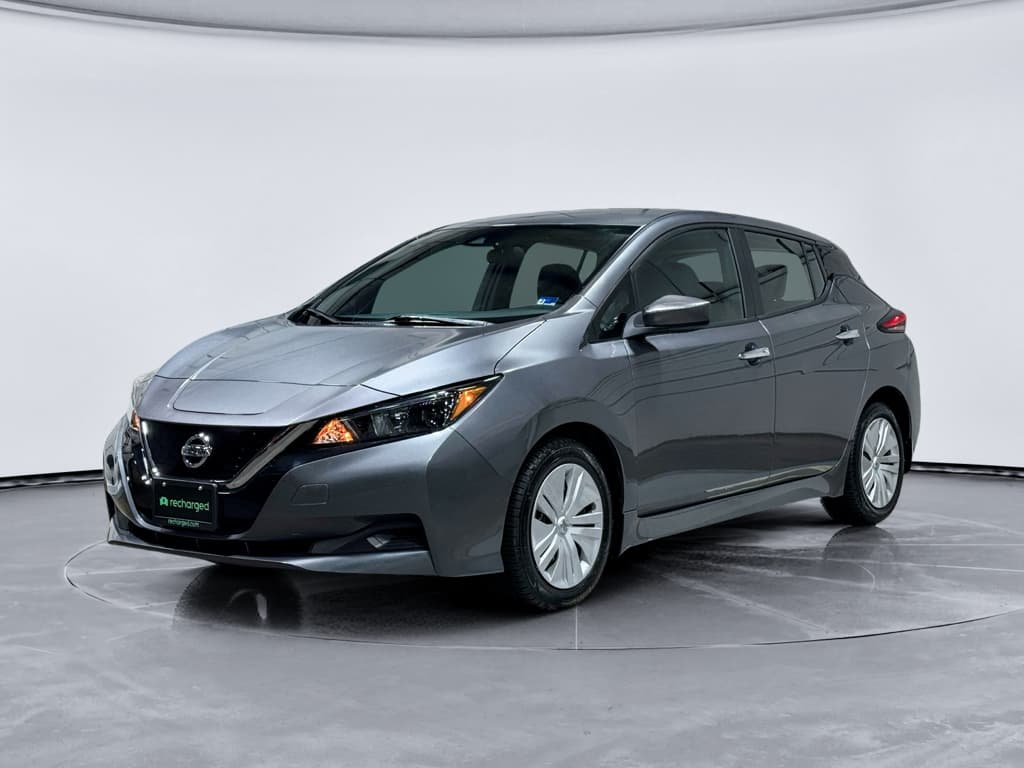
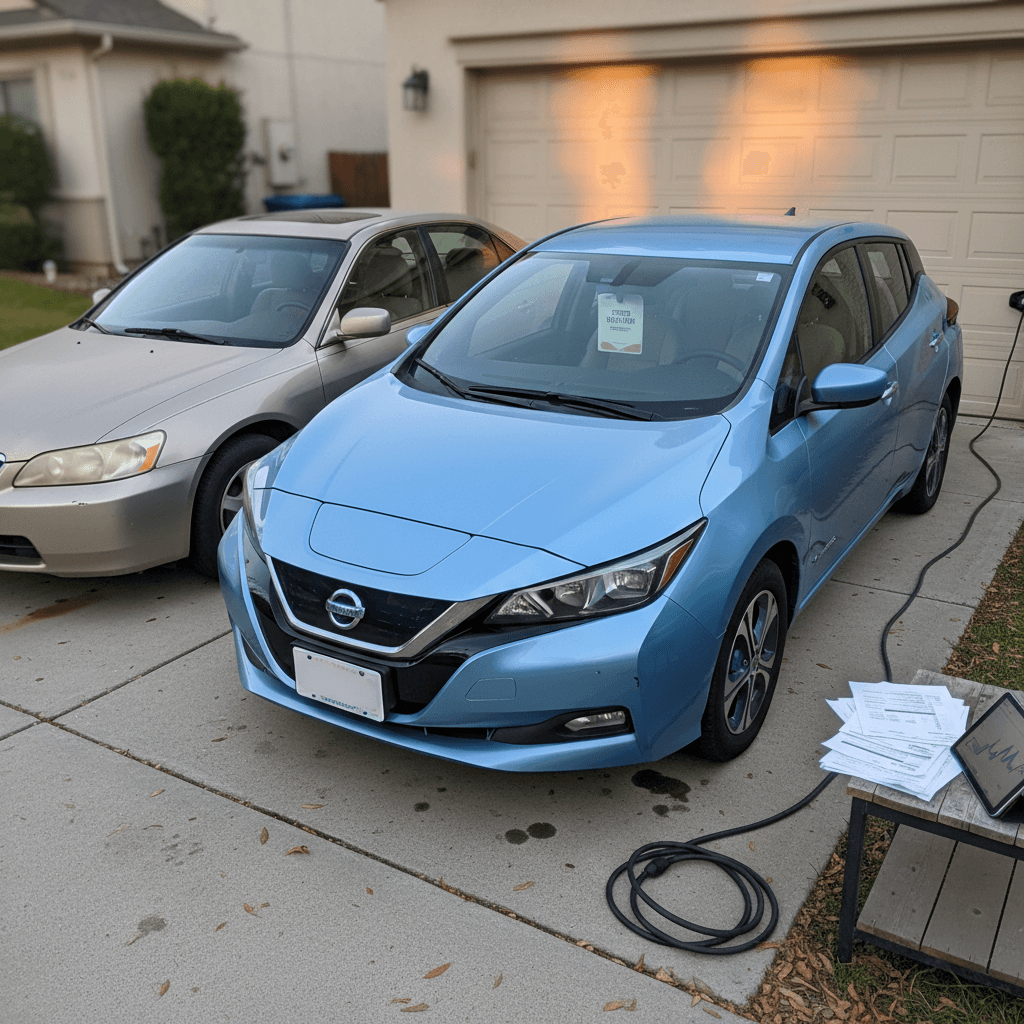
Lowest‑priced new EV that still works for most commutes: Nissan Leaf
Why: The Leaf has been the entry‑price champ for years. It’s the only new EV that regularly sneaks under the psychological $30K line, especially in base trims.
Watch out for: Shorter range on base cars, limited fast‑charging compatibility, and weaker road‑trip capability.
Best value new small SUV: Hyundai Kona Electric / Chevy Equinox EV
Why: Cost more than a Leaf on day one, but often offer 250–300+ miles of range, modern safety tech and true road‑trip viability. Over 5–7 years, that can be cheaper than juggling two cars.
Watch out for: Higher insurance than econo‑gas cars, and dealer markups or add‑ons in some markets.
How to use this guide
What “cheap” really means: total cost of ownership vs sticker price
If you’re coming from a paid‑off gas car, almost any monthly payment feels expensive. The smarter comparison is “all‑in monthly cost”, payment (if any) + fuel + maintenance + insurance. That’s where an EV can quietly beat a gas car even when the finance contract looks bigger.
Where EVs save you money
- Fuel: Home charging often works out to the equivalent of paying $1–$1.50 per gallon. Heavy commuters can save $100+ per month vs gas.
- Maintenance: No oil changes, fewer moving parts, and less brake wear. Over 5–7 years that adds up.
- Time: Leaving home “full” every morning is worth something, especially if your alternative is filling a 15‑gallon tank every week.
Where EVs can cost more
- Depreciation: EV values have been volatile. Cheap used deals exist because first owners already ate a big chunk of depreciation.
- Insurance: Some EVs cost more to insure than comparable gas cars, especially if parts or repair networks are limited.
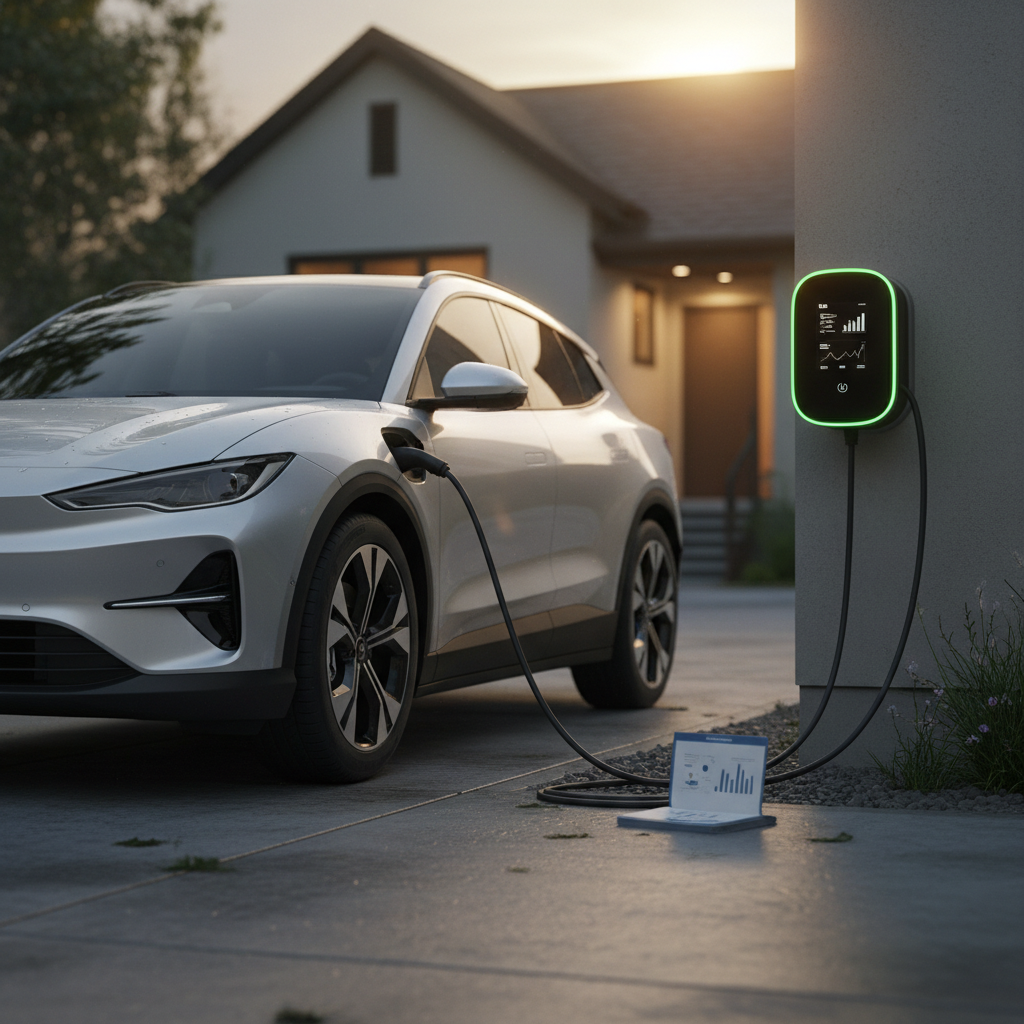
- Home charging setup: If you need a new 240V circuit or panel work, budget a one‑time $500–$2,000 project.
Don’t ignore your home electrical situation
Cheapest new electric cars that can realistically replace a gas car
On the new‑car side, the U.S. market in 2025–2026 has a handful of models that are both relatively affordable and capable enough to serve as a primary car. Exact pricing moves with incentives and dealer behavior, but the pecking order is fairly consistent.
Cheaper new EVs that can replace a gas daily driver
Approximate entry‑level pricing and range for key budget‑oriented EVs that are realistic gas‑car replacements for many drivers. Prices are ballpark U.S. MSRPs including destination and common discounts, not quotes.
| Model (2025–26) | Body style | Approx. starting price | EPA range (base trim) | DC fast charging | Best for |
|---|---|---|---|---|---|
| Nissan Leaf | Compact hatchback | High $20Ks–low $30Ks | ~150–215 mi | Limited compatibility / speed | Short‑to‑medium commutes with reliable home charging |
| Chevy Bolt EV / EUV (used new‑old stock / carryover) | Compact hatchback / small SUV | Low–mid $30Ks new, often teens–low $20Ks used | ~247–259 mi | Yes, modest speed | Budget commuters who still want real highway range |
| Hyundai Kona Electric | Subcompact SUV | Mid $30Ks | ~250+ mi | Yes | Drivers who want SUV form factor and strong range/value balance |
| Chevy Equinox EV | Compact SUV | Low–mid $40Ks before discounts | ~300+ mi (select trims) | Yes, faster | Families wanting one‑car practicality and road‑trip ability without luxury pricing |
| Volkswagen ID.4 (value trims) | Compact SUV | Mid–high $30Ks with deals | ~209–275 mi | Yes | Drivers moving up from compact crossovers who want space and comfort |
Always verify current pricing and incentives in your state, numbers below are directional, not offers.
Cheapest vs best value
Cheapest used EVs that beat gas cars on value
Thanks to heavy first‑owner depreciation and past incentives, the used EV market is where true bargains live. If you’re comfortable buying pre‑owned, you’ll often get far more car for the same money compared with a brand‑new budget gas sedan.
Used EV sweet spots for gas‑car replacements
Models that regularly undercut comparable gas cars on cost of ownership
Chevy Bolt EV / EUV (2017–2023)
Why it’s cheap: Years of price cuts and a high‑profile battery recall pushed resale values down. Many cars have already had replacement packs, effectively resetting battery life.
Good use cases: 30–80 mile daily commutes, urban/suburban driving, occasional 200–300 mile trips with planning.
Key checks: Confirm recall work, inspect charging port, and review a battery health report like the Recharged Score rather than guessing from mileage alone.
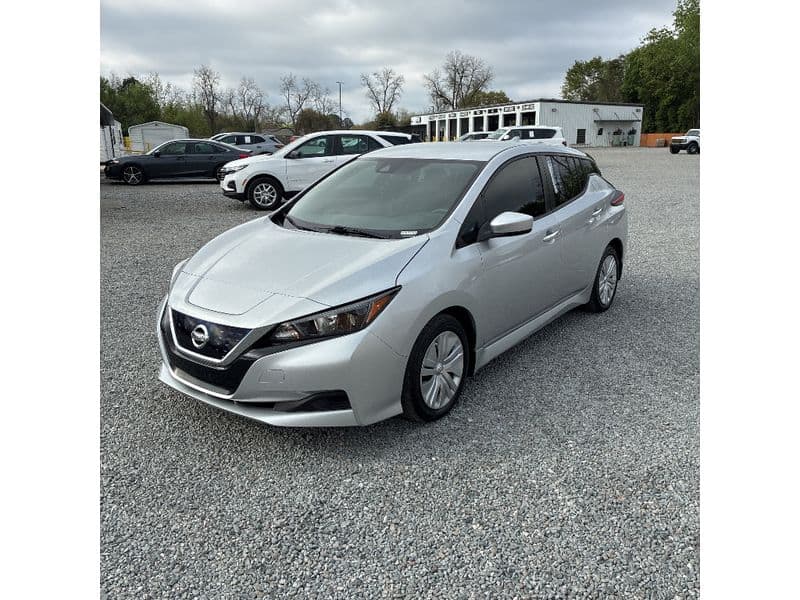
Nissan Leaf (2018+ with 40–62 kWh pack)
Why it’s cheap: Older charging standard and modest road‑trip capability keep demand and prices in check, especially in regions with mild climates.
Good use cases: Under‑50‑mile daily commutes, two‑car households, drivers who never road‑trip by car.
Key checks: Battery health is extremely climate‑sensitive. A detailed battery report matters more than odometer reading.
Hyundai Kona Electric & Kia Niro EV (2019+)
Why they’re cheap: Less brand heat than Tesla, but excellent range and efficiency. Early cars now coming off lease at attractive prices.
Good use cases: One‑car households, small families, 200–300 mile highway days with fast charging.
Key checks: Confirm DC fast‑charging performance and look for any high‑voltage system recalls or software updates.
Other value plays: VW e‑Golf, BMW i3, early Teslas
Why they’re wildcards: In some markets you’ll find older EVs that are dirt cheap because of range limits or aging tech. They can be fantastic second cars, but sketchy as your only vehicle.
Key checks: Always get a professional battery health assessment and be realistic about your highway and cold‑weather needs.
Where Recharged fits in
When a cheap EV is the wrong tool for replacing your gas car
There are situations where the objectively cheapest EV will make your life worse, not better. In those cases, either budget up for a more capable EV or keep a gas car in the mix.
- You regularly drive more than 200–250 miles in a day, far from reliable fast charging.
- You can’t install home or workplace charging and public chargers in your area are scarce or unreliable.
- You tow heavy loads or haul large crews for work, today’s cheap EVs don’t cover that use case well yet.
- You live in a region with very high electricity rates and unusually cheap gas, which narrows the operating‑cost advantage.
- You depend on a car in extreme cold without a garage, and range loss would leave you short on critical days.
Red flag: buying the smallest‑battery EV for a giant commute
How to choose the right cheap EV for your actual drive
Once you know an EV could work in theory, the next step is matching a specific car to your life. Here’s a simple framework you can walk through in an evening.
Cheap‑EV fit check: 6 steps
1. Map your real mileage
List your typical weekday, weekend and worst‑case days. Note how many days per year you actually exceed 150, 200, and 250 miles.
2. Confirm charging access
Can you reliably plug into a household outlet (Level 1) or a 240V circuit (Level 2) at home or work? That’s the single biggest enabler of EV ownership.
3. Set a hard budget
Decide on a monthly all‑in number that feels comfortable. Include payment, insurance, charging and a realistic maintenance reserve. This prevents you from chasing shiny options you don’t need.
4. Pick a minimum usable range
Based on your mileage mapping, decide what range you can’t go below. For many commuters, <strong>200 real‑world miles</strong> is the magic line for a one‑car household.
5. Shortlist 2–3 models
Use your range, body‑style and budget constraints to narrow down to a few concrete candidates, for example, “used Bolt or Kona Electric, whichever I find in better condition.”
6. Demand transparent battery health
With EVs, the battery is the engine and fuel tank. Ask for a third‑party battery health report such as the <strong>Recharged Score</strong> instead of trusting guesswork from the dash display.
Financing and buying strategies to keep your EV truly cheap
The structure of the deal often matters as much as the car itself. Two buyers can drive home in similar EVs and have wildly different monthly realities depending on loan terms, incentives and resale planning.
Smart money moves
- Pre‑qualify before you shop: Knowing your approval amount and rate keeps the conversation focused on the car, not dealer financing games. Recharged lets you pre‑qualify with no impact to your credit.
- Favor shorter terms when possible: 36–60 month loans cost less in interest and keep you ahead of EV depreciation curves.
- Look for real incentives, not fluff: Make‑ready fees and add‑ons can erase the savings of a cheap headline price. Compare “out‑the‑door” numbers, not just MSRP.
When leasing makes sense
- Fast‑changing tech: If you’re worried about range or charging standards evolving quickly in the next 3–4 years, a lease caps your downside.
- Short ownership horizon: If you’d change cars anyway within three years, the total cost difference between leasing and buying can be small, sometimes in your favor when leasing subsidies are strong.
- Low‑mileage drivers: If you drive well under average miles per year, it’s easier to stay within lease limits without fees.
Don’t over‑EV for your use case
How Recharged helps you buy the right cheap EV
Buying the “cheapest electric car to replace a gas car” is really about reducing risk, risk that the battery is weaker than you think, that you overpay, or that the car doesn’t fit your life. This is exactly the problem Recharged was built to solve.
Why to consider shopping used EVs through Recharged
Lower risk, more transparency, nationwide access
Verified battery health
Every vehicle on Recharged comes with a Recharged Score Report. It’s a third‑party style diagnostic that measures real battery health, range and pack performance, not just the dash guess‑o‑meter.
Fair pricing and flexible selling options
Recharged benchmarks fair market pricing for each EV, and can help you trade in or get an instant offer for your current car. If you want to maximize value, consignment options are available as well.
Digital buying, real‑world support
Browse online, get EV‑specialist guidance, arrange financing and schedule nationwide delivery, or visit the Recharged Experience Center in Richmond, VA if you want to see vehicles in person.
Ready to find your next EV?
Browse VehiclesIf you’re replacing a gas car on a tight budget, the right answer usually isn’t the single lowest advertised price, it’s the cheapest EV that actually fits your life for the next five to ten years. For many drivers, that means a well‑bought used Bolt, Leaf, Kona Electric or similar, paired with honest battery data and a realistic view of your driving. Get those pieces right, and the switch from gas to electric can feel like a financial upgrade, not a gamble.