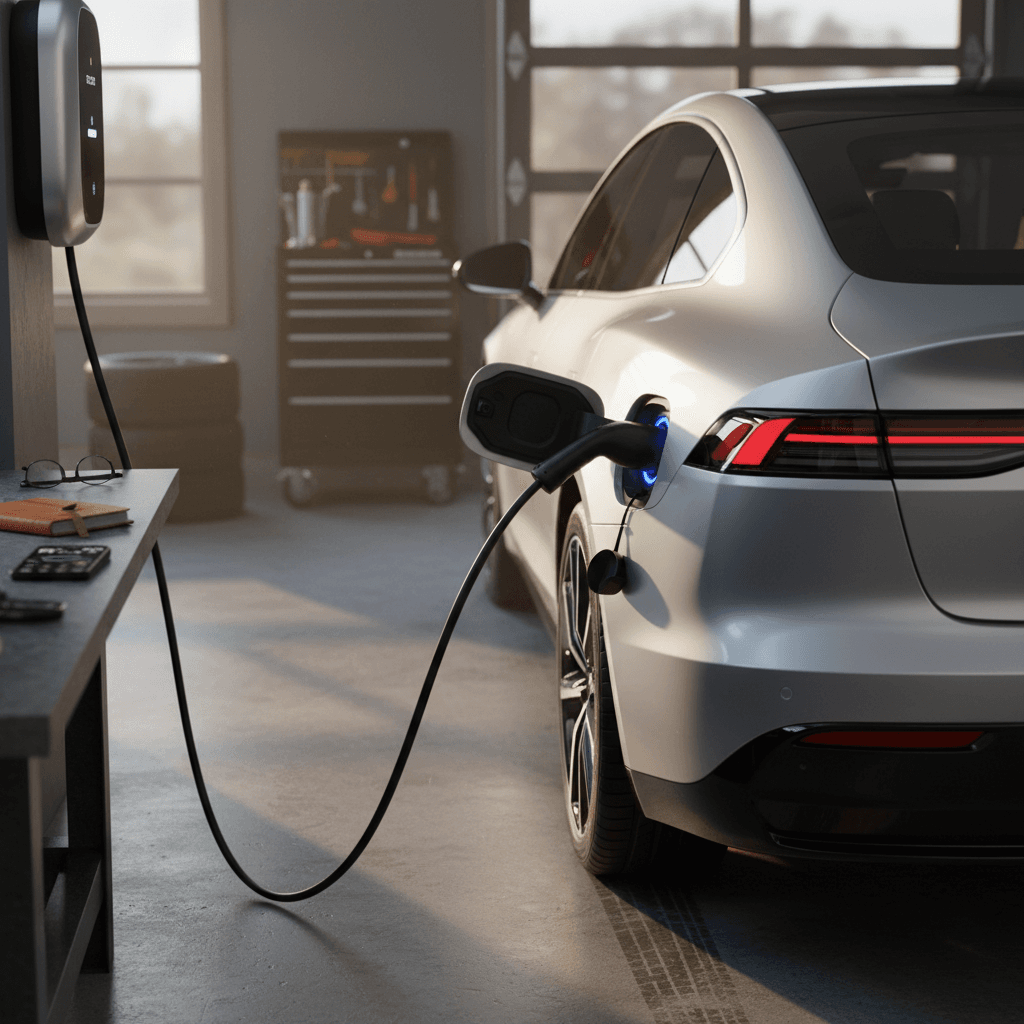
If you’re new to electric vehicles, “charging an electric car battery” can sound more complicated than filling a gas tank. In reality, once you understand where you’ll charge, how fast different chargers work, and a few habits that protect battery health, it becomes a simple routine, especially if you’re considering a used EV from a transparent retailer like Recharged.
Good news for new EV owners
How EV batteries charge: the basics
Every modern EV uses a large lithium‑ion battery pack. When you plug in, you’re simply moving energy from the grid into that pack. The car’s onboard electronics manage the process and prevent overcharging, so you don’t have to babysit it. What you do control is the power level (how fast energy flows), when you charge, and how full you routinely charge the battery.
- EV batteries store energy in kilowatt‑hours (kWh). A 60 kWh pack is roughly comparable to a 15–18 gallon gas tank in range terms.
- Charging speed is measured in kilowatts (kW). More kW = faster charging.
- Your EV’s software manages charging automatically, your main job is choosing the right charger and charge limit.
Think of it like a phone
EV charging levels explained
In the U.S., EV charging is typically described in three levels. Understanding them is the foundation of smart charging decisions.
Charging levels at a glance
How Level 1, Level 2, and DC fast charging compare for daily driving.
| Charging level | Typical equipment | Power (approx.) | Miles of range per hour* | Best use case |
|---|---|---|---|---|
| Level 1 (120V) | Standard household outlet | 1–1.9 kW | 2–5 mi/hr | Overnight topping off, very light driving |
| Level 2 (240V) | Dedicated EV charger or 240V outlet | 3.3–11 kW+ | 15–40+ mi/hr | Daily home charging, workplace charging |
| DC fast charging | Public fast charging station | 50–350 kW | 100–1000+ mi/hr (tapered) | Road trips, quick top‑ups on the go |
Actual speeds vary by vehicle, temperature, and the specific charger you use.
Miles per hour are estimates
Picking the right charging level for your life
Most drivers rely on Level 2 at home and use DC fast charging occasionally.
Level 1: slow but simple
Use the portable cord that comes with many EVs and a regular 120V outlet.
- Best if you drive under ~30 miles/day.
- Requires patience, often adds only a modest amount of range overnight.
- Good short‑term solution while you plan a Level 2 install.
Level 2: the sweet spot
Uses a 240V circuit, similar to an electric dryer.
- Common power: 32–48 amps.
- Ideal for overnight charging from low to full.
- Can be installed in many garages or driveways.
DC fast: road‑trip fuel
High‑power public stations located near highways and shopping centers.
- Great for long‑distance travel.
- More expensive per kWh than home charging.
- Best used to go from ~10–20% up to ~60–80%, not to 100% each time.
Home charging: the backbone of daily EV life
For most U.S. drivers, home is the most convenient and affordable place for charging an electric car battery. If you can plug in where you park, you can start most days with a comfortable buffer of range without ever visiting a public station.
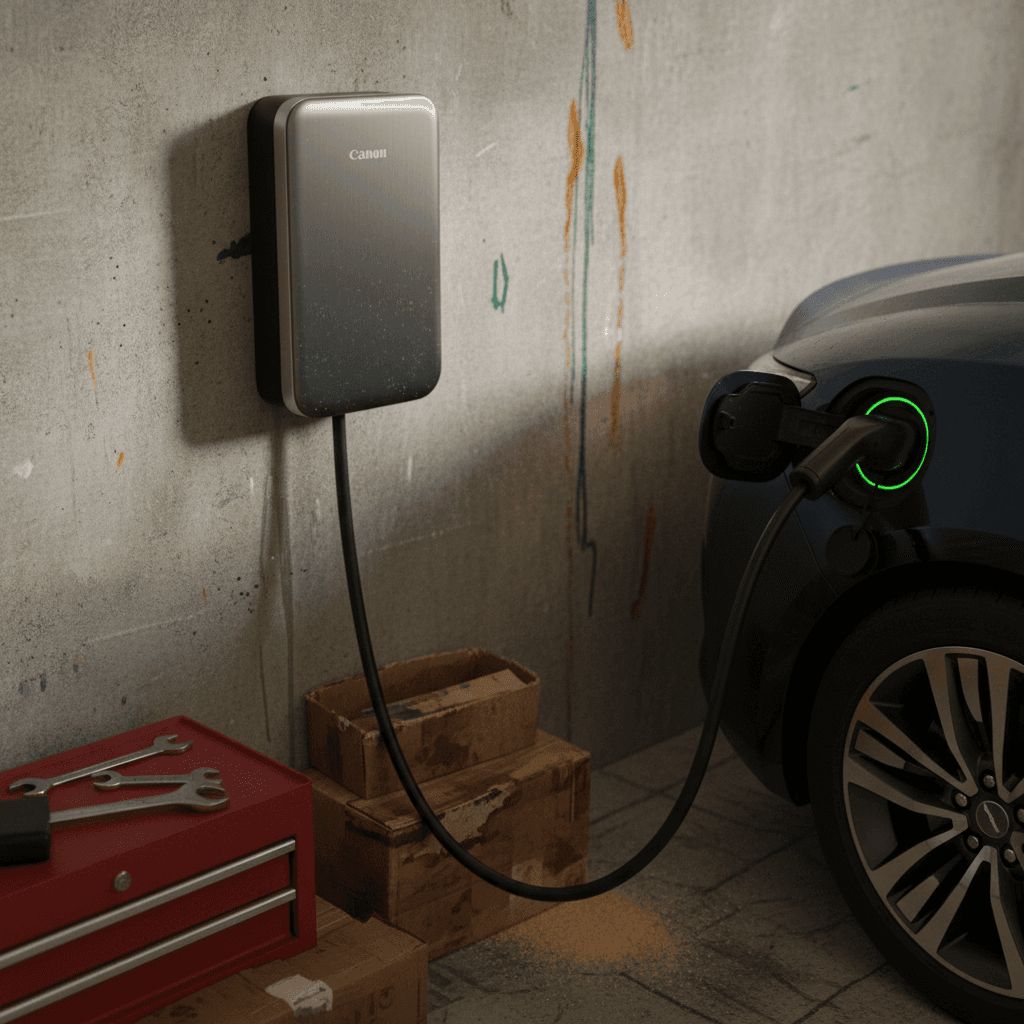
Steps to set up home charging
1. Confirm your driving pattern
Estimate how many miles you drive on a typical day. If it’s under 30–40 miles and you can plug in nightly, even Level 1 might work. Above that, Level 2 is usually worth it.
2. Inspect your electrical panel
Check how much spare capacity (in amps) you have. An electrician can tell you if a 240V circuit for a Level 2 charger is straightforward or if upgrades are needed.
3. Choose a Level 2 charger
Look for a charger that matches your vehicle’s max AC charging rate and your circuit capacity. Features like Wi‑Fi connectivity, scheduled charging, and load management can be helpful.
4. Hire a licensed electrician
For safety, have a professional install the 240V circuit and charger. They’ll make sure it meets local code and can advise on outlet vs. hard‑wired setups.
5. Use smart charging schedules
Once installed, use your EV’s app or the charger’s app to schedule charging during off‑peak electricity hours where available to reduce your cost per kWh.
Why home charging pairs well with a used EV
Ready to find your next EV?
Browse VehiclesPublic charging and DC fast charging
Public charging fills in the gaps when you’re away from home, at grocery stores, workplaces, parking garages, and along major highways. These chargers range from slower Level 2 units to very high‑power DC fast chargers that can add hundreds of miles of range in under an hour, depending on your vehicle.
Public Level 2 charging
- Found at workplaces, hotels, municipal lots, and shopping centers.
- Great for “park and charge” situations, work shifts, movies, or overnight hotel stays.
- Often priced per kWh or per hour; some employers offer it free as a perk.
DC fast charging (Level 3)
- Located near highways and major travel corridors.
- Ideal for long trips or when you need a quick boost.
- Can be significantly more expensive than home charging but still often cheaper than gasoline on a per‑mile basis.
Check compatibility before you plug in
Protecting battery health while charging
Lithium‑ion batteries are designed to last for many years, but your charging habits can affect long‑term capacity. The goal isn’t to baby the battery obsessively, it’s to avoid the extremes that accelerate wear and tear.
Smart charging habits that extend battery life
You don’t have to be perfect, just consistent with the basics.
Avoid living at 0% or 100%
Try to keep your battery between about 20% and 80% for everyday driving.
Occasional full charges for trips are fine, but don’t leave the car sitting at 100% for days.
Be gentle in extreme temperatures
Very hot or very cold days stress the battery.
- Pre‑condition while plugged in.
- Avoid repeated fast charges when the pack is hot.
Use DC fast charging strategically
Frequent DC fast charging isn’t ideal for battery longevity.
It’s perfectly fine for road trips, but rely on Level 2 for your day‑to‑day routine when possible.
How Recharged helps you assess battery health
How long does it take to charge?
Charging an electric car battery isn’t one‑size‑fits‑all. Time to charge depends on three main factors: battery size (kWh), starting and target state of charge (SoC), and the power of the charger (kW).
Real‑world charging time examples
Use percentage, not “empty to full”
How much does charging an EV battery cost?
In the U.S., home charging is typically the cheapest way to charge an electric car battery. You pay your normal residential electricity rate, which might range anywhere from roughly 10 to 30 cents per kWh depending on your state and utility. Public fast charging is convenient but usually costs more per kWh, especially at peak times.
Home charging cost example
Suppose your electricity rate is $0.15/kWh and your EV has a 70 kWh battery.
- Full pack theoretical cost: 70 × $0.15 = $10.50.
- If your car averages 3.5 miles per kWh, that’s roughly $0.04 per mile.
Real‑world costs will vary with your driving efficiency and on‑peak/off‑peak pricing, but this gives you a useful ballpark.
Public fast charging cost example
Public DC fast chargers often price per kWh, per minute, or use a session fee plus energy.
- On a road trip you might pay roughly 2–3× your home rate.
- Even then, cost per mile can still be competitive with gasoline, especially in regions with higher fuel prices.
Most networks show rates clearly in their app before you start a session.
Watch idle fees
Charging on road trips
Long‑distance travel is where planning matters most. You don’t have to be an engineer, but you do want to think a bit differently than you might with a gasoline car. Instead of searching for the absolute cheapest station, you’re planning around charger locations, power levels, and how your EV’s range changes with speed, weather, and elevation.
Road‑trip charging game plan
1. Start with a route planner
Use your EV’s built‑in trip planner or a third‑party app to map fast chargers along your route. Many tools account for elevation, weather, and your specific car model.
2. Plan around 10–20% arrival SOC
Aim to reach chargers with a buffer, not on literal 0%. Arriving around 10–20% lets you charge fast initially and keeps stress levels down.
3. Charge for time, not to 100%
Because charging slows down as you approach a full battery, it’s often faster overall to charge from roughly 10% to 60–70%, drive, and repeat, instead of waiting to reach 100% each stop.
4. Verify stations day‑of
Before you leave, confirm that key stations are operational. Many apps show live status, pricing, and user check‑ins within the last few hours.
5. Have a backup plan
On remote routes, identify a secondary charger or slower Level 2 option in case a primary fast charger is down or busy.
Think in segments, not the whole trip
Charging a used EV: what to look for
If you’re shopping for a used EV, paying attention to charging and battery health upfront can save you headaches later. You want to know both how the car can charge (connector type, max AC and DC rates) and how the battery has been treated over time.
Used EV charging questions to ask
These apply whether you’re buying from a dealer, a private seller, or a marketplace like Recharged.
Charging hardware & compatibility
- What connector does the car use (CCS, NACS, J1772)?
- Is the portable charger and any adapters included?
- What is the car’s maximum Level 2 and DC fast charging rate?
Battery health & past use
- What’s the estimated remaining usable capacity?
- Has the car been fast‑charged heavily or mainly charged at home?
- Any battery warranty remaining from the manufacturer?
How Recharged de‑risks a used EV purchase
Frequently asked questions about charging an electric car battery
FAQ: charging electric car batteries
Key takeaways and next steps
Charging an electric car battery is less about finding the single fastest charger and more about building a routine that fits your life. For most U.S. drivers, that means installing or accessing convenient Level 2 charging at home or work, using DC fast charging strategically on road trips, and following a few simple habits to keep the battery healthy.
If you’re considering a used EV, understanding charging now will help you pick the right car later. At Recharged, every vehicle includes a Recharged Score Report with verified battery health, transparent pricing, and support from EV specialists who can talk through your daily driving, home situation, and road‑trip plans. That way, when you plug in for the first time, you’ll know exactly what to expect from your EV, and from its battery, for years to come.