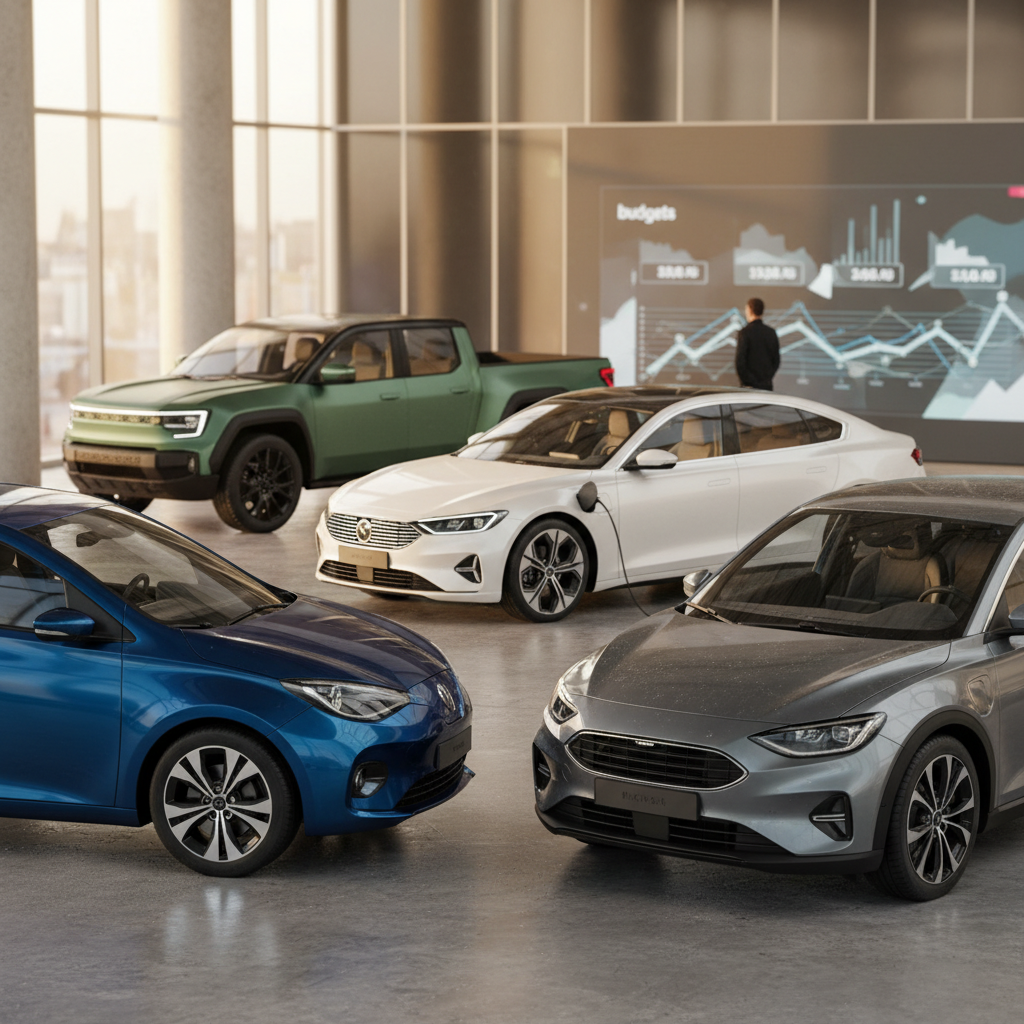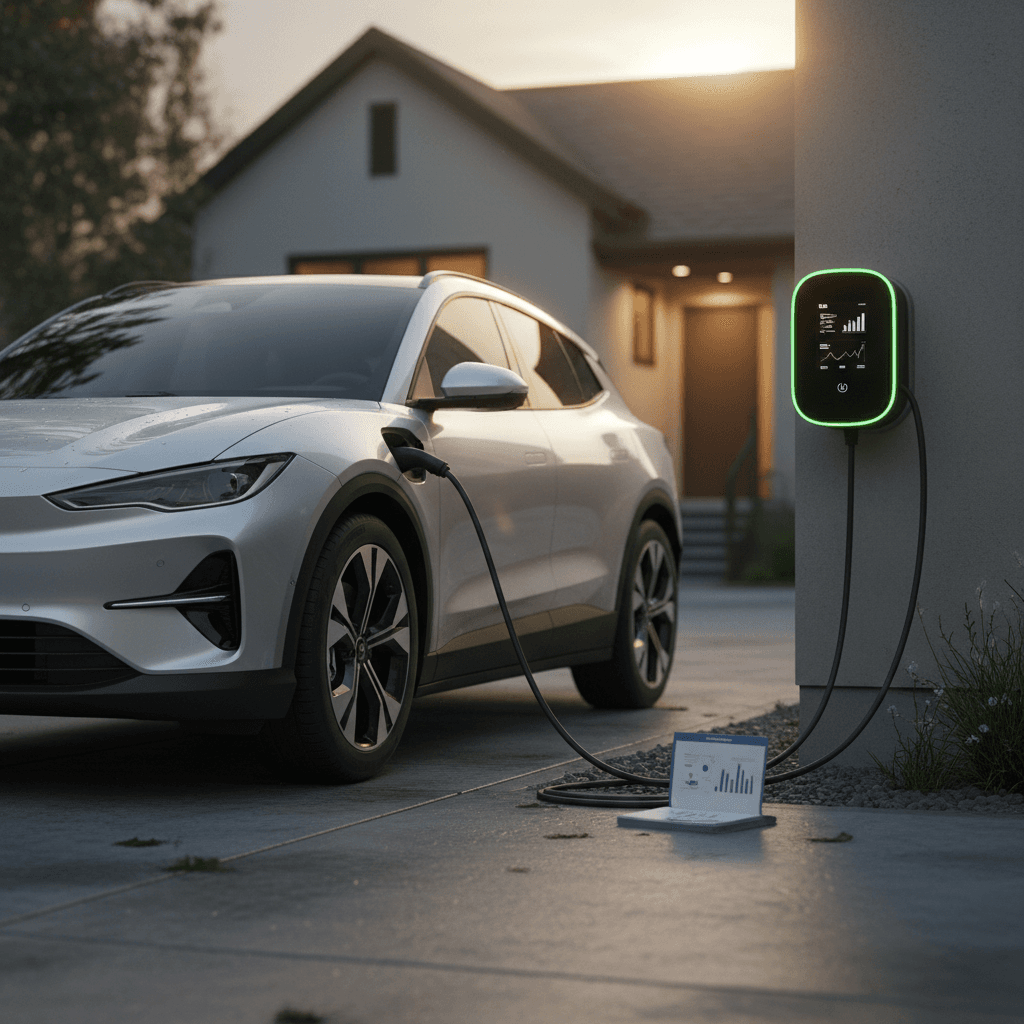
When people ask about charges for electric cars, they usually mean two things: what you’ll literally see on your power bill or charging-app receipt, and whether an EV will really save money compared with gas. Let’s walk through the numbers, how pricing actually works in the real world, and where drivers quietly overspend.
Quick answer
How much do charges for electric cars really cost?
Typical EV charging costs in 2025 (U.S.)
Every electric car has a battery pack measured in kilowatt-hours (kWh). If your EV has a 70 kWh battery and your electricity rate is $0.16 per kWh, a theoretical “full” charge from empty would cost about $11.20 before taxes and fees. In reality you rarely charge from 0–100%, so your typical top‑ups will be smaller and cheaper.
Think in cost per mile
How EV charging is priced: kWh, time, session, and idle fees
Unlike a gas pump, charges for electric cars can be structured several different ways, depending on where you live and which network you’re using. Understanding the menu makes it a lot easier to predict your bill.
Common EV charging pricing models
You’ll often see a mix of these on the same network
Per kWh
This is the most intuitive model: you’re billed for each kilowatt‑hour delivered, just like your home bill.
- Feels fair across EV models
- Best for comparing with gas costs
- Standard in many states for public chargers
Per minute
You pay for time plugged in, not energy delivered.
- Rewards cars that can charge faster
- Hurts if your EV is older or slower‑charging
- Makes moving promptly at high state‑of‑charge more important
Session & idle fees
Many networks add flat session fees (e.g., $1 per plug‑in) and idle fees once charging ends.
- Session fees are small but add up on short stops
- Idle fees encourage you to move when done
- Always check the fine print in the app
Watch for taxes and add‑on fees
Home charging costs: the cheapest way to charge
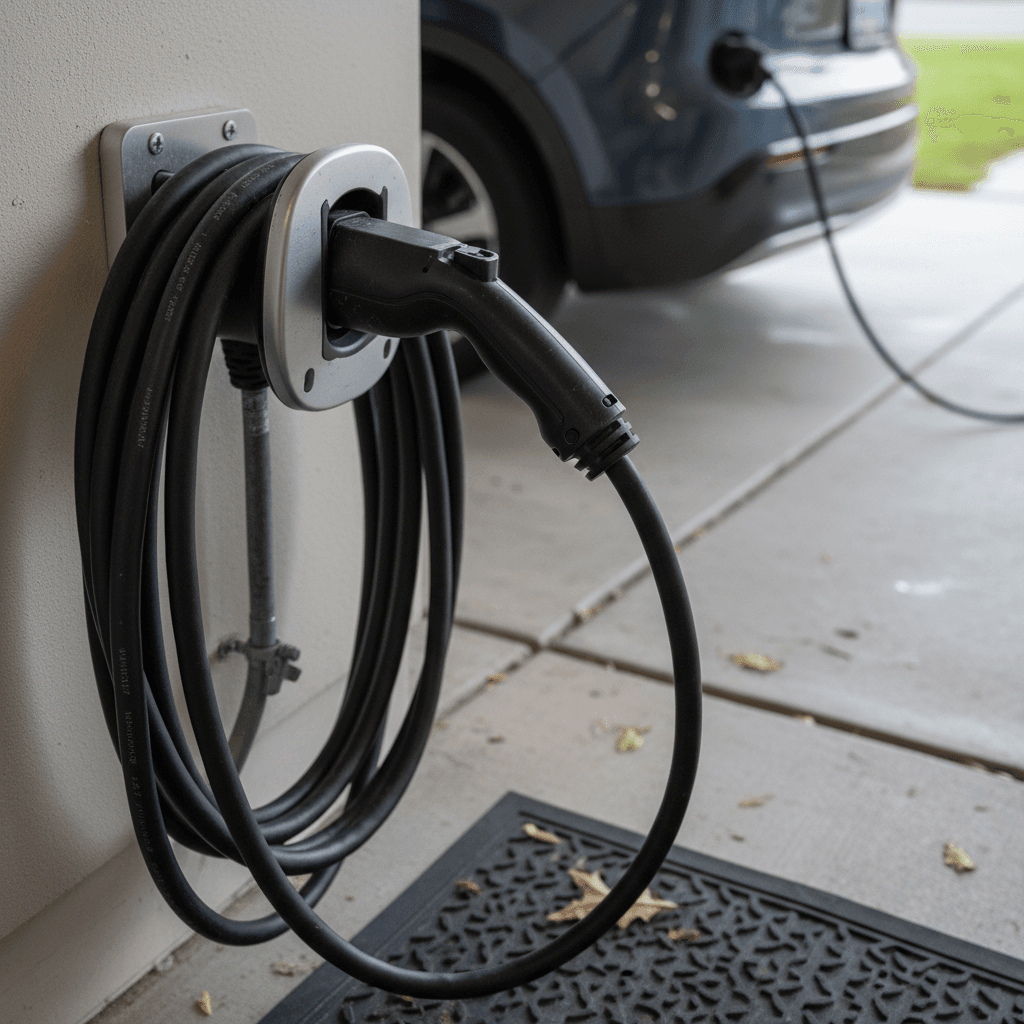
If you can plug in at home, that’s where you’ll pay the lowest charges for your electric car. In most of the U.S., residential electricity rates are much lower than what public networks charge, especially for fast charging.
Example: 1,000 miles a month
Let’s say your EV averages 3.5 miles per kWh and you drive about 1,000 miles each month.
- Energy needed: about 285 kWh
- At $0.14 per kWh: ~$40/month
- At $0.20 per kWh: ~$57/month
That’s your fuel bill, before taxes and utility fees. Many households pay less than they used to spend on gas for the same mileage.
Example: topping up nightly
If you plug in most nights and add just 20–40 miles of range, you might use 8–12 kWh per day.
- At $0.15 per kWh, that’s $1.20–$1.80/day
- Roughly $36–$54/month at 30 days
Many owners describe it as “like charging my phone”, small, frequent sips instead of big trips to the gas station.
Check for EV time‑of‑use rates
- Level 1 (standard 120V outlet) adds roughly 3–5 miles of range per hour and is slow but very cheap to set up.
- Level 2 (240V) home charging can add 20–40 miles per hour and is the sweet spot for most households.
- A dedicated EV circuit and properly installed charger are important for safety, especially with older homes.
Public Level 2 chargers: when you’re away from home
Public Level 2 stations at workplaces, parking garages, and shopping centers often cost more per kWh than your home outlet, but the convenience is hard to beat. Some employers and retailers still offer free or heavily discounted charging to attract customers and staff.
What you’ll usually pay at public Level 2 chargers
Realistic ranges, not edge cases
Workplace & destination charging
- Price: free to ~$0.25 per kWh
- Often limited to employees or customers
- Great for topping up while you’re busy anyway
These chargers are all about convenience, not speed. Plan to park for several hours.
City & parking‑garage charging
- Price: ~$0.25–$0.45 per kWh, or hourly
- May include parking fees on top of energy cost
- Sometimes cheaper with membership or subscription
When evaluating the price, remember to count both the charging rate and the parking rate, if any.
When public Level 2 is a win
DC fast charging costs and when it makes sense
DC fast chargers (sometimes called Level 3) are the road‑trip heroes. They can add hundreds of miles of range in under an hour, but you’ll usually pay significantly more per kWh than you do at home.
Typical DC fast charging price ranges
These are broad ranges; every network and state is a little different.
| Scenario | Common pricing model | Approx. price range | What it feels like |
|---|---|---|---|
| Membership highway network | Per kWh, plus small session fee | $0.35–$0.55 per kWh | Like paying a premium for convenience vs home |
| No‑membership drop‑in | Higher per kWh or per‑minute rate | $0.45–$0.70 per kWh equivalent | More like urban gas‑station pricing |
| Automaker loyalty perks | Discounted kWh rates or free sessions | Varies by brand and plan | Sometimes very competitive with home |
| Idle or overstay fees | Per minute after charging ends | $0.25–$1.00 per minute | The parking ticket you give yourself if you don’t move |
Always check your charging app for exact pricing before you plug in.
Don’t camp on a fast charger
EV vs gas: which is cheaper per mile?
To compare charges for electric cars with gas prices, ignore the “per gallon” instinct and focus on cost per mile. Once you do that, the picture gets much clearer.
Example EV
Suppose your EV averages 3.3 miles per kWh.
- Home charging at $0.16 per kWh → about 4.8¢ per mile
- Mix of home and DC fast at an average of $0.25 per kWh → about 7.6¢ per mile
How much fast charging you actually use will tilt your real‑world number up or down.
Comparable gas car
Now take a similar‑size gas crossover that averages 28 mpg.
- At $3.25 per gallon → about 11.6¢ per mile
- At $4.00 per gallon → about 14.3¢ per mile
Your local gas prices may be higher or lower, but the math usually favors the EV on energy cost alone.
Total cost of ownership matters more than a single session
Fees, taxes, and other charges to watch for
When you first look at charges for electric cars, it’s easy to fixate on the big number, the price per kWh or per minute. But the small print matters, too. Over a year of driving, those little extras can easily add up to a few hundred dollars.
- Session fees: A small flat charge (often $0.25–$2.00) every time you plug in at a public station.
- Idle/overstay fees: Per‑minute fees once charging is done or a time limit is reached.
- Parking fees: Some garages bill parking separately from charging, so your effective cost per kWh is higher.
- Sales tax & energy surcharges: Applied on top of the base rate in many states.
- EV registration or road‑use fees: A few states charge annual fees on EVs to replace lost gas‑tax revenue.
Short sessions can be the most expensive
How to lower your electric car charging bill
Seven practical ways to pay less for EV charging
1. Shift charging to off‑peak hours
If your utility offers time‑of‑use rates, use your car’s scheduling feature or your home charger’s app to start charging late at night when power is cheaper.
2. Use home charging as your default
Think of fast charging as road‑trip fuel, not your everyday strategy. The more of your miles you feed from a home outlet, the lower your overall cost per mile will be.
3. Take advantage of workplace charging
If your employer offers free or discounted charging, it can offset a big chunk of your monthly energy cost. Just be a good neighbor and move your car when you’re done.
4. Plan efficient road‑trip stops
Use route‑planning apps that factor in charging speed, prices, and your specific EV. Sometimes two shorter, faster sessions are cheaper than one long one that drags into the slowest part of the charge curve.
5. Watch your speed and climate settings
Driving 80 mph with max AC or heat can slash your efficiency. Even a small improvement in miles per kWh lowers every future charging bill.
6. Keep your tires properly inflated
Soft tires increase rolling resistance and drag down efficiency. A few minutes with a tire gauge can save you money every month.
7. Compare charging networks in your area
Prices can vary dramatically between networks at the same location. Once you know the cheapest options near home and work, you can build habits around them.
Financing can help you right‑size your EV payment
Ready to find your next EV?
Browse VehiclesCharges for electric cars when you buy used
Used EVs can be fantastic deals, but they introduce one more variable in the charging‑cost conversation: battery health. A car with a significantly degraded battery can still be reliable around town, yet it may need more frequent charging stops on road trips and could charge more slowly at fast chargers.
What changes, and what doesn’t, when an EV gets older
How age and battery health affect your charging costs
Usable capacity shrinks
A 60 kWh battery that’s lost 15% of its original capacity now only holds about 51 kWh.
You’ll pay the same per kWh, but you may stop more often on long drives.
Fast‑charge speed may taper sooner
Some older packs reduce charge power earlier in the session to protect the battery.
You’ll still get there; it just may take a few extra minutes, and minutes are money on per‑minute pricing.
Daily driving costs stay low
For commuting and errands, an older EV can be just as cheap to fuel as a new one.
If you mostly home‑charge, your cost per mile may still crush your old gas car.
How Recharged helps you understand real‑world costs
FAQ: charges for electric cars
Frequently asked questions about charges for electric cars
Key takeaways on charges for electric cars
When you dig into the details, charges for electric cars look a lot less mysterious. Most of your “fuel” will likely come from home charging at a predictable price, with occasional public sessions for convenience or road trips. Even when you factor in higher prices at DC fast chargers, many drivers still come out ahead of their old gas bills on energy cost alone.
If you’re shopping for your first EV, or your next one, the real win is matching the car to your daily life. A used EV with healthy battery life, predictable charging costs, and a monthly payment that fits your budget can be a very smart move. That’s exactly what Recharged is built to help with: transparent battery‑health reports, fair pricing, EV‑specialist support, and financing options that take the whole ownership picture into account, not just the sticker price.