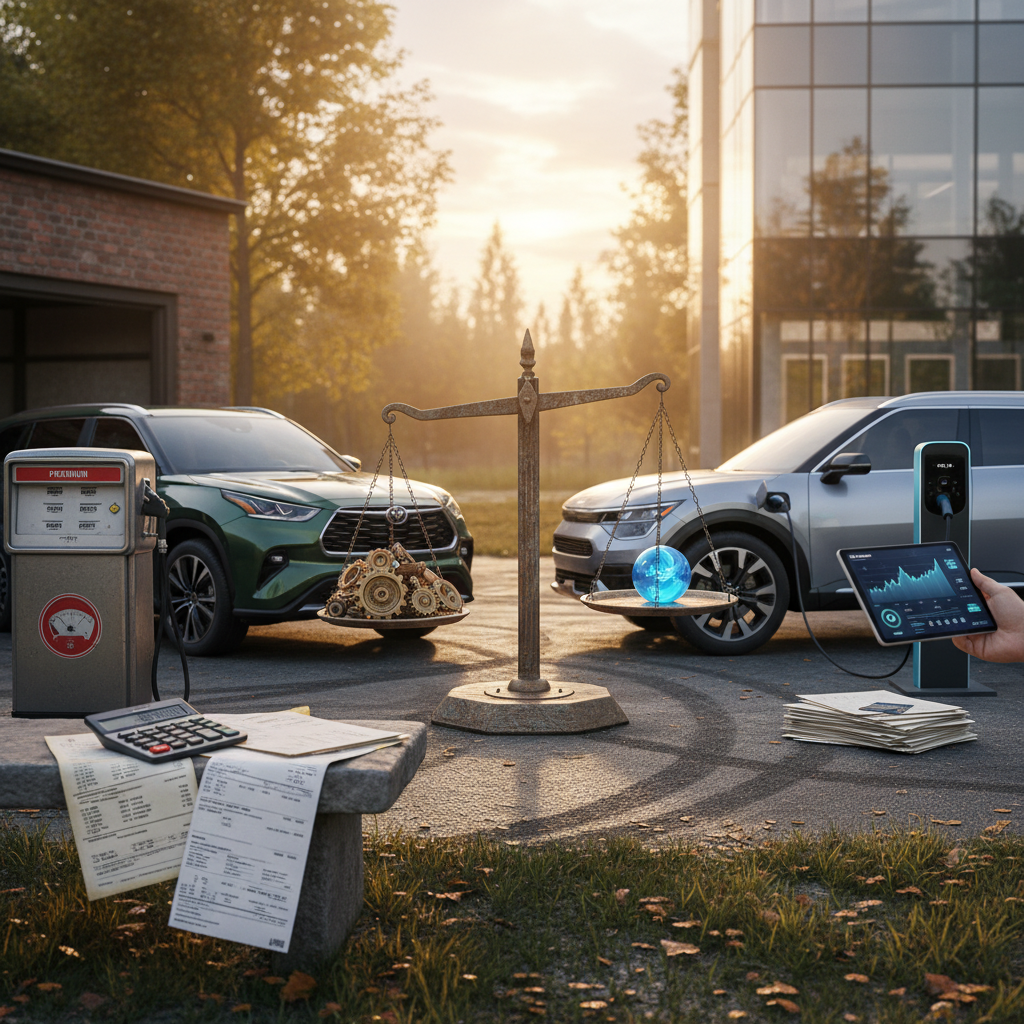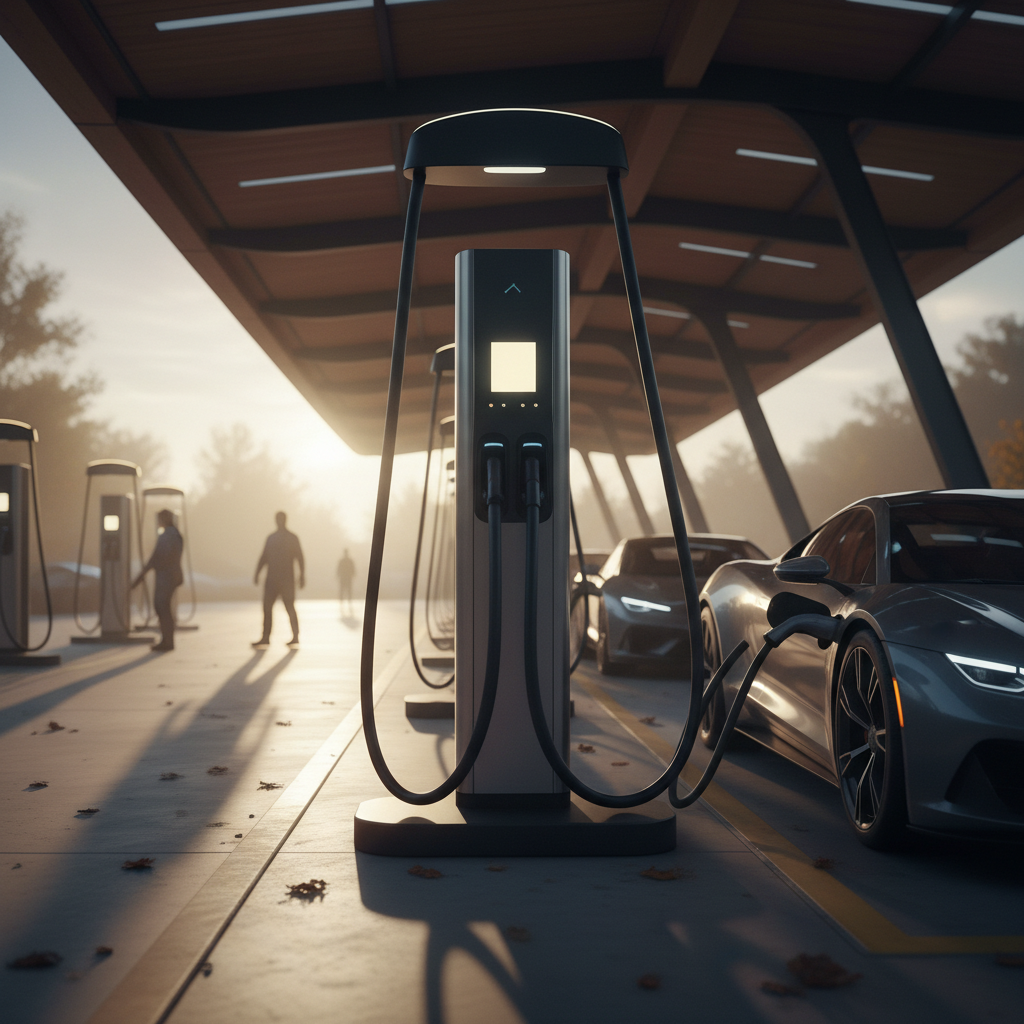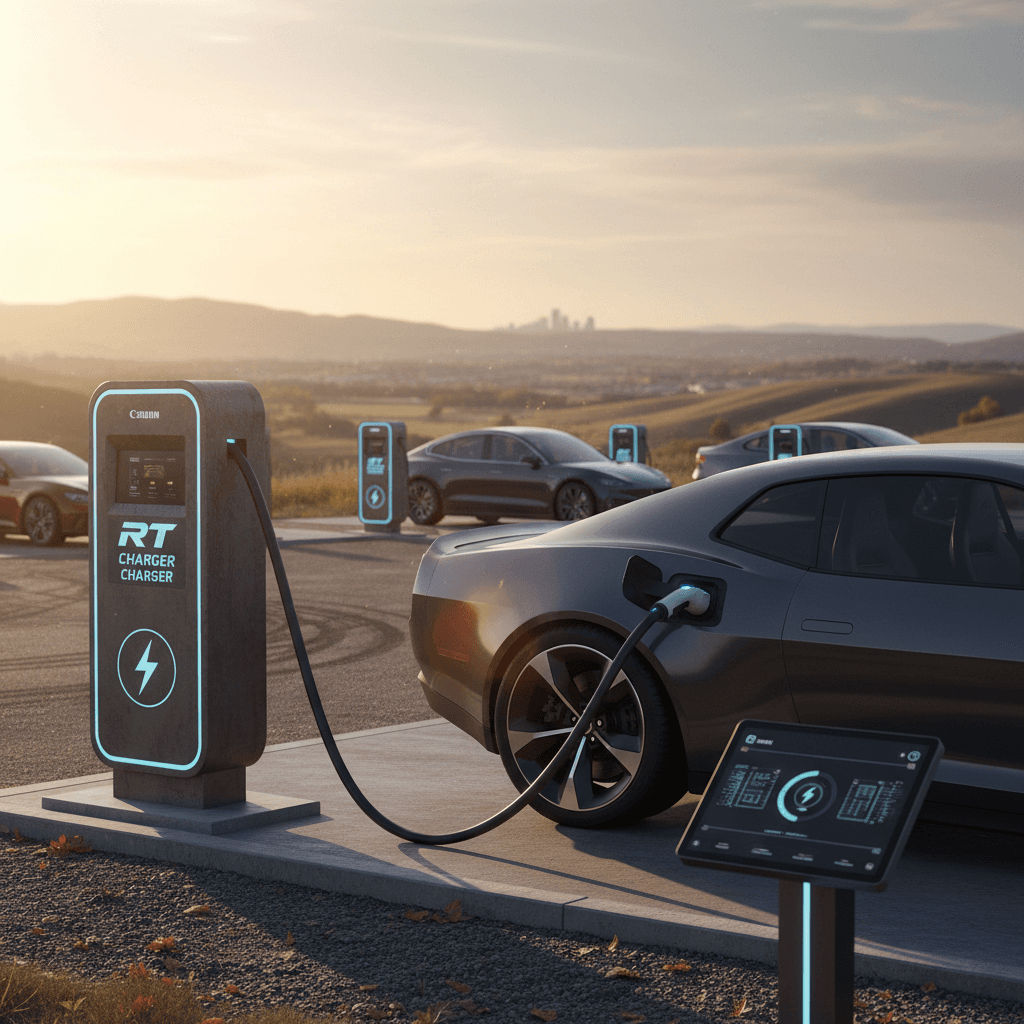
If you’ve seen the phrase “charger charger RT” in an app, on a map, or buried in a spec sheet, you’re not alone in wondering what on earth it means. In the EV world, “RT” usually points to real‑time, high‑power DC fast charging, the quick, road‑trip style juice that adds miles in minutes, not hours. This guide breaks down what that actually looks like in the real world, how it affects battery health, and what it should mean for you if you’re shopping for a used EV.
Why this weird phrase matters
What does “charger charger RT” actually mean?
The awkward phrase “charger charger RT” usually isn’t an official brand name. It’s what happens when you mash together two ideas: a DC fast charger (often called a “rapid charger” or “Level 3 charger”) and real‑time (RT) charging data like live power output, queue status, or dynamic pricing. Apps and hardware dashboards sometimes shorten this to things like “Charger RT,” “RT charger,” or “RT fast.” If you see it, read it as: “This is a fast charger and we’re showing you what it’s doing in real time.”
- Charger → The physical hardware, usually a DC fast charger at 50 kW or higher
- Charger (again) → Redundant label or translation quirk you see in some apps/exports
- RT → Real‑time: live power output, session status, or pricing tied to that fast charger
How to decode app labels
RT fast charging vs normal EV charging
Normal charging (Level 1 & Level 2)
- Level 1: 120V household outlet, adds ~3–5 miles/hour
- Level 2: 240V home or public, typically 7–19 kW
- Best for: Overnight charging, daily commuting, topping up while you work or shop
- Impact on battery: Gentle and efficient; this is the diet your pack was designed to eat every day.
RT fast charging (DC fast / Level 3)
- DC fast: 50–350 kW depending on station and car
- “RT” layer: Real‑time monitoring of power, cost, and queuing
- Best for: Road trips, emergency top‑ups, getting back on the highway fast
- Impact on battery: Totally safe in moderation, but heavier thermal stress than Level 2 if you live on it every day.
Think of it this way: Level 2 is like slow‑cooking dinner at home, relaxed, efficient, and kind to the ingredients. An RT fast charger is the industrial wok burner at a restaurant: fantastic when you’re in a hurry, but you don’t need it to toast a bagel.
How RT fast charging compares in real life
How RT DC fast chargers work under the hood
Underneath the icons and marketing speak, an RT fast charger is a box that converts AC grid power into high‑voltage DC, then negotiates with your car about how much power it can safely accept in that moment. The “RT” part is just the user‑facing readout of that negotiation as it changes over time.
- You plug in to a DC connector (CCS, NACS, or CHAdeMO on older cars).
- The charger and car handshake, exchanging data about battery temperature, state of charge, and limits.
- The system ramps up power, maybe 120 kW, maybe 250 kW, depending on the car and station.
- As your battery fills, the car requests less power and the charger tapers down. This is why the last 20% always feels slow.
- The RT display shows power dropping from, say, 180 kW to 60, 40, 20 kW as the session nears full.
Don’t chase the headline number
Where you’ll see RT chargers in the real world
Most RT fast chargers live exactly where you’d expect: along interstates, at travel plazas, and in big‑box parking lots off major highways. They’re placed where people are most time‑poor and range‑anxious, on the way to somewhere else.
Common places to find RT fast chargers
If an app calls something “charger RT,” it’s probably in one of these spots
Highway travel centers
Think interstate exits with gas stations and fast food. You’ll often see clusters of 4–12 DC fast chargers here, branded by big networks.
Dealer corridors
Some automakers place fast chargers near their dealerships and service centers. They’re designed to keep road‑trippers in‑brand.
Retail parking lots
Large shopping centers and grocery chains increasingly host DC fast chargers. Plug in, grab a coffee, leave with another 120 miles.
How RT shows up in your apps
Pros and cons of using RT fast chargers
RT fast charging: advantages and trade‑offs
Why you love these chargers on road trips, and why you shouldn’t rely on them every day.
| Factor | RT Fast Chargers | Home/Level 2 |
|---|---|---|
| Speed | Very high (miles in minutes) | Moderate (miles per hour) |
| Convenience | Great for road trips, less so day‑to‑day | Perfect for daily charging at home or work |
| Cost per kWh | Usually higher | Often cheapest if you have off‑peak rates |
| Battery stress | Higher, especially at high state of charge | Gentler, especially when charging overnight |
| Reliability | Varies by network and location | Very high once installed at home |
Use RT fast chargers as your sprint, not your commute.
Use RT fast when it really matters
RT chargers & battery health on used EVs
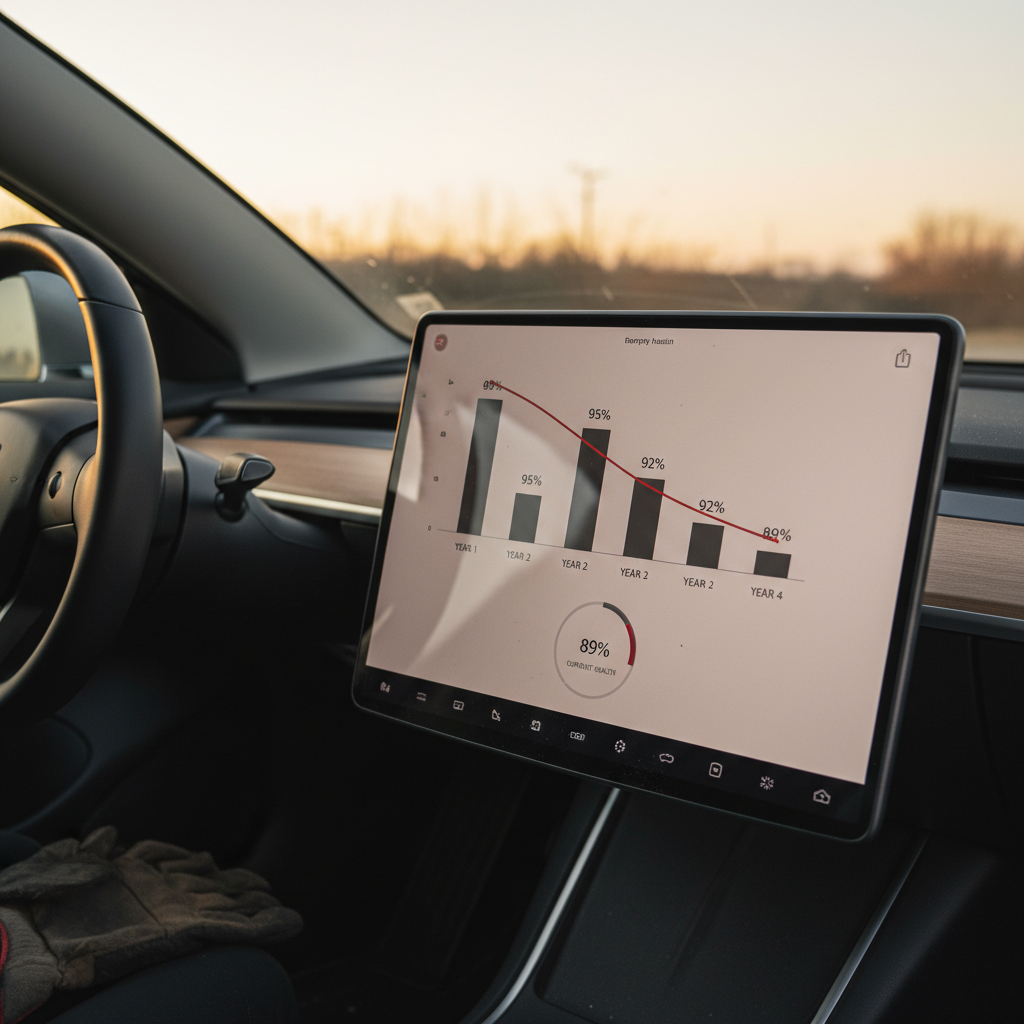
One of the big anxieties around DC fast charging, RT or not, is whether it chews up battery life, especially on used EVs. The truth is more nuanced. Occasional fast charging is baked into modern battery design. But a car that has lived its life on a diet of maximum‑power, back‑to‑back DC sessions may show more degradation than one that mostly sipped Level 2 at home.
- Frequent fast charging increases heat, and heat is enemy number one for lithium‑ion batteries.
- Many EVs automatically reduce fast‑charge power as the pack ages to protect itself.
- Charging to 100% on DC fast repeatedly is tougher on the pack than stopping around 70–80% most of the time.
- Cold‑soaked packs can’t immediately accept full fast‑charge power; the car has to warm the battery first.
The real red flag isn’t RT, it’s abuse
This is where buying from a platform that actually checks the pack matters. Every EV sold through Recharged includes a Recharged Score Report with verified battery health, so you’re not guessing how a previous owner treated their charging habits.
How to use an RT fast charger step by step
From 20% to back on the road: RT charging in 7 steps
1. Find a compatible RT fast charger
Use your car’s native nav or an EV charging app to filter for DC fast stations that match your connector (CCS, NACS, or CHAdeMO on older models).
2. Arrive with a low-ish battery
Fast charging is most efficient between about 10–60% state of charge. If you roll in at 70–80%, don’t expect the headline speeds the app advertises.
3. Plug in firmly and follow on‑screen prompts
Connect the DC plug until it locks, then follow either the station’s touchscreen or your charging app to start the session.
4. Watch the RT power curve, not just the percentage
Early in the session you might see a big number like 150 kW. As you approach 60–70%, the car will ask the charger to taper down. That’s normal and healthy.
5. Decide your “get‑out” point
For road trips, many drivers unplug around 60–80% because the charging speed slows dramatically past that. It’s often faster to drive to the next stop than wait for the last 20%.
6. Stop the session in the app or at the station
End the session via the app or charger screen, wait for the connector to unlock, then stow the cable so the next driver isn’t wrestling a snake on the ground.
7. Sanity‑check the receipt
Most RT systems itemize kWh, time, and taxes. Glance at the total to make sure it matches the posted price before you pull away.
Time is the real currency here
Choosing the right charging mix for your life
The phrase “charger charger RT” is a reminder that there’s no single right way to charge an EV. You’re mixing three ingredients: slow but cheap power at home, medium‑speed top‑ups around town, and RT fast charging when the clock is your enemy. The best blend depends on your home situation, commute, and how often you road‑trip.
Three common charging lifestyles
Which one looks most like you?
Home‑base commuter
Profile: Drive 20–50 miles/day, have a driveway or garage.
- Install a 240V Level 2 charger at home.
- Use RT fast chargers only on road trips.
- Battery stays happy, cost stays low.
Apartment dweller
Profile: No home charging, use public infrastructure.
- Rely on workplace or public Level 2 when possible.
- Use RT fast chargers a few times a week as needed.
- Pick a used EV with good DC fast‑charge performance.
Frequent road‑tripper
Profile: Regular long‑distance drives.
- Choose an EV with strong highway fast‑charge curve.
- Plan routes around reliable RT fast networks.
- Still use Level 2 at home to give the pack a break.
Buying with charging in mind
Ready to find your next EV?
Browse VehiclesFAQ: “Charger charger RT” and fast charging
Frequently asked questions
The bottom line on “charger charger RT”
“Charger charger RT” may sound like a glitch in the matrix, but it’s really shorthand for what matters most on the road: real‑time, high‑power DC charging. It’s the tool you lean on when time is tight, range is low, and the next obligation isn’t going to move for you.
Day to day, though, the EV experience lives and dies by where the car spends its nights and how you actually charge it. That’s why, when you’re shopping used EVs, it pays to look beyond the marketing numbers and into battery health, charge curves, and your own lifestyle. Recharged builds that into the process with verified battery diagnostics, transparent pricing, and EV‑specialist guidance, so RT fast charging becomes a convenience, not a crutch.
Get your charging mix right, and “charger charger RT” stops being a mystery label and becomes what it should have been all along: just another tool in a calm, predictable electric life.