If you’re shopping for a certified pre-owned Tesla Model 3, you’re probably trying to thread a needle: you want the value of a used EV, but you don’t want to gamble on battery health or hidden issues. The good news is that Tesla does run a factory pre-owned program, and the better news is that, in 2026, you have strong alternatives that may offer more transparency and value.
Quick take
Why shoppers look for a certified pre-owned Tesla Model 3
The Model 3 is the closest thing the EV world has to a Honda Civic: common, efficient, and increasingly affordable on the used market. Average U.S. used Model 3 prices in late 2025 hovered in the low $20,000s for earlier model years, with newer facelift cars pushing into the high $30,000s. That puts a well-kept used Model 3 squarely in reach for many first-time EV buyers.
What draws buyers to a certified pre-owned Model 3
Three big reasons shoppers look for the Tesla name on a pre-owned listing
Battery peace of mind
You want some reassurance that the high-voltage battery hasn’t been abused. A certified or factory-backed car usually includes extra warranty coverage on top of the original battery warranty that can stretch to 8 years and 100,000–120,000 miles, depending on the trim.
Lower mechanical risk
EVs have fewer moving parts than gas cars, but things still break, touchscreens, door handles, suspension components. A vetted, warrantied car takes the sting out of early ownership.
Better value than new
Used Model 3 prices have fallen faster than the wider used-car market, which means you can often get a well-equipped car for thousands less than new while still getting modern range and tech.
Used EV market reality in 2026
How Tesla’s certified pre-owned Model 3 program actually works
Tesla no longer makes a big marketing splash around the phrase “Certified Pre-Owned,” but the concept is there behind the scenes. When you buy a pre-owned Model 3 directly from Tesla’s website, you’re getting a car that’s been through a defined inspection process and carries a specific Pre-Owned Vehicle Limited Warranty on top of whatever remains from its original new-car coverage.
- Every pre-owned Tesla sold by Tesla goes through roughly a 100‑plus‑point inspection focused on safety, cosmetics, and basic functionality.
- The car comes with an Autocheck or similar history report, so you can see past accidents and mileage readings.
- You place a deposit online to reserve the vehicle, then complete paperwork and delivery with a Tesla advisor, often entirely digitally.
What Tesla’s program is not
Warranty coverage on a certified pre-owned Model 3
When you buy a certified pre-owned Tesla Model 3 directly from Tesla, you’re really stacking two coverage buckets: whatever’s left of the original new-car warranty, plus a dedicated pre-owned warranty. The battery and drive unit sit in their own bucket with separate, longer coverage.
Typical U.S. warranty structure on a Tesla pre-owned Model 3
Exact terms can vary by model year and in rare cases by region, so always check the specific listing. This table gives you the general pattern for U.S.-market cars sold by Tesla.
| Component | New-car coverage (from original in‑service date) | Pre-owned coverage when bought from Tesla | What it means for you |
|---|---|---|---|
| Basic vehicle (bumper-to-bumper) | 4 years / 50,000 miles | If original basic warranty still active: up to an extra 1 year / 10,000 miles. If it’s expired: 1 year / 10,000 miles from your delivery. | You get at least a short bumper‑to‑bumper safety net after purchase. |
| Battery & drive unit – RWD | 8 years / 100,000 miles, minimum 70% capacity retention | Balance of original battery warranty only (no extra years or miles added). | Even older CPO cars often have several years of battery coverage left. |
| Battery & drive unit – Long Range & Performance | 8 years / 120,000 miles, minimum 70% capacity retention | Balance of original battery warranty only. | Higher‑trim cars get the longer 120,000‑mile cap, which may matter if you drive a lot. |
| Rust / corrosion | 12 years (typical) body rust perforation coverage | Remainder of original coverage only. | Not usually a deal‑breaker, but worth knowing in salty climates. |
How Tesla layers warranties on a pre-owned Model 3
Battery coverage is the big story
What does Tesla check on a pre-owned Model 3?
Tesla advertises a 100‑plus‑point inspection for pre-owned cars. They don’t publish every line item, but based on owner reports and internal materials, the checklist is heavily weighted toward basic safety and functionality rather than deep-dive diagnostics.
Typical inspection areas on a Tesla pre-owned Model 3
What’s likely on the checklist, and what usually isn’t
Safety & structure
- Frame and underbody damage
- Airbag and restraint system checks
- Brake performance and fluid leaks
- Tire condition and wheel damage
Electronics & software
- Touchscreen and instrument display
- Autopilot hardware presence and basic function
- Charging port operation
- Lights, windows, and mirrors
Cosmetics
- Obvious body damage and paint issues
- Windshield and glass cracks
- Interior wear, odors, stains
- Wheel curb rash (repaired at Tesla’s discretion)
What’s often missing
Real-world pricing: how much do certified pre-owned Model 3s cost?
Used Model 3 prices have come back down to earth. Market data through late 2025 shows average used Model 3 transaction prices in the low‑ to mid‑$20,000s for earlier model years, with facelifted 2024–2025 cars typically in the low‑ to mid‑$30,000s, depending on trim, mileage, and options.
Typical used Model 3 price ballparks in 2025–2026 (U.S.)
Factory pre-owned cars from Tesla itself often sit toward the upper end of these ranges. You’re effectively paying a modest premium for the Tesla-branded inspection and the extra pre-owned warranty year, plus the convenience of a streamlined, online purchase process.
Sanity‑check any CPO price
Pros and cons of buying certified pre-owned from Tesla
Upsides of Tesla’s pre-owned program
- Factory backing: Your bumper‑to‑bumper pre-owned warranty and any remaining original coverage are honored at Tesla Service Centers nationwide.
- Streamlined buying process: You can shop, place a deposit, and finish paperwork online, often without stepping into a showroom.
- OEM parts and software: Reconditioning is done with Tesla parts and software updates, so you’re starting from a known-good baseline.
Downsides to watch for
- Limited ability to negotiate: Tesla pricing is mostly take‑it‑or‑leave‑it, even in a soft used‑EV market.
- Opaque inspection detail: You may not get the line‑by‑line inspection detail you’d expect from a traditional CPO program.
- Inventory constraints: If you’re picky about color, wheels, or specific options, Tesla’s own stock in your region may be thin compared with broader used‑EV marketplaces.
CPO vs independent used EV retailers like Recharged
Tesla’s certified pre-owned program isn’t your only path to a safe, worry-free used Model 3. Specialist retailers like Recharged focus solely on used EVs and build their entire process around the questions gas-car CPO programs never had to answer, especially battery health and long-term ownership costs.
Tesla CPO vs Recharged: what’s different?
How a factory program stacks up against an EV‑specialist marketplace
Recharged Score & battery diagnostics
Every EV on Recharged comes with a Recharged Score Report that includes verified battery health, charging history insights when available, and a fair‑market pricing analysis. You see, in plain language, how much usable battery capacity remains, something most factory CPO listings still don’t surface.
More ways to buy and sell
Recharged offers financing, trade‑in, instant offers or consignment, and even nationwide delivery. You can complete your purchase fully online or visit the Experience Center in Richmond, VA if you want to sit in the car first.
Transparent pricing across brands
Because Recharged isn’t tied to a single manufacturer, you can cross‑shop Model 3 against other used EVs, Hyundai Ioniq 5, Chevy Bolt EUV, Polestar 2, on one platform, with consistent condition reports and battery data.
Consumer‑first support
Recharged staffs EV specialists who help you compare trims, understand home charging, and sort out incentives and financing. Think of it as having an expert riding shotgun through the whole process, instead of talking to a generalist used‑car salesperson.
Ready to find your next EV?
Browse VehiclesWhen Recharged makes more sense than CPO
How to evaluate battery health on a used Model 3
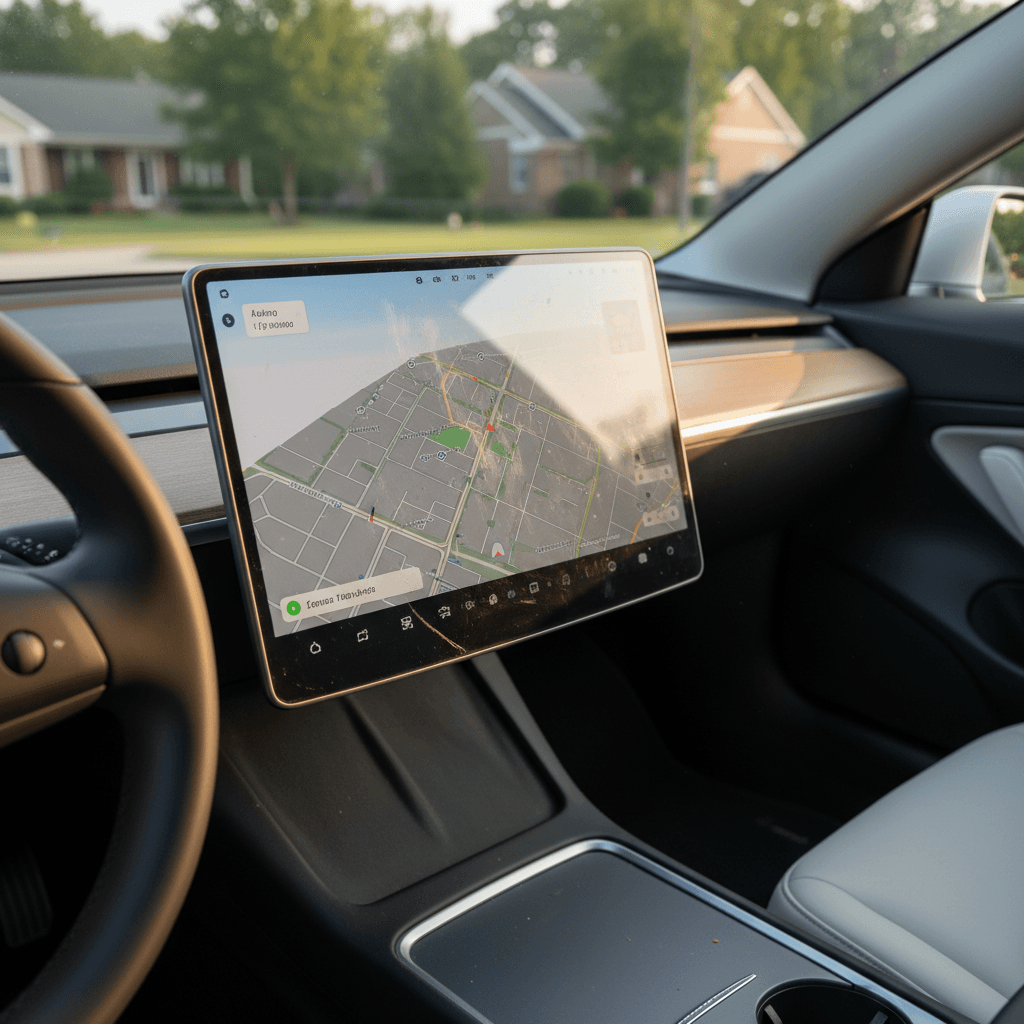
Battery health is the make‑or‑break variable for any used Tesla. Unlike a gas engine, an EV battery quietly degrades over time, and two cars with the same mileage can have very different real‑world range. Tesla’s certified pre-owned program leans on the remaining factory battery warranty as your safety net, but many buyers understandably want more concrete data.
Practical ways to judge a used Model 3’s battery
1. Check remaining battery warranty
Verify the car’s in‑service date and mileage so you know exactly how much of the 8‑year / 100,000–120,000‑mile battery and drive unit warranty is left. A car with three years and 40,000 miles of coverage left is a very different risk than one that’s months from expiring.
2. Look for a recent battery health report
On Recharged, the Recharged Score includes <strong>verified battery state of health</strong> (SOH). Elsewhere, ask the seller for any service records or third‑party reports that show usable capacity compared to new.
3. Compare indicated range to original specs
With the battery around 90–100% state of charge, compare the displayed range on the screen to the EPA rating for that trim. A modest drop (say, 8–12%) is normal for an older car; a much larger gap deserves extra questions.
4. Review DC fast‑charging history if possible
Frequent DC fast charging isn’t automatically a red flag, but an unusually high share of DC use may accelerate degradation over time. The more you can learn about how the previous owner charged, the better.
5. Test drive with an eye on efficiency
On a thorough test drive, watch energy use and how quickly the projected range falls. A healthy car should deliver believable miles‑per‑kWh figures for your conditions, not drain like a leaky fuel tank.
Don’t rely on range alone
Financing and total cost of ownership
The price on the windshield is only half the story. Between financing, charging costs, insurance, and maintenance, a certified pre-owned Tesla Model 3 can be one of the cheapest cars to own in its class, or an expensive experiment, depending on how you structure the deal.
Financing a CPO or used Model 3
- Shop lenders: Tesla Financing is convenient, but don’t ignore credit unions and EV‑friendly lenders that may offer better used‑EV rates.
- Consider term length: Stretching to 84 months can make the payment look pretty, but you may end up upside‑down if values slip further.
- Pre‑qualify first: Platforms like Recharged let you pre‑qualify for financing online so you know your budget before you fall for a particular car.
Running costs to factor in
- Charging: Home Level 2 charging is usually far cheaper per mile than gas, especially if you can use off‑peak rates.
- Insurance: Teslas can be pricier to insure than comparable gas sedans, get quotes before you commit.
- Maintenance: No oil changes, but budget for tires, cabin filters, brake fluid, and the occasional software‑related service visit.
Run the numbers on a few scenarios
Step-by-step checklist for shopping a used or certified Model 3
Your Model 3 shopping game plan
1. Decide on trim, range, and must‑have features
Do you really need Performance, or will a Long Range AWD do everything you need? List your must‑haves (range, AWD, color, wheels, Autopilot) before you start browsing so you’re not swayed by shiny extras.
2. Set a realistic, out‑the‑door budget
Work backward from what you can comfortably afford monthly, then factor in taxes, fees, and an estimated interest rate. Leave a cushion for tires or minor reconditioning after purchase.
3. Compare Tesla CPO vs specialist marketplaces
Browse Tesla’s pre-owned inventory alongside EV‑focused platforms like <strong>Recharged</strong>. Note how inspection transparency, battery health information, and pricing differ for similar cars.
4. Scrub the vehicle history
Pull the history report yourself (or review the one provided) and look for accident damage, odometer discrepancies, and repeated service visits for the same issue.
5. Get a battery‑focused inspection
If you’re not buying through a platform that already includes diagnostic testing, consider having a qualified EV technician or third‑party service run a <strong>battery health scan</strong> before you finalize the deal.
6. Review warranty details in writing
Confirm, in writing, the exact start and end dates and mileage caps for the bumper‑to‑bumper and battery warranties. Then file that documentation somewhere you’ll actually find it later.
Certified pre-owned Tesla Model 3: FAQ
Frequently asked questions about certified pre-owned Model 3s
Bottom line: is a certified pre-owned Model 3 worth it?
A certified pre-owned Tesla Model 3 can be a smart, lower‑risk way into EV ownership, especially if you’re nervous about battery life or you simply prefer the idea of factory backing. But in 2026, the Tesla badge on the purchase contract is only one option. Independent EV specialists like Recharged now offer deep battery diagnostics, transparent pricing, and one‑on‑one expert support that traditional CPO programs rarely match.
The smartest move is to treat Tesla’s CPO inventory as one data point, not the entire universe. Cross‑shop similar cars on Recharged, compare warranties and battery‑health transparency, and run the total cost of ownership numbers, not just the monthly payment. Do that, and you’ll end up in the Model 3 (or competing EV) that fits your life, not just the one that happened to be certified.