If you’re shopping for an SUV, the phrase certified pre owned SUV sounds like a safe middle ground between “new and expensive” and “used and risky.” In practice, certified programs can be a smart move, or an overpriced security blanket, depending on what you buy, how you drive, and whether the SUV is gas-powered or electric. This guide breaks down how CPO really works in 2025 so you can decide if it’s worth paying the premium.
Quick definition
Why certified pre owned SUVs exist, and what they really promise
Certified pre owned programs exist because modern vehicles, especially SUVs loaded with tech, are complex and expensive to fix. Automakers and large dealer groups created CPO to reassure buyers who want the lower price of used with some of the protection of new. In exchange, you pay more than you would for a comparable non‑certified used SUV, but you get structure: defined inspection standards, warranty coverage, roadside assistance, and access to better financing offers.
How CPO stacks up against regular used SUVs in 2025
Who CPO is designed for
How certified pre owned SUV programs work
On the surface, most CPO SUV programs look similar: low‑mileage vehicles, a long inspection checklist, and extra warranty coverage. Under the hood, the details, who certifies the vehicle, what’s actually inspected, and how the warranty works, vary by brand and even by dealership.
Two types of certified pre owned SUV programs
Know who is actually standing behind the SUV you buy
Factory CPO (best case)
Backed by the automaker, for example, HondaTrue, Toyota Certified, GM Certified, or Land Rover Approved.
- Standardized inspection checklist and reconditioning rules.
- Factory‑backed warranty honored at any franchised dealer nationwide.
- Often includes roadside assistance and trip‑interruption benefits.
If you move or travel, this is the most flexible and predictable form of CPO coverage.
Dealer CPO (read the fine print)
Backed by the dealership or local group, sometimes marketed as “certified” but not tied to the automaker.
- Inspection standards can be looser and vary by store.
- Warranty may only be honored at that dealer or group.
- If the dealer closes or is sold, coverage can effectively disappear.
Dealer certification isn’t automatically bad, but you need to read the contract carefully.
True factory CPO SUVs are generally worth more because you’re buying into the automaker’s network and standards, not a single dealer’s promise. When you see the word “certified,” always ask whether it’s manufacturer certified or just dealer certified, and get a copy of the inspection and warranty booklet either way.
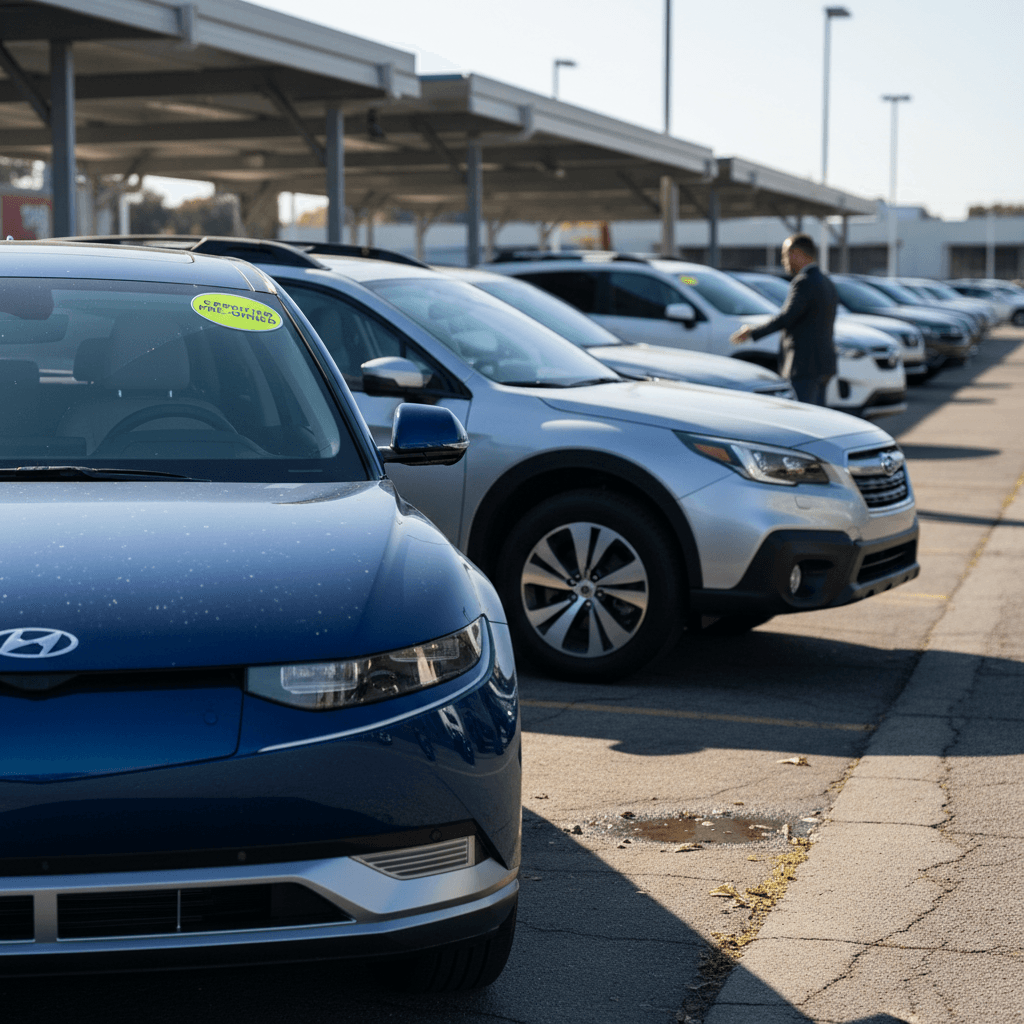
- Age and mileage caps (often under 5–6 years and 60,000–80,000 miles).
- Clean title and no severe accident history, verified with a vehicle history report.
- Multi‑point inspection (commonly 125–200+ items).
- Required reconditioning using OEM or OEM‑approved parts.
- Added warranty coverage that starts from the original in‑service date or from your purchase date, depending on the brand.
- Perks like 24/7 roadside assistance, rental reimbursement, and trip‑interruption coverage.
Don’t assume all “certified” labels are equal
Key benefits of buying a certified pre owned SUV
Where CPO programs earn their keep is after you’ve taken the keys. The vehicle has already passed a detailed inspection, and if something major does go wrong, the warranty is designed to soften the financial blow. For SUVs, heavy vehicles often used for family duty or road trips, that peace of mind can matter.
Top benefits you should actually care about
Ignore the fluff; focus on what protects your wallet and time
Structured inspection
CPO SUVs typically undergo a 125–200+ point inspection by brand‑trained technicians. That includes brakes, steering and suspension, fluid leaks, HVAC, safety systems, driver‑assist tech, and infotainment.
Ask for a printed copy of the inspection and keep it with your records.
Extended warranty coverage
Factory CPO programs usually add a bumper‑to‑bumper warranty for 12–24 months and extend the powertrain warranty out to around 6 or 7 years from the original in‑service date, often up to 100,000 miles.
Some brands include low or $0 deductibles on covered repairs.
Roadside & trip protection
Most CPO SUVs include 24/7 roadside assistance with towing to the nearest franchised dealer, flat‑tire help, lockout service, and jump‑starts, plus trip‑interruption and rental reimbursement if you’re far from home.
Less risk, still cheaper than new
Downsides and hidden risks to watch for
CPO badges and glossy brochures can obscure the trade‑offs. The same structure that reduces risk also creates new ways for you to overpay or misunderstand what’s covered. You’re buying a contract as much as you’re buying an SUV, and contracts always have fine print.
Common downsides of certified pre owned SUVs
Issues to dig into before you pay the CPO premium
| Risk | What it looks like in the real world | How to protect yourself |
|---|---|---|
| Price premium | CPO SUV is $1,500 more than a similar non‑certified SUV with only a few thousand more miles. | Compare several non‑CPO examples and calculate how much warranty you could buy separately for the same money. |
| Coverage gaps | Wear items (brakes, tires), cosmetic issues, and aftermarket accessories excluded from coverage. | Read the warranty booklet and exclusions; don’t assume “bumper‑to‑bumper” means every part. |
| Dealer-only warranty | “Certified” SUV that can only be repaired at the selling store. | Prefer factory CPO; if it’s dealer‑only, treat it like any other used SUV plus an extended warranty. |
| Short window benefits | Free maintenance or SiriusXM trial that sounds big but only lasts a few months. | Separate true long‑term value (warranty, roadside) from short‑term perks. |
These risks don’t mean CPO is a bad idea, but you should understand them before signing.
Red flag: “As‑is” language
Certified pre owned SUV vs regular used SUV
The real question most shoppers have isn’t “Is CPO good?” It’s “Is CPO worth the extra money compared with a well‑vetted used SUV?” The answer depends on your risk tolerance, how long you’ll keep the SUV, and how much value you place on the warranty and roadside assistance.
When a certified pre owned SUV is worth it
- You’re buying a complex, tech‑heavy SUV (panoramic cameras, adaptive cruise, air suspension, third‑row power seats).
- You drive a lot of highway miles or take frequent road trips.
- You plan to keep the SUV for at least 3–5 years and want predictable repair costs.
- You can secure subvented CPO financing (lower APR) that offsets some of the price premium.
- The factory CPO program offers strong coverage and $0 or low deductibles.
When a regular used SUV makes more sense
- You can find a one‑owner, clean‑history SUV with complete service records.
- You’re comfortable budgeting for potential repairs and maybe adding an independent warranty.
- The CPO premium is so high that you could save thousands by buying non‑certified and setting aside money for repairs.
- You don’t plan to keep the vehicle past the remaining factory warranty anyway.
- You’re considering models with excellent reliability records and simple equipment lists.
Rule‑of‑thumb decision tool
1. Compare at least three non‑CPO SUVs
Before you pay the CPO premium, look at similar non‑certified SUVs at other dealers or via online marketplaces. That’s the only way to know what the certification is really costing you.
2. Price out equivalent warranty coverage
Ask what a comparable extended warranty would cost on a non‑CPO SUV. If you can replicate the coverage for less money, certification loses some of its advantage.
3. Put a dollar value on perks
Roadside assistance, trip‑interruption coverage, and free maintenance do have value, but usually in the low hundreds of dollars over a few years, not thousands.
What changes when the SUV is electric?
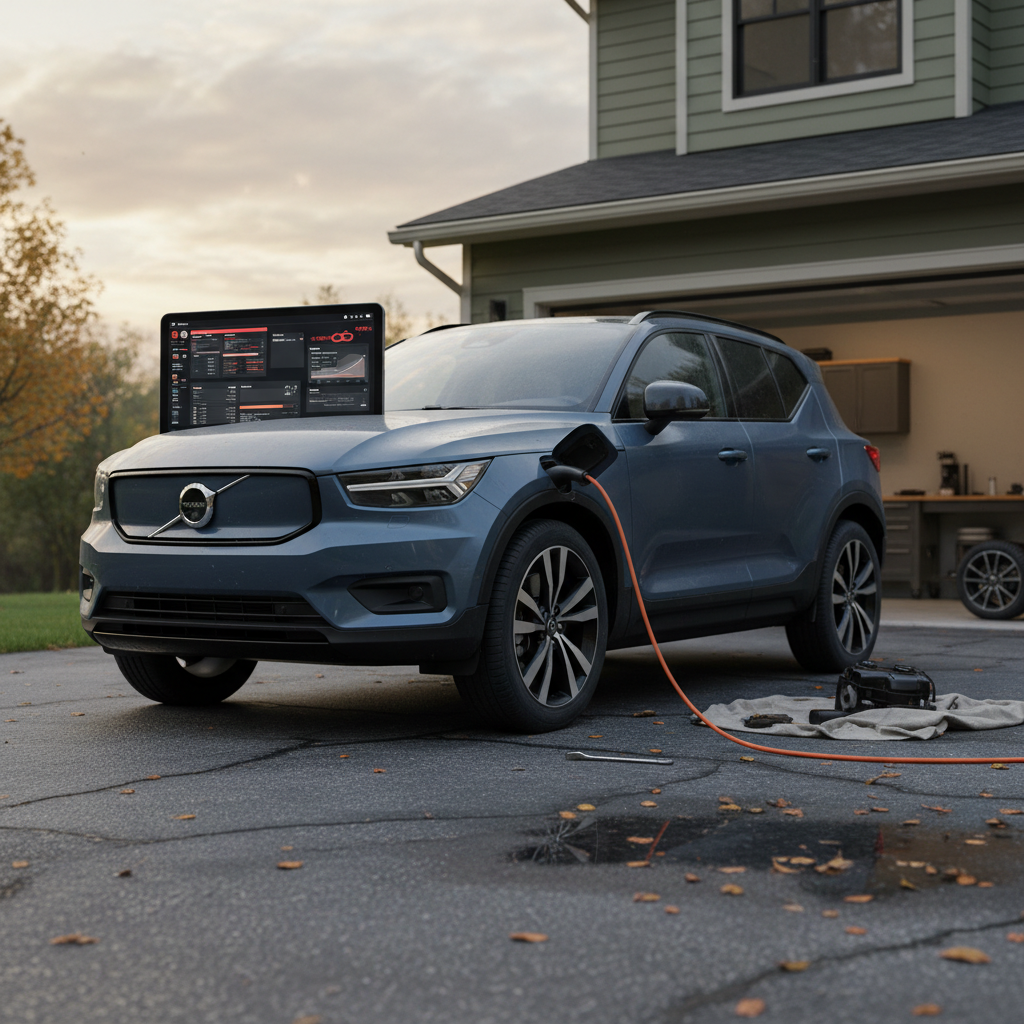
Electric SUVs add a new wrinkle to the certified pre owned conversation: batteries. The battery pack is usually the single most expensive component in the vehicle, and its health determines real‑world range and long‑term value. The good news is that most modern EV SUVs carry long battery warranties, CPO or not, but not all certified programs evaluate battery health with the rigor buyers expect.
CPO electric SUV vs CPO gas SUV: what’s different?
Battery health, software, and charging history move to the center of the conversation
Battery warranty vs. health
Most EV SUVs, certified or not, have an 8‑year/100,000‑mile (or more) battery warranty. That protects you from outright failures, but not necessarily from gradual range loss unless the pack falls below a specific capacity threshold.
Charging history & DC fast use
Frequent DC fast charging and repeated high‑state‑of‑charge storage can accelerate battery degradation. Standard CPO checklists rarely dig into this history in detail.
This is where independent battery health diagnostics add real value.
Software & features
Electric SUVs rely on software updates for everything from range optimization to driver‑assist systems. A solid CPO process should verify that the vehicle is updated and that advanced safety systems function properly.
How Recharged handles used electric SUVs differently
If you’re cross‑shopping a factory CPO electric SUV against a non‑CPO EV from a specialist like Recharged, weigh the value of high‑quality battery data and transparent pricing against a traditional CPO warranty. For many EV buyers, knowing the pack’s health and having EV‑savvy support matters more than a slightly longer bumper‑to‑bumper warranty.
Inspection and test-drive checklist for CPO SUVs
Even with CPO, you shouldn’t skip your own due diligence. The SUV has been inspected to a standard, but that standard was defined by someone whose job is to sell you the vehicle. You’re there to represent your own interests.
Hands‑on checklist before you say yes
1. Confirm the type of certification
Ask directly whether the SUV is <strong>factory CPO</strong> or <strong>dealer‑certified</strong>. Request the program name, coverage booklet, and whether the warranty is honored nationwide or only at that store.
2. Read the inspection report
Don’t just skim the “passed” stamp. Look for items marked as borderline or “monitor.” Check dates and mileage on major services like transmission fluid, coolant, and brake fluid changes.
3. Evaluate wear items yourself
Measure tire tread depth, look for uneven wear, and check pad and rotor condition through the wheel spokes if possible. These are often excluded from warranty and can cost four figures to refresh on larger SUVs.
4. Test all seats and tech
Cycle every power seat, window, and door lock. Test the sunroof or panoramic roof, all cameras, parking sensors, and driver‑assist systems (adaptive cruise, lane keeping, blind‑spot monitoring) during your test drive.
5. Listen on cold start and over bumps
Arrive early enough that the SUV is stone‑cold. Listen for rattles, timing chain noise (for gas SUVs), and suspension clunks over rough pavement or speed bumps.
6. For EV SUVs: verify battery health info
Ask explicitly how the dealer evaluated the battery. If the answer is vague, “it passed our scan”, consider getting independent diagnostics or working with an EV‑focused retailer such as Recharged that provides quantified battery health data.
Financing and pricing strategy for CPO SUVs
CPO pricing doesn’t exist in a vacuum. Lenders and automakers know these vehicles are inspected and warrantied, so they often offer better financing terms on certified pre owned SUVs than on equivalent non‑CPO used models. That can partially offset the higher sticker price, but only if you run the numbers carefully.
How to compare real costs between CPO and non‑CPO
Look beyond the monthly payment
Step 1: Compare out‑the‑door prices
Line up at least one comparable non‑CPO SUV. For each, calculate the out‑the‑door price after taxes, fees, and any dealer add‑ons. That’s the baseline for your decision.
Don’t forget doc fees and mandatory add‑ons, which can vary widely.
Step 2: Compare total cost of financing
Even if the CPO SUV has a lower interest rate, a higher purchase price can still make it more expensive overall. Use a loan calculator or ask the finance manager to show you total interest paid on each option.
If you’re shopping online, Recharged lets you see estimated payments and apply for financing digitally without sitting in a F&I office all afternoon.
Smart financing moves for CPO SUV buyers
Pre‑qualify before you shop
Getting pre‑qualified for financing, especially through a digital‑first platform like Recharged, gives you a benchmark APR and payment before you ever walk into a showroom.
Ask if CPO rate support applies to EVs
Some OEMs subvent CPO rates on gas SUVs but exclude EVs or set different terms. If you’re considering an electric SUV, verify that incentives and low APRs actually apply.
Keep term length realistic
CPO marketing often leans on very long loan terms to make payments look low. Aim to keep your loan term aligned with the remaining warranty and your realistic ownership horizon.
Frequently asked questions about certified pre owned SUVs
FAQ: certified pre owned SUV
Bottom line: When a certified pre owned SUV makes sense
A certified pre owned SUV is not automatically a great deal or a waste of money, it’s a tool. When you’re buying a complex, tech‑heavy SUV you plan to keep for years, a strong factory CPO program with real warranty depth and roadside assistance can meaningfully reduce your risk. But if the premium is steep, the model is known to be reliable, or you can get better transparency and support elsewhere, especially for electric SUVs, you may be better served by a carefully vetted non‑CPO vehicle and targeted protections.
For gas SUVs, focus on the quality of the underlying vehicle and make sure the CPO warranty terms justify the extra cost. For electric SUVs, shift your attention to battery health, software, and charging behavior, and consider EV‑focused options like Recharged that surface those details upfront. Either way, doing the math and asking uncomfortable questions will do more for your long‑term satisfaction than any badge on the back of the liftgate.