If you’re shopping for a used electric vehicle in 2026, you’ve probably bounced between a Carvana listing and a local dealer’s website and wondered: who actually has the better price on a used EV? With used EV values having fallen far faster than gas cars over the last couple of years and then starting to stabilize, the answer is more nuanced than “online is cheaper” or “dealers will deal.”
Key takeaway up front
Why used EV prices are so weird right now
To understand Carvana used EV prices vs dealer offers, you first need a handle on the broader used EV price roller coaster. Used electric vehicles have seen some of the sharpest swings in the market:
Used EV pricing and demand heading into 2026
Several forces created this volatility. Automakers cut new EV prices, which dragged down used values. Inventory of off‑lease EVs ballooned just as some buyers grew nervous about range, charging and future resale. Then the federal EV tax credit for new cars expired in late 2025, pulling some demand forward and leaving the market softer heading into 2026.
Why this matters for your quote
How Carvana prices used EVs vs traditional dealers
Carvana and brick‑and‑mortar dealers both pull from similar data, auction results, retail listings, and valuation guides, but they use that data differently, especially for EVs.
How Carvana typically prices used EVs
- Algorithm‑driven pricing: Carvana leans heavily on national data and reprices frequently, sometimes daily.
- National view: A Hyundai Ioniq 5 in Phoenix may be priced off demand trends in Los Angeles, Chicago, and Atlanta.
- Low negotiation, high consistency: The posted price is usually the price, with little to no haggling.
- Inventory carrying pressure: If a specific EV sits too long in one market, the algorithm will often walk the price down.
How dealers typically price used EVs
- Local market first: Dealers look closely at what similar EVs are doing in their metro or region.
- More human judgment: Used‑car managers adjust for lot traffic, aging inventory, and monthly sales targets.
- Negotiation baked in: Stickers often leave room to move, a $25,999 asking price may be a $23,500 deal.
- Incentive stacking: Stores may use APR specials, CPO programs, or trade‑in over‑allowances to hit their numbers.
Look at how fast it’s moving
Price comparison: Carvana vs dealer vs marketplace
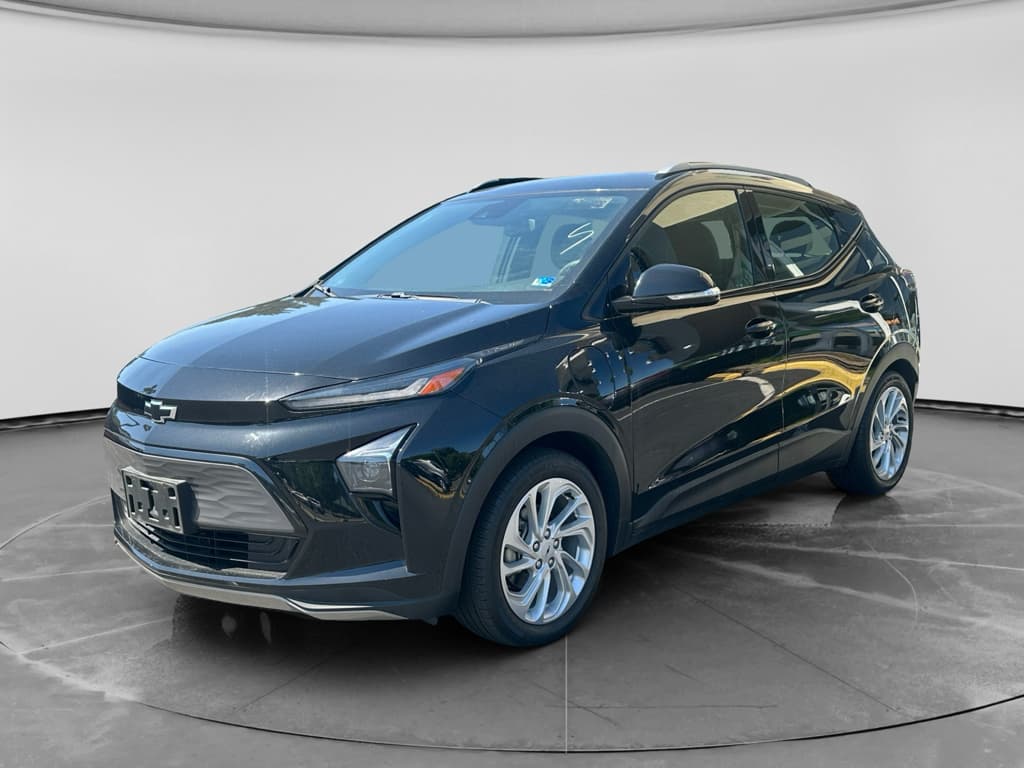
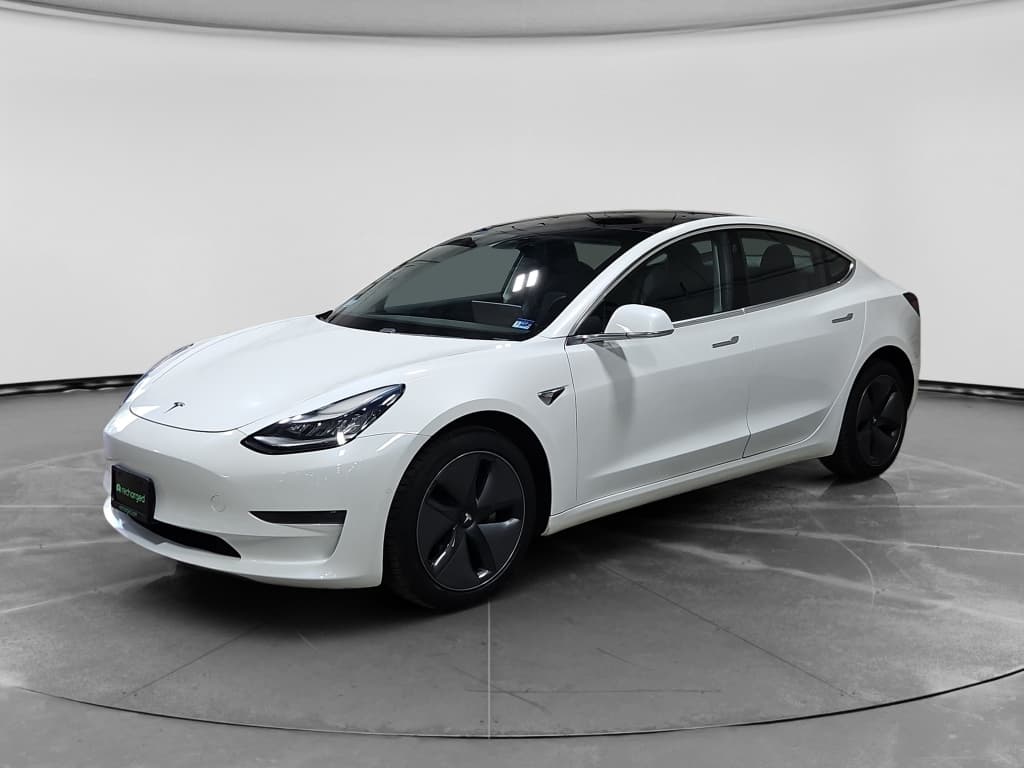
Let’s break down how pricing usually looks across three channels for a mainstream used EV, say a 2022 Hyundai Ioniq 5, Kia Niro EV, Chevy Bolt EUV or Tesla Model 3 with average miles. Real‑world numbers vary by region and day, but the patterns tend to rhyme.
Typical pricing patterns for a mainstream used EV
Illustrative example for a 3–4‑year‑old used EV with average mileage and clean history.
| Channel | Typical Sticker | Room for Negotiation | Fees & Delivery | Net Price Feel |
|---|---|---|---|---|
| Carvana | Competitive, often near national average for that model | None or very little | Delivery fees plus online‑retailer doc fees | Clear upfront, but watch the total after fees |
| Franchise dealer | Sticker often higher than online listings | Moderate; thousands off is common on EVs with age or miles | Doc, reconditioning and add‑ons vary widely | Big swings, great deals and bad ones both exist |
| Independent dealer | Can be lower on older or less popular EVs | High; lots may negotiate aggressively | Fees can be steeper, especially smaller stores | Good for bargain hunters who are comfortable inspecting cars |
| Recharged marketplace | Sticker aligned with fair‑market EV values via Recharged Score | Limited haggling, pricing aims to be right from the start | Transparent pricing; nationwide delivery available | Emphasis on value for battery health and condition, not just a low headline price |
Numbers are directional, not quotes, always compare current listings in your area.

One twist in 2025–2026 is that used EV prices are no longer falling off a cliff. Research from auction and listing data shows values plunged more than 25% from mid‑2022 peaks, but in the back half of 2024 and into 2025 those values started inching back up. That’s made some online algorithms a bit quicker to raise prices than local dealers who are still trying to blow out older EV inventory.
Don’t chase a falling knife
Beyond sticker price: fees, trade-ins, and financing
When shoppers tell me Carvana is more expensive or a dealer is way cheaper, they’re often comparing sticker to sticker and ignoring the stuff that actually hits their bank account. With used EVs, the biggest swing factors are fees, trade‑in offers, and how you finance the purchase.
Three areas that change the real price
The cheapest sticker isn’t always the lowest total cost of ownership.
1. Fees & delivery
- Carvana: delivery charges plus doc fees; usually visible in checkout but easy to skip over.
- Dealers: doc fees, recon fees, add‑ons (service contracts, paint protection) that may be bundled.
- Marketplace: more consistent, published fee structures; nationwide delivery priced upfront.
2. Trade‑in or sell
- Carvana: instant offers, convenient pickup, solid for mainstream gas cars; offers on older EVs can be conservative.
- Dealers: may over‑allow on trades to make a deal on a slow‑moving EV.
- Recharged: instant offer or consignment options tailored to EVs, with pricing informed by actual EV demand and battery condition.
3. Financing
- Carvana: simple online approvals, but rates can be higher than a credit union’s.
- Dealers: wide range, some offer subvented rates, others mark up loans significantly.
- Recharged: EV‑friendly financing and the ability to bring your own lender without penalty.
Always compare the out‑the‑door number
Battery health and vehicle transparency
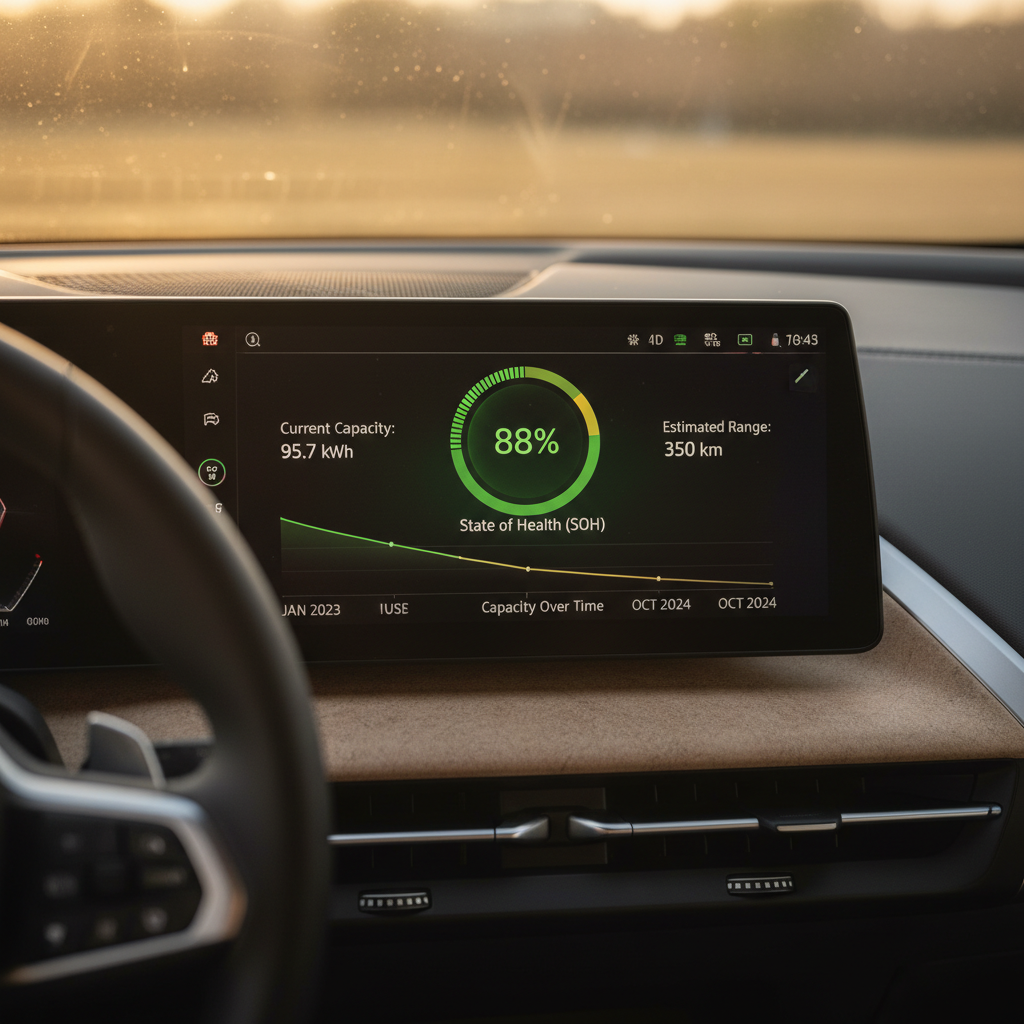
For gas cars, you can get away with focusing on price, miles and a quick test drive. For used EVs, the single biggest variable is battery health. Lose 15–20% of usable capacity and you’ve effectively shrunk both your range and your resale value.
Carvana and most dealers
- Standard inspection: Basic mechanical and cosmetic checks; EV‑specific diagnostics vary store to store.
- Limited battery detail: Listings might show mileage and generic comments like “battery OK,” but rarely share state of health percentages.
- Warranty as a backstop: Some coverage against catastrophic failure, but not against gradual degradation that shortens range.
Recharged’s EV‑first approach
- Recharged Score: Every vehicle includes a battery health report with verified diagnostics and an easy‑to‑understand score.
- Range expectations: Transparent estimates of real‑world range today, not just what the window sticker said when new.
- Fair‑market pricing: Vehicle prices are aligned with battery condition, not just age and mileage, so you know what you’re paying for.
Why this matters more than a $500 price swing
When Carvana might be cheaper, and when dealers are
So where do the real savings tend to show up? Looking across recent transaction data, listings, and dealer performance reports, several patterns emerge for who’s cheaper on used EVs in 2026.
- Carvana is often sharper on high‑volume models (Tesla Model 3/Y, Chevy Bolt, Hyundai Ioniq 5) in metros where it has strong sales and logistics density.
- Local dealers sometimes undercut Carvana on aging EVs with odd specs, higher mileage, or colors/options that haven’t resonated with their audience.
- Independent dealers can get aggressive on early‑generation EVs and off‑lease vehicles from captive finance arms looking to clear lanes.
- Marketplaces like Recharged tend to cluster near the true fair‑market number while adjusting for verified battery health, rather than chasing the lowest headline price.
Think in terms of segments, not brands
How a marketplace like Recharged fits in
Neither Carvana nor a traditional dealer was built from the ground up around EV ownership. They’ve adapted their processes to handle electric cars. Recharged started with EVs. That changes how pricing, inspection, and support work, especially important if this is your first electric car.
Where Recharged differs from Carvana and typical dealers
Built for EV shoppers, not just used‑car volume.
Battery‑first pricing
Transparent condition reports
EV‑specialist support
Ready to find your next EV?
Browse VehiclesIf you’re comparing a Carvana listing, a dealer car, and a Recharged vehicle that all look similar on paper, look closely at battery data, fee transparency, and support for first‑time EV ownership. The cheapest sticker isn’t much comfort if you discover 40 miles of missing range a month after you buy.
Checklist: how to compare offers the right way
Step‑by‑step: Comparing Carvana vs dealer vs Recharged on a used EV
1. Normalize the trim and equipment
Make sure you’re comparing the same trim level, battery size, drivetrain, and major options (like heat pump, fast‑charge package, or driver‑assist tech). A cheaper price on a shorter‑range battery isn’t apples to apples.
2. Pull the out‑the‑door price from each seller
Ask each channel, Carvana, dealer, marketplace, for a written breakdown including price, taxes, doc fees, delivery, and any add‑ons. Use the same zip code and purchase date assumptions.
3. Get explicit about battery health
Ask for battery state‑of‑health data or at least detailed range information at 100% charge. With Recharged, review the <strong>Recharged Score Report</strong> and make sure you understand what it means for daily driving.
4. Line up your own financing quote
Get pre‑approval from your bank or credit union, then compare that APR and term to Carvana’s and the dealer’s offer. Sometimes a “discount” on price is offset by a more expensive loan.
5. Value your trade‑in separately
Pull instant online offers for your current vehicle and keep that number in your back pocket. If a dealer or Carvana is far below the market, consider selling your car outright instead of trading.
6. Factor in support and return policies
Review test‑drive options, return windows, reconditioning standards, and warranties. Recharged, for example, wraps every transaction in EV‑specialist support from first click to delivery.
FAQ: Carvana used EV prices vs dealer
Frequently asked questions
Bottom line for used EV shoppers
Comparing Carvana used EV prices vs dealer offers in 2026 isn’t about finding a single winner; it’s about figuring out which channel is giving you the best total package on the specific EV you want. Carvana offers convenience and consistent, algorithm‑driven pricing. Dealers bring negotiation, local incentives, and the occasional blowout deal. A marketplace like Recharged layers on EV‑specific battery diagnostics, transparent pricing, and specialist support so the number you see actually matches the EV you’ll live with.
If you’re ready to get serious, line up a few comparable cars across Carvana, local dealers, and Recharged. Compare their Recharged Score or battery data, out‑the‑door prices, financing, and trade‑in options. In a market where used EV values are finally stabilizing, doing that extra homework is the difference between a merely decent deal and a confidently great one.