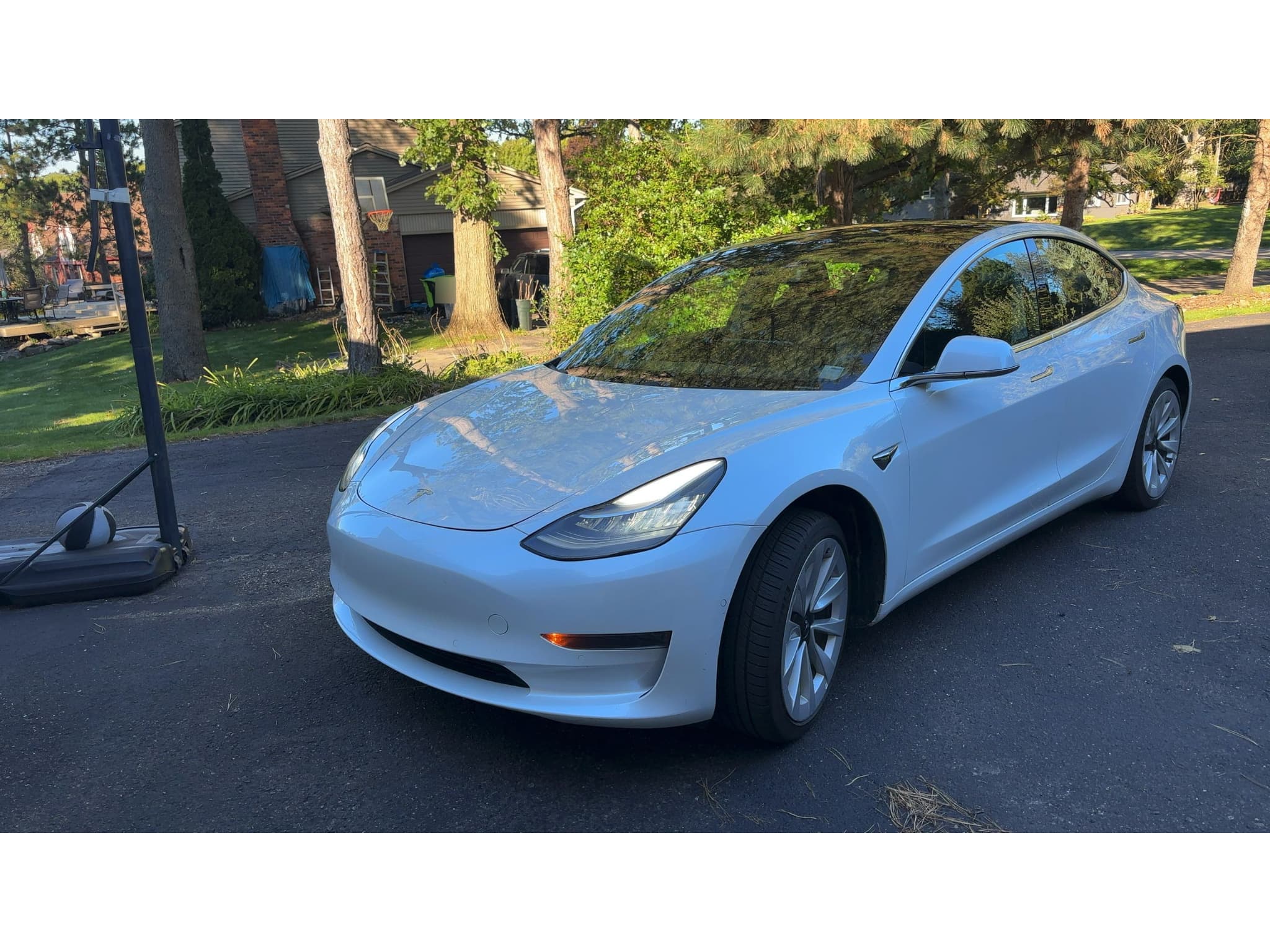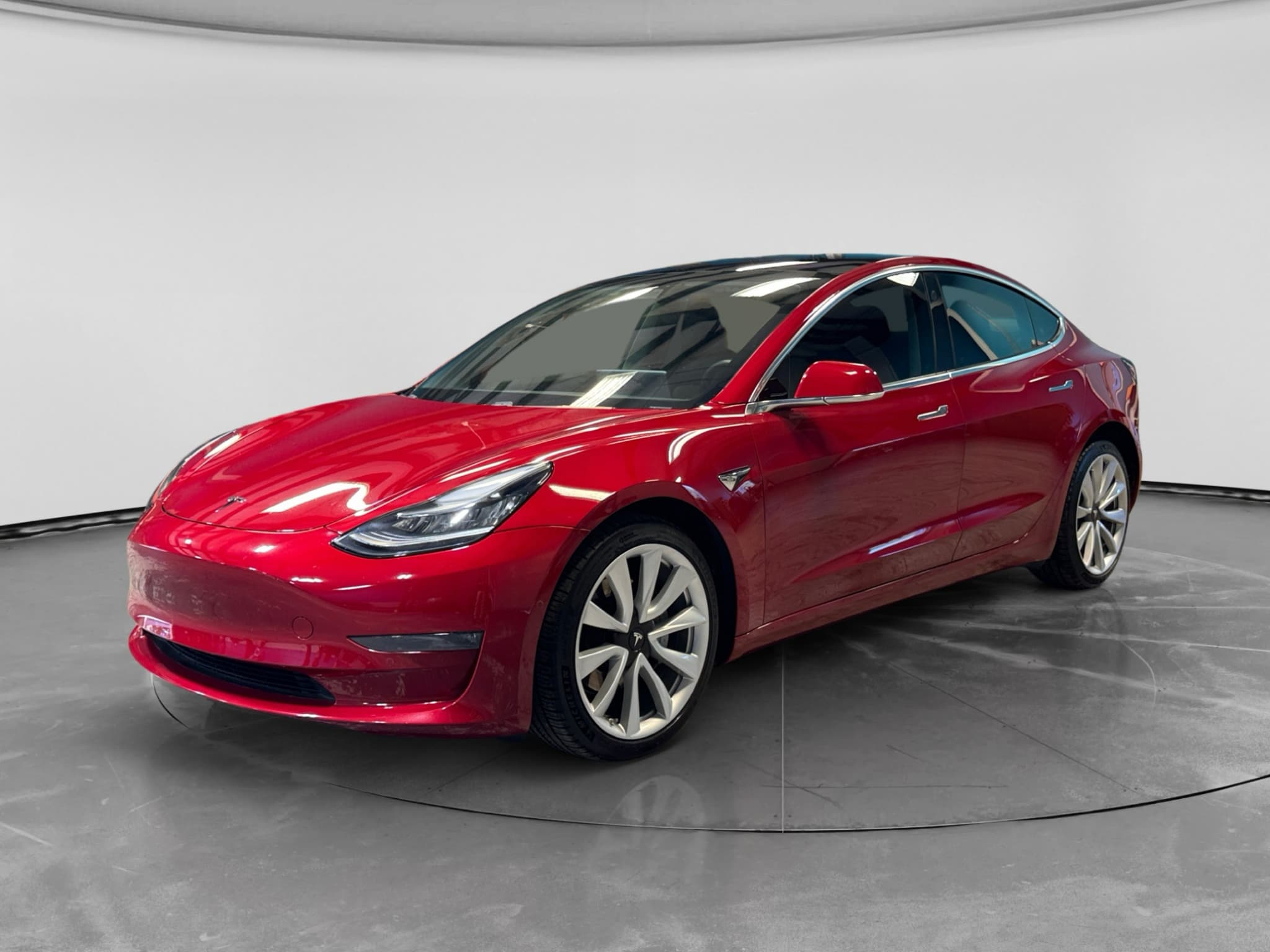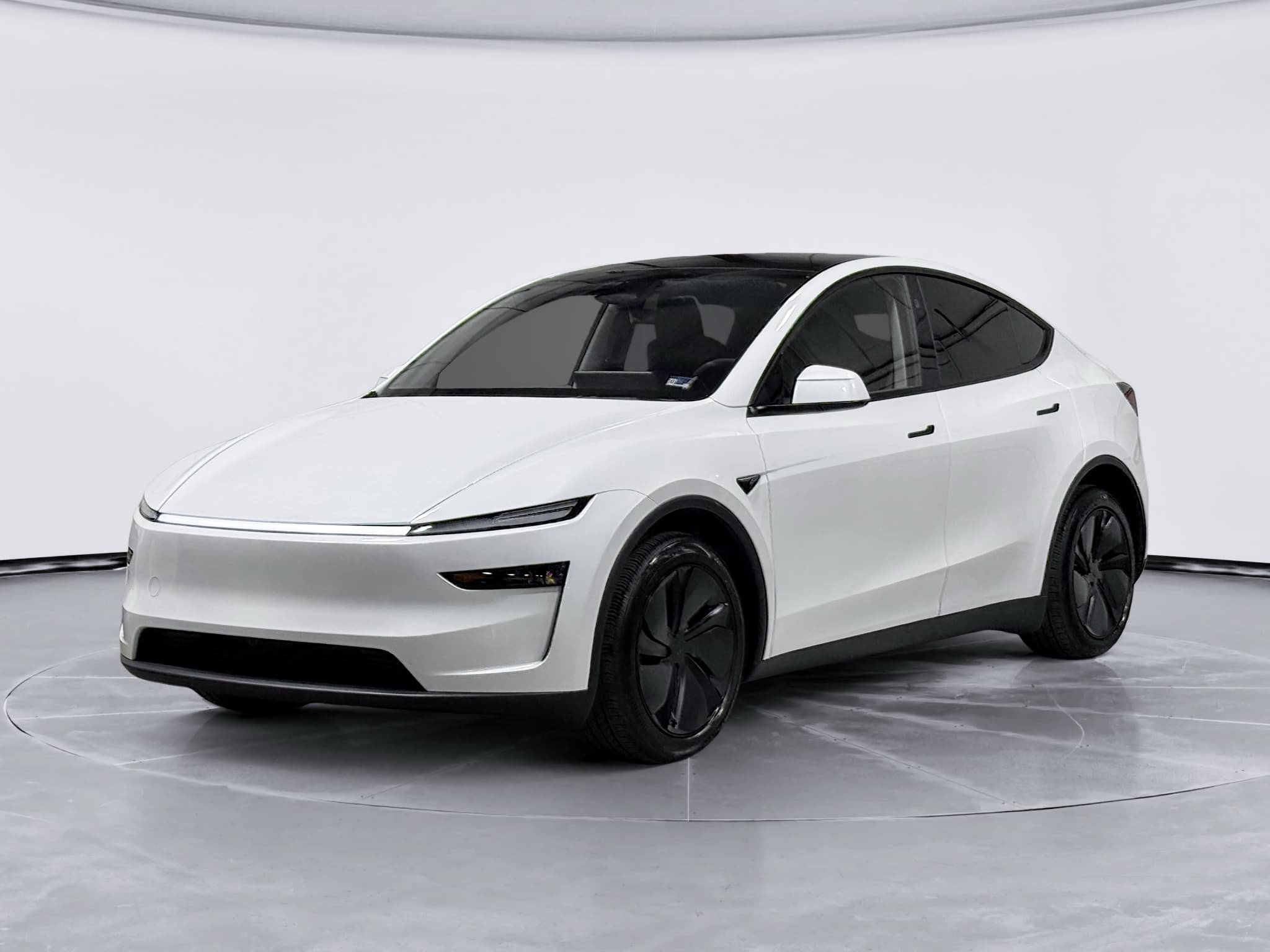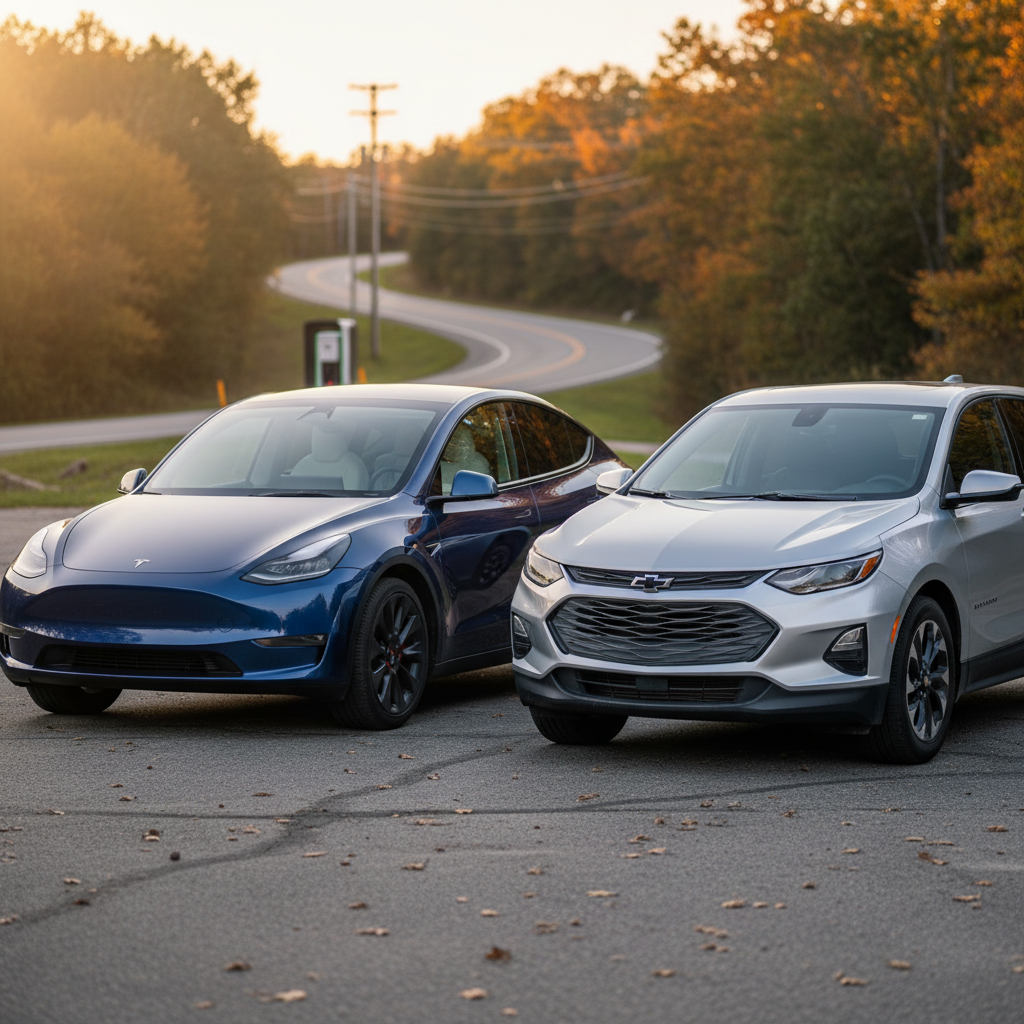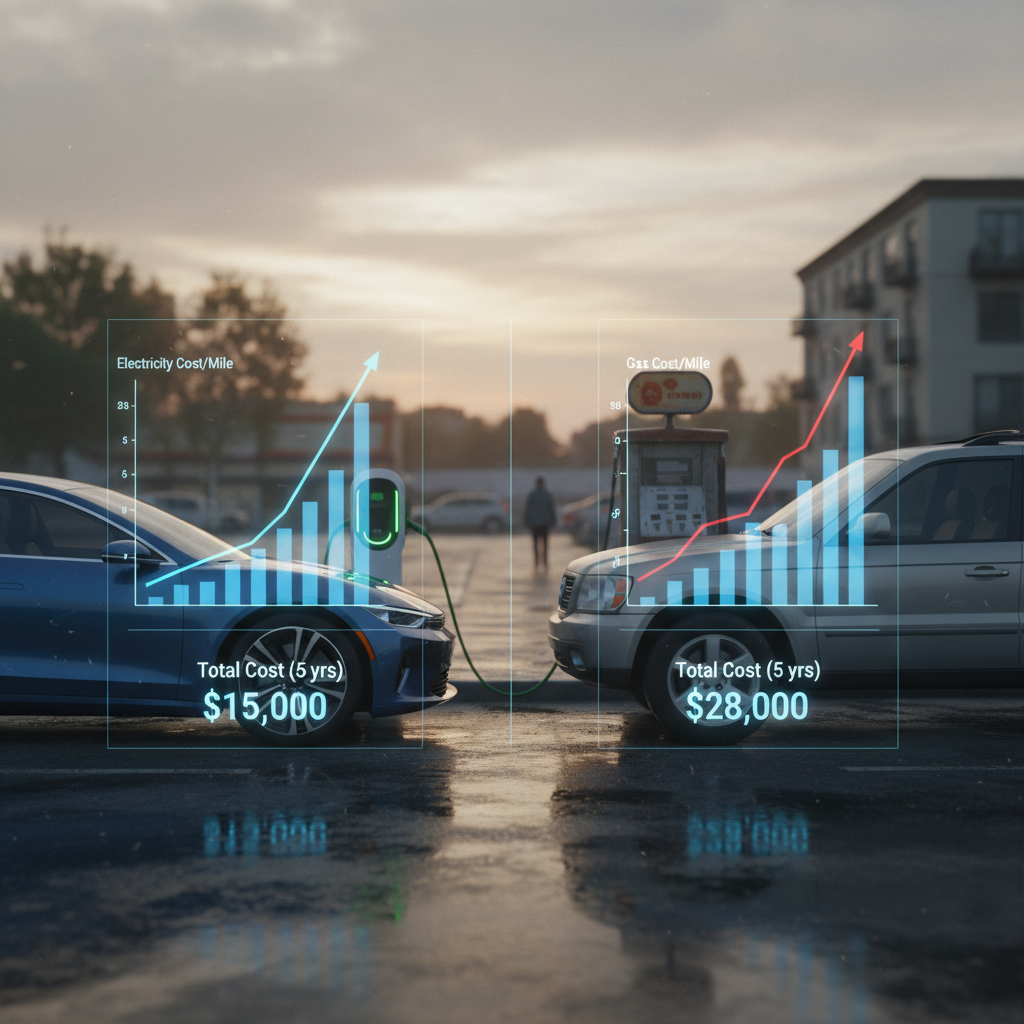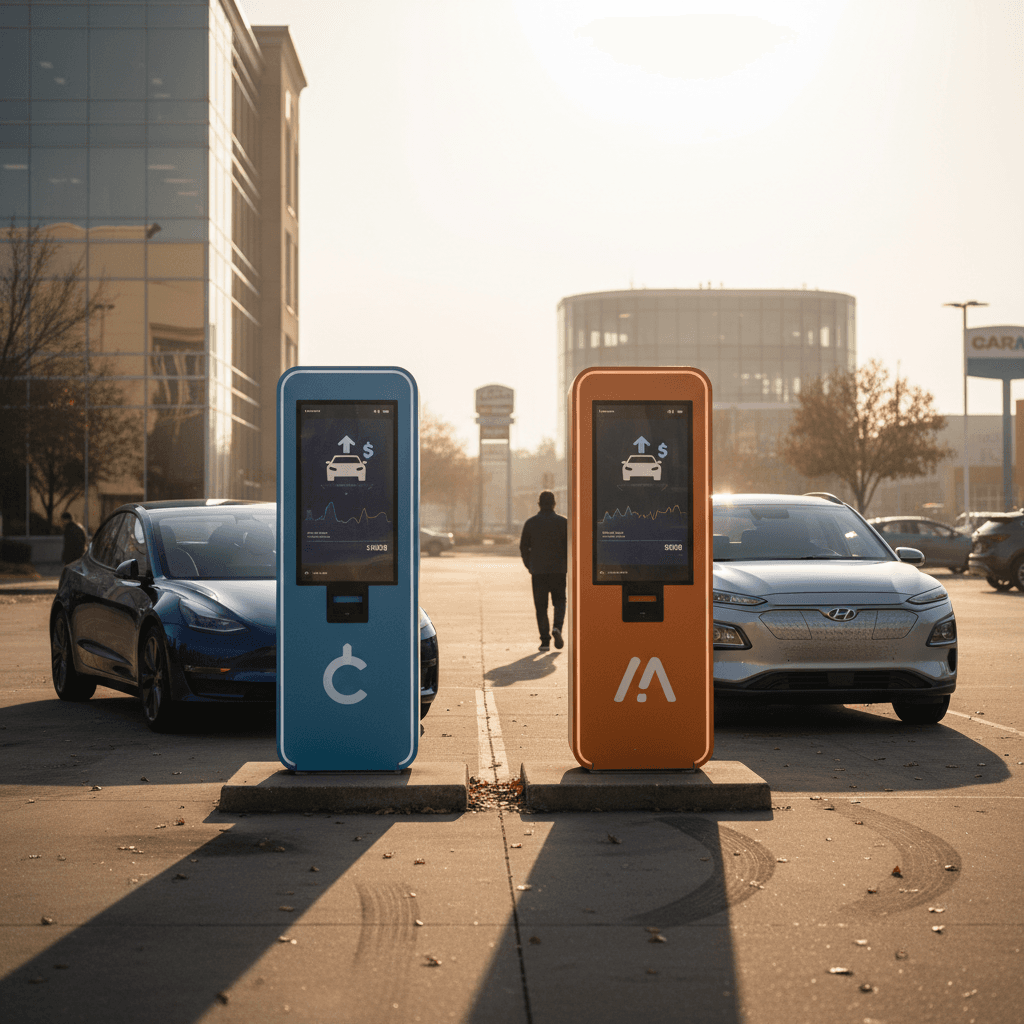
A lower advertised price doesn’t automatically make a used EV the better buy. You need to compare the same model year, mileage, equipment, accident history, battery condition, fees, financing terms, delivery costs, and warranty coverage. That makes out-the-door cost and vehicle condition more meaningful than the logo above the listing.
There is no universal price winner
Carvana can have the lower price on one vehicle while a traditional or EV-specialist dealer wins on the next. The Recharged data available for this article does not contain matched Carvana retail listings, so it cannot support a blanket claim that either side is always cheaper. A trustworthy comparison starts with the same make, model, age, approximate mileage, drivetrain, equipment, and condition, not two EVs that merely look similar in search results.
You should also separate the advertised price from the amount you’ll actually pay. Request an itemized total that includes the vehicle, mandatory dealer or platform fees, delivery, taxes, title and registration; then compare financing separately. If one seller provides verified battery diagnostics or stronger EV guidance, decide what that evidence and support are worth to you rather than treating every used EV as interchangeable.
How the buying channels differ
The practical difference is usually the shopping process and the quality of EV-specific information, not a guaranteed price advantage. Use the following channel comparison to decide where each option may fit your priorities.
Used-EV buying channels at a glance
Compare the strengths and limitations before evaluating individual listings.
| Buying channel | Best for | Typical strength | What to verify |
|---|---|---|---|
| Carvana | Online convenience | Standardized digital process | Battery proof and total |
| Traditional dealer | Local test drive | In-person vehicle access | EV expertise and fees |
| Recharged EV specialist | EV-specific guidance | Verified battery report | Exact vehicle availability |
Policies and vehicle documentation can vary, so verify the details on each listing.
This table is a starting point, not a verdict. Compare individual vehicles and written deal sheets rather than assuming every online retailer or dealership follows the same pricing and inspection practices.
What Recharged’s market data shows
Recharged’s own listings show how wide the used-EV market can be. In a snapshot of 417 EVs listed on Recharged, the median asking price was $30,997 and the average was $34,803; asking prices ranged from $12,996 to $146,998. Those are current Recharged listing prices, not discounts and not a direct comparison with Carvana, so the useful takeaway is that model-by-model matching matters far more than a marketplace-wide average.
Battery condition adds another layer that a sticker price cannot show. Across 2,242 Recharged Score battery inspections, tested remaining capacity averaged 93.9% of original capacity, with a median of 94.9%. The results also ranged from 63% to 100%, demonstrating why you should ask for diagnostics on the specific vehicle instead of assuming age or mileage tells the whole battery story.

Two used EVs with similar mileage can present very different value once you look at tested battery capacity, equipment, condition, and the complete deal. Compare the evidence attached to the car, not just the number at the top of the listing.
Recharged data
Used EV battery health
94%
avg remaining capacity
From Recharged battery inspections, not manufacturer estimates.
- Lowest
- 63%
- Median
- 95%
- Highest
- 100%
- Est. range
- 266 mi avg
- Cell balance pass
- 100%
- Quick charges
- 18 avg
- Slow charges
- 65 avg
Average cell imbalance: 7.3 mV
Based on vehicles Recharged tested
Recharged data
Used EV prices at Recharged
$30,997
median list price
Current list prices for matching inventory at Recharged.
- Lowest
- $12,996
- Average
- $34,803
- Highest
- $146,998
Average Recharged Score on these listings
4.8 / 5
Range
3.7 – 5.0
Based on available listings
Every EV is battery-tested with a Recharged Score. Nationwide delivery.
How to compare the real deal
The fairest comparison puts each candidate through the same checklist. Save the listings, request itemized totals, and confirm every assumption in writing before you place a deposit or arrange financing. For more help evaluating the vehicle itself, see Recharged’s used electric car buying guide and guide to checking used-EV battery health.
Your Carvana-versus-dealer checklist
Match the vehicles
Compare the same model, age, drivetrain, equipment, mileage range, history, and physical condition.
Request the total
Get an itemized out-the-door figure that separates vehicle price, mandatory fees, delivery, tax, title, and registration.
Verify battery condition
Ask for a diagnostic showing tested remaining capacity for the exact EV, not a generic model estimate.
Compare financing separately
Evaluate annual percentage rate, term, down payment, amount financed, and total borrowing cost, not just the monthly payment.
Read every policy
Confirm warranty, return, delivery, deposit, and cancellation terms directly with the seller before committing.
Test the EV systems
Check charging, climate control, driver-assistance functions, both keys, included charging equipment, and dashboard warnings.
Don’t count on a current federal used-EV credit
Financing can reverse what looks like a price win. A cheaper EV with more expensive borrowing may cost more over the full loan than a slightly higher-priced vehicle with better terms. Compare the annual percentage rate and total of payments using the same down payment and loan length; Recharged’s guide to used-EV financing explains the figures that matter.
When an EV-specialist dealer is worth it
An EV-specialist dealer is most valuable when you want battery evidence and knowledgeable guidance alongside the car. Recharged includes a Recharged Score Report with verified battery health and fair-market pricing, as well as EV-specialist support, financing, trade-in services, nationwide delivery, and a fully digital buying option. You can also work with the team at Recharged’s Experience Center in Richmond, Virginia.
Carvana’s online format may suit you if digital convenience is your main priority, while a nearby dealer may be preferable when you want an immediate in-person inspection and test drive. Recharged fits buyers who want a digital option without giving up EV-specific evaluation. Whichever route you choose, verify the precise services, policies, and documentation attached to the vehicle in front of you.
Bring every candidate back to the same questions: What is the full price, what do we know about the battery, and who will help if an EV-specific issue appears? That makes the comparison much clearer than chasing the lowest advertised payment.
Instant offer, trade-in, or consignment. Pickup available.
Frequently asked questions
The bottom line
The better used-EV deal is the vehicle with the strongest combination of total price, documented condition, battery health, financing, and support. Carvana may win an individual comparison, and a traditional or EV-specialist dealer may win another; no channel owns the lowest price across the market. Match the vehicles carefully, insist on written totals, and give verified battery evidence real weight before you buy.