If you’re browsing Cars.com new cars right now, you’re seeing the front window of a market that’s changing fast, especially for electric vehicles. Sticker prices on new EVs can look intimidating, incentives are in flux, and at the same time the used EV market has quietly exploded with choice and discounts. The trick is learning how to use new‑car sites as a benchmark, then decide whether a new car or a verified used EV actually fits you better.
Quick take
Why “Cars.com new cars” matters if you’re EV‑curious
Searches like “cars com new cars” usually come from shoppers who are early in the process. You’re probably asking: How much do new cars really cost right now? What about new EVs? And is the gap between gas and electric finally closing? New‑car marketplaces such as Cars.com give you a real‑time snapshot of MSRP, dealer discounts and inventory that you’ll never get from an automaker’s glossy marketing site.
That snapshot matters because U.S. plug‑in vehicles climbed to around 9% of new‑car sales by 2023 and have continued to grow, even if momentum has cooled in 2024–2025. At the same time, incentives have shifted, tariffs have moved around, and the headline $7,500 federal EV tax credit ended for purchases after September 30, 2025. All of that shows up first in new‑car pricing, then ripples into the used market a year or two later.
Use new-car sites as your reality check
How Cars.com new cars listings actually work
When you click into Cars.com new cars, you’re not looking at a direct seller the way you are with a brand like Tesla. You’re seeing an advertising marketplace: franchised dealers, independent dealers and some automakers list their inventory there and pay for visibility. That has a few implications for you as a shopper:
- Prices are offers, not guarantees. A low advertised price may require dealer financing, trade‑in, or add-ons.
- Some listings show factory incentives baked in (like cash rebates or subvented APR) while others show MSRP and talk about incentives in the fine print.
- You can filter by fuel type, so toggling between gas, hybrid and electric in the same segment is a quick way to see real price gaps.
- Because Cars.com pulls listings from thousands of dealers, it’s useful for spotting regional trends, for example, EV-heavy inventory on the coasts versus scarcer supply in certain states.
Marketplace (Cars.com, etc.)
- Many brands and fuel types in one view.
- Competing dealers means more visible discounts.
- Information quality varies by listing; you have to read carefully.
- Great for price discovery, less great for deep EV specifics.
Direct-to-consumer & specialists
- Tesla, Rivian and other direct sellers control their own pricing.
- Specialist used‑EV platforms like Recharged focus specifically on electric cars.
- You’ll often see battery health data, home‑charging guidance and EV‑specific financing help.
- Less noise, more depth if you already know you want electric.
Watch the EV fine print
New EV market in 2025: what the prices don’t tell you
EV snapshot behind those new‑car prices
On the surface, new‑car listings suggest EVs are still pricier than comparable gas models. And in many trims, that’s true: EVs often carry higher MSRPs, and AAA’s 2025 “Your Driving Costs” report still shows higher average ownership costs for EVs than for gas cars, largely because of purchase price and depreciation.
But that headline misses three crucial dynamics that don’t show up clearly in a simple Cars.com new‑car search:
- Tax credits shifted, then ended for new EV purchases after September 30, 2025, which pushed a lot of buying forward and left more inventory sitting afterward.
- Used EV values fell faster than most analysts expected as off‑lease cars and price‑cut Teslas hit the market together.
- Automakers are quietly re‑prioritizing hybrids and profitable trucks, which means many new EVs will be sold with heavy incentives in some regions and hardly at all in others.
Awards tell you where value is headed

When a used EV is a better buy than a new car
Because EV tech is maturing fast and depreciation has been steep, there are plenty of scenarios where a used EV beats a brand‑new gas car, or even a new EV, you just saw on Cars.com.
Common situations where used EVs shine
If any of these sound like you, don’t stop at new‑car listings.
Short daily commute
Payment over prestige
Home charging access
The big objection to used EVs has always been the battery: How healthy is it? How much range is left? That’s exactly where platforms like Recharged change the game. Every vehicle on Recharged includes a Recharged Score Report with verified battery health, so you aren’t guessing based on mileage alone.
Why Recharged leans into used EVs
Ready to find your next EV?
Browse VehiclesHow to compare Cars.com new cars to used EV listings
Instead of looking at new‑car sites and used EV platforms as competitors, treat them as two halves of one research process. Here’s a practical way to do it.
New gas car vs new EV vs used EV: what to focus on
Use this as a side‑by‑side checklist when you have a Cars.com new‑car tab and a used‑EV marketplace tab open.
| Factor | New gas car (Cars.com) | New EV (Cars.com) | Used EV (Recharged, etc.) |
|---|---|---|---|
| Purchase price | Often lowest sticker price | Usually higher MSRP, sometimes discounted | Lower than new EV; big discounts on 2–4‑year‑old cars |
| Incentives | Occasional rebates or low‑APR | Incentives more volatile; federal credit ended for new purchases after Sept. 30, 2025 | No federal purchase credit, but prices often already reflect that |
| Fuel cost | Gas prices fluctuate by region | Charging typically cheaper per mile if you can charge at home | Same electricity cost as new EV, fuel savings without new‑car price |
| Battery & engine risk | Engine, transmission wear over time | New battery, full warranty, unknown long‑term policy risk | Battery has some degradation, but a health report can quantify it |
| Tech & safety | Modern, but can lag in software updates | Latest driver‑assist and infotainment | 1–3 generations behind, but core safety features usually present |
| Depreciation | Moderate; gas vehicles still mainstream | Can be steep if new discounts arrive later | Much depreciation already baked into today’s price |
Numbers vary by model and region, but the questions stay the same.
Anchor on total 5‑year cost, not MSRP
Key EV models you’ll see new and used
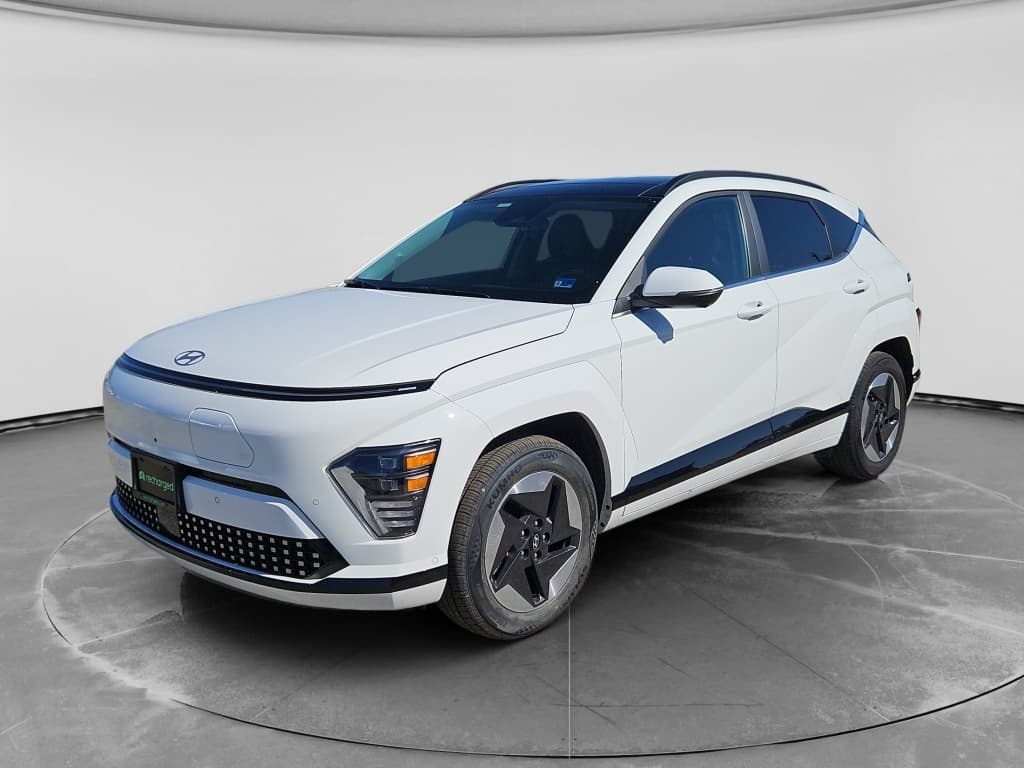
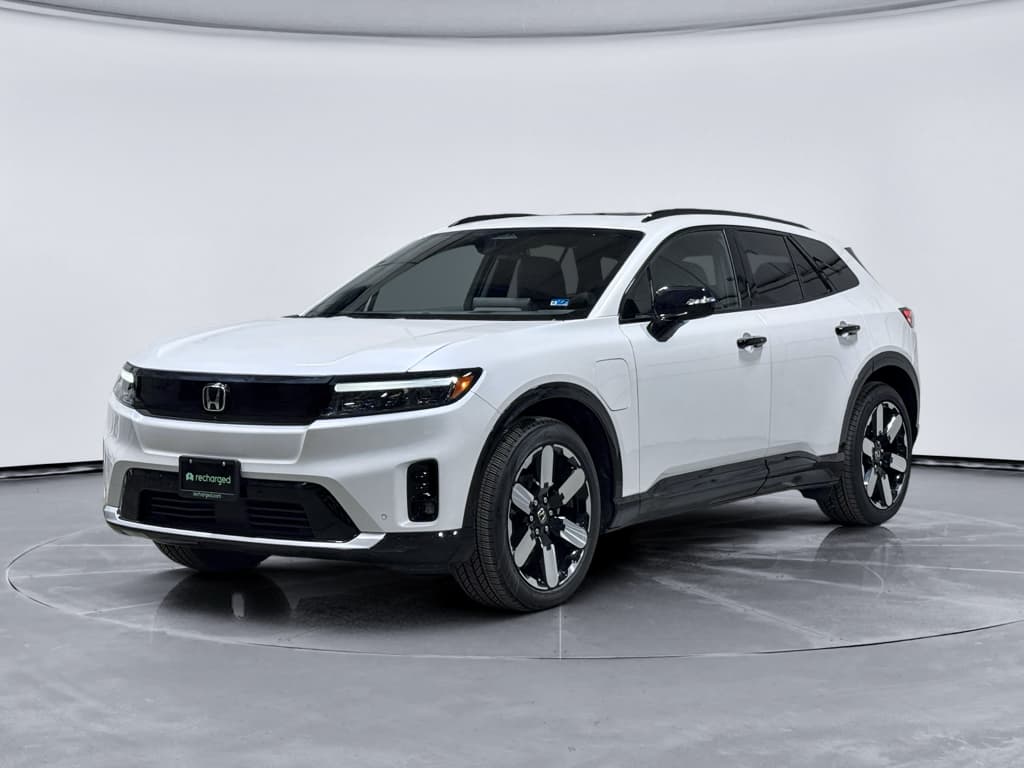
Search for new EVs on Cars.com and certain nameplates dominate the first pages: Tesla’s Model 3 and Model Y, Hyundai’s Ioniq 5 and Ioniq 6, Kia’s EV6 and EV9, Ford’s Mustang Mach‑E, GM’s Ultium‑based models and a growing set of compact crossovers from nearly every brand. Those same badges now appear in large numbers in the used market, often with surprisingly different value stories.
How popular EVs look new vs used
These are illustrative patterns you’ll likely see when cross‑shopping.
High‑volume mass‑market EVs
Family‑focused electric SUVs
In this phase of the EV transition, the best consumer deals tend to be in the rear‑view mirror of someone else’s lease, not on the front line of a dealer’s new‑car lot.
Checklist: evaluating any EV against a new gas car
When your browser is full of Cars.com new cars tabs and a few used‑EV candidates, it’s easy to get lost in the weeds. Use this checklist to bring the decision back to basics.
EV vs gas: smart‑shopping checklist
1. Clarify your real range needs
Ignore marketing and think about your longest regular drive. If your weekly pattern rarely exceeds 150–200 miles between charges, most used EVs with 200+ miles of real‑world range are more than enough.
2. Confirm charging access
Can you charge at home or reliably at work? If yes, that dramatically improves the math for a used EV compared with a new gas car. If not, factor in public‑charging time and cost honestly.
3. Compare 5‑year total cost
Take the payment from a Cars.com new‑car listing and add realistic fuel and maintenance. Then do the same for a used EV (with lower payment but higher depreciation already baked in). Choose the lower total, not the shinier sticker.
4. Dig into warranty coverage
New EVs carry factory bumper‑to‑bumper and battery warranties. Used EVs often retain years of battery coverage, but you need to know the in‑service date and terms. A platform like Recharged helps by surfacing this clearly.
5. Demand battery transparency on used EVs
If you’re considering a used EV, don’t settle for a generic “battery OK” note. Look for a <strong>formal battery health report</strong> like the Recharged Score that quantifies remaining capacity and projected range.
6. Test‑drive both options back‑to‑back
Drive a new gas car you found on Cars.com and a used EV that fits your budget on the same day. Pay attention not just to acceleration, but to ride quality, noise, driver‑assist tech and the feel of one‑pedal driving.
Avoid this EV mistake
FAQ: Cars.com new cars and used EVs
Frequently asked questions
Bottom line: using new‑cars sites without overpaying
Typing “cars com new cars” into your browser is a smart first step: it shows you where the mainstream market is today. But if you stop there, you’re only seeing half the opportunity. The same forces that pushed new‑EV prices up, a rush for tax credits, rapid tech change, political whiplash, have also created a deep pool of used EVs that quietly undercut many new‑car deals.
The most rational play is to use Cars.com as a benchmark, then pressure‑test every new‑car option against a comparable used EV with verified battery health, clear pricing and honest support. That’s exactly the gap Recharged exists to fill. Browse new‑car listings to set your expectations, then come back to a curated used‑EV marketplace, get a Recharged Score Report, explore financing and trade‑in options, and let an EV specialist help you decide what actually makes sense for the way you drive.